A well planned paleo diet plan can feel like hitting a reset button on your eating habits. By centering your meals on whole, unprocessed foods, you give your body a break from the sugar, refined carbs, and additives that sneak into many modern diets. That shift alone can help you lose weight more naturally and support better overall health.
Below, you will see how a paleo diet plan works, what the science actually says, and how you can make it practical for your everyday life.
Understand what a paleo diet plan really is
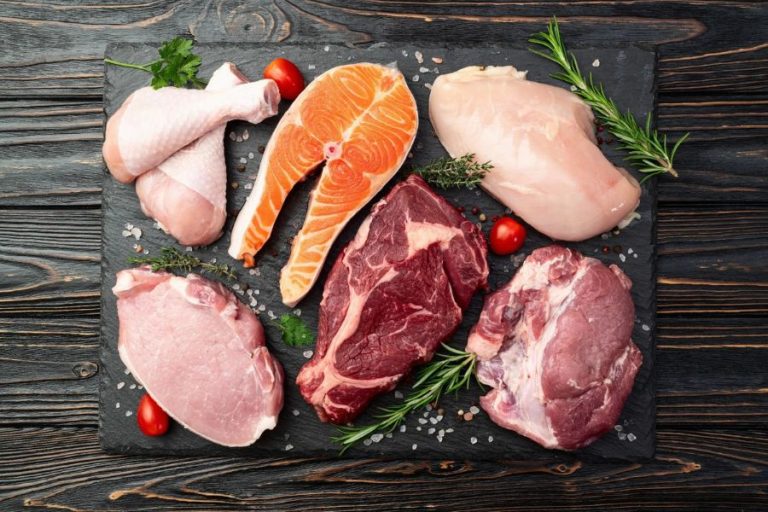
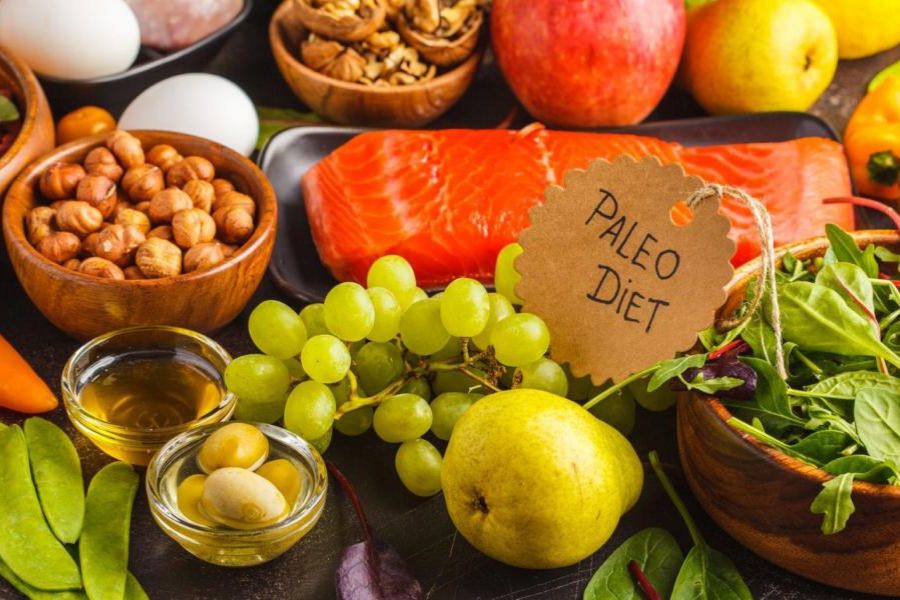
At its core, a paleo diet plan focuses on the foods your hunter–gatherer ancestors might have eaten. You build your meals around vegetables, fruits, lean meats, seafood, eggs, nuts, seeds, healthy fats, and herbs or spices, while avoiding grains, legumes, dairy, refined sugar, and most processed products (Mayo Clinic, Healthline).
That means your plate might include salmon, roasted Brussels sprouts, sweet potatoes, and a side salad, but not bread, beans, cheese, or sugary sauces.
Many people like paleo because it is a pattern, not strict calorie counting. You focus on food quality over numbers. You still need balance, but you have a clear, simple guideline to follow at each meal.
What you eat and what you skip
You have a lot of flexibility, but the main categories look like this (EatingWell, Everyday Health):
- You prioritize: vegetables, fruits, meat and poultry, wild caught fish and seafood, eggs, nuts and seeds, healthy fats like olive and avocado oil, and herbs or spices.
- You limit or avoid: grains, beans and legumes, dairy, refined sugar, highly processed oils, and packaged snack foods.
Some modern versions of paleo allow occasional extras like grass fed butter or gluten free grains such as rice, which can make the diet easier to maintain long term (Healthline). You can think of this as a spectrum, and choose the version that matches your health needs and lifestyle.
See how a paleo diet plan supports weight loss
If you are trying to lose weight, a paleo diet plan can be a game changer because it changes what you eat and how satisfied you feel, not just how much you eat.
You naturally reduce processed foods and sugar
One of the biggest advantages of paleo is the automatic cutback on processed foods. You stop relying on bread, pasta, pastries, sweetened yogurts, and packaged snacks, which means fewer added sugars and refined carbs in your day. That change alone often leads to weight loss and improvements in health markers, especially when you are consistent over time (Healthline, Kevin’s Natural Foods).
With better blood sugar control, you tend to have fewer energy crashes and cravings, which makes it much easier to stay on track.
You feel fuller on fewer calories
Paleo meals usually include a mix of lean protein, healthy fat, and plenty of fiber rich vegetables. That combination helps you feel full and satisfied for longer, so you are less likely to reach for extra snacks or second helpings.
For example, compare a breakfast of eggs with spinach and raspberries to a bowl of sugary cereal. The paleo style breakfast offers more protein and fiber, which supports stable energy and better appetite control throughout the morning (EatingWell).
When you are comfortably full, you do not need willpower to eat less. Your body helps you out by feeling satisfied sooner.
Explore potential health benefits beyond the scale
Weight loss is often your first goal, but a well designed paleo diet plan may support many other aspects of your health.
Short term studies suggest that paleo style eating can improve several cardiovascular risk factors, likely because you reduce highly processed foods and increase your intake of fruits and vegetables (Mayo Clinic). A large study in young adults found that people who followed a paleo pattern tended to have better heart health markers, though they also ate more produce in general, so both factors probably helped.
You may also notice:
- More consistent energy
- Fewer sugar cravings
- Easier blood sugar control
- A better relationship with food, since you are focusing on quality instead of strict dieting rules
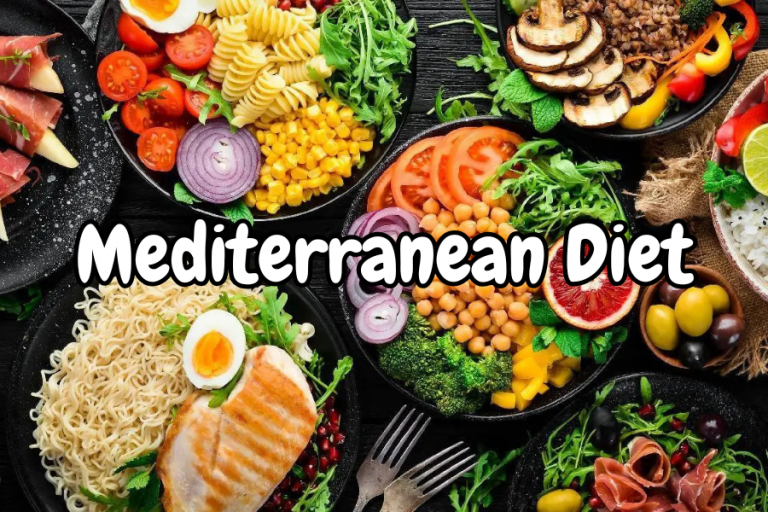
Research is still limited and long term studies are missing, so you should view paleo as one of several possible healthy patterns rather than a magic bullet (Mayo Clinic). Diets like the Mediterranean diet, which includes whole grains and dairy, have similar benefits and a stronger evidence base. The real game changer is often the shared focus on whole foods.
Watch for common paleo diet pitfalls
Any eating plan can go wrong if you take it to extremes or skip key nutrients, and paleo is no exception. Being aware of the main pitfalls helps you get the benefits without the downsides.
Relying on “paleo” packaged foods
Just because something is labeled paleo does not mean it is automatically healthy. Paleo cookies, bars, and chips can still be high in sugar or low in nutrients. Many experts recommend that you focus on whole ingredients, and treat packaged paleo treats as occasional extras, not everyday staples (Aaptiv, Bon Appétit).
The same idea applies to paleo desserts made with coconut sugar, maple syrup, or honey. These sweeteners may be less processed than table sugar, but they are still sugar and can add up quickly (Bon Appétit).
Overdoing the meat
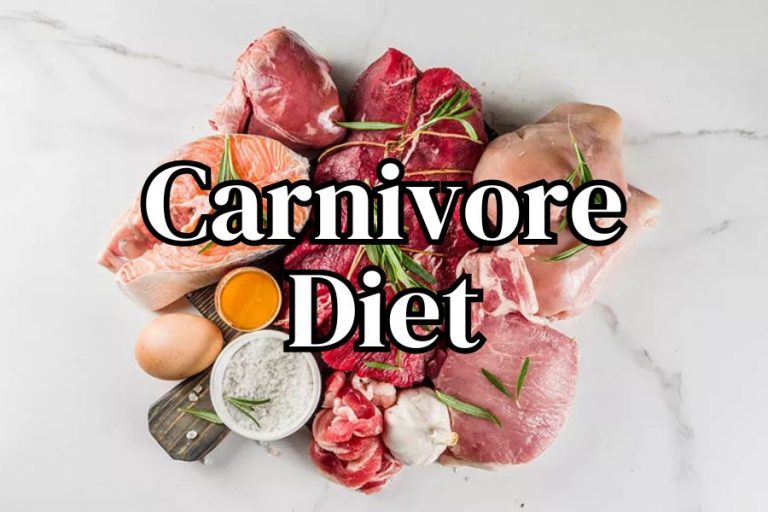
You might assume that a paleo diet plan is a license to eat unlimited meat. That is a common misconception. While you do want enough protein, very large portions of animal protein, especially fatty cuts, can increase your intake of saturated fat and may raise the risk of chronic health issues over time (Bon Appétit, Kevin’s Natural Foods).
A more balanced approach is to treat meat as part of the plate instead of the main event. Build your meals around vegetables first, then add moderate amounts of lean protein like poultry, fish, or eggs. Many experts suggest thinking of meat as an accompaniment rather than a huge centerpiece portion (Aaptiv).
Missing out on fiber and calcium
Because paleo excludes grains, legumes, and dairy, you need to be more intentional about getting enough fiber, calcium, and certain vitamins. Without planning, you may fall short on these nutrients (Mayo Clinic, Everyday Health).
You can lessen these gaps by:
- Eating at least five servings of non starchy vegetables daily, such as leafy greens, cruciferous veggies, and colorful peppers, to boost fiber intake (Aaptiv)
- Including nuts and seeds like almonds, chia seeds, and pumpkin seeds for additional fiber and minerals
- Choosing calcium rich paleo foods like broccoli, kale, mustard greens, and canned fish with bones (Aaptiv)
If you have specific health concerns, it is smart to talk with a registered dietitian to design a paleo style plan that covers your nutrient needs and to decide whether supplements make sense for you (Bon Appétit).
Paleo can be healthy long term if you treat it as a whole foods template, not a meat heavy free for all, and if you intentionally cover possible nutrient gaps with vegetables, seafood, and, when needed, supplements (Kevin’s Natural Foods).
Make your paleo diet plan practical
A plan only works if you can stick with it. The good news is that you can design a paleo diet that fits your schedule and tastes without spending all day in the kitchen.
Start with a simple weekly framework
You do not have to reinvent every meal. Many people find it helpful to choose a basic structure for the week, then repeat with small variations. For example (EatingWell, ThePaleoDiet.com):
- Breakfast: eggs with greens and a side of fruit
- Lunch: big salad with leftover protein and olive oil based dressing
- Snack: nuts or seeds with a small piece of fruit
- Dinner: protein such as chicken, fish, or lean beef with roasted vegetables and a starchy vegetable like sweet potato, squash, or potatoes if they fit your version of paleo
You can also follow structured weekly meal plans created by nutrition experts. For example, The Paleo Diet offers a 52 week series of paleo friendly menus with breakfast, lunch, dinner, and desserts that rotate with the seasons, which can help you eat a wider variety of foods and keep grocery shopping simple (ThePaleoDiet.com). Whole Foods Market has a 7 day paleo friendly meal plan that uses fresh produce, meat, seafood, nuts, seeds, and easy snacks like dried mango, seaweed snacks, and grain free granola (Whole Foods Market).
These resources are not medical advice, but they can inspire you when you feel stuck for ideas (Whole Foods Market).
Plan for hunger and busy days
One of the biggest reasons people drift away from paleo is unplanned hunger. You have a long day, get too hungry, and grab the closest non paleo convenience food. Planning ahead makes a big difference. Experts suggest preparing not just main meals, but also easy snacks you can grab on the go, such as cut vegetables with guacamole or grain free snack bars (Bon Appétit).
You can also:
- Cook double portions at dinner and pack leftovers for lunch
- Keep a few ready to eat proteins on hand, such as rotisserie chicken that fits your ingredients list, canned tuna, or frozen shrimp (Whole Foods Market)
- Batch roast vegetables on the weekend so you can build quick bowls with protein during the week
The more you prepare in advance, the less you rely on willpower in the moment.
Decide if a paleo diet plan is right for you
Before you commit fully, it helps to honestly assess your health status, preferences, and budget.
A paleo style diet can be nutrient rich and helpful for weight loss when you focus on vegetables, lean proteins, and healthy fats, and when you address the potential gaps in fiber and calcium. However, it may not be ideal for everyone. If you have kidney disease, heart disease risk, type 1 diabetes, or other complex medical conditions, talk with your doctor before shifting to a higher protein or restrictive pattern like paleo (Everyday Health, Mayo Clinic). Cost can also be a factor, since high quality meat and produce can be expensive (Mayo Clinic).
If you like the idea of a paleo diet plan but worry about strict rules, you can start with a flexible version. Many people do well by using paleo as a base, then adding back select foods like plain yogurt or gluten free grains if they tolerate them well (Healthline). The goal is not perfection. It is a sustainable way of eating that helps you feel and function better.
You do not have to overhaul everything at once. Try one paleo style change this week, such as swapping your usual breakfast for eggs and vegetables or planning one completely paleo dinner. Pay attention to how your body responds. Over time, these small shifts can add up to the game changing results you are looking for.
About the Author