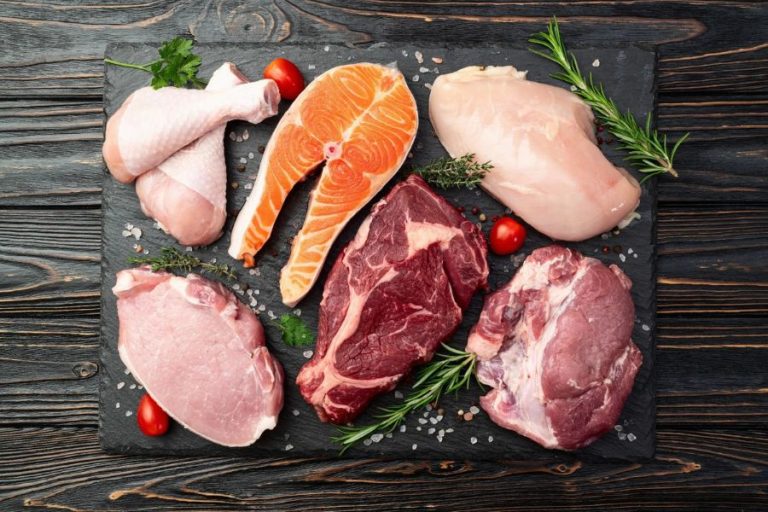
A carnivore diet meal plan can look surprisingly simple. You focus on meat, fish, eggs, and a few selected animal products, while cutting out carbohydrates almost entirely. For some people this low carb, high protein and fat approach feels easier to follow than constantly tracking calories or macros. Before you stock your fridge with steak, it helps to understand what you are signing up for, how to build an easy weekly plan, and where the potential benefits and risks sit.
Understand what the carnivore diet really is
At its core, a carnivore diet meal plan is an all animal foods approach. You eat only animal based foods such as beef, lamb, pork, chicken, fish, eggs, and sometimes low lactose dairy. Fruits, vegetables, grains, legumes, nuts, seeds, and added sugars are off the table completely.
According to overviews from WebMD and Cleveland Clinic, a classic carnivore plan eliminates carbohydrates by avoiding plant foods and most processed products altogether, with the goal of pushing your body into ketosis, a state where you burn fat and ketones for fuel instead of glucose (WebMD, Cleveland Clinic). Many followers also focus on grass fed, pasture raised meats and wild caught seafood to improve the nutrient quality of what you eat (Primal Kitchen).
Some versions are very strict and allow only meat, fish, eggs, and animal fats. Others are a bit more flexible and may include:
- Eggs
- Full fat dairy like cheese and yogurt
- Herbs, spices, and some condiments
- Small amounts of non starchy vegetables
This range is why you will sometimes see slightly different carnivore diet meal plans online. Before you start, you will want to choose where you fall on that spectrum and what feels sustainable for you.
Weigh the key benefits people report
You will find many personal stories online about how a carnivore diet helped people lose weight or feel better. Scientific research is still limited, so you should treat these as promising but not proven outcomes. That said, there are some consistent themes.
Many followers report faster weight loss, especially at the beginning, because you cut out almost all carbohydrates and rely heavily on fat for fuel. This shift into ketosis can reduce hunger for some people and make it easier to eat fewer calories without tracking every bite (Chomps). They also often describe less bloating and joint pain since they are avoiding processed foods and refined carbs.
One survey of more than 2,000 adults who followed a carnivore style diet for 9 to 20 months found self reported improvements in BMI, energy, sleep, strength, endurance, memory, and focus, along with reduced medication use in some people with diabetes (Chomps). However, the study relied on self reporting and did not include clinical measurements or control groups, so results need to be interpreted carefully.
Advocates also talk about potential benefits like reduced inflammation and improved mental clarity, often linking these to a lower intake of sugars and processed foods plus the brain using ketones as a steady fuel source instead of frequent blood sugar spikes (Chomps, Inspira Health Network).
Know the real risks and limitations
Before you commit to a carnivore diet meal plan, it is important to understand that most nutrition experts are cautious or openly critical of this approach.
Because the diet cuts out entire food groups, including fruits, vegetables, whole grains, and legumes, you are at higher risk of missing important vitamins, minerals, fiber, and antioxidants that support digestion, heart health, and long term disease prevention (Cleveland Clinic, Inspira Health Network). WebMD and Cleveland Clinic both highlight concerns about:
- Vitamin C deficiency if you rarely or never eat plant foods
- Lack of fiber, which can lead to constipation and negatively affect your gut microbiome
- High intake of saturated fat and sodium from processed or fatty meats, which may increase the risk of stroke, heart disease, or kidney issues
Most dietitians interviewed by WebMD, Cleveland Clinic, and Inspira Health do not recommend the carnivore diet as a long term lifestyle and instead favor a balanced eating pattern that includes fruits, vegetables, whole grains, and lean proteins (WebMD, Cleveland Clinic, Inspira Health Network).
If you are still curious and want to try a carnivore diet in the short term, talking with your doctor or a registered dietitian first is a smart move. They can help you weigh your personal risks, check medications, and decide whether supplements like vitamin C, vitamin D, magnesium, or a fiber supplement may be appropriate (Inspira Health Network).
Compare carnivore to keto and other low carb diets
It might help to think of carnivore as the most extreme member of the low carb family. Diets like keto and Atkins restrict carbohydrates, but they still allow some amount of vegetables, berries, and plant based fats. The carnivore diet goes further by aiming to eliminate all plant carbohydrates, not just limit them (Cleveland Clinic).
On keto, you might eat leafy greens, avocados, nuts, and olive oil alongside meat and eggs. On carnivore, your plate is usually meat or fish plus animal fats such as butter, ghee, or tallow. Some flexible carnivore plans still borrow from keto friendly recipes, for example using lean meats with small portions of non starchy vegetables and herbs for flavor (Primal Kitchen).
If you are mainly focused on fat loss and better blood sugar control, a less restrictive low carb approach may give you similar benefits with fewer risks. However, if you prefer very simple rules and want to see what an elimination style diet feels like for a limited time, a carnivore meal plan can serve that purpose.
Build a simple 7 day carnivore diet meal plan
You do not need complicated recipes to get started. A basic carnivore diet meal plan revolves around a few core foods that repeat throughout the week. According to meal ideas shared by Chomps, WebMD, and Primal Kitchen, common staples include steak, ground beef, salmon, eggs, bacon, chicken, pork, and occasionally cheese or yogurt (Chomps, WebMD, Primal Kitchen).
Here is a sample week you can use as inspiration and then adjust to your tastes and budget:
Day 1
Breakfast: Steak and eggs cooked in butter
Lunch: Ground beef patties with a slice of cheddar
Snack: Sardines or hard boiled eggs
Dinner: Salmon fillets with crispy pork belly
Day 2
Breakfast: Omelet with cheese and leftover steak
Lunch: Chicken thighs with skin, cooked in tallow
Snack: Beef jerky or a meat stick
Dinner: Ribeye steak with bone marrow
Day 3
Breakfast: Bacon and eggs
Lunch: Canned salmon patties fried in butter
Snack: Scrambled eggs with turkey pieces
Dinner: Pork chops and a small serving of cheese
Day 4
Breakfast: Leftover pork with fried eggs
Lunch: Burger patties with melted cheese
Snack: Canned tuna with mayo
Dinner: Prime rib roast
Day 5
Breakfast: Egg and cheese scramble
Lunch: Rotisserie chicken, dark meat, with chicken skin
Snack: Sardines or hard boiled eggs
Dinner: Oxtail or short ribs slow cooked in broth
Day 6
Breakfast: Salmon and eggs
Lunch: Lamb chops cooked in ghee
Snack: Cheese slices or pork rinds
Dinner: Ground beef cooked with beef liver pieces
Day 7
Breakfast: Bacon, eggs, and a small portion of yogurt if tolerated
Lunch: Leftover lamb or beef roast
Snack: Meat stick or jerky
Dinner: Carnivore style chicken casserole with shredded chicken, cream cheese, sour cream, and shredded cheese baked together with simple spices (WebMD)
Season foods with salt, pepper, and simple spices you tolerate well. WebMD notes that herbs and spices are generally fine unless you are experimenting with a very strict elimination phase (WebMD).
Choose foods and cuts that support your goals
Within the carnivore framework, you can still tailor your meal plan to your health goals and budget.
If weight loss is your priority, leaning on fattier cuts might help with satiety, but you still need to pay attention to overall portions. Experts from WebMD suggest choosing more lean options like skinless chicken and adding seafood to boost your intake of omega 3 fats, which are linked to heart health (WebMD). You can then adjust fat intake by using more or less butter, ghee, or tallow in cooking rather than relying only on fatty processed meats.
If cost is a concern, organ meats such as liver, heart, and kidney can be very budget friendly while also providing a wide range of vitamins and minerals. The Primal blog points out that you do not need expensive cuts and that these nose to tail choices can actually improve nutrient density and affordability at the same time (The Primal).
You will also want to think about how you tolerate dairy. Some carnivore guides allow cheese, yogurt, and cream in moderation but recommend limiting them if you notice digestive symptoms or inflammation (WebMD, Primal Kitchen).
Handle electrolytes, digestion, and adaptation
When you remove carbohydrates so drastically, your body shifts its fuel source and also changes how it handles fluids and electrolytes. Many beginners on low carb or carnivore plans experience fatigue, headaches, or muscle cramps in the first week as they adapt to ketosis (Chomps).
Maintaining your intake of sodium, magnesium, potassium, and calcium can help blunt these symptoms. The Primal blog recommends using salt more generously on food, considering an electrolyte drink or mineral supplement, and staying hydrated to support this transition (The Primal).
Digestion is another area to watch closely. Without dietary fiber from plants, some people struggle with constipation or irregular bowel movements. This is one of the primary concerns experts raise about the carnivore diet because fiber plays a big role in gut health (Cleveland Clinic, Inspira Health Network). If you notice significant issues, you may want to talk to your doctor about fiber supplements or reconsider such a strict elimination plan.
Finally, timing your meals can matter. Heavy meat dinners eaten right before bed can be slow to digest and may interfere with sleep. The Primal blog suggests finishing big meat based meals at least 3 to 4 hours before bedtime, or choosing lighter proteins like fish or eggs for late meals (The Primal).
If you try carnivore, keep a simple journal of what you eat, how you feel, and any changes in weight, sleep, digestion, or mood. This will help you spot patterns and decide sooner rather than later whether the approach works for you.
Decide if a carnivore plan fits your life
A carnivore diet meal plan can be appealing if you like clear rules, prefer savory foods, and want a short term reset that removes processed snacks and sugar. It can also feel freeing to stop tracking macros and instead just focus on eating until you are comfortably full.
At the same time, it is a very restrictive way to eat that is not aligned with mainstream nutrition guidelines and may be hard to sustain socially or emotionally over time (WebMD, Cleveland Clinic). Experts generally advise approaching it, if at all, as a temporary experiment under medical guidance rather than a lifelong plan.
If you decide to give it a try, you might start with a simple one or two week carnivore diet meal plan, schedule a check in with your doctor, and be honest with yourself about how you feel. You can always shift to a more flexible low carb or whole foods approach that still supports weight loss and better health without cutting out every plant food you enjoy.
About the Author