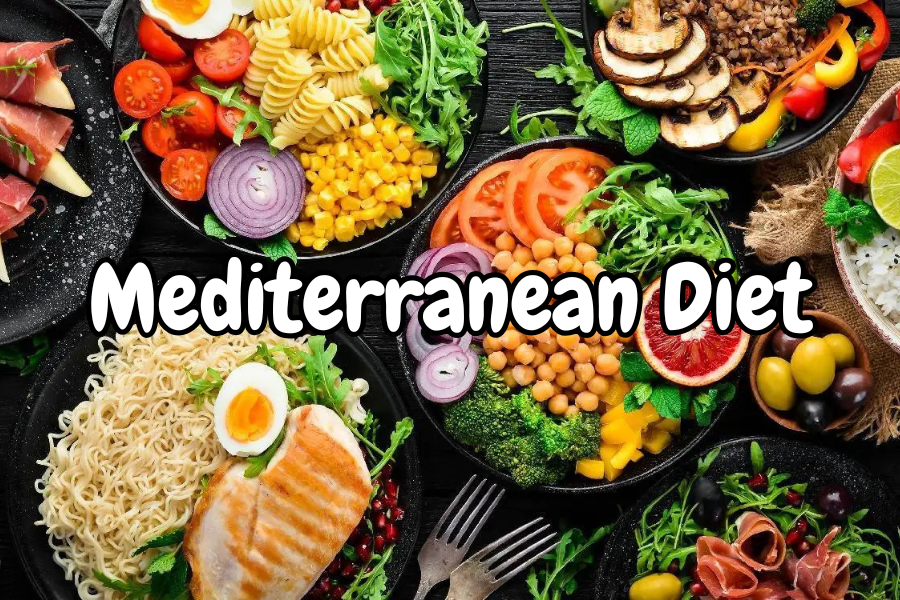
Mediterranean eating is less about strict rules and more about smart habits you repeat every day. A well planned Mediterranean diet grocery list turns that idea into real meals that help you lose weight, feel satisfied, and support your long term health.
Instead of grabbing random “healthy” items, you stock your kitchen with a core set of foods that make balanced choices the easy default.
Understand the Mediterranean diet basics
A Mediterranean diet focuses on whole, minimally processed foods. You rely heavily on plants, healthy fats, and seafood, with smaller amounts of meat and sweets spread out over time.
According to major health organizations, this way of eating emphasizes vegetables, fruits, whole grains, legumes, nuts, and extra virgin olive oil as daily staples, with fish, poultry, and dairy in moderation and red meat only occasionally (Cleveland Clinic, Franciscan Health).
Instead of thinking of it as a diet that starts on Monday and ends by Friday, you treat it as a lifestyle. You cook more at home, use olive oil instead of butter, and aim to fill at least half your plate with vegetables at most meals (Franciscan Health).
Build your Mediterranean pantry staples
A good Mediterranean diet grocery list starts in the pantry. With the right basics on your shelves, you can throw together quick, healthy meals without much planning.
Healthy fats and oils
Extra virgin olive oil is the star of the Mediterranean diet. It is your main cooking and salad oil and is used instead of butter or shortening. Experts recommend extra virgin olive oil because it has more antioxidants and a healthier fat profile than regular olive oil, which supports heart and brain health (Cleveland Clinic).
You can also keep:
- Olives in brine or packed in olive oil
- Nuts like almonds, walnuts, pistachios, and hazelnuts
- Seeds such as sunflower, sesame, or pumpkin, if you enjoy them
You use these for snacking, sprinkling over salads, or adding crunch to sautéed vegetables and grain bowls.
Whole grains and starches
Whole grains are a foundation of a Mediterranean diet grocery list. They give you long lasting energy and fiber that helps with weight loss and blood sugar control.
Look for items like:
- Oats
- Brown or wild rice
- Quinoa
- Whole wheat or other whole grain pasta
- Farro, barley, or bulgur
- 100 percent whole grain bread or pitas
When you can, choose the “whole” version instead of white or refined. Whole grains are one of the key food groups linked to a lower risk of coronary artery disease in this eating pattern (Cleveland Clinic).
Legumes and plant proteins
Beans and lentils are small pantry items with a big impact. They are filling, affordable, and packed with fiber and plant protein.
Keep a mix of canned or dried:
- Chickpeas
- Lentils (brown, green, or red)
- Black beans
- Cannellini or other white beans
Use them in soups, stews, grain bowls, and salads, or mash them into spreads like hummus.
If you want to lose weight on a Mediterranean diet, beans and lentils help you stay full while you reduce portions of higher calorie foods without feeling deprived.
Herbs, spices, and flavor boosters
The Mediterranean way is full of flavor. That is part of why this style of eating is so sustainable.
Stock your spice rack and fridge with:
- Dried oregano, basil, thyme, rosemary, cumin, coriander
- Paprika, chili flakes, and black pepper
- Garlic and onions
- Lemon juice and zest
- Fresh herbs like parsley, cilantro, dill, or mint when you can
These ingredients help you lean less on heavy sauces and added sugar because your meals already taste bright and complex.
Choose fresh produce for color and fiber
Plant foods sit at the base of the Mediterranean diet “pyramid” and are meant to show up at every meal. Your grocery list should reflect that priority.
Vegetables to prioritize
Aim for a variety of colors and textures throughout the week. Fresh, frozen, and canned (without heavy sauces) all work.
Good Mediterranean style choices include:
- Leafy greens such as spinach, arugula, kale, and romaine
- Tomatoes, cucumber, and bell peppers
- Zucchini, eggplant, and yellow squash
- Broccoli, cauliflower, and Brussels sprouts
- Carrots, onions, and celery
Try to fill half your plate with vegetables at lunch and dinner. This simple habit is one core principle of the Mediterranean lifestyle (Franciscan Health).
Fruits for natural sweetness
Fruit replaces most of the desserts and sugary snacks you might be used to. It satisfies your sweet tooth while still giving you fiber, vitamins, and water.
You might rotate:
- Apples and pears
- Berries, fresh or frozen
- Oranges, clementines, and grapefruit
- Grapes
- Melon and pomegranate
Keep washed produce at eye level in your fridge or in a bowl on the counter. When fruit is visible and ready to eat, you are more likely to choose it over packaged sweets.
Pick proteins that support your goals
Protein keeps you full, helps you maintain muscle while losing weight, and supports overall health. On a Mediterranean diet, you lean heavily toward seafood and plant proteins and keep red meat in the background.
Seafood and fish
Fish is one of the signature protein sources in the Mediterranean diet. It provides quality protein and healthy fats.
Common choices include:
- Salmon
- Tuna
- Shrimp
- Halibut
- Sardines or mackerel if you enjoy them
These are the types of fish highlighted in Mediterranean style eating patterns (Franciscan Health). Aim to buy fish at least once or twice a week. Bake, grill, or sauté in olive oil instead of frying.
Poultry, eggs, and dairy
You can still enjoy animal protein, just in moderate amounts and mostly from leaner sources.
Add to your list:
- Skinless chicken or turkey
- Eggs
- Plain yogurt or Greek yogurt
- Cheese such as feta, mozzarella, or Parmesan
Use yogurt in place of sour cream, and keep cheese as a flavor accent rather than the main event.
Red meat and processed meat
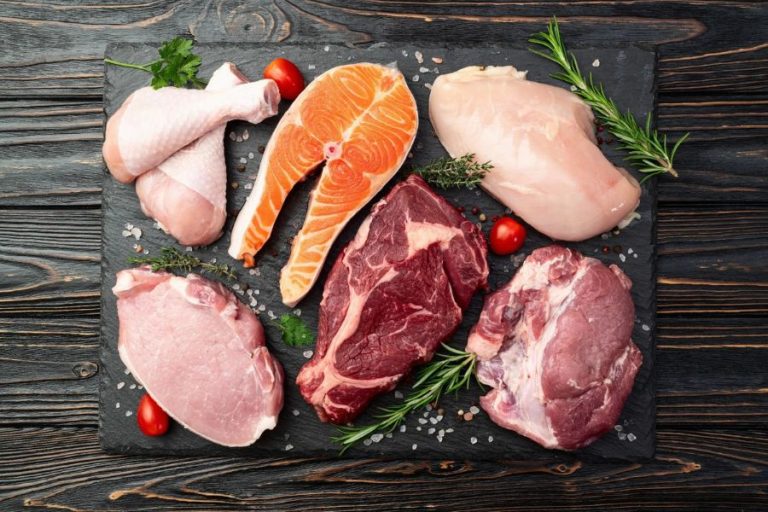
Red meat is not forbidden, but it sits at the top of the Mediterranean pyramid. You limit it to about once a week and focus on lean cuts. Fatty cuts and fried versions are discouraged, and processed meats like bacon, sausage, and deli slices are best avoided or reserved for rare occasions (Franciscan Health, The Mediterranean Dish).
If you are trying to lose weight, you can shrink your portion of red meat and fill the extra space with vegetables, beans, or whole grains.
Plan for smart snacks and treats
A Mediterranean diet grocery list also covers the small moments between meals. If you do not plan for snacks, it is very easy to slide back into old habits.
Good snack friendly items include:
- Nuts or nut and seed mixes, ideally unsalted
- Fresh fruit or cut vegetables with hummus
- Whole grain crackers with a small piece of cheese
- Plain yogurt with berries and a drizzle of honey
Sweets are not banned, but they are not everyday foods. The Mediterranean approach encourages limiting desserts and sugary snacks and focusing instead on nutrient dense choices like nuts, beans, seafood, and produce (Cleveland Clinic).
If you enjoy wine, a small glass of red wine with dinner is part of traditional patterns, usually around 5 ounces a day in moderation (Franciscan Health). If you do not drink, you do not need to start to benefit from this way of eating.
Turn your list into simple meals
Once you have your Mediterranean diet grocery list, the next step is turning it into easy, repeatable meals that fit a busy schedule.
Breakfast ideas
You can keep mornings quick without relying on sugary cereals:
- Oatmeal cooked in water or milk topped with berries, walnuts, and a drizzle of olive oil
- Greek yogurt with fruit, chopped nuts, and a sprinkle of oats
- Whole grain toast with mashed avocado and a sliced boiled egg
These options combine whole grains or fruit with protein and healthy fat so you stay full until lunch.
Lunch and dinner basics
You do not need complicated recipes to eat well. Think in terms of building a plate or bowl:
- Start with a base of vegetables, raw or cooked.
- Add a serving of whole grains or beans.
- Include a portion of fish, poultry, eggs, or more beans.
- Finish with a drizzle of extra virgin olive oil and herbs.
For example, you could toss cooked farro with chickpeas, chopped tomatoes, cucumber, red onion, parsley, and olive oil for a quick grain salad. Or roast a sheet pan of vegetables and serve them over brown rice with grilled salmon and a squeeze of lemon.
Cooking methods that matter
The Mediterranean diet also pays attention to how you cook. Healthier methods like grilling, baking, roasting, and sautéing with olive oil are preferred over deep frying or using heavy butter sauces (Franciscan Health).
When you want something crispy, you can experiment with oven roasting or an air fryer using a light coating of olive oil instead of a deep oil bath.
Customize your list for your lifestyle
One of the strengths of a Mediterranean diet is its flexibility. You do not have to eat exactly like someone in Greece or Italy to benefit. You adapt the core ideas to your tastes, budget, and dietary needs.
If you are vegetarian or gluten free, you can still follow this pattern by focusing on beans, lentils, tofu, eggs, dairy, and naturally gluten free whole grains like quinoa, brown rice, and oats (Cleveland Clinic). The core principle is still the same: plant based foods, quality fats, and minimal ultra processed items.
If you have allergies, medical conditions, or specific goals, it is wise to speak with a registered dietitian. A dietitian can help you tailor your Mediterranean grocery list and meal plan to your unique situation and health markers (Cleveland Clinic).
Put your Mediterranean diet grocery list into action
You do not need to overhaul your entire kitchen at once. You can start small and build momentum.
For your next shopping trip, try this approach:
- Pick one or two new vegetables and one new fruit to try.
- Replace your usual cooking fat with extra virgin olive oil.
- Swap refined grains, such as white bread or pasta, for whole grain versions.
- Add at least one type of fish and one type of bean to your cart.
Each small change makes the next one easier. Over time, your everyday pantry will quietly shift in a Mediterranean direction and your meals will naturally become lighter, more colorful, and more satisfying.
With a thoughtful Mediterranean diet grocery list and a few simple habits, you give yourself a structure that supports weight loss, better energy, and long term vibrancy without feeling like you are on a rigid diet.
About the Author