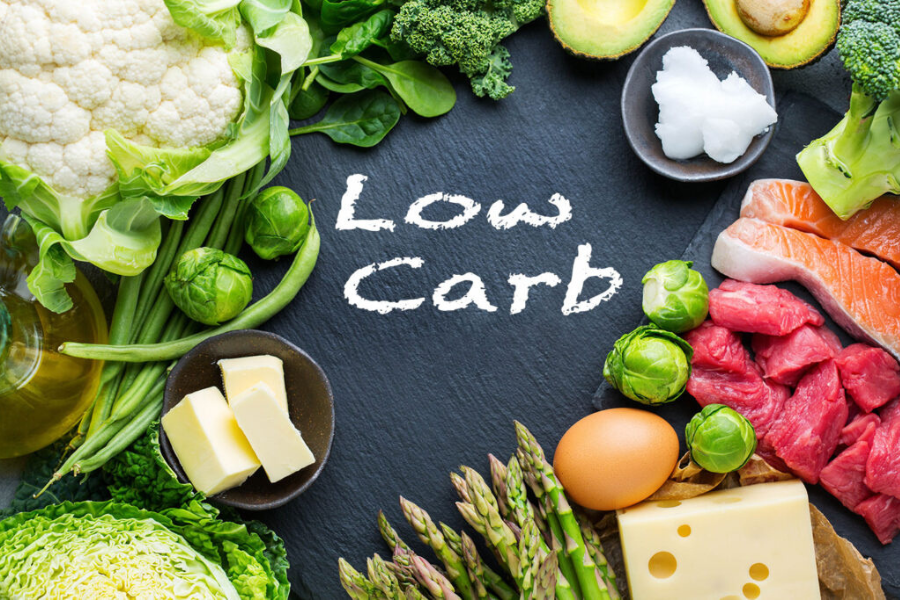
A low carb diet and diabetes might sound like a big lifestyle shift, but it can be one of the most powerful tools you have to improve blood sugar, lose weight, and reduce your risk of complications. The key is understanding what “low carb” really means, how it affects your body, and how to do it safely with diabetes.
Below, you will find clear explanations, what the research actually shows, and practical steps you can use in daily life.
How a low carb diet works with diabetes
Carbohydrates break down into glucose, which raises your blood sugar. When you eat fewer carbs, you give your body a smaller “sugar load” to deal with at each meal.
For type 2 diabetes, this can help in two big ways:
- You lower the amount of glucose entering your bloodstream at once.
- Over time, weight loss and lower insulin demand can improve insulin resistance.
A 2025 systematic review of low carbohydrate and ketogenic diets in adults with type 2 diabetes found consistent reductions in HbA1c, body weight, BMI, and systolic blood pressure over follow ups of one to eight years (PubMed). In other words, when people stuck with lower carb eating, they tended to have better blood sugar and overall metabolic health.
Researchers also saw that people often needed fewer diabetes and blood pressure medications while following low carb or keto diets (PubMed). This does not mean you should stop medication on your own, but it does show how strongly your food choices can support medical treatment.
What counts as a low carb diet?
“Low carb” is a flexible term, which is why definitions can be confusing.
Here are general ranges used in research and by diabetes organizations:
- Moderate low carb: Under 130 grams of carbs per day. Diabetes UK describes a low carb diet as less than 130 grams per day and notes that this can help people with type 2 diabetes manage weight, blood sugar, and heart disease risk in the short term (Diabetes UK).
- Low carb by percentage: Less than 26 percent of daily calories from carbohydrates. A 2021 BMJ meta analysis found that this level of carb restriction over six months was more likely than other diets or usual diet to reduce A1C below 6.5 percent or fasting glucose below 126 mg/dL (American Academy of Family Physicians).
- Very low carb or ketogenic: Often less than 10 percent of calories from carbs, sometimes as low as 20 to 40 grams per day. Very low carb diets have a long history in diabetes management and many studies show they can improve blood sugar control and reduce medication needs, at least for those who can maintain them (Healthline).
You do not have to jump straight to an ultra low carb or strict keto plan to see benefits. For many people with diabetes, simply reducing sugars and refined carbs and moving toward the lower end of the recommended carb range is enough to improve numbers.
What the research says about blood sugar and remission
If you are wondering whether a low carb diet can genuinely change the course of your diabetes, the evidence is encouraging but nuanced.
Short to medium term results
A 2021 meta analysis of 23 randomized controlled trials found that people with type 2 diabetes on low carb diets had:
- Greater chances of achieving A1C below 6.5 percent
- Greater odds of lowering fasting blood sugar under 126 mg/dL
- More frequent diabetes remission at six months, with an additional 32 remissions per 100 patients and a number needed to treat of 4 (American Academy of Family Physicians)
Another randomized trial in 2023 followed 150 overweight adults with untreated prediabetes or mild diabetes. Those on a very low carb diet, initially under 40 grams of carbs per day and later under 60 grams, saw significant drops in A1C and fasting glucose compared with a usual diet, plus an average weight loss of about 13 pounds over six months (Harvard Health Publishing).
These blood sugar improvements roughly translated to a 60 percent lower risk of developing diabetes in the next three years for the low carb group (Harvard Health Publishing).
Longer term and remission durability
In the 2025 systematic review of low carb and ketogenic diets, diabetes remission rates were highest at one year, reaching up to 62 percent in some studies, but fell to about 13 percent after five years (PubMed). This shows two important realities:
- Yes, remission is possible for many people, especially in the first year.
- Staying in remission is difficult and often depends on maintaining your eating pattern over time.
Some trials from 2010 to 2015 also found early advantages in HbA1c reduction with low carb diets, but when researchers looked at follow ups up to 24 months, low carb diets did not consistently outperform higher carb diets that were designed for weight loss (Diabetes Therapy).
The takeaway for you: low carb eating can be a powerful way to improve blood sugar, especially in the first 6 to 12 months. Long term success will likely depend on whether you can find a version that fits your life and that you can stick with.
Weight loss, heart health, and other benefits
For type 2 diabetes, weight loss is often a central goal. Losing about 15 kilograms, or roughly 33 pounds, within three to five months can greatly increase your chances of putting diabetes into remission, particularly if this happens within six years of diagnosis (Diabetes UK).
Low carb diets frequently support this goal:
- Studies from 2010 to 2015 reported weight loss ranging from 1.7 to 12 kilograms on low carb diets in people with type 2 diabetes (Diabetes Therapy).
- Over six months, very low carb diets led to weight loss and lower triglycerides, though the weight loss effect tended to fade by 12 months when adherence declined (American Academy of Family Physicians).
Cardiovascular risk factors also tend to improve, although low carb diets are not clearly superior to other structured diets:
- Both low and higher carb weight loss diets usually reduced blood pressure and improved lipids, with only a few studies showing larger triglyceride or LDL changes with low carb plans (Diabetes Therapy).
An important point for you is that, in many studies, both groups improved. That suggests that intentional, supported changes to how you eat, whether low carb or more balanced, are better than doing nothing. Low carb is one strong option, especially if it feels easier for you to say “no” to bread and sweets than to count every calorie.
Plant based vs animal based low carb
Not all low carb diets are equal. What you replace carbs with really matters, especially for long term risk.
An analysis presented at an American Heart Association conference looked at over 200,000 adults over 30 years. It found that among people eating fewer carbs:
- Those who focused on plant based proteins and fats had a 6 percent lower risk of type 2 diabetes overall, and those who also minimized sugar and refined carbs had a 15 percent lower risk (American Heart Association News).
- Those who emphasized animal protein and fat had a 35 percent higher risk of type 2 diabetes, which rose to 39 percent when they also ate fewer whole grains (American Heart Association News).
So if you decide to go low carb, it helps to:
- Prioritize beans, lentils, nuts, seeds, tofu, and olive oil.
- Be mindful with processed meats, large amounts of butter, and heavy cream.
Quality matters as much as quantity.
Keto vs Mediterranean style low carb
You might be curious whether you need a strict ketogenic diet or if a gentler low carb pattern will work.
A 2022 Stanford study compared a very low carb ketogenic diet with a more moderate carb Mediterranean diet in adults with type 2 diabetes or prediabetes. After several months:
- Both groups had similar drops in blood sugar and weight. HbA1c fell by 9 percent on keto and 7 percent on the Mediterranean diet (Stanford Medicine).
- The ketogenic diet reduced triglycerides more, but it also raised LDL cholesterol, while the Mediterranean diet lowered LDL cholesterol (Stanford Medicine).
- Participants generally found the Mediterranean diet easier to maintain and three months after the study, most people were eating closer to a Mediterranean pattern than strict keto (Stanford Medicine).
This suggests you have options. If cutting out nearly all grains, fruit, and legumes sounds unrealistic, you can still get meaningful benefits with a Mediterranean style low carb approach that includes:
- Plenty of vegetables and some fruit
- Whole grains in modest portions
- Olive oil, nuts, seeds, and fish
- Limited sugars and refined starches
You do not have to choose the most extreme version of low carb to make progress.
Who should be cautious with low carb?
While low carb diets are generally considered safe for most people with type 2 diabetes in the short term, there are important caveats.
- Type 1 diabetes: There is not strong evidence that low carb is safe or clearly beneficial for type 1 diabetes. Major organizations like Diabetes UK recommend focusing on carbohydrate counting instead so that insulin doses can be matched to what you eat (Diabetes UK).
- If you use insulin or certain medications: If you lower your carb intake but do not adjust medications like insulin or sulfonylureas, you can develop low blood sugar. Diabetes UK specifically advises speaking with your healthcare team before starting a low carb diet so they can adjust doses and help you avoid hypoglycemia (Diabetes UK).
- Side effects at the start: You might notice constipation, bad breath, or fatigue early on. These are usually short term and can be managed by choosing high fiber carbs, drinking enough water, and including plenty of non starchy vegetables (Diabetes UK).
The American Diabetes Association also emphasizes that there is no single ideal carb target for everyone. They recommend personalizing your carb intake to your preferences, blood sugar patterns, and health goals, ideally with support from a dietitian or diabetes educator (Healthline).
If you take insulin or medications that can cause low blood sugar, never make big dietary changes or carb cuts without medical guidance.
Practical steps to start a low carb approach
You do not have to overhaul your entire diet overnight. You can move toward a low carb pattern in stages that feel manageable.
-
Start with the “big carbs”
Look first at sugary drinks, desserts, white bread, white rice, and large pasta portions. Replacing these with water, unsweetened drinks, non starchy vegetables, and smaller whole grain servings can make a rapid difference in blood sugar. -
Aim for a daily carb range, not perfection
Many people find it easier to set a carb range, such as 80 to 130 grams per day, and see how blood sugar responds. Over time, you can decide whether you feel better slightly higher or lower. -
Plan your proteins and fats
Balance your plate with lean proteins like fish, poultry, tofu, Greek yogurt, or eggs, along with healthy fats such as avocado, nuts, seeds, and olive oil. This combination keeps you full and reduces cravings for high carb snacks. -
Fill up on low carb vegetables
Non starchy vegetables like leafy greens, broccoli, cauliflower, zucchini, and peppers add volume and fiber with minimal carbs. They are your best friends on a low carb plan. -
Track your blood sugar closely at first
Especially in the first few weeks, check your blood glucose more often. This helps you and your care team adjust your medications and fine tune your carb level. -
Check in with your healthcare team
Bring them into the process early. Let them know your goals, ask how low carb could fit into your treatment plan, and request referrals to a registered dietitian if possible.
The bottom line: Is a low carb diet right for you?
A low carb diet and diabetes can absolutely go together, and for many people this approach improves blood sugar, supports weight loss, and reduces medication needs. The strongest results tend to appear in the first 6 to 12 months, especially when you get support and stick with the plan.
What matters most for you is:
- Choosing a carb level that is realistic to maintain
- Emphasizing high quality, mostly plant based proteins and fats
- Staying in close contact with your healthcare team, especially if you use insulin or medications that raise hypoglycemia risk
- Viewing low carb eating as one flexible tool among several, not an all or nothing rule
If you are ready to explore this approach, you might start with one meal today. Swap a refined carb side for extra vegetables and a bit more protein, then watch how your blood sugar responds. Small consistent steps are what make long term change possible.
About the Author