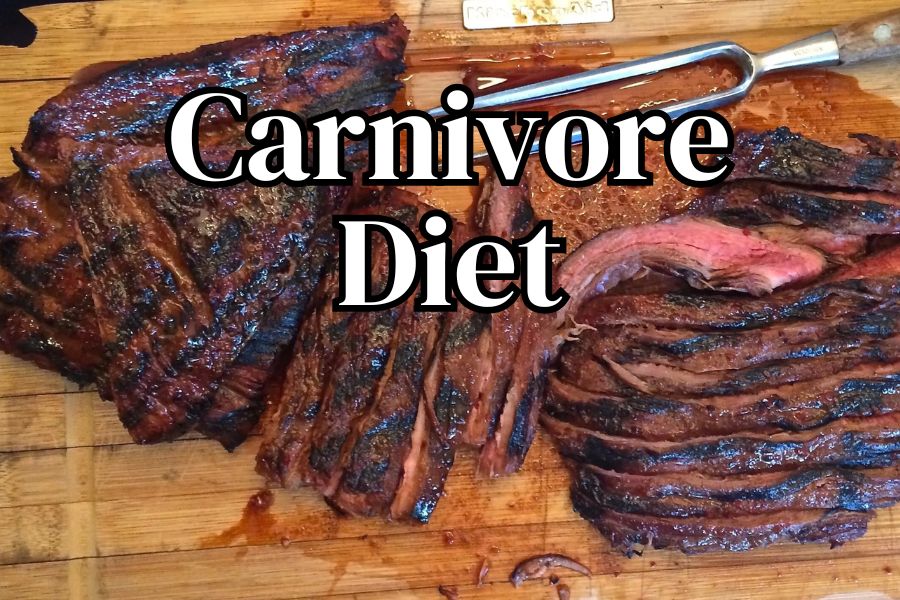
A carnivore diet can sound extreme at first. You eat only animal foods like meat, fish, eggs and some dairy, and you cut out all plant foods and carbohydrates. Before you decide whether the carnivore diet could change your life for the better, it helps to look closely at what it is, what people say they experience, and what current research actually shows.
You will see plenty of bold promises online. Your goal is to separate realistic possibilities from risky hype so you can make a choice that truly supports your long‑term health.
Understand what the carnivore diet really is
On a carnivore diet, you focus on animal-based foods and avoid plant foods entirely. That means no fruits, vegetables, grains, legumes, nuts, or seeds at all. You eat meat, poultry, fish, seafood, eggs, and usually some dairy like cheese and butter if you tolerate it well. This is why you will often see it called a “zero carb” or “all meat” diet (Harvard Health Publishing, Healthline).
Most of your calories come from fat and protein. In practice, many carnivore meal plans provide about 60 to 80 percent of energy from fat and 20 to 40 percent from protein, with carbohydrates under 5 percent of your total energy intake (Nutrients via PubMed Central). Because carbohydrate intake is so low, your body begins burning fat and producing ketones for fuel, a metabolic state called ketosis (Harvard Health Publishing).
It is useful to think of the carnivore diet as a very strict version of a ketogenic diet. Keto usually allows a small amount of carbohydrates, often up to 50 grams per day, while carnivore aims for almost none (Baylor Scott & White Health).
Learn the potential upsides people talk about
Supporters share a wide range of positive experiences. While these are mostly anecdotal, understanding them helps you see why the carnivore diet appeals to many people.
Weight loss and appetite control
You may lose weight on a carnivore diet for a few reasons. High protein and high fat meals are very filling, so you might naturally eat fewer calories without trying to restrict portions. This can lead to reduced hunger and easier portion control (Healthline, Saint Alphonsus).
Some surveys of people who chose the carnivore diet report weight loss and improved body mass index, although these studies rely on self-reported data and do not include objective medical testing (Center for Nutrition Studies). In other words, people say they lose weight and often feel better in the short term, but rigorous clinical data is still lacking.
Steadier energy and fewer cravings
If you struggle with blood sugar swings or frequent carb cravings, you might notice steadier energy because you remove most sugar and refined carbohydrates. Many followers say their mental clarity improves and that they experience fewer cravings once their body adapts to using fat and ketones for fuel (Inspira Health Network, Saint Alphonsus).
The key point is that you are cutting out a lot of ultra‑processed food. Any pattern that removes sugary drinks, sweets, and fast food is likely to improve how you feel, at least at first.
Simplicity of eating
For some people, a simple “yes or no” food list is a relief. You do not count calories, track macros, or plan complicated recipes. You choose meat, fish, eggs, and maybe some dairy and that is it. This clear structure can feel easier to follow than more flexible plans with many rules and exceptions (Baylor Scott & White Health).
If you are overwhelmed by nutrition advice, this simplicity can be very appealing. The tradeoff is that you give up a great deal of variety to get that simplicity.
Weigh the real and potential risks
To decide if the carnivore diet might change your life for the better, you also need a clear view of the downsides. Major medical organizations and dietitians consistently raise serious concerns about this way of eating.
Nutrient gaps and lack of fiber
When you remove all plant foods, you remove an entire category of nutrients that are hard to replace with meat alone. Analyses of theoretical carnivore meal plans show that while you can meet some nutrient needs, such as riboflavin, niacin, zinc, vitamin B6, vitamin B12, selenium, and vitamin A, you often fall short in others, including thiamin, magnesium, calcium, vitamin C, and sometimes iron, folate, iodine, and potassium (Nutrients via PubMed Central).
Fiber is also a major concern. Only plant foods provide dietary fiber. Without it, you are at higher risk for constipation, poor gut health, and potentially a higher risk of heart and circulatory problems over time (British Heart Foundation). Fiber plays a role in lowering bad cholesterol, supporting digestion, and reducing the risk of certain cancers (British Heart Foundation, Healthline).
Some researchers suggest that specific compounds in meat might partially spare your need for vitamin C, but this idea still requires more evidence (Nutrients via PubMed Central). Until high‑quality studies are done, you should assume vitamin C is a real concern on a strict carnivore diet.
Heart and kidney health concerns
The carnivore diet tends to be high in saturated fat and cholesterol, especially if you rely on red and processed meats. These types of fat are associated with increased LDL, or “bad,” cholesterol, and over time this can raise your risk of heart disease and stroke (Harvard Health Publishing, British Heart Foundation).
The British Heart Foundation notes that large amounts of red and processed meat can raise blood pressure and heart disease risk, and the NHS recommends limiting these meats to 70 grams or less per day, which is very difficult to do on a typical carnivore plan (British Heart Foundation).
Your kidneys also have to process the extra protein. Very high protein intake over time can increase the risk of kidney stones, gout, osteoporosis, and potentially impaired kidney function, especially if you already have kidney issues (Harvard Health Publishing).
Long‑term unknowns
A major challenge is that rigorous long‑term research on the carnivore diet simply does not exist yet. The term “carnivore diet” only appeared in a scientific paper title in 2020, and most existing evidence comes from self-reported surveys and anecdotal stories (Center for Nutrition Studies).
Surveys of followers show many people reporting improvements in weight, blood sugar, or other symptoms, but these responses are not verified with medical tests, and they often exclude people who quit the diet due to negative effects (British Heart Foundation, Center for Nutrition Studies). This makes it hard to know what really happens over several years.
Because of these gaps, major institutions like the Cleveland Clinic, British Heart Foundation, Baylor Scott & White Health, and Harvard Health Publishing do not recommend the carnivore diet as a safe long‑term approach, especially when better-studied plans like the Mediterranean diet are available (Cleveland Clinic, British Heart Foundation, Baylor Scott & White Health, Harvard Health Publishing).
If your main goal is long‑term health, most dietitians recommend a balanced pattern with plenty of plant foods instead of a highly restrictive all‑animal approach.
Explore safer ways to get similar benefits
If you are drawn to the carnivore diet because you want weight loss or better health, you can take key ideas from it without going to such extremes.
Prioritize whole, minimally processed foods
One reason people feel better initially is that they stop eating ultra‑processed snacks, sugary drinks, and refined grains. You can do this without removing all plant foods. Start by filling your plate with:
- Lean meats, poultry, fish, and eggs
- Plenty of vegetables and some fruit
- Whole grains like oats, brown rice, or quinoa
- Healthy fats from olive oil, nuts, and seeds
This kind of pattern lines up with what many dietitians and organizations recommend for sustainable health, in contrast to a strict carnivore diet (Cleveland Clinic, Inspira Health Network).
Consider a less restrictive low‑carb approach
If controlling carbs helps you manage appetite or blood sugar, a moderate low‑carb or standard ketogenic diet can offer structure while still allowing nutrient‑dense plant foods. This gives you the potential benefits of fat burning and steadier energy, with far less risk of nutrient deficiencies.
You might:
- Reduce added sugars and refined starches
- Keep some fiber‑rich vegetables at each meal
- Include berries or low‑sugar fruits in small portions
- Choose unsweetened dairy, nuts, and seeds for variety
This middle ground might support weight loss and better energy without fully committing to an all‑meat lifestyle.
Decide if and how carnivore fits into your life
Ultimately, only you and your healthcare team can decide what is right for your body. Before you try a carnivore diet, especially for more than a brief experiment, it is important to think through your situation honestly.
Questions to ask yourself
As you weigh your options, you might ask:
- Do you have any existing health conditions, such as diabetes, heart disease, high blood pressure, kidney problems, or high cholesterol?
- Are you pregnant, breastfeeding, or planning to become pregnant, or are you supporting a child or teen? These groups have specific nutrient needs and usually should not follow restrictive eating patterns (Healthline, WebMD).
- Can you see yourself eating this way for more than a few weeks without feeling deprived or socially isolated?
- Are you prepared to monitor lab work and work closely with a registered dietitian or doctor if you continue the diet longer term?
If you answer “no” to these questions, a less extreme strategy that still reduces processed foods and added sugar is likely a better fit.
Work with a professional
If you are still curious and want to try a carnivore diet, involve your healthcare provider or a registered dietitian from the start. They can help you:
- Screen for medical conditions that could make the diet risky
- Plan meals that include nutrient‑dense choices like organ meats, eggs, and dairy to reduce deficiencies (Saint Alphonsus, Nutrients via PubMed Central)
- Decide whether you need supplements for nutrients like vitamin C, magnesium, calcium, or potassium
- Set a specific time frame and schedule follow‑up labs to monitor cholesterol, kidney function, and other markers
Experts from multiple organizations encourage you to check in with a clinician before adopting such a restrictive plan, especially because its long‑term safety is not known yet (Inspira Health Network, WebMD).
Key takeaways
If you are hoping the carnivore diet will change your life for the better, it might help you lose weight in the short term and feel more in control of your eating. Removing processed foods and added sugar, eating enough protein, and simplifying your choices can all contribute to those changes.
At the same time, current evidence shows clear downsides and unknowns. Cutting out all plant foods makes nutrient deficiencies and lack of fiber very likely and may raise your risk of heart and kidney problems over time (Cleveland Clinic, British Heart Foundation, Harvard Health Publishing).
You do not have to choose between “all meat” and “no change.” You can start improving your health today by cutting back on ultra‑processed foods, adding more whole foods, and finding a way of eating that feels both effective and sustainable for you. If you are still interested in experimenting with carnivore, make it a joint project with your doctor or dietitian so any benefits you gain do not come at the cost of your long‑term health.
About the Author