A solid glute workout at home does more than build a rounder butt. Strong glutes support your hips and spine, help you lift and carry safely, and make everyday movement feel easier. You can train them effectively in your living room using just your body weight, no equipment or fancy setup required.
Below, you will learn how your glutes work, how to warm up properly, the best no‑equipment exercises to try, and simple ways to structure a glute workout at home that actually delivers results.
Understand why your glutes matter
Your glutes are not just one muscle. They are a team of three working together every time you walk, climb stairs, or stand up from a chair.
- Gluteus maximus is the largest muscle and gives your butt most of its shape. It powers hip extension, like when you stand up or push your hips forward.
- Gluteus medius helps rotate your leg and stabilize your pelvis when you stand on one leg, which is essential for balance.
- Gluteus minimus also assists with rotation and stability, working closely with the medius.
Strong glutes help you:
- Maintain good posture and pelvic alignment
- Protect your lower back by sharing the load during lifting
- Move with better control in sports and everyday life
Peloton trainers note that strong glutes support your hips, legs, and torso and can help prevent or ease lower back pain by improving weight distribution and alignment. That means a consistent glute workout at home is not just about aesthetics, it is about long term comfort and mobility.
Prepare for your glute workout at home
Before you jump into squats or bridges, prepare your muscles and joints so they can work safely and efficiently.
Start with a simple warmup
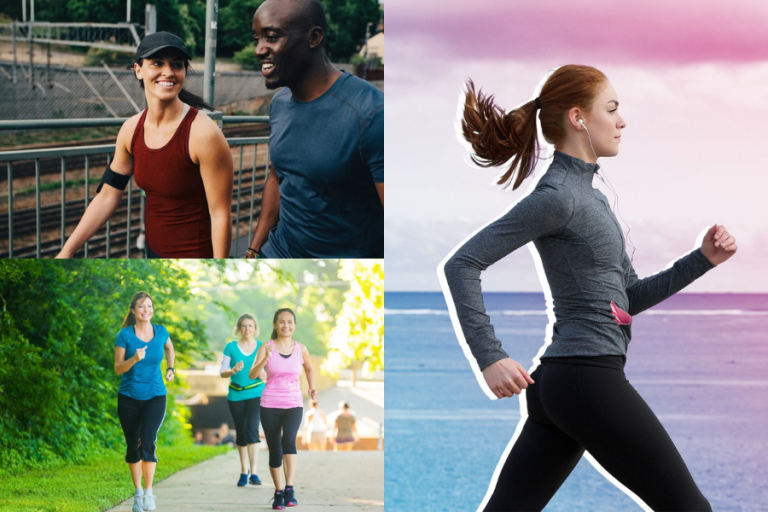
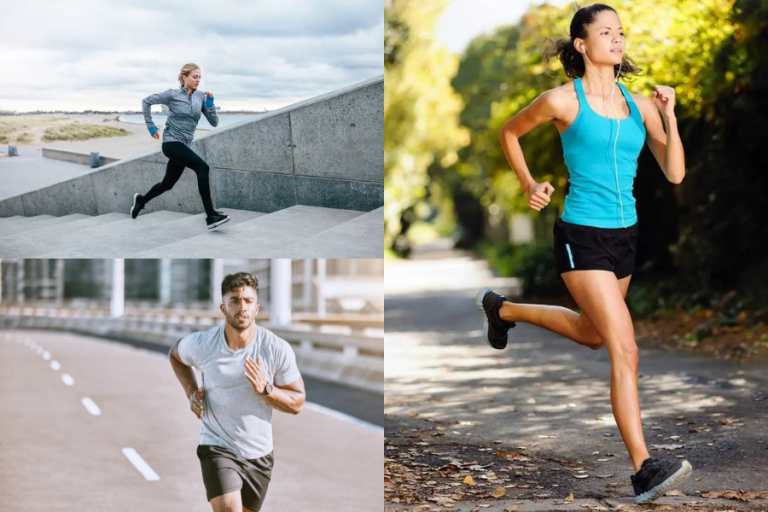
Aim for about 10 minutes of light to moderate cardio to increase blood flow and raise your body temperature. You can try:
- Power walking in place or around your home
- Light jogging
- Easy cycling on a stationary bike
- Dancing to a favorite song
This type of warmup helps wake up your legs and hips so your glutes can fire more effectively during the workout.
Add glute activation drills
Glute activation exercises are small, focused movements that teach your glutes to “switch on” before heavier work. Peloton experts explain that these drills engage the gluteus maximus, medius, and minimus and prepare them for more complex movements, while also improving your mind muscle connection.
You can include a few of these activation moves after your cardio warmup:
- Side lying clamshells
- Side lying leg raises
- Bodyweight hip thrusts or glute bridges
- Standing hip abductions
- Single leg glute bridges
Spend 30 to 45 seconds on each exercise, focusing on feeling your glutes contract instead of letting your lower back or thighs take over.
Learn key principles for glute gains
To make progress with a glute workout at home, you will rely on a few simple training principles instead of heavy weights.
Focus on time under tension
Your muscles respond to how long they are working, not just how many reps you count. Slowing down movements or adding short holds keeps your glutes under tension for longer.
For example, squat pulses involve dropping into a squat and pulsing at the bottom without standing all the way up. This extended time under tension can intensify the work and lead to better strength and muscle gains, even without weights.
Use higher reps and slower tempo
Gymshark notes that bodyweight glute exercises can build both strength and size, especially for beginners, when you emphasize higher repetitions, isometric holds, and slower tempos. Instead of 8 to 10 heavy reps, you might do 15 to 20 controlled reps and really feel the burn.
Try counting slowly on the way down in each move, for example 3 seconds to lower and 1 second to rise, to increase the challenge.
Apply progressive overload without equipment
You might wonder how to keep progressing without adding weight. Progressive overload simply means asking your muscles to do a bit more over time. Gymshark recommends several strategies for bodyweight training:
- Increase repetitions
- Reduce rest time between sets
- Add isometric holds at the hardest part of the movement
- Use single leg or unilateral variations
With consistent training twice a week, beginners can see noticeable glute growth in about six weeks, especially when they steadily make the workout more challenging.
Glute specialist Bret Contreras also suggests that training your glutes around 3 times per week is a good starting point for most people, with some individuals thriving on 2 sessions and others on up to 6, depending on volume, recovery, and goals.
Try these no‑equipment glute exercises
You can build an effective glute workout at home by mixing compound moves, which use multiple joints, with more targeted isolation exercises. The following moves draw from guidance by Gymshark and Peloton trainers.
1. Air squats
Air squats work your gluteus maximus, quads, and hamstrings and are a great foundation move.
- Stand with feet about hip to shoulder width apart, toes slightly turned out.
- Sit your hips back and bend your knees as if you are lowering into a chair.
- Keep your chest lifted and your weight mainly in your heels.
- Lower until your thighs are at least parallel to the floor if your mobility allows.
- Push through your heels to stand, squeezing your glutes at the top.
Aim for 15 to 20 reps with a controlled pace.
2. Crab walks
Crab walks target the gluteus medius and minimus, which help with hip stability and lateral movement.
- Assume a quarter squat position with your hips back and knees soft.
- Step your right foot out to the side, then bring your left foot in so your stance returns to hip width.
- Continue stepping sideways for 8 to 10 steps, then switch directions.
Stay low to keep your glutes working. You can add a mini band above your knees in the future if you have one, but it is not required.
3. Single leg Romanian deadlifts
Single leg RDLs are excellent for balance, hip stability, and glute engagement on each side.
- Stand tall, then shift your weight into your right foot.
- Hinge at your hips, sending your left leg straight back as your torso leans forward.
- Keep a slight bend in your standing knee and your back flat.
- Lower until you feel a stretch in your right hamstring, then drive through your heel to return to standing.
- Squeeze the right glute at the top.
Perform 10 to 12 reps per leg. Move slowly to maintain control.
4. Glute bridges
Glute bridges isolate your gluteus maximus and teach you to extend your hips without overusing your lower back.
- Lie on your back with knees bent and feet flat on the floor, hip width apart.
- Brace your core and press your lower back gently into the floor.
- Drive through your heels to lift your hips until your body forms a straight line from shoulders to knees.
- Hold for 1 to 2 seconds, squeezing your glutes hard at the top.
- Lower slowly back down.
Start with 15 to 20 reps. To progress, add a longer hold at the top or try single leg bridges.
5. Split squats
Split squats challenge your balance and allow you to load each glute individually without equipment.
- Stand in a staggered stance, right foot forward and left foot back, both pointing straight ahead.
- Lower straight down by bending both knees, keeping your front knee stacked over your ankle.
- Drop until your back knee is close to the floor or as far as your mobility allows.
- Push through your front heel to return to the starting position.
Complete 10 to 12 reps per side. Focus on driving through the front glute.
6. Curtsy lunges
Curtsy lunges hit the outer glutes and help strengthen your hips in a slightly rotated position.
- Stand with feet hip width apart.
- Step your right leg diagonally back behind your left leg, as if you are performing a curtsy.
- Bend both knees and lower your hips, keeping your chest tall.
- Push through your front heel to return to standing and bring your right foot back to the start.
- Alternate sides or complete all reps on one side first.
Aim for 10 to 12 reps per leg, moving in a smooth and controlled way.
7. Clamshells
Clamshells are a small but powerful move for the gluteus medius and minimus, key players in hip stability.
- Lie on your side with knees bent at about 90 degrees and stacked.
- Keep your feet together and hips stacked one over the other.
- Keeping your feet touching, lift your top knee away from the bottom knee without rolling your hips back.
- Pause briefly at the top, then lower with control.
Perform 15 to 20 reps per side. You can add a mini band above your knees later for extra resistance.
Build a simple glute workout at home
Once you know the moves, you can put them together into a structured workout. Gymshark suggests several effective formats using only bodyweight: circuits, Tabata, or supersets.
Here is one way to organize your session three different ways using the same exercises.
Use the same set of moves and simply change the structure to keep your workouts fresh and challenging.
Option 1: Glute circuit
Perform each exercise back to back, then rest briefly and repeat the full circuit.
- Air squats, 15 to 20 reps
- Crab walks, 10 steps each direction
- Single leg Romanian deadlifts, 10 to 12 reps per leg
- Glute bridges, 15 to 20 reps
- Split squats, 10 to 12 reps per leg
- Curtsy lunges, 10 to 12 reps per leg
Rest 60 to 90 seconds after the last exercise, then repeat the circuit 3 to 5 times depending on your fitness level.
Option 2: Tabata style
Tabata is a form of interval training that uses short bursts of effort and brief rest periods. Gymshark suggests that this 20 seconds on, 10 seconds off structure can be very effective with bodyweight glute moves.
Try this format:
- Work: 20 seconds of one exercise
- Rest: 10 seconds
- Repeat each exercise for 4 rounds before moving on
Example Tabata block:
- Block 1: Air squats
- Block 2: Glute bridges
- Block 3: Split squats
- Block 4: Curtsy lunges
This will give you about 16 minutes of focused work, not counting a warmup and cool down.
Option 3: Strength focused supersets
Supersets pair two exercises back to back with minimal rest to increase time under tension.
Try pairing:
- Superset A: Air squats + glute bridges
- Superset B: Split squats + clamshells
- Superset C: Single leg RDLs + crab walks
For each superset:
- Do 15 to 20 reps of exercise 1.
- Move immediately to 15 to 20 reps of exercise 2.
- Rest 45 to 60 seconds.
- Repeat 3 times before moving on to the next superset.
Cool down and support your results
Finish your glute workout at home with a short cool down. A few minutes of gentle stretching, such as a lying hamstring stretch, figure four or piriformis stretch, and a simple hip flexor stretch, can help you feel better after your session and maintain mobility.
To keep seeing progress:
- Aim for 2 to 3 glute focused sessions per week for general health, or up to 3 to 4 sessions for more muscle growth, as long as you recover well.
- Gradually increase difficulty by adding reps, slowing tempo, using holds, or choosing more single leg variations.
- Pay attention to form so your glutes stay in charge rather than your lower back or quads.
With a bit of structure and consistency, you can turn a small patch of floor into an effective at home glute training space. Start with just a few of the moves above, focus on feeling your glutes work, and build from there as they get stronger week by week.
About the Author