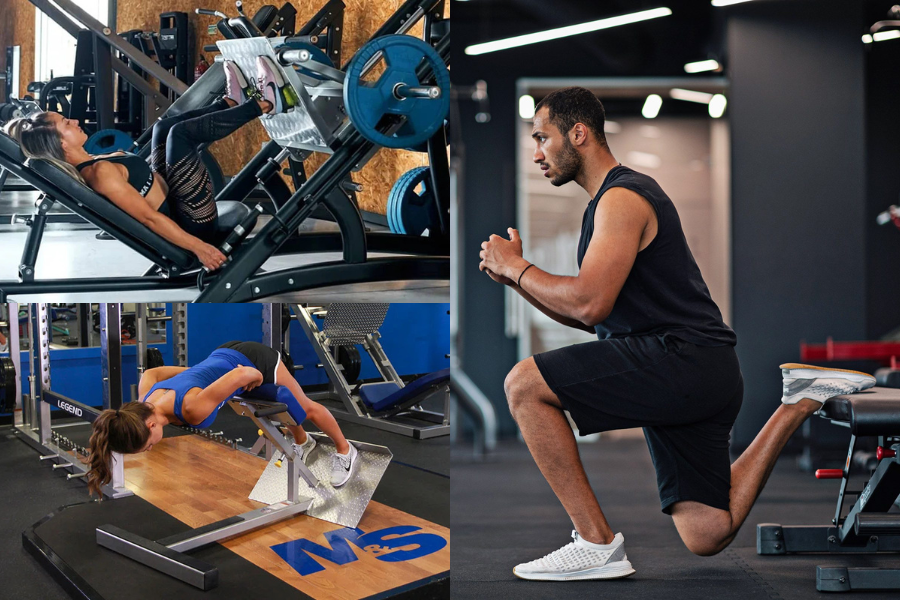
A strong glute and hamstring workout does more than just change how your jeans fit. It supports your hips, knees, and lower back, helps you move with ease, and can even improve your athletic performance and metabolism over time. When you target your glutes and hamstrings together, you train the entire back side of your body, also called your posterior chain, so everything works as a team.
Below, you will learn how your glutes and hamstrings actually work, why they matter for daily life, and how to build an effective workout you can follow even as a beginner.
Understand your glutes and hamstrings
Your glutes and hamstrings are not just “butt and back-of-leg.” They are groups of powerful muscles that help you sit, stand, walk, and run.
Glutes: your hip powerhouses
Your glutes are made up of three main muscles:
- Gluteus maximus
- Gluteus medius
- Gluteus minimus
These muscles originate from your pelvis (ilium and sacrum) and attach to your thigh bone (femur). Together, they:
- Extend your hips, like when you stand up from a chair, climb stairs, jump, or sprint
- Abduct and rotate your hip, which helps stabilize your pelvis when you walk or stand on one leg
- Support your lower back by keeping your hips aligned
The gluteus maximus is the largest and most powerful hip extensor. It gives your hips and butt their overall shape and is especially important for explosive movements like jumping and sprinting.
Hamstrings: your back-of-thigh support
Your hamstrings are a group of four muscles that run from your sit bones to the back of your knee:
- Semitendinosus
- Semimembranosus
- Long head of the biceps femoris
- Short head of the biceps femoris
These muscles cross the hip and knee, which means they:
- Extend the hip, helping your glutes when you stand up or push off while running
- Flex the knee, like when you bend your leg to climb stairs or kick a ball
- Help decelerate your leg while running and absorb impact to protect your knees and hips
Strong, well conditioned hamstrings play a big role in preventing common running and jumping injuries and help stabilize your knees in everyday movements. Research in Current Sports Medicine Reports has linked strength based hamstring workouts with a reduced risk of injury, especially in running and field sports.
Why you should train glutes and hamstrings
A good glute and hamstring workout benefits more than your appearance. It has wide reaching effects on your health, performance, and daily comfort.
When you build muscle mass in your glutes and hamstrings, you can:
- Support your lower back while bending, lifting, and standing for long periods
- Reduce stress on your knees and hips during walking, running, and stair climbing
- Improve overall athletic performance in activities like sprinting, jumping, and lifting
- Increase metabolic rate and insulin sensitivity
- Support healthy blood pressure, stronger bones, and more resilient ligaments
- Potentially boost mood, confidence, and overall mental health, according to guidance shared by Nutrisense in 2024
In simple terms, strong glutes and hamstrings help you move better, feel more stable, and stay more active with less pain.
How often to do a glute and hamstring workout
You do not need to spend hours in the gym every day to see results. The key is consistency and the right mix of exercises.
Glute training expert Bret Contreras suggests that most people do well training their glutes about 3 times per week. However, effective programs can work with as few as 2 or as many as 6 sessions weekly, depending on your genetics, exercise selection, volume, and recovery needs.
For most people, a simple starting point is:
- 2 to 3 glute and hamstring focused workouts per week
- At least 1 day of rest or light activity between sessions for recovery
If you are new to strength training or returning after a break, you might start with 2 days per week and add a third day once your body feels ready.
Common mistakes that limit your results
Before you jump into a new routine, it helps to know what often goes wrong with glute and hamstring training.
Letting other muscles take over
You might think you are doing a glute and hamstring workout, but your quads or lower back are doing most of the work. Common issues include:
- Squatting with a very upright torso, which loads your quads more than your posterior chain
- Hyperextending your lower back at the top of hip thrusts instead of squeezing your glutes
- Using momentum on leg curls instead of controlled motion through the hamstrings
To fix this, focus on feeling your glutes and hamstrings contract. Slow your reps down and keep tension in the target muscles instead of rushing through the movement.
Relying only on squats
Squats are excellent compound exercises, but they mainly target your quadriceps. Research shows they do not significantly lengthen the hamstrings, so hamstring activation is limited. If your lower body training is just squats, leg presses, and lunges, your hamstrings are probably under trained.
A balanced routine should include hip hinge movements, such as deadlifts and Romanian deadlifts, along with hip thrusts and curls to specifically load the back of the body.
Ignoring flexibility and recovery
Tight hamstrings and glutes can limit your form and increase your risk of strain. Regular stretching and rest days help your muscles perform better and recover between workouts. Nutrisense recommends gentle stretching and structured warm ups around glute and hamstring workouts to support mobility and reduce injury risk.
Warm up before your workout
A proper warm up prepares your muscles and joints so you can lift more effectively and safely. Aim for about 10 minutes.
You can follow a simple sequence similar to Nutrisense’s beginner friendly routine:
-
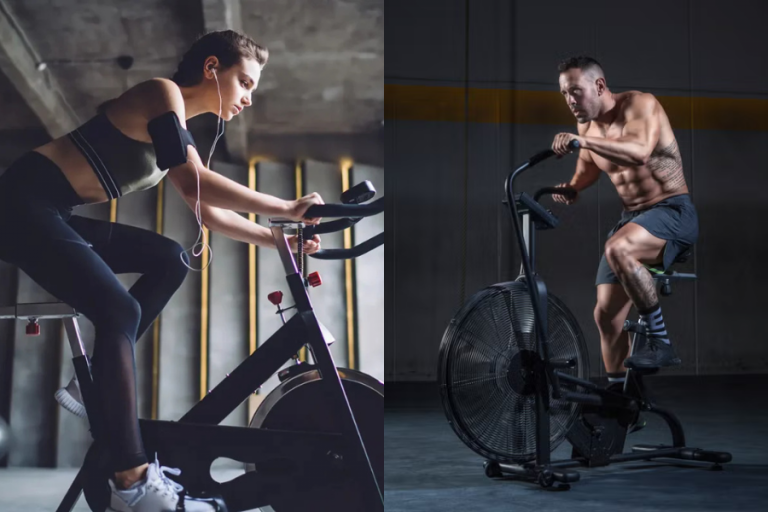
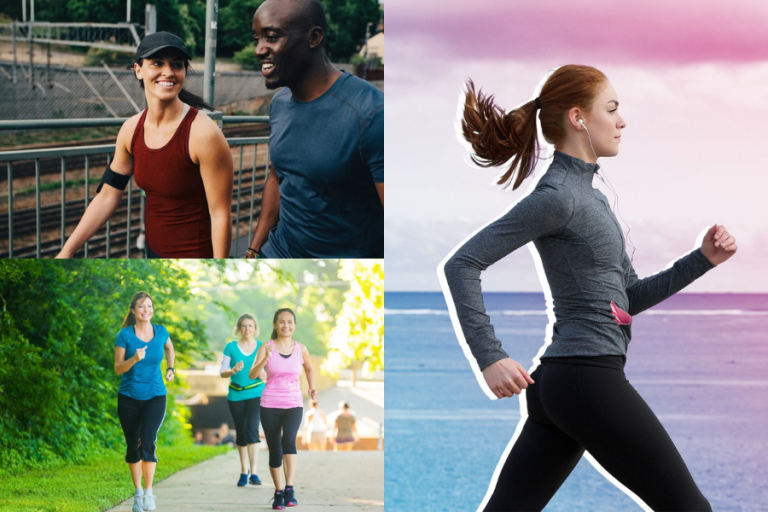
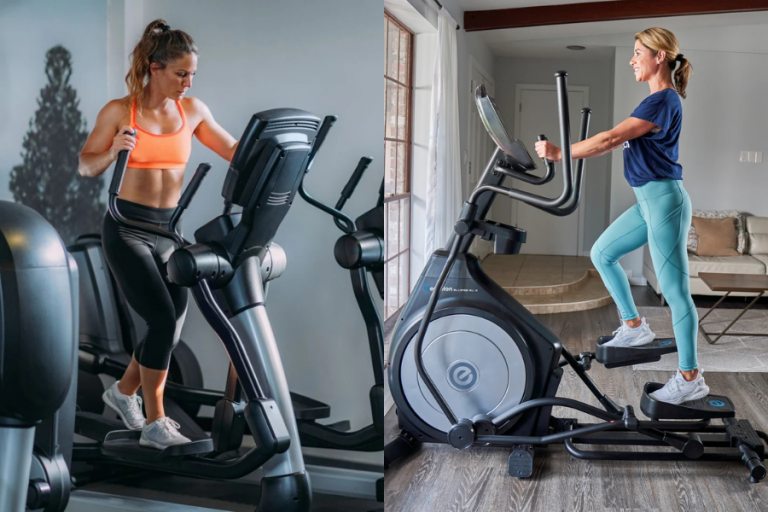
Light cardio, 5 to 10 minutes
Walk, cycle, or use an elliptical at an easy pace to increase blood flow. -
Dynamic mobility and activation, 5 to 8 minutes
- Knee hugs or high marches for hip mobility
- Bodyweight glute bridges to wake up your glutes
- Lunges with elbow to instep to open your hips
- Gentle hip flexions or leg swings to loosen your hamstrings
Move steadily, not quickly, and stay in a pain free range of motion.
Key exercises for glutes and hamstrings
You will get the best results from a mix of compound and isolation exercises. Compound lifts train many muscles at once, while isolation movements let you focus on specific areas that may lag behind.
For balanced development, combine hip hinge exercises, bridges or hip thrusts, and at least one form of hamstring curl in your weekly routine.
Compound lifts
These movements build strength and muscle in both your glutes and hamstrings while also engaging your core and back.
Conventional or sumo deadlifts
Deadlifts are often called one of the best tools for hamstring and posterior chain growth. They:
- Load your hamstrings and glutes heavily as you extend your hips
- Train your grip, core, and upper back at the same time
- Translate well to daily movements like picking things up off the floor
Start light and focus on a flat back, tight core, and driving through your heels as you stand. A common strength building range is 3 sets of 6 to 8 reps.
Romanian deadlifts (RDLs)
Romanian deadlifts emphasize the eccentric, or lowering phase. With a soft knee bend and a strong hip hinge, you feel a deep stretch in your hamstrings as you lower the weight, then use those same muscles to return to standing.
RDLs are excellent for:
- Building hamstring and glute size and strength
- Improving your conventional deadlift
- Training your hip hinge pattern safely
Many lifters use 3 sets of 6 to 8 controlled reps, with the bar or dumbbells lowering only as far as you can maintain a flat back.
Squats and step ups
Squats are more quad dominant, but they still involve the glutes and are useful in a well rounded plan. Step ups and Bulgarian split squats also challenge your glutes and hamstrings, especially when you push through your heel and keep your torso slightly inclined.
You can include one of these per workout to round out your lower body training.
Hip thrusts and bridges
Hip thrusts and bridges specifically target the gluteus maximus and also work the hamstrings.
- Glute bridges are often done on the floor with bodyweight or a light weight. They are great for beginners or as an activation exercise. A typical range is 3 sets of 10 reps.
- Barbell hip thrusts place your upper back on a bench with a barbell across your hips. This setup allows you to load the glutes heavily while protecting your lower back. Many people do 3 sets of 8 to 10 reps with a pause and squeeze at the top.
Keep your ribs down, chin tucked slightly, and focus on driving through your heels. You should feel a strong contraction in your glutes, not strain in your lower back.
Hamstring curls and stability ball work
Hamstring curls are isolation exercises that directly target the muscles near the back of your knee.
You can use:
- A machine for lying or seated leg curls
- A stability ball for hamstring bridges with curls, where you lift your hips, then roll the ball toward your body with your heels
These exercises are helpful for:
- Balancing strength between the front and back of the thigh
- Supporting knee joint stability
- Reducing your risk of hamstring strains according to sports medicine research
Work in a controlled manner, around 3 sets of 10 to 15 reps.
Kettlebell swings
Kettlebell swings are a ballistic hip hinge that trains power, not just strength. Each rep demands explosive hip extension from your glutes and hamstrings, which can improve your speed and athleticism.
A common routine is 3 sets of 12 to 15 swings. Focus on:
- Snapping your hips forward, not lifting the bell with your arms
- Keeping your back flat and your core braced
- Letting the bell swing only to chest height, not overhead, if you are new to the movement
Sample beginner glute and hamstring workout
Here is a simple routine inspired by Nutrisense’s beginner program that you can follow 2 or 3 times per week.
After your warm up:
- Romanian deadlift
- 3 sets of 6 to 8 reps
- Rest 60 to 90 seconds between sets
- Dumbbell step ups or reverse lunges
- 3 sets of 8 to 10 reps per leg
- Focus on pushing through your heel and keeping your torso stable
- Hip thrusts or glute bridges
- 3 sets of 8 to 12 reps
- Pause and squeeze at the top for 1 to 2 seconds
- Hamstring curls (machine or stability ball)
- 3 sets of 10 to 15 reps
- Move slowly, especially on the way down
- Bodyweight donkey kicks or banded clamshells
- 2 to 3 sets of 12 to 15 reps per side
- Use these as a finisher to really feel your glutes working
Choose weights that feel challenging by the last 2 reps of each set but still allow you to hold good form. If you finish a set with energy to spare, you can increase the weight next time.
Stretching and recovery for flexibility and safety
To keep your muscles healthy and your joints moving well, include hamstring and glute stretches a few times per week.
You can use:
- Standing hamstring stretch: Place your heel on a low surface, keep your back straight, and gently hinge forward until you feel a stretch along the back of your thigh.
- Seated forward bend: Sit with your legs straight, hinge from your hips, and reach toward your feet without rounding your spine.
Hold each stretch for 15 to 30 seconds, stay below your pain threshold, and repeat 2 to 3 times. Aim to stretch these muscles 2 or 3 days per week, preferably after your workout when your muscles are warm.
Give yourself at least one full rest day between intense lower body sessions. Gentle walking, light cycling, or mobility work on off days can help your muscles recover.
When to get professional guidance
If you are unsure about your form, dealing with an old injury, or want to personalize your program, consider working with a coach. Nutrisense recommends consulting a personal trainer or physical therapist to learn proper technique and a sports nutritionist to help match your nutrition to your training.
A professional can help you:
- Adjust exercises to your body and limitations
- Progress your weights safely
- Design a sustainable plan that fits your schedule and goals
With a thoughtful glute and hamstring workout, you give your body a stronger foundation for almost everything you do. Start with a manageable routine, focus on quality of movement, and build up gradually. Over time, you will notice not just changes in your shape, but also in how stable, powerful, and comfortable your body feels day to day.
About the Author