A few simple changes in what you eat can have a real impact on your numbers. The DASH diet for blood pressure control is built around everyday foods from your grocery store, not special products or strict rules. With a bit of planning and some small swaps, you can start improving your blood pressure and overall health today.
Understand what the DASH diet is
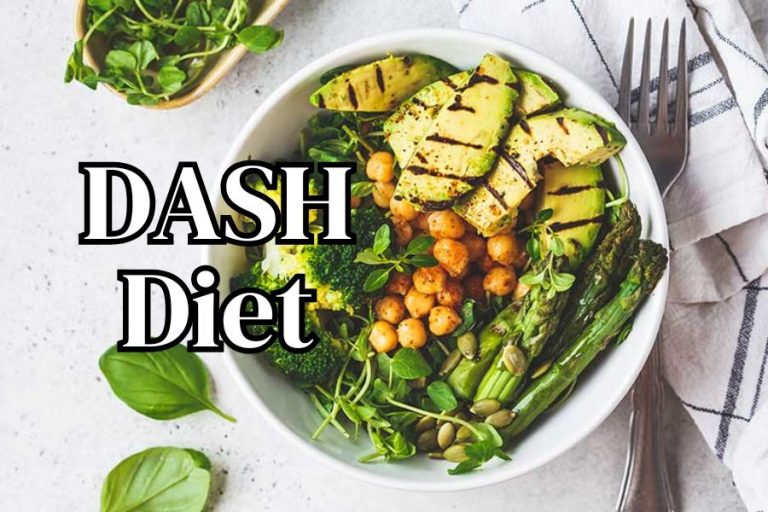
The DASH diet, short for Dietary Approaches to Stop Hypertension, is a flexible eating plan designed to help prevent or treat high blood pressure. It focuses on vegetables, fruits, whole grains, and lean protein while limiting sodium, added sugars, and saturated fat. You can follow it at home and in restaurants without buying special foods or supplements (Mayo Clinic).
This way of eating is rich in nutrients that support healthy blood pressure, including potassium, calcium, magnesium, protein, and fiber (Mayo Clinic). Instead of focusing on what you cannot eat, it encourages you to fill your plate with foods that work for your heart and your waistline at the same time.
Know how DASH helps your blood pressure
High blood pressure puts extra strain on your heart and blood vessels. The DASH diet helps lower that strain in a few key ways. It limits sodium, which can help reduce fluid retention and pressure in your arteries. It also gives you more potassium, calcium, and magnesium, which play a role in relaxing blood vessels and balancing the effect of sodium in your body (Mayo Clinic).
The standard DASH plan keeps sodium under 2,300 milligrams per day, about one teaspoon of table salt, while a lower-sodium version aims for 1,500 milligrams daily (Mayo Clinic). According to the National Heart, Lung, and Blood Institute, following DASH at 1,500 milligrams of sodium can lower blood pressure even more than staying at 2,300 milligrams (NHLBI).
Focus your plate on key food groups
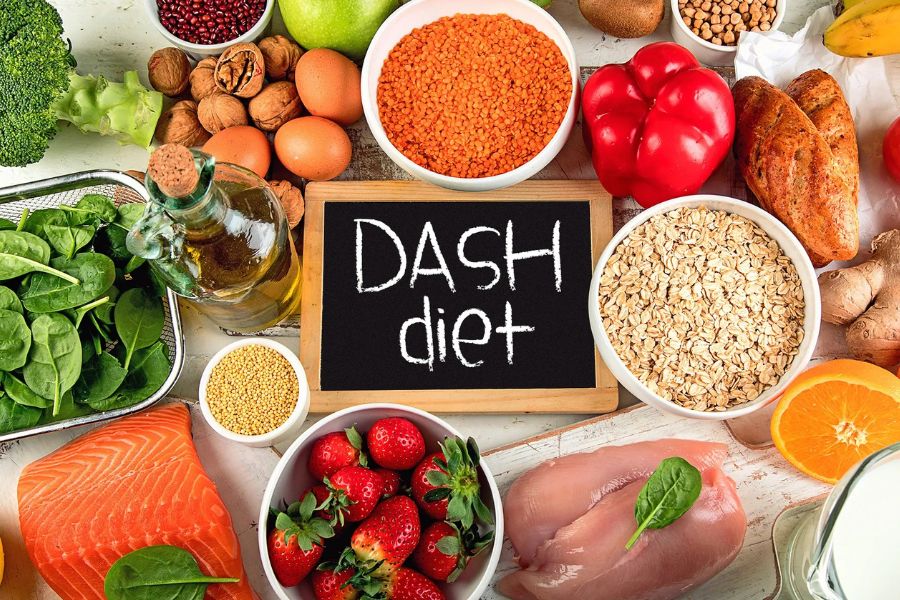
Instead of counting every bite, it can help to think in terms of food groups. On a typical 2,000 calorie version of the DASH diet for blood pressure, your day includes planned amounts of grains, vegetables, fruits, dairy, lean proteins, nuts and seeds, and small amounts of fats and sweets (Mayo Clinic).
Here is a simple overview you can use as a starting point:
| Food group | Typical daily / weekly focus* |
|---|---|
| Grains | Mainly whole grains such as brown rice, oats, whole wheat |
| Vegetables | A variety of colors, especially leafy greens and orange veggies |
| Fruits | Fresh, frozen, or canned in water or juice, not syrup |
| Dairy | Fat free or low fat milk, yogurt, or cheese |
| Lean meats & fish | Poultry, fish, and lean cuts, trimmed of visible fat |
| Beans, nuts, seeds | Beans, lentils, unsalted nuts, seeds, nut butters |
| Fats & oils | Small amounts of healthy oils like olive or canola |
| Sweets | Limited, with a focus on small portions and less added sugar |
*Exact servings depend on your calorie needs (NHLBI).
You do not have to hit exact numbers right away. Begin by adding an extra serving of vegetables or fruit each day and choosing whole grains more often than refined ones. These small shifts add up quickly.
Cut back on sodium without losing flavor
Sodium is one of the biggest drivers of high blood pressure, so lowering it is central to the DASH diet for blood pressure improvement. The DASH plan encourages you to keep daily sodium somewhere between 1,500 and 2,300 milligrams (Mayo Clinic). Instead of trying to get to the lowest number overnight, you can make step by step changes that your taste buds can adjust to.
You can start with simple habits. Rinse canned beans and vegetables before eating to remove some of the sodium. Choose items labeled “no salt added” or “low sodium” when possible. At the table, taste your food before reaching for the salt shaker. You may find that herbs, spices, lemon, garlic, and vinegar can give you plenty of flavor without extra salt.
If you currently eat a lot of packaged or restaurant foods, your sodium intake may be higher than you think. Gradually swapping some of those meals for home cooked options, even a few times a week, can lower your overall sodium and help your blood pressure move in the right direction.
Choose heart friendly proteins and fats
Protein is important for feeling full and maintaining muscle, especially if you are using the DASH diet to support weight loss as well as blood pressure. The DASH plan highlights lean protein sources such as fish, poultry, beans, and nuts, and it limits fatty meats and full fat dairy that are high in saturated fat (Mayo Clinic).
When you plan your meals, try to:
- Pick skinless poultry or fish more often than red meat
- Use beans or lentils a few times a week in place of meat
- Choose fat free or low fat milk, yogurt, and cheese
- Cook with small amounts of oils such as olive or canola instead of butter
These changes help lower your intake of saturated fat, which can support healthier blood vessels and reduce your heart disease risk over time (Mayo Clinic).
Make realistic everyday DASH swaps
The DASH diet works best when it fits into your routine instead of fighting it. You do not need a perfect day of eating to see benefits. A few realistic swaps can move you closer to a DASH style pattern without feeling restrictive.
For breakfast, you might trade sugary cereal for oatmeal topped with berries and a spoonful of nuts. At lunch, you can choose a salad loaded with vegetables, beans, and grilled chicken instead of a fast food burger and fries. For dinner, consider a plate with half vegetables, one quarter whole grains like brown rice or quinoa, and one quarter lean protein.
Snacks are another easy place to adjust. Keep fruit, raw veggies with hummus, low fat yogurt, or a small handful of unsalted nuts on hand. Over time, these habits can help with weight control, and losing even a modest amount of weight can support lower blood pressure as well.
Adapt DASH when eating out or busy
Following the DASH diet for blood pressure does not mean you have to stop eating at restaurants or order the plainest thing on the menu. Many restaurants now offer options that fit a heart healthy pattern, especially if you ask a few questions or request simple changes.
When you eat out, you can:
- Ask for sauces and dressings on the side so you control how much you use
- Choose grilled, baked, or steamed dishes instead of fried ones
- Request vegetables or a side salad instead of fries
- Skip salting your food at the table and rely on herbs, lemon, or pepper instead
Since DASH does not require special foods and recommended items are widely available, you can usually find something that works wherever you are (Mayo Clinic). On very busy days, even small steps help, such as adding a side of fruit, choosing water over soda, or splitting a large entrée with a friend.
Set gentle goals and track progress
You will likely have the most success with the DASH diet if you treat it as a long term shift rather than a short challenge. The National Heart, Lung, and Blood Institute outlines daily and weekly goals for each food group based on a 2,000 calorie pattern, but you can adapt those goals to your needs and start where you are (NHLBI).
You might pick one or two goals for the week, such as “add a vegetable at lunch every day” or “cook dinner at home three nights this week.” Writing your goals down and checking in at the end of the week can keep you motivated. Pairing food changes with regular blood pressure checks allows you to see how your efforts are affecting your health over time.
If you have high blood pressure or other health conditions, it is always a good idea to talk with your healthcare provider or a dietitian before making major diet changes. They can help you tailor the DASH approach to your medications, activity level, and personal preferences.
Key takeaways
- The DASH diet for blood pressure focuses on vegetables, fruits, whole grains, lean protein, and low fat dairy while limiting sodium, saturated fat, and added sugars (Mayo Clinic).
- Keeping sodium between 1,500 and 2,300 milligrams per day, combined with DASH style eating, can lower blood pressure, with 1,500 milligrams giving an even greater benefit for many people (NHLBI).
- You do not need special foods. You can start today by making small swaps, such as more vegetables and whole grains, leaner proteins, and less salty processed food.
- The plan is flexible and can support weight loss and better heart health in addition to lowering blood pressure, especially when paired with other healthy habits.
Try choosing just one DASH inspired change for your next meal, such as swapping a salty side for a serving of steamed vegetables or a piece of fruit. Over time, these simple choices can add up to healthier blood pressure and more energy in your daily life.
About the Author