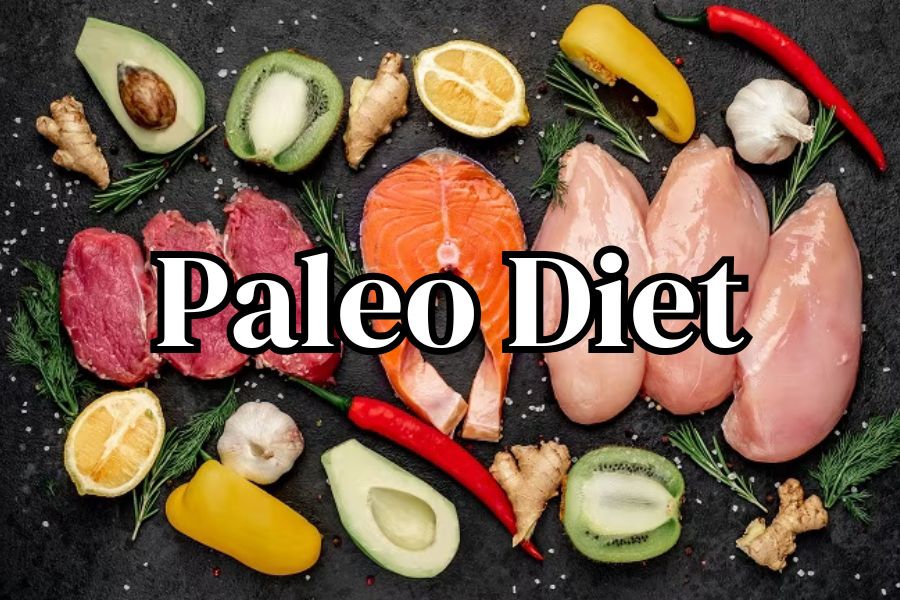
A well planned paleo diet grocery list makes it much easier to lose weight, feel satisfied, and skip processed foods without feeling deprived. Instead of guessing in the aisle, you walk in with a clear plan that focuses on whole foods, quality protein, colorful produce, and healthy fats that support steady energy and better health.
The paleo diet centers on foods your hunter gatherer ancestors could realistically hunt or gather, such as meat, seafood, vegetables, fruits, nuts, seeds, eggs, and certain unrefined oils. It limits or avoids modern processed foods, grains, dairy, legumes, and refined sugar in favor of simple, nutrient dense options that are easy to prepare at home (EatingWell, Kevin’s Natural Foods).
Below, you will find a complete paleo shopping list plus practical tips to help you stock your kitchen for healthy living.
Understand the basics of the paleo diet
Before you write your paleo diet grocery list, it helps to know what you are aiming for. Paleo is not about perfection or recreating the exact meals of ancient humans. It is about using their whole food pattern as a guide to build a modern, realistic way of eating.
You focus on simple ingredients that are minimally processed. You prioritize vegetables and fruits, high quality animal protein, and healthy fats. You reduce or avoid refined sugar, highly processed snacks, and industrial oils that are common in modern diets (Kevin’s Natural Foods).
Core paleo friendly foods
On a typical paleo plan, your cart will be filled with:
- Grass fed or pasture raised meat and poultry
- Wild caught or responsibly sourced seafood
- Eggs
- A wide variety of vegetables
- Fresh fruits
- Nuts and seeds, except peanuts
- Natural fats and oils from animals, olives, avocados, or coconuts
These are the foods that support satiety, muscle maintenance, and stable blood sugar so you feel full and energized, not hungry 90 minutes after every meal.
Foods to limit or skip
The paleo diet asks you to avoid or greatly reduce:
- Processed foods and snacks
- Refined sugar and artificial sweeteners
- Most packaged breads, pastas, and baked goods
- Grains such as wheat, oats, barley, and corn
- Legumes such as beans, lentils, soy, and peanuts
- Conventional dairy like milk, cheese, and yogurt
- Highly refined vegetable oils and margarine
Some people include small amounts of white rice or certain dairy based on how they feel. However, most standard paleo lists keep your choices simple and grain free (Kevin’s Natural Foods, Healthline).
Build your paleo protein list
Protein is the backbone of your paleo diet grocery list. It helps with appetite control, supports lean muscle, and keeps your meals satisfying.
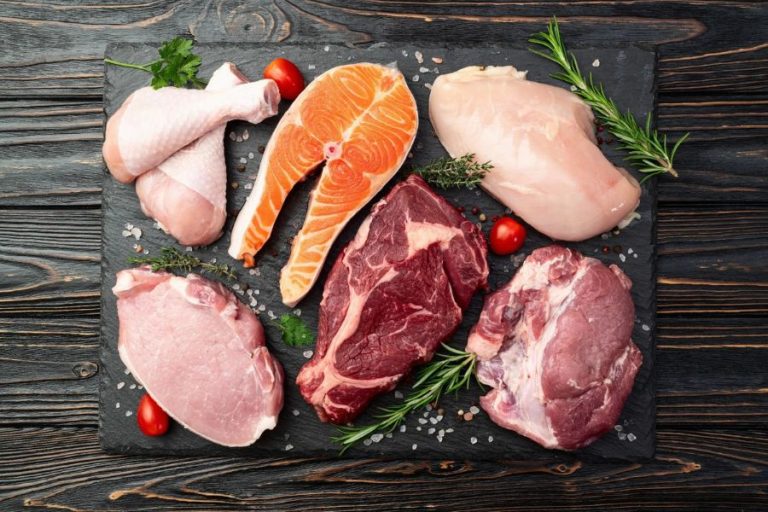
Meat and poultry
When possible, choose grass fed or pasture raised options. These tend to be leaner and higher in omega 3 fats that help reduce inflammation and support heart health (EatingWell).
You might include:
- Grass fed ground beef, steaks, roasts, or stew meat
- Grass fed lamb chops or ground lamb
- Pasture raised pork such as shoulder roasts or pork chops
- Pasture raised or organic chicken, turkey, duck, or goose
Shops like Whole Foods Market highlight grass fed beef and lamb, pasture raised pork and poultry, and Animal Welfare Certified options that fit paleo priorities (Whole Foods Market).
Seafood
Seafood adds variety and important omega 3 fats to your week. A simple rule of thumb is to choose wild caught or responsibly farmed fish whenever you can.
Good picks include:
- Wild caught salmon, sardines, and mackerel
- Tuna, cod, and shrimp
- Lobster, scallops, and other shellfish
- Canned wild salmon, sardines, or tuna for quick meals
Nerd Fitness encourages you to look for wild caught salmon, tuna, lobster, and shrimp and to avoid heavily farmed options when better choices are available (Nerd Fitness). Whole Foods Market also points to sustainable wild caught salmon, shrimp, cod, swordfish, and scallops, plus canned fish for pantry convenience (Whole Foods Market).
Eggs
Eggs are a budget friendly, high protein paleo staple. Look for pasture raised or at least cage free when it fits your budget. Hard boiled eggs store well and make easy snacks or salad toppers, which is why they often appear on paleo snack lists (Healthline).
Fill your cart with vegetables
Vegetables form the foundation of a healthy paleo diet. They are rich in fiber, vitamins, minerals, and antioxidants, and they add volume to your meals without a lot of calories.
You can include both non starchy and starchy vegetables. If you are focused on weight loss or blood sugar control, keep starchy vegetables to smaller portions and lean into leafy and cruciferous options (EatingWell).
Non starchy vegetables
Aim for at least two to three different vegetables at most meals. Mix colors to cover a broad range of nutrients.
Ideas for your list:
- Greens such as spinach, kale, arugula, romaine, and mixed lettuces
- Cruciferous vegetables such as broccoli, cauliflower, Brussels sprouts, and cabbage
- Asparagus, green beans, and zucchini
- Peppers, onions, cucumbers, and celery
- Mushrooms, radishes, and herbs like parsley, cilantro, and basil
Both Nerd Fitness and Whole Foods Market emphasize a wide array of vegetables such as asparagus, broccoli, spinach, kale, carrots, and riced cauliflower to keep your plate interesting and nutrient dense (Nerd Fitness, Whole Foods Market).
Starchy vegetables
Starchy vegetables can fit into paleo, especially if you are active. You might include:
- Sweet potatoes and yams
- Winter squash such as butternut or acorn
- Beets and carrots
- Parsnips and plantains
Some stricter versions of paleo limit or exclude white potatoes, while others include them in small amounts. If you are watching your weight or blood sugar, consider portions and frequency for all starchy choices (EatingWell).
Choose fruits that fit your goals
Fruit absolutely belongs on a paleo diet grocery list, but you can be thoughtful about varieties and portions.
Fruit provides fiber, vitamins, and natural sweetness. Modern cultivated fruits can be higher in sugar than wild versions, so it helps to balance higher sugar fruits with lower sugar choices, especially if weight loss is one of your goals (Kevin’s Natural Foods).
Lower sugar options include:
- Berries such as strawberries, blueberries, raspberries, and blackberries
- Citrus fruits like lemons, limes, and grapefruits
- Cranberries and kiwi
The Nerd Fitness paleo list suggests focusing on lower sugar fruits like lime, lemon, and cranberry when you want to keep sugar intake in check (Nerd Fitness).
You can still enjoy:
- Apples and pears
- Oranges, mandarins, and pineapple
- Bananas, mango, and grapes
If weight loss or blood sugar balance is important to you, enjoy higher sugar fruits in moderate portions and skip sugary juices and dried fruits most of the time (EatingWell, Healthline). Whole Foods Market highlights unsweetened dried mango slices as a paleo friendly snack, which you can use occasionally if you are mindful of portions (Whole Foods Market).
Stock up on healthy fats, nuts, and seeds
Healthy fats help keep you full, give your food flavor, and support hormone and brain health. On paleo, you focus on fats that come from whole foods.
Cooking oils and fats
Look for oils that are minimally processed and come directly from plants or animals, not industrial seed oil factories.
Paleo friendly choices include:
- Extra virgin olive oil
- Avocado oil
- Coconut oil
- Ghee or clarified butter
- Animal fats such as tallow or lard from well raised animals
EatingWell and Nerd Fitness both highlight olive, avocado, coconut, macadamia, and other nut based oils as preferable options, while processed vegetable oils and margarine are avoided due to heavy processing and potential health concerns (EatingWell, Nerd Fitness). Whole Foods Market lists avocado oil, extra virgin olive oil, coconut oil, ghee, and animal fats as pantry essentials on a paleo grocery list (Whole Foods Market).
Nuts and seeds
Nuts and seeds make quick snacks and meal add ons. They provide protein, healthy fats, and fiber that help you stay full between meals. In a paleo context, they also echo what your ancestors likely foraged in the wild (Kevin’s Natural Foods).
Great picks include:
- Almonds, walnuts, cashews, pecans, and macadamia nuts
- Sunflower seeds, pumpkin seeds, and chia seeds
- Nut butters such as almond, cashew, or mixed nut butter
Peanuts are technically legumes, not nuts, so they usually do not appear on a paleo diet grocery list (EatingWell). Whole Foods Market suggests roasted salted pistachios and other nuts as classic paleo snack staples, as long as you are mindful of salt and portion size (Whole Foods Market).
Do a paleo pantry reset
A smart paleo pantry makes daily cooking easier and helps you stay on track without feeling like you are starting from zero every night.
Think about stocking:
- Paleo friendly oils and fats such as olive, avocado, coconut oil, and ghee
- Coconut aminos instead of soy sauce
- Apple cider vinegar and other vinegars for dressings and marinades
- Bone broth for soups, stews, or sipping
- Almond flour, coconut flour, and other nut based flours for occasional baking
- Arrowroot or tapioca starch to thicken sauces or gravies
- Unsweetened coconut milk for smoothies or sauces
- Simple herbs and spices without added sugar
Whole Foods Market highlights many of these pantry items, including bone broth, coconut aminos, almond butter, nut flours, arrowroot starch, and alternative sweeteners like stevia and monk fruit if you want to recreate treats that still fit paleo guidelines (Whole Foods Market).
If your pantry is full of convenient but highly processed items, try replacing them one category at a time, for example, swap your usual cooking oil for olive or avocado oil, then trade sugar heavy condiments for options like coconut aminos and simple salsas.
Plan easy paleo snacks and quick meals
You are more likely to stick with your paleo diet when your snacks and fast meals are just as convenient as anything prepackaged.
Grab and go paleo snacks
Prepare a short list of snack ideas that fit your life. You might choose:
- Raw nuts such as almonds or walnuts
- Celery sticks with no sugar added nut butter
- Precooked turkey sticks or beef sticks from pasture raised sources
- Hard boiled eggs
- Coconut yogurt made without dairy and without added sugar
- Fresh fruit with a small handful of nuts
- Homemade grain free crackers made from nuts or seeds
Healthline suggests options such as raw almonds, chia seeds, cashew butter, non dairy milks, turkey sticks, wild caught canned salmon, and homemade paleo protein bars that skip peanuts and other legumes (Healthline). Whole Foods Market adds ideas like precut vegetables with avocado oil ranch dressing, bone broth, grain free chips, beef or salmon jerky without added sugar, and almond flour crackers (Whole Foods Market).
You can also make paleo style “oatmeal” from coconut milk, almond flour, shredded coconut, ground flaxseeds, and coconut oil. This gives you a warm, grain free breakfast or snack that stays within paleo boundaries (Healthline).
Simple meal formulas
To make your weekly planning easy, think in meal formulas:
- Protein plus colorful vegetables plus healthy fat
- Seafood plus leafy greens plus starchy vegetable
- Eggs plus leftover roasted vegetables plus avocado
For example, you might have baked salmon with roasted broccoli and sweet potato one night, then use leftover salmon on a big salad with avocado and pumpkin seeds the next day. A stocked paleo fridge and pantry make these combinations almost automatic.
Put your paleo diet grocery list into action
Once you understand which foods to prioritize and which to limit, writing your paleo diet grocery list becomes straightforward. You do not need to overhaul your entire kitchen overnight. You can start with one section at a time, such as upgrading your cooking oils, swapping refined snacks for nuts and precut veggies, or adding one extra serving of vegetables to your dinner.
Over time, your cart naturally shifts toward grass fed meats, wild seafood, fresh produce, nuts, seeds, and clean pantry staples. Those choices add up to steadier energy, better appetite control, and a simpler path to weight loss and improved health.
About the Author