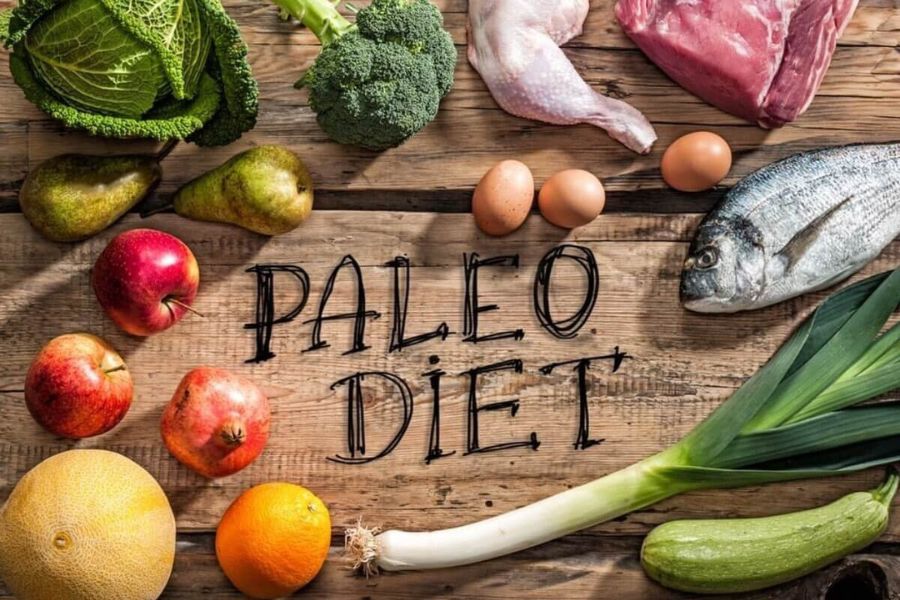
A paleo diet meal plan can feel overwhelming at first, but it is really about one core idea: you focus on whole, unprocessed foods and skip most of what comes in a box or bag. With a bit of planning, you can use paleo meals to support weight loss, steady energy, and better overall health while still enjoying what you eat.
Below, you will find practical meal ideas, sample days, and simple strategies to make a paleo diet fit your real life.
Understand the basics of a paleo diet
The paleo diet is built around foods your hunter‑gatherer ancestors could have found. You base your meals on vegetables, fruits, meat, seafood, eggs, nuts, seeds, and healthy fats, and you avoid modern processed products and most agricultural staples.
According to the Mayo Clinic, a paleo diet focuses on fruits, vegetables, lean meats, fish, eggs, nuts, and seeds, while excluding grains, legumes, and dairy introduced by farming around 10,000 years ago (Mayo Clinic). Healthline notes that many people also include potatoes, healthy oils, herbs, and spices as part of a balanced paleo diet meal plan (Healthline).
What you focus on eating
Paleo is not meant to be a plate full of bacon and nothing else. A well‑rounded paleo diet meal plan includes:
- Non‑starchy vegetables like leafy greens, broccoli, peppers, and zucchini
- Some starchy vegetables such as sweet potatoes or winter squash
- Fruits in moderate amounts
- Meat and poultry, ideally lean cuts
- Fish and seafood, especially fatty fish like salmon
- Eggs
- Nuts and seeds
- Healthy fats like olive oil, avocado oil, coconut oil, and nut oils
- Herbs and spices for flavor
These whole foods provide fiber, vitamins, minerals, and protein, which can support weight loss and heart health when they replace processed, high sugar options (Healthline).
What you avoid or limit
The general rule is simple: if it looks like it was made in a factory, you skip it. That usually means:
- Refined sugar and sweetened drinks
- Bread, pasta, cereal, and other grains
- Legumes, including beans, lentils, peanuts, and soy
- Dairy (some flexible versions allow limited butter or yogurt)
- Highly processed vegetable oils and trans fats
- Packaged snacks and desserts
Healthline highlights that excluding entire food groups like grains, legumes, and dairy may raise your risk of certain nutrient deficiencies if you are not careful with planning and supplementation (Healthline). You will see tips later to help you stay balanced.
How paleo can support your wellness
Your goal might be weight loss, fewer sugar cravings, better digestion, or all of the above. A thoughtful paleo diet meal plan can help because you move away from refined carbs and ultra‑processed foods and toward fiber‑rich plants and quality protein.
Short‑term research suggests that paleo eating can improve weight and some cardiovascular risk markers when it replaces a typical Western diet high in processed foods (Mayo Clinic). Other overviews find that focusing on unprocessed foods and cutting added sugar often helps with appetite control and blood sugar stability (Kevin’s Natural Foods).
Where you need to be cautious is the long term. The Mayo Clinic points out that the long‑term effects of strict paleo are not yet clear, especially if you do not replace the fiber, calcium, and vitamins you once got from grains, legumes, and dairy (Mayo Clinic). A meat‑heavy approach can also mean more saturated fat, which may affect heart health if it pushes out fish, nuts, and vegetables (Kevin’s Natural Foods).
The takeaway: use paleo principles to crowd your plate with vegetables, fruits, lean protein, and healthy fats, not as an excuse to eat unlimited red meat.
Build a balanced paleo plate
Before you look at a weekly menu, it helps to picture how a single meal should look. Think of your plate in three main sections.
Half the plate is non‑starchy vegetables. This might be a big salad, roasted broccoli, sautéed greens, or a mix of colorful veggies. These foods give you fiber and key nutrients that are sometimes missing from a strict meat‑focused paleo approach.
A quarter of the plate is protein, such as chicken, turkey, fish, seafood, eggs, or lean cuts of beef or pork. Grass‑fed meats and wild seafood are often encouraged because they provide more omega‑3 fats which support heart health (EatingWell).
The final quarter is a mix of starchy vegetables and healthy fats. You might choose sweet potato, winter squash, or beets for carbs, and avocado slices, a drizzle of olive oil, or some nuts and seeds for fats. If you are trying to lose weight, you can reduce the starchy portion and keep the fat serving modest.
A typical day will then layer in paleo snacks like fruit, nuts, hard‑boiled eggs, or baby carrots if you need them between meals (Healthline).
Sample one‑day paleo diet meal plan
You can adjust this sample day to match your own tastes and calorie needs, but it shows how simple a paleo diet meal plan can be.
Breakfast
Vegetable scramble with berries:
- Scrambled eggs cooked in olive oil with spinach, bell peppers, and onions
- A side of raspberries or blueberries
- Black coffee or herbal tea
The eggs provide protein and fat, while the vegetables and berries bring fiber and antioxidants. Healthline notes that many paleo meal plans start the day with eggs and vegetables for a filling, lower‑carb breakfast (Healthline).
Lunch
Chicken and veggie bowl:
- Grilled chicken breast
- Cauliflower rice sautéed with garlic and mixed vegetables
- Sliced avocado on top
- Lime juice and herbs for flavor
Whole Foods Market highlights similar bowls in its 7‑day paleo meal plan since they use prepped ingredients in flexible combinations, which saves time during the week (Whole Foods Market).
Snack ideas
You can choose one or two of these if you are hungry:
- A handful of mixed nuts and seeds
- Baby carrots or cucumber slices with guacamole
- A hard‑boiled egg
- A piece of fruit like an apple or orange
Healthline suggests simple, portable options like fruit, nuts, or hard‑boiled eggs as easy paleo snacks (Healthline).
Dinner
Salmon with roasted vegetables:
- Baked salmon fillet seasoned with herbs and lemon
- Roasted Brussels sprouts and carrots with olive oil
- A small serving of roasted sweet potato
EatingWell notes that emphasizing wild seafood like salmon can raise your omega‑3 intake and help reduce inflammation compared to relying only on grain‑fed meats (EatingWell).
Dessert or treat
If you want a small treat, you might choose:
- A square or two of dark chocolate
- Berries with a spoonful of coconut yogurt
Healthline mentions that tea, coffee, red wine, and dark chocolate can fit into a paleo diet in small amounts, so you do not need to feel deprived (Healthline).
Simple weekly paleo meal ideas
Once you are comfortable with a single day, you can start to mix and match components into a weekly plan. Many people find it easiest to repeat a few basic meals and change up sauces, herbs, and vegetables.
Here is a simple framework to use:
- Breakfasts: egg‑based dishes, paleo smoothies, or leftovers from dinner
- Lunches: big salads with protein, or bowls made from pre‑cooked meats and vegetables
- Dinners: one‑pan roasted meals, skillet stir‑fries, or grilled protein with vegetables
You can borrow ideas from Whole Foods Market’s 7‑day paleo meal plan, which features dishes like shakshuka with squash for breakfast, chicken veggie bowls for lunch, and halibut with citrus salsa for dinner. Their plan also includes paleo‑friendly snacks such as dried mango, seaweed snacks, and nut‑based granolas to keep things interesting (Whole Foods Market).
Quick planning tip: Choose 2 breakfast options, 3 lunches, and 3 dinners you enjoy, then rotate them through the week. This keeps your paleo diet meal plan simple without feeling repetitive.
Make paleo easier with smart substitutions
Switching from your usual diet to a paleo approach can feel like a big jump. Substitutions help you keep familiar meals while staying within paleo guidelines.
For grains like rice or pasta, you can use cauliflower rice, spiralized vegetables, or spaghetti squash. Ideal Nutrition Now notes that some people also use seeds like quinoa, buckwheat, or amaranth as grain replacements, although strict versions of paleo may still avoid them (Ideal Nutrition Now).
For legumes, you can build your plate with extra vegetables or use alternatives like green beans or carrots in place of beans in soups and stews (Ideal Nutrition Now). If you miss dairy, unsweetened almond milk, coconut milk, or cashew milk can work as stand‑ins for milk in coffee, smoothies, and some recipes (Ideal Nutrition Now).
When you want something sweet, you can reach for whole fruit rather than baked goods with refined sugar. Many paleo dessert recipes use mashed sweet potato, dates, or dark chocolate in small amounts, such as sweet potato chocolate mousse highlighted by Whole Foods Market (Whole Foods Market).
Watch out for common paleo pitfalls
Even with a strong plan, a paleo diet can go off track in a few familiar ways. Being aware of these makes it easier for you to avoid them from the start.
One pitfall is relying too heavily on meat, especially processed or fatty cuts, while skimping on vegetables. Kevin’s Natural Foods warns that a meat‑heavy paleo plan can become high in saturated fat and may negatively affect heart health if it crowds out fiber‑rich plant foods (Kevin’s Natural Foods). You can fix this by keeping vegetables as the largest portion of your plate and including fish, nuts, and seeds often.
Another issue is nutrient gaps. Since you exclude grains, legumes, and most dairy, you may fall short on fiber, calcium, vitamin D, and some B vitamins if you do not plan well. Both Healthline and the Mayo Clinic highlight the risk of deficiencies and higher cost with strict paleo, especially over long periods (Healthline, Mayo Clinic). You can help cover these gaps with plenty of vegetables, nuts, seeds, and fish, and you may want to discuss supplements with a healthcare provider.
A third challenge is gut discomfort if you suddenly increase your fiber intake. Healthline notes that a rapid jump in fiber can cause bloating or digestive issues, so it is smart to ramp up your vegetable and nut portions gradually and drink enough water (Healthline).
Finally, perfectionism can make paleo feel unsustainable. Some people do better with a flexible style that occasionally includes gluten‑free grains or small amounts of high‑quality dairy, similar to modified paleo versions described by Healthline (Healthline). You can decide how strict you want to be based on your goals and how your body responds.
Turn ideas into your own paleo plan
A paleo diet meal plan works best when you tailor it to your lifestyle, not the other way around. Start by choosing a realistic number of paleo meals per week, maybe just breakfast and dinner on weekdays, and build from there as you get comfortable.
Plan your grocery list around vegetables, fruits, proteins, nuts, and healthy fats, and keep quick options like rotisserie chicken, pre‑washed salad greens, and frozen vegetables on hand. Whole Foods Market notes that prepping ahead and using some ready‑to‑eat items can cut down weekly cooking time and make it far easier to stick with paleo eating (Whole Foods Market).
Then pick one change to try this week. You might swap your regular breakfast for a veggie omelet, or you might plan two paleo dinners. Notice how you feel, adjust as you go, and let your own energy, cravings, and progress guide how strict or flexible your version of paleo becomes.
About the Author