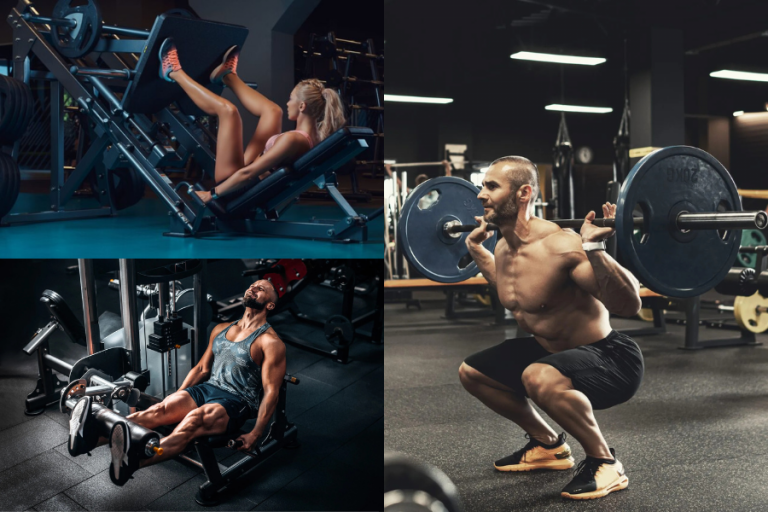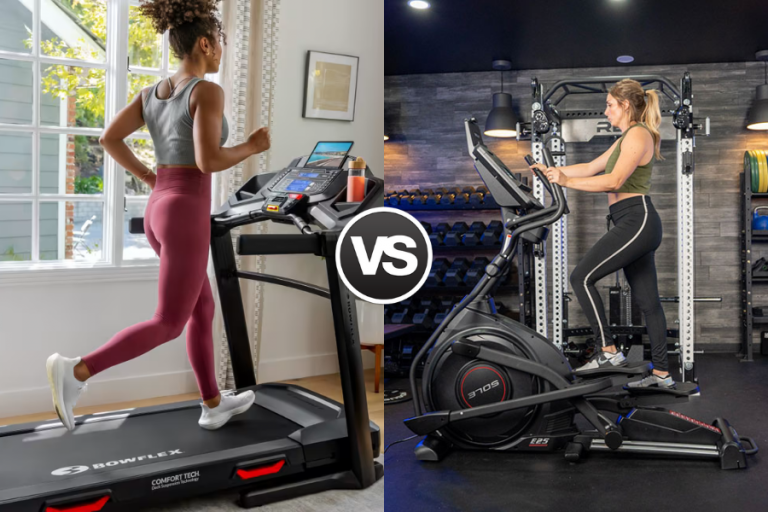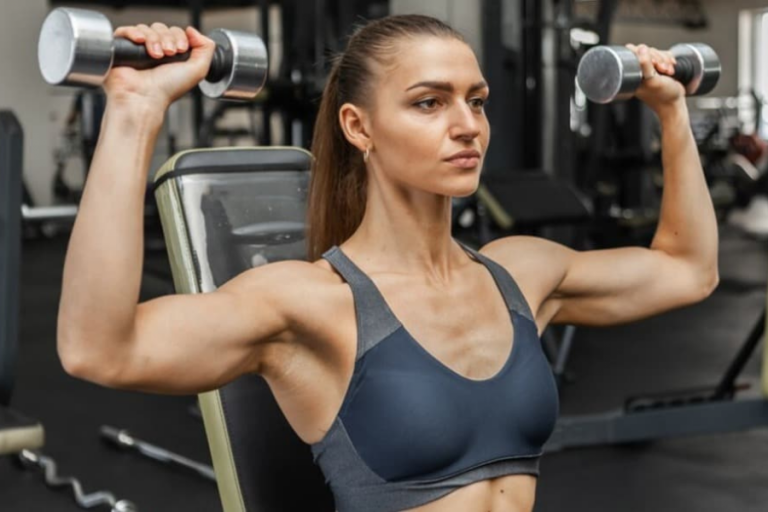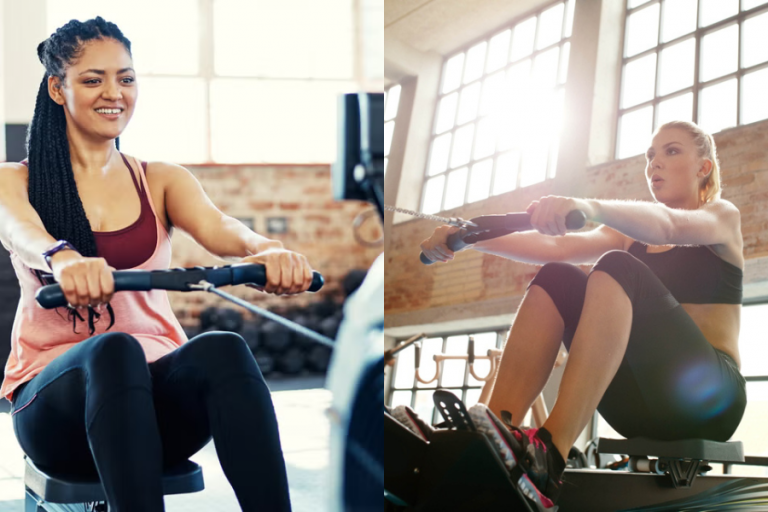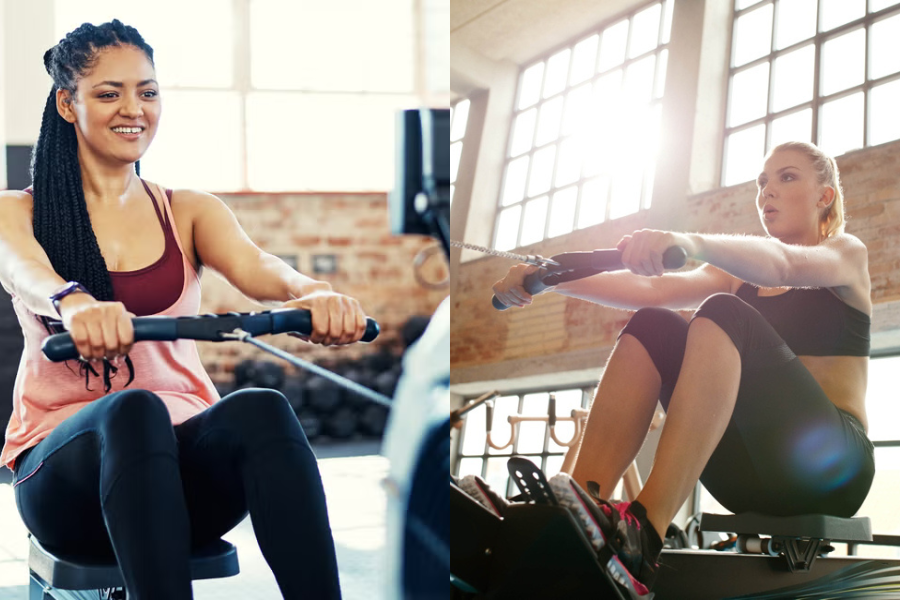
A rowing machine might look simple, but when you use it correctly, it becomes one of the most powerful tools you have for changing your body composition. Rowing workouts for fat loss give you a full-body, low-impact way to burn calories, build muscle, and improve your heart health, often in less time than traditional cardio.
If you are curious how rowing can help you lose fat and feel better in your body, you are in the right place. You will see why rowing works so well, how to use it for fat loss, and what kind of workouts to start with, even if you are a beginner.
Understand why rowing burns fat so effectively
Rowing is not just “cardio.” With every stroke, you push through your legs, brace your core, and pull with your back and arms. That combination is one reason rowing workouts for fat loss can be so effective.
Indoor rowing engages almost every major muscle group, including your legs, back, core, and arms, which means your body uses more energy in a shorter time compared with exercises that only involve a few muscles at once (Women’s Health, Garage Gym Reviews). More muscles working equals more calories burned per minute.
You also get a joint-friendly workout. Rowing is low impact, so your joints are not pounded like they might be during running, yet your heart rate climbs quickly. This makes rowing especially useful if you want to lose fat but need to protect your knees, hips, or ankles (Garage Gym Reviews).
See how many calories you can realistically burn
You do not have to chase exact numbers, but understanding rough calorie burn can help you see how rowing fits into your fat loss plan.
Your burn depends on your body weight, effort level, and workout length. For example, a 175 pound adult can burn around 139 calories in just 15 minutes of moderate rowing (Healthline). Other estimates suggest you might burn roughly 300 calories in a 30 minute workout at a moderate pace (RowingMachineWorkouts.com).
In a 6 week study where adults who were not exercising regularly started rowing five days a week, they were burning an estimated 481 to 713 calories per hour while also improving their body composition (Women’s Health). Even if your numbers are lower or higher, the pattern is clear. Rowing can meaningfully contribute to the calorie deficit you need for fat loss.
Most health experts suggest a daily deficit of around 500 calories to lose weight at a steady pace (Healthline). Rowing is one of the tools you can use to help create that deficit without having to slash your food intake to uncomfortable levels.
Learn why form matters for fat loss and safety
Good form lets you work harder without hurting yourself. It also ensures the right muscles are doing the job, which boosts your calorie burn and helps you build muscle, not just get tired.
Proper rowing form puts about 60 percent of the work into your legs, 20 percent into your core, and 20 percent into your arms and back (Women’s Health). Think of each stroke in four phases:
-
Catch
Bend your knees, lean slightly forward from the hips with a straight back, and keep your arms straight. Your shins are vertical, heels close to the footplate. -
Drive
Push through your heels to extend your legs while your torso leans back slightly. Only then do you pull the handle toward your lower ribs. Legs first, then body, then arms. -
Finish
Sit tall with legs straight, core tight, and handle at your lower chest. Elbows track back close to your sides, not flaring way out. -
Recovery
Reverse the order. Arms extend, your torso tilts forward, then your knees bend to slide you back to the catch.
If you are new to rowing, it is smart to begin with slower steady sessions that focus on technique before you jump into intense intervals. Fitness expert Amanda Capritto recommends this approach and suggests keeping early HIIT sessions under 15 minutes once per week so you can adapt without overtraining (Garage Gym Reviews).
Choose the right kind of rowing workouts for fat loss
There are two big levers you can use on the rowing machine for fat loss: steady rowing and high intensity interval training, or HIIT. Both work, and the best choice for you might be a mix of the two.
Steady state rowing to build your base
Gentle to moderate rowing for a longer period helps you improve your aerobic fitness and burn a decent number of calories without leaving you completely drained. This type of workout is often done in what many call a “Zone 2” heart rate, where you are breathing harder but can still speak in short sentences.
Rowing at a moderate pace for about 30 minutes can already make a solid dent in your daily energy expenditure, and going a bit longer, say 45 minutes at light to moderate effort, can increase total calories burned even more (Garage Gym Reviews, Reddit).
This kind of session is especially helpful if:
- You are new to exercise or coming back after a break
- You want a workout that does not spike your appetite as much
- You are rowing on days between more intense training sessions
Some rowers find that these longer, easier rows help them burn fat while keeping hunger more stable compared with all-out high intensity work (Reddit).
HIIT rowing for maximum time efficiency
If you are short on time or you like pushing hard in short bursts, HIIT rowing can be a game changer. These workouts alternate short periods of very intense effort with lower intensity recovery.
A typical HIIT rowing interval might have you working at 80 to 95 percent of your maximum heart rate, followed by recovery at 40 to 50 percent of your max (Garage Gym Reviews). That high intensity triggers significant calorie burn, and you keep burning extra calories for a while after you step off the machine, thanks to something called excess post-exercise oxygen consumption, or EPOC (Garage Gym Reviews).
One of the best known HIIT structures is the Tabata protocol. On a rowing machine, it looks like this:
- Row as hard as you can for 20 seconds
- Rest for 10 seconds
- Repeat for 8 cycles, which adds up to just 4 minutes
Studies referenced in a 2023 article on HIIT rowing show that this Tabata style format can reduce body fat percentage and waist to hip ratio in people carrying extra weight (Breaking Muscle). You can repeat rounds if you are more experienced, or stick to a single four minute block if you are still building up.
For beginners, a gentler 1 to 2 work to rest ratio is usually smarter. For example, row hard for 20 seconds, then recover for 40 seconds before your next interval. This helps you maintain good form and still push your heart and lungs enough to improve your VO2 max as you get fitter (Breaking Muscle).
Use beginner, intermediate, and advanced workout ideas
You do not need a complicated plan to get started. You can use these sample structures as a guide and adjust the exact pace to your current fitness level.
Always warm up for 5 to 10 minutes at an easy pace before these workouts and cool down for at least 5 minutes afterward.
Beginner: Technique first and gentle intervals
Early on, your priority is to master the stroke and build consistency.
Option 1: 20 minute steady row
- 5 minutes easy warm up
- 12 minutes at a comfortable but slightly challenging pace
- 3 minutes easy cool down
This type of workout follows many beginner plans that focus on technique and moderate intensity before adding more aggressive intervals (Healthline).
Option 2: Light interval introduction, 15 minutes total
- 5 minutes easy warm up
- 6 rounds of:
- 30 seconds slightly faster rowing
- 60 seconds easy pace
- 2 to 3 minutes easy cool down
You are not sprinting here. Think of it as practicing smooth speed changes while staying in control of your form.
Intermediate: Structured intervals and mixed sessions
Once you can row comfortably for 20 to 30 minutes, you can introduce more intentional intervals.
Option 1: Ascending intensity ladder, 25 minutes
- 5 minutes easy
- 3 minutes moderate, 2 minutes easy
- 2 minutes hard, 2 minutes easy
- 1 minute very hard, 2 minutes easy
- Repeat that 3+2+2+2+1+2 block once more
- 3 minutes very easy cool down
Plans like this, with increasing intensity intervals, are commonly used for people who have moved past the beginner stage but are not ready for all-out advanced HIIT every session (Healthline).
Option 2: Short HIIT focus, 15 minutes
- 5 minutes easy warm up
- 8 to 10 rounds of:
- 20 seconds hard row
- 40 seconds very easy row (1:2 work to rest)
- 3 to 5 minutes easy cool down
This format follows the beginner HIIT guidelines for rowing, giving you recovery that is long enough to keep quality high and fatigue manageable (Breaking Muscle).
Advanced: Tabata and hybrid conditioning
If you have been rowing consistently for at least several months, you can layer in more advanced HIIT and combination workouts.
Option 1: Tabata blocks, 20 minutes or less
- 5 to 7 minutes easy warm up
- 1 Tabata block of 20 seconds all out, 10 seconds rest for 8 rounds
- 4 minutes very easy rowing
- Optional: second Tabata block if you can maintain form
- 4 to 5 minutes easy cool down
Research highlighted by Breaking Muscle suggests Tabata on the rower is effective at improving body fat composition when used appropriately (Breaking Muscle).
Option 2: Row plus strength combo, 25 to 30 minutes
Combining rowing with strength or core moves can help you build muscle while keeping your heart rate up, which further supports fat loss (Healthline, Reddit).
For example, you might try:
- 2 minutes strong pace on the rower
- 10 bodyweight squats
- 10 pushups (elevate hands if needed)
- 20 seconds plank
Repeat this circuit 5 to 6 times at a pace you can sustain. Men’s Health highlights workouts where rowing is paired with movements like burpees and core work to build strength and burn fat at the same time (Men’s Health).
Match your rowing schedule to your goals
For fat loss and overall health, broad guidelines recommend at least 150 minutes per week of moderate intensity exercise, or less total time if much of it is vigorous (Healthline). For rowing specifically, a practical target is:
- 5 sessions per week of about 30 minutes at moderate effort
or - 5 sessions per week of about 15 minutes if most of that time is vigorous HIIT rowing
This type of schedule lines up with recommendations discussed by fitness experts looking at rowing for weight control and health (Garage Gym Reviews).
You can also use rowing:
- As a finisher after strength training, with short HIIT bursts
- On non lifting days as a stand alone cardio workout (Breaking Muscle)
If you are following a specific plan, such as a 4 week or 30 day rowing program, you will often see a mix of HIIT, medium length intervals, longer steady rows, and built in rest days to allow your muscles to recover and adapt (RowingMachineWorkouts.com, Fit&Well).
Support your rowing with smart nutrition
You can row for hours, but if your nutrition does not support your goals, fat loss will stall. Many rowers find that the saying “fat loss is mostly diet” holds true (Reddit).
Your aim is a moderate calorie deficit, usually about 500 calories per day, created through a combination of eating slightly less and moving more (Healthline). You do not need to cut entire food groups. Instead, focus on:
- Plenty of protein so you maintain or build muscle
- Mostly whole, minimally processed foods
- Limited sugary drinks and heavily processed snacks
Several experts emphasize how pairing HIIT rowing with a nutrition plan that prioritizes protein and limits processed foods leads to better fat loss results than relying on workouts alone (Breaking Muscle, Women’s Health). Some rowing specific plans also suggest eating a higher carb meal a few hours before harder sessions and a light carb plus high protein snack afterward to support recovery (Fit&Well).
As you build muscle through rowing and any added strength training, your resting metabolic rate can increase slightly. That means you burn a bit more energy even when you are not working out, which supports long term fat loss (Women’s Health).
Track progress beyond the scale
Rowing regularly will change more than just your weight. It can reshape your body and improve your health in ways a scale will not capture.
You might notice:
- Clothes fitting more comfortably around your waist and hips
- Stronger legs, glutes, back, and core
- Better posture and less back discomfort when you sit or stand
- Greater stamina during everyday activities
People in rowing communities often recommend tracking “non scale victories” like these to stay motivated, particularly if the scale moves slowly while you are building muscle and losing fat at the same time (Reddit).
A simple heart rate monitor can also help you stay in the right zones, especially during steady state sessions aimed at fat burning and cardiovascular health (Reddit).
Turn rowing into a long term habit
Rowing workouts for fat loss are a game changer because they give you a rare combination: a low impact, full body, time efficient way to burn calories and build strength. When you combine consistent rowing with supportive nutrition and adequate recovery, you have a realistic path to sustainable fat loss, not just a quick fix (Garage Gym Reviews).
You do not need to overhaul everything at once. Start with one change you can stick with this week. That might be three 20 minute steady rows, or one short HIIT session with careful technique. As those sessions become routine, you can add intensity, duration, or variety.
Your rowing machine is more than a piece of cardio equipment. Used well, it becomes a tool that helps you feel stronger, leaner, and more confident in your own skin.
About the Author