Glute strength training does much more than shape how your jeans fit. When you train your glutes effectively, you boost power, protect your joints, improve posture, and make everyday movement feel easier. Because your glutes are the largest and among the most important muscles in your body, smart glute strength training can also support weight loss and overall athletic performance.
Below, you will learn how your glutes work, why they matter, and how to build a glute workout that actually delivers results.
Understand your glute muscles
Your “glutes” are not just one muscle. They are a team of three that work together to stabilize your pelvis and drive nearly every step, jump, and squat you take.
- Gluteus maximus: The largest muscle in the body and the main driver of hip extension. It is responsible for powerful movements like standing up, sprinting, and climbing.
- Gluteus medius: Sits on the outer side of your hip. It controls hip abduction and internal rotation and is critical for balance and pelvic stability when you stand on one leg.
- Gluteus minimus: A smaller, deeper muscle that works with the medius to control hip position and support smooth, pain free movement.
Together, these muscles stabilize your pelvis, help maintain posture, and support movements like walking, running, and stair climbing. When they are strong, your hips, knees, and lower back share load efficiently. When they are weak, other areas have to pick up the slack.
Why glute strength training matters
If you sit a lot or rely mostly on cardio, your glutes are likely underused. Weak glutes are linked to:
- Lower back pain
- Knee pain and poor knee tracking
- Hip pain and reduced stability
- Ankle discomfort due to unstable alignment
By strengthening your glutes, you help correct these imbalances and give your body a stronger base of support. Methodist Physicians Clinic notes that strong glute muscles distribute loads more evenly across your hips, trunk, and lower back, which can reduce pain and improve posture.
From a performance standpoint, glute strength drives explosive hip extension. That is the power behind sprinting, jumping, and heavy lifting. If your glutes are not doing their job, your quads and lower back work overtime, which can limit power and increase injury risk.
There is also a clear metabolism benefit. Since the gluteus maximus is your largest muscle, building it increases how many calories you burn even at rest, which can make fat loss more efficient.
Strong glutes are not just an aesthetic goal. They are one of the biggest contributors to how well you move, how powerful you feel, and how resilient your joints are.
Common mistakes in glute workouts
If you have been doing squats and lunges for months without much change, you are not alone. Many glute strength training programs miss a few key pieces.
Skipping activation before heavy work
One frequent mistake is going straight into heavy lifts without waking up your glute muscles. When that happens, your quads and lower back tend to dominate the movement, and your glutes lag behind.
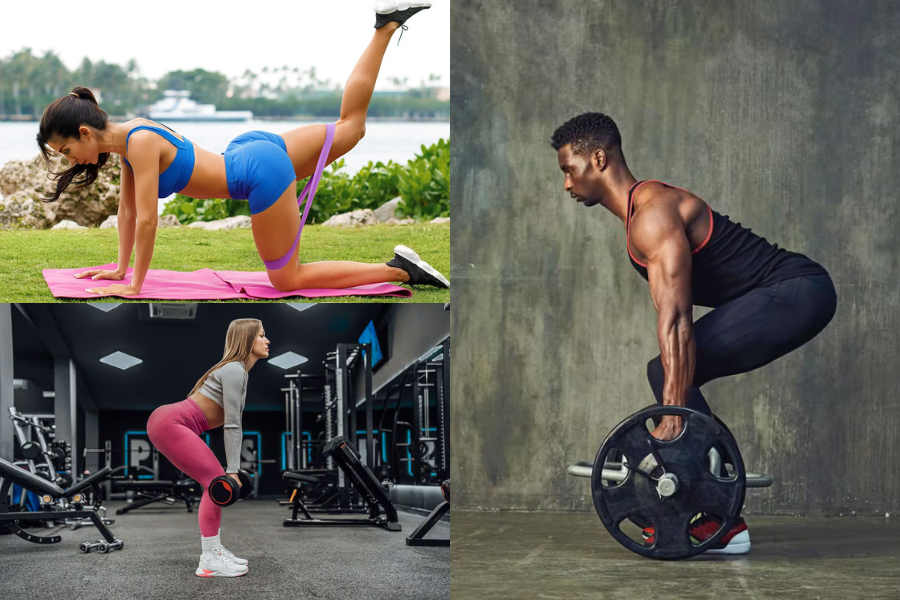
Adding a short activation series before lifting, such as band walks, clamshells, and small targeted pulses, can fire up the glutes so they engage properly right from the first working set.
Relying on cardio for “glute gains”
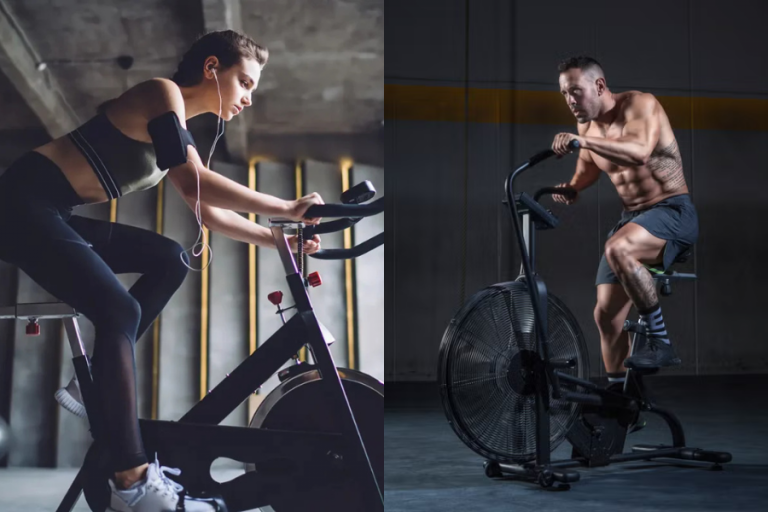
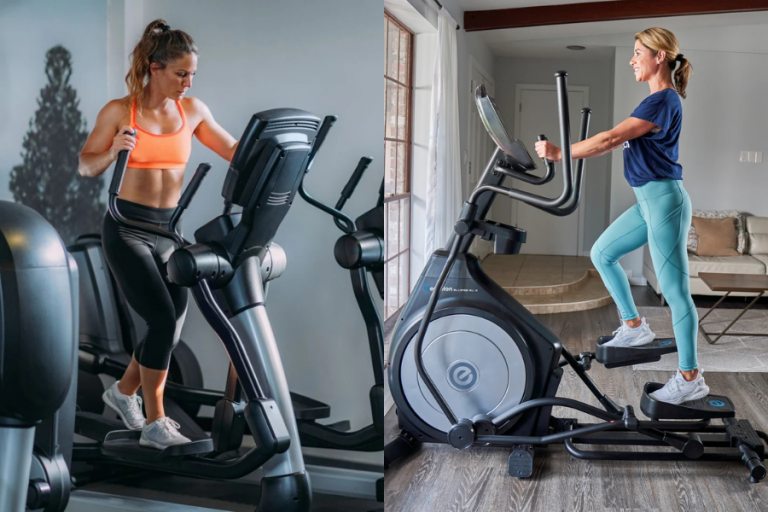
Walking, jogging, or using the elliptical is great for cardiovascular health, but it does not provide enough overload to build significant glute strength or size. Research summarized by ISSA points out that cardio alone is a common mistake in glute training and can stall progress. You need resistance training that challenges the muscles beyond their comfort zone.
Poor form and half reps
Shallow squats or half rep hip thrusts reduce glute involvement and can shift stress into your knees and lower back. Limited range of motion is one of the major reasons people feel their quads more than their glutes.
When you slow down and use full, controlled motion, you increase tension on the glutes and lower your risk of injury. Trainers often focus heavily on form and range of motion for exactly this reason.
No progressive overload
If you use the same weight, reps, and tempo week after week, your body adapts and your progress plateaus. Progressive overload, which means gradually increasing the challenge, is essential for continued strength and muscle gain. You can do this by:
- Adding weight
- Adding reps or sets
- Slowing the lowering phase
- Reducing rest times
Ignoring the mind muscle connection
Glute strength training is not just about moving weight from point A to point B. When you rush, rock, or bounce through reps, other muscles take over. Focusing on squeezing your glutes throughout each movement, especially at the top of bridges, thrusts, and step ups, helps ensure the right muscles are doing the work.
How often to train your glutes
For most people, training glutes only once a week is not enough to see meaningful change. A more effective schedule is:
- 2 to 3 glute focused sessions per week
- At least one rest day between sessions for recovery
This spacing lets you challenge your muscles, then give them time to repair and grow stronger. If you already lift several days a week, you can make two of those days lower body focused, or add a short glute block to the end of a full body workout.
Key glute strength training exercises
You do not need a complicated plan or fancy machines to start building stronger glutes. A mix of compound and accessory exercises covers all three glute muscles.
Foundational compound movements
These exercises work multiple joints and muscle groups at once. They should sit at the center of your glute strength training.
-
Hip thrusts
Hip thrusts create high, consistent glute activation with maximum contraction at full hip extension, which makes them one of the best choices for strength and growth. Proper technique matters. Position your upper back on a bench, keep your feet flat with heels slightly closer to your butt than your knees, and maintain abdominal tension so your lower back does not arch excessively. -
Squats
Squats hit all three glute muscles as well as your quads and hamstrings. Deep squats, especially with toes slightly raised, tend to recruit more of the posterior chain and glutes. However, research shows that glute contraction is lower during most of the lowering phase and peaks only at the start of standing up, so squats are most effective when combined with other glute specific moves like hip thrusts. -
Romanian deadlifts
These focus heavily on the back of your legs, including the glutes and hamstrings. A soft bend in the knees, a strong hinge from the hips, and a neutral spine are key. Imagine pushing your hips back rather than bending forward from your waist. -
Bulgarian split squats
This single leg squat variation challenges balance, hip stability, and glute strength. Elevating your back foot and taking a slightly forward torso lean increases glute engagement.
A typical strength focused session might center around 2 or 3 of these moves, with 3 to 4 sets of 6 to 10 reps each, depending on your experience.
Accessory exercises for targeted work
Accessory exercises help you hone in on specific parts of the glutes, especially the medius and minimus, which are vital for hip stability and pain free movement.
Beginner friendly options identified by Planet Fitness include bridges, bodyweight squats, lunges, donkey kicks, fire hydrants, step ups, clamshells, hip thrusts, Bulgarian split squats, single leg deadlifts, side lunges, and frog pumps.
Some especially useful picks are:
-
Glute bridges
Done on the floor, these engage your entire gluteal region as well as your abs and lower back. You can make them harder by holding a small weight on your hips. -
Side steps and band walks
Resisted side steps or band walks target the gluteus medius and minimus, which support hip abduction and pelvic stability. -
Clamshells and fire hydrants
These are small, controlled movements that teach you to feel your outer hip muscles working. They are especially helpful if you experience knee cave in during squats or lunges. -
Cable kickbacks or machine abduction
Gym machines like the seated abduction machine or leg press, performed with focus and control, can add load in a safely guided path, which is useful once you are comfortable with bodyweight work.
Aim for higher reps with these, for example 2 to 3 sets of 10 to 15 reps, to build endurance and refine control.
Sample glute strength training workout
Use this as a starting point and adapt based on your equipment and experience.
Day 1: Strength focused
- Hip thrusts, 4 sets of 6 to 8 reps
- Romanian deadlifts, 3 sets of 8 to 10 reps
- Bulgarian split squats, 3 sets of 8 to 10 reps per leg
- Side lying clamshells, 2 sets of 12 to 15 reps per side
Day 2: Stability and accessory focused
- Back or goblet squats, 3 sets of 8 to 10 reps
- Step ups, 3 sets of 10 reps per leg
- Banded side steps, 2 to 3 sets of 12 to 15 steps per direction
- Glute bridges, 3 sets of 12 reps, focusing on a strong squeeze at the top
Keep at least one rest day between these sessions. Over time, follow the principle of progressive overload by slowly increasing weight, reps, or time under tension, as recommended by both ISSA and Planet Fitness.
Form, recovery, and pain signals
As you work on your glute strength training routine, your body will give you feedback. A mild, even muscle burn and some next day soreness are normal. Sharp pain in your knees, hips, or lower back is not.
Because weak glutes are often tied to back and knee pain, it is wise to check in with a healthcare professional if you suspect deeper issues or if pain persists. Physiotherapists and osteopaths can assess movement patterns and build a personalized plan tailored to your needs, which is especially helpful if you already struggle with chronic pain.
On the recovery side, remember that muscle grows when you rest, not while you lift. Good sleep, light movement on non training days, and simple hip mobility work can all help you come back stronger.
Putting it all together
Effective glute strength training comes down to five essentials:
- Train 2 to 3 times per week so your glutes get enough stimulus and recovery.
- Combine heavy compound lifts with targeted accessory work.
- Use proper form and full range of motion instead of rushing through reps.
- Progress gradually by increasing load, reps, or intensity.
- Pay attention to how your body feels, and seek professional input if pain shows up.
Choose one change to make in your next workout, such as adding a short activation warmup or swapping half reps for solid, full range hip thrusts. With consistent effort, you will notice not only stronger glutes, but also more powerful strides, steadier joints, and a body that feels better in motion.
About the Author