A solid quad muscle workout does more than build bigger thighs. Strong quadriceps support your knees, improve balance, and make everyday tasks like walking, climbing stairs, and standing up feel easier. When you know how to target your quads properly, you get more results from every lower body session.
Below, you will learn how your quad muscles work, how to set up an effective workout, and exactly which exercises to prioritize so you can master quad training without overcomplicating it.
Understand your quad muscles
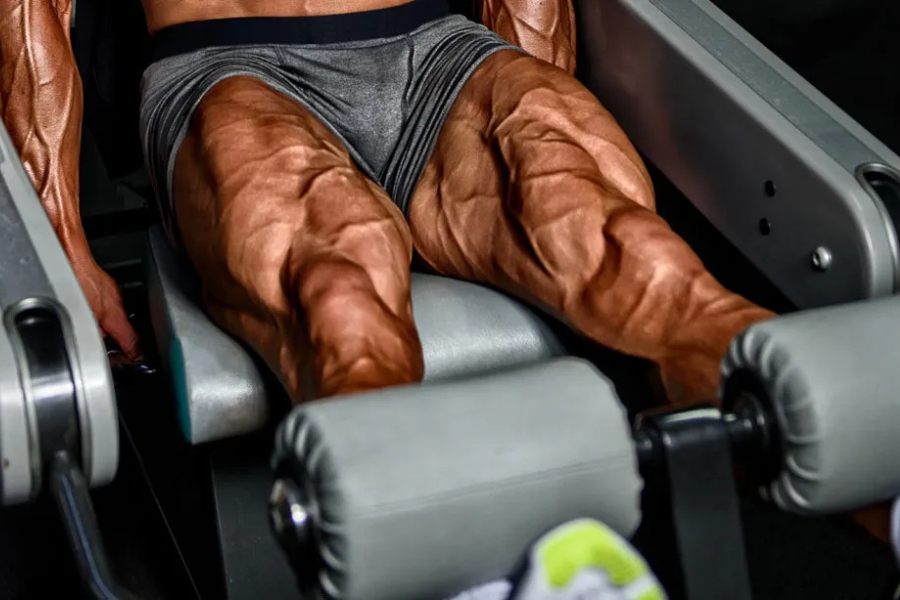
Your quadriceps sit at the front of your thigh and are responsible for straightening your knee and helping flex your hip. Anatomically, the group is made up of four main muscles: rectus femoris, vastus lateralis, vastus medialis, and vastus intermedius, with some research now recognizing a small additional muscle called the tensor of the vastus intermedius. Together they form the most voluminous muscle group in your body and are crucial for strong, athletic legs.
You use your quads any time you:
- Stand up from a chair
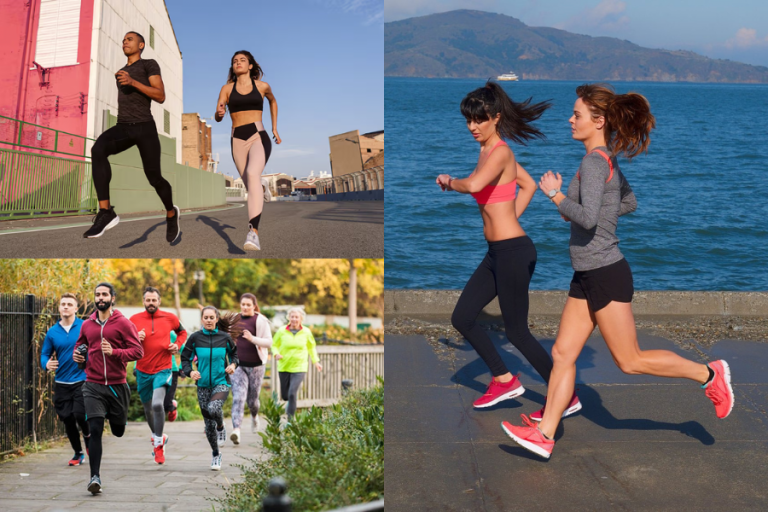
- Walk, run, or sprint
- Climb stairs or hills
- Jump or kick
They also help stabilize your kneecap during movement, which reduces your risk of falls and knee discomfort. Weak quadriceps are linked with a higher risk of knee osteoarthritis, ACL injuries, and patellofemoral pain because your knees lose some of the muscular support they need to handle load and impact, according to 2024 findings summarized on MyAcare.
When you understand how important your quads are for both performance and joint health, it becomes easier to justify giving them focused attention in your training.
Set your quad workout goals
Before you start building a quad muscle workout, decide what you want your training to do for you. Your exact exercises and volume might look slightly different if you are focused on aesthetics versus rehab, but the core principles will stay the same.
If you want muscular size and definition, you will generally aim for hypertrophy focused training. Current guidance from Gymshark suggests training your quads about twice per week, performing at least two quad exercises per session, and accumulating a minimum of 10 total working sets per week in the 8 to 12 rep range, with 3 to 4 sets per exercise.
If your goal is strength for sport or daily life, you will still benefit from some hypertrophy work, but you may include heavier sets with lower reps on compound lifts like front squats. When knee stability and pain reduction are your priority, you will pay closer attention to form, controlled tempo, and progressive loading rather than chasing heavy numbers from day one. Physiotherapy guidance shows that lunges, squats, and specific quad strengthening drills can improve knee pain, function, and stability for everyday activities like standing and stair climbing.
Knowing your main goal helps you choose the right exercises and rep ranges and it stops you from copying random routines that do not match your needs.
Use form that truly targets quads
You can load a barbell with impressive weight and still give your quads only part of the stimulus they could receive. How you set up your lifts has a big impact on which muscles work the hardest.
Barbell back squats, for example, recruit your lower back muscles almost as much as some parts of your quads, which means your back may fatigue before your thighs do. To bias your quads more and reduce lower back limitations, you can use machines like the hack squat or smith machine squat. These options provide stability, so you can keep your torso more upright and focus on bending at the knee rather than hinging at the hip.
Another key lever is your shin angle. Increasing the forward angle of your shins during squats, leg presses, lunges, and Bulgarian split squats shifts more of the work to your quads and away from your glutes and lower back. Elevating your heels on small plates or wearing lifting shoes makes this position easier to achieve, especially if your ankle mobility is limited.
Many gym myths tell you that tiny changes in stance width or sliding your feet forward on a machine will dramatically reshuffle which quad head you are targeting. The current evidence suggests that most of those foot position tricks are overstated or incorrect. Instead of chasing magic angles, focus on full range of motion, a solid forward knee bend, and control throughout each rep so you actually challenge the muscle fibers you want to grow.
Choose the best quad exercises
You do not need a long list of movements to master a quad muscle workout. A small group of well chosen exercises, performed correctly, will cover almost everything you need.
Squat variations for quad focus
Quad focused squats are slightly different from traditional low bar back squats. The goal is to stay more upright and let your knees travel forward so your quads extend the knee under load, rather than letting your hips and lower back dominate the movement.
Some of the best options include:
- Barbell front squat, which holds the bar in front of your body and naturally encourages a tall torso and greater quad activation compared with back squats
- Heel elevated goblet squat, where you stand on a plate or wedge and hold a dumbbell at your chest. The heel elevation increases knee extension demand and reduces hip involvement, which boosts quad engagement and can help work around limited ankle mobility
- Hack squat or machine squat, which stabilizes your body and allows you to drive your knees forward with less stress on your lower back
Whichever version you choose, aim to bend your knees until your thighs are at least parallel to your calves. Many lifters stop at half reps on squats and leg presses, but research shows that a full range of motion leads to better quad development because the muscles work harder over a greater stretch.
Single leg movements for balance and strength
Unilateral, or single leg, exercises are powerful tools for building balanced, stable quads. They expose side to side differences and recruit stabilizing muscles around the knee and hip that might be underused in bilateral movements.
Useful choices include:
- Lunges with the front foot elevated on a plate, which increases knee bend and shifts more emphasis onto the leading leg’s quads. You can progress these by adding dumbbells or a barbell as you grow stronger
- Bulgarian split squats, done with your back foot on a bench and a slightly shorter stance plus an upright torso. This set up increases quad engagement and challenges your balance and coordination
The Bulgarian split squat in particular is known for targeting the stabilizing muscles around the knee and hip even more than some traditional squats, and you can make it easier by reducing the depth at first if you are new to it.
Isolation work for complete development
Compound lifts give you the most bang for your buck, but isolation exercises help you fine tune your quad muscle workout and better target specific areas.
The rectus femoris, which crosses both your hip and knee, is one quad muscle that is not efficiently trained by standard squats and leg presses alone. Leg extensions and sissy squats are more effective at hitting this area. A 2021 study cited by Built With Science found significantly more rectus femoris growth from leg extensions than from squats.
Leg extensions in particular let you load your quads without taxing the rest of your body, so you can include them often and experiment with techniques like single leg sets or short isometric holds at the top to intensify the pump.
Structure your weekly quad routine
Once you know which exercises to include, you can assemble them into a simple structure that fits your schedule. You do not need to train quads every day. Quality and consistency matter more than frequency.
A practical guideline from Gymshark recommends:
- Training your quads twice per week
- Using at least 2 quad focused exercises per session
- Accumulating a minimum of 10 total working sets per week
- Working mostly in the 8 to 12 rep range with 3 to 4 sets per exercise
A week of training might look like this:
Sample quad focused week
Day 1: Front squats, Bulgarian split squats, leg extensions
Day 2: Heel elevated goblet squats, lunges with front foot elevated, leg extensions or sissy squats
You can fold these into a full lower body day or a push focused day depending on your existing plan. Make sure you leave at least 48 hours between intense quad sessions so your muscles and joints can recover before you push them hard again.
If you train at home without equipment, you can still build strong quads. Bodyweight squats are one of the best all around options for your quads, core, and lower body. By adjusting your squat depth, changing tempo, or adding squat jumps and box jumps in low repetitions, you can progress over time while improving lower body power and control.
Train with intensity, not ego
Effective quad training is uncomfortable, but that is not the same as reckless. To grow, your quads need to be challenged close to muscular failure, usually within about three reps of the point where you can no longer perform a rep in good form.
That does not mean you should load up as much weight as possible. In fact, using weights that are too heavy is one of the main reasons lifters stall in quad development. Excessive loading encourages heavy partial reps on squats and leg presses, which shortens your range of motion and reduces muscle activation even if you feel like you are working hard. This kind of ego lifting may impress onlookers but will not deliver the quad growth you want.
Instead, select a weight that lets you move through a full range of motion with control, then push that set until you are one to three reps away from technical failure. For quads, you can safely take some exercises like leg presses, front squats, and lunges very close to failure. Some experienced lifters even go slightly beyond, using techniques like rest pause sets, but that level of intensity is not necessary when you are starting out and it should always be balanced with smart recovery.
If mental fatigue is a barrier on leg day, some people find that a pre workout supplement helps them stay focused enough to sustain the effort that hard quad training requires. Whether or not you use supplements, your main focus should be consistent, high quality sets performed with intent.
Support your quads with mobility and recovery
The work you do outside your quad muscle workout matters as much as the time you spend under the bar. Tight or weak quads can contribute to lower back pain and poor posture, especially if you sit for long hours.
A simple standing quadriceps stretch, where you stand tall and gently pull your heel toward your glutes while maintaining balance, can help correct posture, improve balance, and ease lower back discomfort that is linked to tight quads. Incorporating this and other quad stretches on training and rest days keeps the muscle group flexible and reduces your injury risk.
Regular strengthening and stretching also pays off as you age. Strong quads support stair climbing, make it easier to rise from a chair without using your hands, and allow you to walk or cycle for longer periods without knee pain. These benefits are especially important for older adults, who often struggle with these basic movements if they have not trained their legs consistently over the years.
Pair your stretching with adequate sleep, balanced nutrition, and rest days, and your quads will be better prepared to handle the demands of progressive training.
Putting it all together
To master a quad muscle workout, you do not need complex programming or advanced equipment. You only need a clear understanding of how your quads work, a small set of smart exercise choices, and the discipline to train with good form and sufficient effort.
Start by picking two to three quad focused movements, such as a squat variation, a single leg exercise, and an isolation drill. Train them twice per week, aim for controlled full range reps, and push each working set close to, but not past, the point where your technique breaks down.
Combine that with simple stretching and consistent recovery habits, and you will steadily build stronger, more powerful quads that support both your performance in the gym and your confidence in everyday movement.
About the Author