A Mediterranean diet shopping list is one of the simplest tools you can use to eat better, lose weight gently, and protect your long‑term health. Instead of strict rules or tiny portions, this way of eating focuses on real food, satisfying flavors, and flexible guidelines that you can adapt to your lifestyle (The Mediterranean Dish).
Below you will find a practical, category‑by‑category Mediterranean diet shopping list, plus quick tips for turning those foods into easy meals.
Understand the Mediterranean diet basics
Before you write your first Mediterranean diet shopping list, it helps to know what goes on your plate most of the time.
The Mediterranean diet is built around plant‑based foods like vegetables, fruits, whole grains, legumes, nuts, and seeds, with extra virgin olive oil as the main source of fat (Cleveland Clinic). You eat plenty of these foods daily. Fish and seafood appear often, while poultry, eggs, and dairy are enjoyed in moderation. Red meat and sweets are occasional treats, not everyday staples (Cleveland Clinic).
Instead of following a strict daily menu, you follow a flexible pattern over days and weeks. This is what the Mediterranean diet pyramid is designed to show, a long‑term lifestyle rather than a quick fix (The Mediterranean Dish).
Stock your pantry with core staples
A well stocked pantry makes it easier to follow your Mediterranean diet shopping list without cooking elaborate recipes every night. When the basics are on your shelves, you can build healthy meals quickly.
Essential pantry staples for this way of eating include extra virgin olive oil, canned tomatoes, dried herbs like oregano, and a variety of warming spices that add flavor and support digestion (Mediterranean Living). Canned and jarred goods such as crushed tomatoes, tomato sauce, and tomato paste help you pull together hearty vegetarian dishes using simple ingredients like onions, garlic, and herbs (Mediterranean Living).
Beans and legumes, both canned and dried, are another pantry essential. They provide affordable protein and make quick meals possible when you do not have time to soak dry beans overnight (Mediterranean Living). Whole grains like bulgur wheat and pasta varieties round things out, giving you filling bases for salads, bowls, and warm dinners (Mediterranean Living).
Choose the right oils, vinegars, and fats
On a Mediterranean diet, the type of fat you use matters more than the amount. Extra virgin olive oil, or EVOO, is the star. It has a healthier fat ratio than regular olive oil and is rich in antioxidants that help protect heart and brain cells and calm inflammation in your body (Cleveland Clinic).
When you build your Mediterranean diet shopping list, prioritize:
- Extra virgin olive oil for daily cooking, salad dressings, and drizzling
- Aged balsamic vinegar to brighten roasted vegetables and salads
- Red and white wine for cooking, if you use alcohol in recipes (Mediterranean Living)
Butter and heavy cream move to the background. You might still use them occasionally, but most of your flavor and richness comes from olive oil, nuts, seeds, and naturally rich foods like avocado.
Fill your cart with Mediterranean vegetables
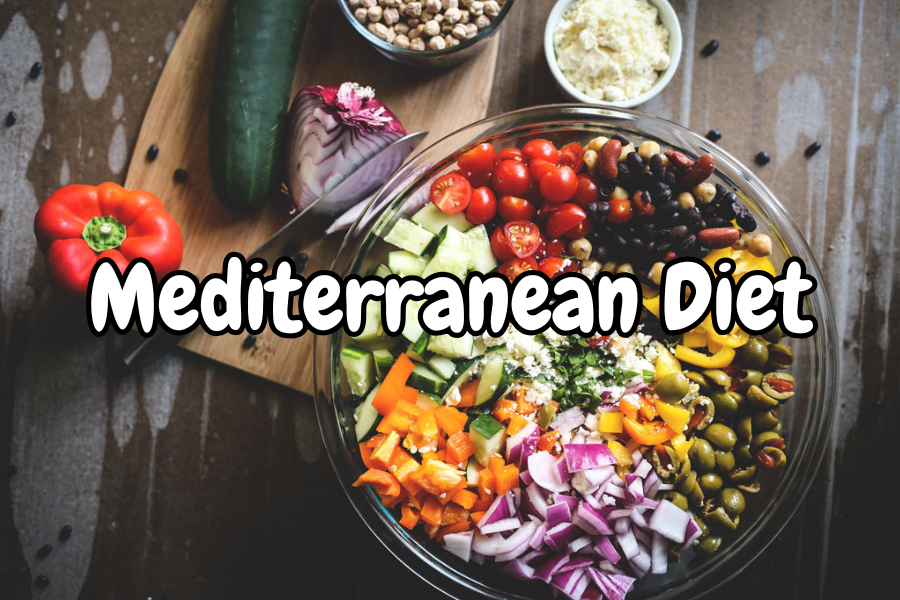
Vegetables sit at the center of the Mediterranean diet. You are encouraged to include them at every meal, aiming for at least three servings a day and a wide variety over the week. A helpful goal is to enjoy around 30 different vegetable varieties weekly to keep your nutrition broad and your meals interesting (Eden Green Technology).
To make your shopping easier, think in categories.
Leafy greens
Leafy greens are some of the most nutrient dense foods you can buy. Spinach is rich in iron and vitamins A and C. Kale brings antioxidants and vitamin K. Arugula adds a peppery flavor plus calcium. You can eat all of these raw in salads, quickly sautéed with garlic, or baked into egg dishes (Eden Green Technology).
Cruciferous vegetables
Cruciferous vegetables support digestion and offer impressive nutrients. Broccoli is packed with vitamins C and K. Brussels sprouts are high in fiber and contain compounds linked with lower cancer risk. Cauliflower is wonderfully versatile. You can mash it, roast it, or pulse it into “rice” for lighter grain bowls (Eden Green Technology).
Nightshades and everyday favorites
Nightshade vegetables bring color and antioxidants. Tomatoes are a key source of lycopene, which supports heart health. Bell peppers are loaded with vitamin C. Eggplant is ideal for grilling or roasting and soaks up flavors beautifully (Eden Green Technology).
Other everyday Mediterranean staples include zucchini, cucumbers, artichokes, onions, and garlic. These offer immune support and antioxidant benefits, and many also grow well as hydroponic plants if you like to garden indoors (Eden Green Technology).
Add fruits, whole grains, and legumes
Fruits, whole grains, and legumes are the backbone of your daily energy on a Mediterranean diet. They keep you full, stabilize your blood sugar, and help you naturally take in fewer empty calories, which can support gradual weight loss.
Your Mediterranean diet shopping list can include a rotating mix of:
- Fruits such as berries, apples, oranges, grapes, and figs
- Whole grains like oats, brown rice, bulgur, barley, farro, and whole grain pasta
- Legumes such as chickpeas, lentils, black beans, cannellini beans, and split peas
The Mediterranean diet encourages you to eat plenty of whole grains, vegetables, fruits, nuts, seeds, and legumes while limiting red meat, sweets, and saturated fats (Cleveland Clinic). With these ingredients at home, you are ready for grain bowls, hearty soups, salads, and simple one pan meals.
Include healthy proteins and dairy
The Mediterranean diet does not cut out meat entirely. Instead, it shifts your focus to seafood and plant proteins, then layers in moderate servings of poultry, eggs, and dairy.
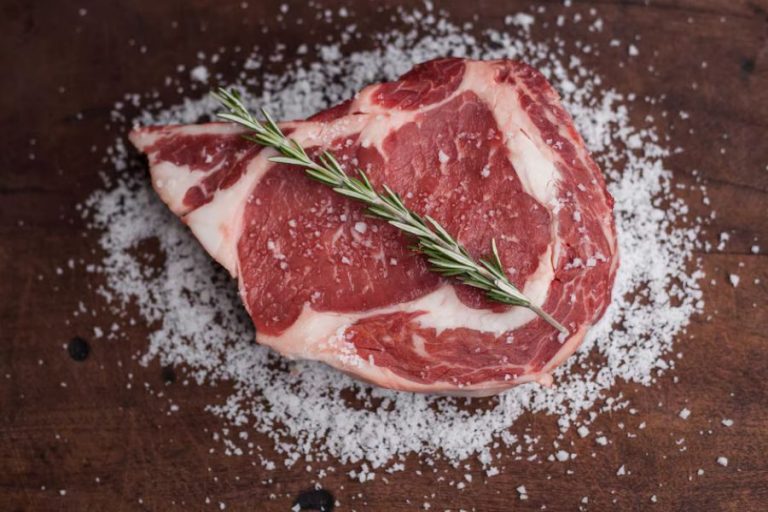
Common meats on a Mediterranean diet are primarily seafood. Poultry, lamb, and lean beef are allowed in moderation, while processed and fatty red meats are limited (The Mediterranean Dish). Beans and legumes help you naturally eat less meat while still meeting your protein needs (Mediterranean Living).
On your Mediterranean diet shopping list, consider:
- Fish and seafood, such as salmon, sardines, tuna, shrimp, or white fish
- Poultry, especially skinless chicken or turkey, once or twice a week
- Eggs, which are versatile for breakfast, lunch, or dinner
- Dairy like plain yogurt, kefir, and modest amounts of cheese
If you are vegetarian or gluten free, you can still follow a Mediterranean style pattern. A dietitian can help you customize your food choices and shopping list to fit your needs while staying within the core principles of the plan (Cleveland Clinic).
At its heart, a Mediterranean diet shopping list is a plant‑forward list. You layer in fish and other proteins, but vegetables, fruits, grains, beans, nuts, and olive oil fill most of your cart and your plate.
Build quick meals from your list
Once you have your Mediterranean diet shopping list set, the next step is turning those ingredients into simple, repeatable meals that support your health and weight goals.
Here are a few easy combinations you can rely on without a full recipe:
- Breakfast: Greek yogurt topped with berries, a drizzle of extra virgin olive oil, and a sprinkle of nuts. Or whole grain toast with mashed avocado, tomato slices, and arugula.
- Lunch: A big salad with mixed greens, chickpeas, chopped cucumbers, tomatoes, olives, and a splash of olive oil and balsamic vinegar. Add a small piece of grilled fish or chicken if you like.
- Dinner: A sheet pan of roasted vegetables such as cauliflower, bell peppers, zucchini, and onions tossed in olive oil and herbs. Serve over bulgur or brown rice with a spoonful of hummus.
- Snacks: Fresh fruit, a small handful of nuts or seeds, carrot sticks with hummus, or a few olives with cherry tomatoes.
By repeating this mix of vegetables, whole grains, legumes, and healthy fats, you are naturally applying the Mediterranean diet pyramid guidelines over the course of your week (The Mediterranean Dish).
Customize your shopping list for your life
One of the biggest strengths of a Mediterranean diet shopping list is how flexible it can be. You do not have to buy every item at once, and you can easily adapt it for your preferences or dietary needs.
The Mediterranean diet can be tailored for vegetarian, vegan, gluten free, or lactose sensitive lifestyles with the help of a dietitian, who can guide you in choosing foods and planning your shopping list around your restrictions (Cleveland Clinic). You might rely more heavily on beans, lentils, tofu, and gluten free whole grains if that fits you better.
If you like structure, you can download a practical Mediterranean diet shopping list to keep on your fridge or phone. Tools like these are designed to help you stock your pantry with Mediterranean staples and plan weekly meals more easily (The Mediterranean Dish).
Start with one small step this week. For example, add extra virgin olive oil, two new vegetables, a whole grain, and a can of beans to your cart. With a few consistent choices like these, you will gradually shift your kitchen, and your eating habits, toward a Mediterranean pattern that supports both weight management and better long term health.
About the Author