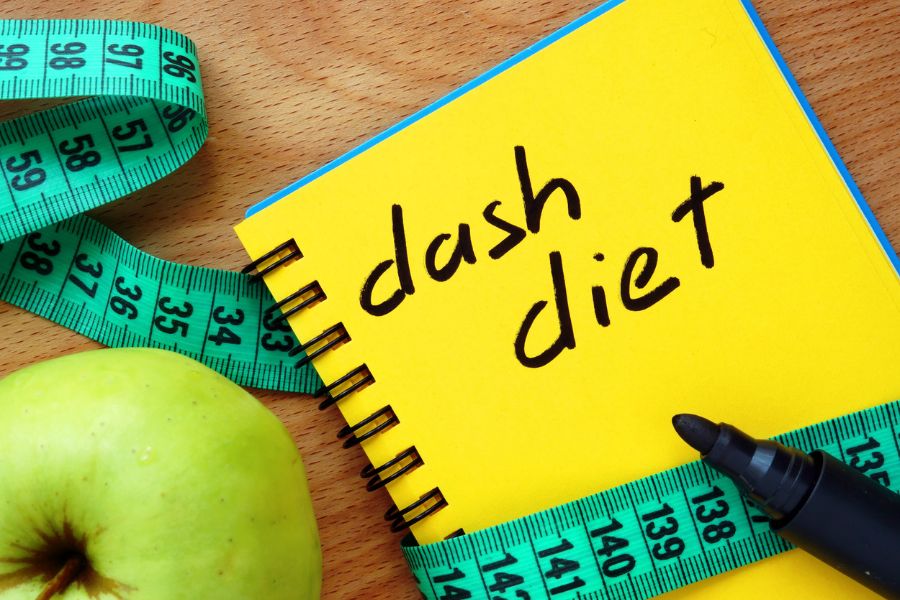
A dash diet weight loss plan does not have to feel strict or boring. With a few simple hacks, you can turn this heart healthy way of eating into something that actually feels fun and flexible while still supporting weight loss and better blood pressure.
The DASH diet, or Dietary Approaches to Stop Hypertension, was first created to lower high blood pressure. Over time, researchers noticed it could also help people lose weight by focusing on whole foods, less sodium, and fewer added sugars and refined fats (Live Science). You get structure, but you still have room for favorite foods.
Below are practical, “real life” ways to use the DASH diet for weight loss without feeling like you are on a never ending diet.
Understand how DASH supports weight loss
Before you get to the hacks, it helps to know what makes DASH so effective for weight and health.
On a standard DASH diet you eat about 2,000 calories per day with:
whole grains, plenty of fruits and vegetables, 2 to 3 servings of low fat dairy, and smaller amounts of lean meat or poultry (Live Science). The focus is on foods rich in potassium, calcium, magnesium, and antioxidants like beets, broccoli, sweet potatoes, and berries. These nutrients help combat oxidative stress and support lower blood pressure, which indirectly supports weight loss.
A 2016 review found that people following the DASH diet lost about 3.1 pounds over 8 to 24 weeks, reduced BMI by 0.4 units, and shrank their waist by 0.4 inches compared with other diets, with stronger effects in people who had overweight or obesity (Live Science).
For weight loss specifically, the National Heart, Lung, and Blood Institute recommends adjusting your DASH plan to a calorie level that matches your age, sex, activity, and health needs, usually somewhere between 1,200 and 3,100 calories per day (MedlinePlus).
In short, you lose weight not because of a gimmick, but because you are:
- Eating fewer ultra processed, salty foods
- Filling up on satisfying fiber and protein
- Controlling portions and total calories
Once you understand that, you can start to “hack” the DASH diet in ways that work with your habits.
Turn servings into simple visual shortcuts
The official serving recommendations can sound technical. Six to eight grain servings, four to five vegetable servings, and so on. When you are busy, you probably do not want to count every single serving.
Instead of tracking perfectly, try using visual shortcuts:
- Grains: one slice of bread or half a cup of cooked rice, pasta, or oatmeal
- Vegetables: half a cup cooked or one cup raw salad greens
- Fruit: one small piece of fruit or half a cup of chopped fruit
- Dairy: one cup milk or yogurt or 1½ ounces cheese
- Meat, poultry, fish: about 3 ounces, roughly the size of a deck of cards or the palm of your hand
You can aim for a simple, everyday pattern:
- Breakfast: 2 grain servings, 1 fruit, 1 dairy
- Lunch: 2 grain servings, 2 vegetables, 1 fruit, 1 lean protein
- Dinner: 2 grain servings, 2 vegetables, 1 lean protein, 1 dairy or fruit
- Snacks: 1 to 2 times per day, using fruit, nuts, or low fat dairy
This keeps you close to DASH guidelines without turning every meal into math.
Make vegetables the star in fun ways
On the DASH diet vegetables and fruits are not just side dishes. They are the foundation. That might sound tough, until you see how flexible it can be.
Izzy, a 60 year old clerk, lost weight and brought her blood pressure down to 110 to 115 over 60 to 65 by following the DASH eating plan for 2 years (Alberta Health Services, Kaiser Permanente). One of her biggest changes was making vegetables the main part of her meals. At lunch she would often eat a large plate of raw cauliflower, broccoli, radishes, cucumbers, carrots, and tomatoes.
You can borrow that idea and still keep it interesting:
- Turn your salad into the main event by starting with a big bowl of greens and piling on colorful veggies, beans, and grilled chicken or tofu.
- Swap half your pasta for steamed broccoli or zucchini ribbons so your bowl is mostly vegetables with a smaller amount of noodles.
- Build snack plates with raw vegetables, hummus, and a small portion of whole grain crackers.
The trick is to treat vegetables like the centerpiece, not the afterthought. You naturally eat fewer calories and more fiber without feeling like you are cutting back.
Use low fat dairy as a satisfying snack hack
Low fat dairy is a key part of the DASH diet because it offers calcium, protein, and other nutrients with relatively few calories. The plan typically includes 2 to 3 servings of low fat dairy per day (Live Science, MedlinePlus).
Izzy made sure she got three servings daily, usually through low fat mozzarella sticks and fruit smoothies made with nonfat vanilla yogurt (Alberta Health Services, Kaiser Permanente).
You can turn this into an easy weight loss hack:
- Keep low fat string cheese in the fridge for a quick, portion controlled snack.
- Blend a smoothie with nonfat yogurt, frozen berries, and a small handful of oats for staying power.
- Stir plain low fat yogurt with a teaspoon of honey and cinnamon instead of reaching for ice cream.
These snacks fit naturally into the DASH pattern while helping you avoid higher calorie, salty, or sugary options.
Lower sodium without losing flavor
One of the core principles of DASH is reducing sodium. Typical targets are either up to 2,300 milligrams per day or a lower goal of 1,500 milligrams per day depending on your blood pressure and healthcare provider’s guidance (MedlinePlus).
The problem is that salty foods are often the ones you crave. Processed snacks, cured meats, takeout, and fast food are all high in sodium (Live Science). Cutting them out suddenly can feel like punishment.
Instead, experiment with flavor hacks:
- Use fresh herbs, garlic, citrus juice, and spices like smoked paprika or cumin to give meals depth.
- Replace salty sauces with vinegar based dressings, salsa, or yogurt sauces.
- Rinse canned beans and vegetables before eating to remove some of the sodium.
- Choose “low sodium” or “no salt added” versions of staples whenever possible.
When you still want some salt, try using a pinch at the table instead of lots of salt during cooking. You taste it more on the surface of your food, so you can often use less overall.
If you have kidney problems or take certain medications, talk with your healthcare provider before using salt substitutes or dramatically changing your potassium intake, since these can interact with your treatment (MedlinePlus).
Keep treats in the plan, not off limits
One of the reasons the DASH diet works long term is that it is flexible. Izzy did not give up nachos, she just enjoyed them less often and in smaller portions (Alberta Health Services, Kaiser Permanente). That balance helped her stick with the plan for years and keep the weight off.
You can do the same with your favorites:
- Schedule small indulgences a few times a week instead of deciding on the spot.
- Shrink the serving, not the experience. Use a small plate and eat slowly.
- Pair a treat with something nutrient dense, like a small brownie with a bowl of berries.
Limiting added sugars is part of the DASH approach, so think of desserts as an accent instead of the main event. That way you protect your progress without feeling deprived.
Combine DASH with movement you enjoy
Food is the foundation of dash diet weight loss, but adding movement makes your results even stronger.
Guidelines suggest at least 30 minutes of moderate intensity activity on most days to support heart health and weight loss, and about 60 minutes per day to help prevent weight gain (MedlinePlus).
The key is to pick activities you do not dread:
- Walk after dinner and listen to a podcast.
- Try a short home workout video between meetings.
- Garden, dance in your living room, or take the stairs whenever you can.
You do not have to do all your activity at once. Three 10 minute walks can be just as effective as one 30 minute session. When you pair daily movement with the DASH eating pattern, you create a powerful combination for steady, sustainable weight loss.
Adjust DASH to your preferences and lifestyle
Another reason DASH works is that it is flexible enough for different lifestyles. It can be adapted for vegetarians, vegans, or gluten free diets (MedlinePlus). The core idea is always the same: plenty of fruits and vegetables, whole grains, low fat dairy if you use it, lean proteins, and limited sodium, added sugars, and saturated fat.
If you are vegetarian, you can rely more on beans, lentils, tofu, and nuts for protein. If you are gluten free, choose whole grain gluten free options like brown rice, quinoa, or certified gluten free oats. If you are not used to much fiber, increase it slowly to avoid gas and bloating, since the DASH diet can significantly boost your fiber intake (MedlinePlus).
You can also adjust your calorie level up or down based on your needs while keeping the DASH balance of food groups. That lets you use the same framework for weight loss and then for weight maintenance later.
Think of the DASH diet as a flexible template, not a strict rulebook. You fill in the details with foods you enjoy.
Put one small hack into practice today
You do not need to overhaul your entire routine overnight to start seeing benefits from dash diet weight loss strategies. Choose one small change you can make today:
- Swap your usual salty snack for sliced vegetables with hummus.
- Add one extra serving of fruit or vegetables at lunch.
- Use herbs and lemon instead of extra salt at dinner.
- Blend a yogurt and fruit smoothie instead of grabbing a pastry.
Once that feels easy, layer in another. Over time, these small, enjoyable changes add up to lower blood pressure, gradual weight loss, and a way of eating that feels realistic instead of restrictive.
About the Author