A paleo diet can feel like a big shift, but at its core it is simply a return to whole, minimally processed foods. By focusing on lean meats, fish, eggs, vegetables, fruits, nuts, and seeds, and cutting back on refined products, you give your body steady energy and a break from the constant flood of sugar and additives that come with many modern diets (Mayo Clinic).
If you are curious about using the paleo diet for weight loss and better health, this guide walks you through what it is, how it helps, and what to watch out for.
Understand what the paleo diet really is
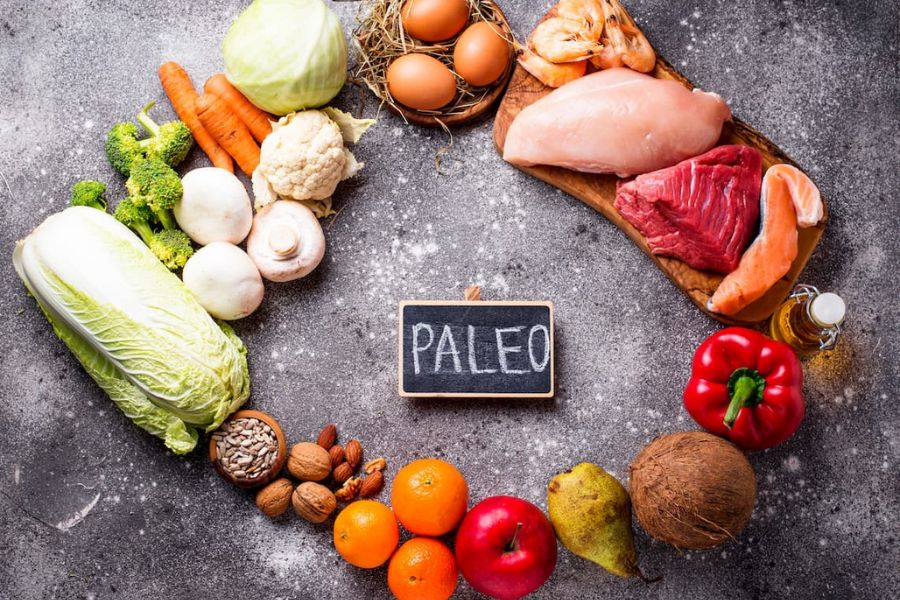
At its simplest, the paleo diet is built around foods your hunter gatherer ancestors could have eaten. You prioritize whole foods like vegetables, fruits, lean meats, fish, eggs, nuts, and seeds, and you avoid grains, legumes, dairy, and most processed foods that only appeared once farming and food manufacturing took off about 10,000 years ago (Mayo Clinic).
While the marketing often focuses on meat, the pattern is actually very plant centered. Non starchy vegetables and fruit in moderation take up a lot of space on your plate, then you add natural meats, seafood, some nuts and seeds, and healthy fats (NUNM). Processed foods, added sugars, and refined oils move off your daily menu, which alone can make a noticeable difference in how you feel.
Many modern versions also build in lifestyle habits like regular movement and stress management, so you are not just changing what you eat, you are supporting your health from multiple angles (Healthline).
See how paleo can support weight loss
If you are trying to lose weight, the paleo diet can help you in several practical ways.
You naturally reduce ultra processed foods that are engineered to be easy to overeat and you replace them with higher fiber vegetables and protein rich foods. Protein and fiber help you feel full, which makes it easier to stop when you have had enough. You also remove sugary drinks and refined snacks, two common sources of excess calories and blood sugar swings.
Short term studies suggest that people following a paleo pattern tend to lose more weight than those on some conventional control diets, at least in the first months. A meta analysis of 21 randomized trials found that adults on a Paleolithic style diet lost an average of 5.8 kilograms in short term studies, compared with 3.9 kilograms in control groups (PMC, MDPI). In a separate study of postmenopausal women with obesity, participants lost about 9 percent of their body weight at 6 months and 10.6 percent at 12 months after starting paleo (Healthline).
You will not see the same numbers as everyone in those studies, but the pattern is clear. When you base your meals on real, nutrient dense foods and cut out most processed options, your calorie intake often drops without strict tracking.
Improve blood sugar and energy levels
If you struggle with energy crashes, carb heavy snacks, or blood sugar concerns, the paleo diet can be especially appealing. By focusing on whole foods and removing most refined carbohydrates, you avoid the sharp spikes and crashes in blood sugar that come with a high intake of white flour, sugary drinks, and candy.
Research shows that a Paleolithic diet can improve markers of carbohydrate metabolism. In a meta analysis, people following paleo had lower fasting blood glucose and insulin levels, as well as improved insulin resistance and HbA1c compared with control diets in the short term. Some of these improvements in fasting glucose and insulin also persisted in longer term follow up (PMC, MDPI).
In your day to day life, that can translate into steadier energy, fewer mid afternoon crashes, and an easier time managing cravings. Instead of reaching for quick sugar fixes, you build meals around protein, vegetables, and healthy fats that keep you fueled and satisfied.
Support heart health with smarter food choices
The paleo diet is not officially endorsed by major heart health organizations, but early research suggests it can improve several cardiovascular risk factors when you apply it thoughtfully.
Clinical studies show that, compared with some control diets, paleo can reduce waist circumference, triglycerides, and blood pressure, and improve insulin sensitivity and certain cholesterol markers (NCBI Bookshelf). In long term studies, people on a Paleolithic diet saw larger reductions in total cholesterol and LDL cholesterol than those on control diets, while the control diets did not significantly change these lipids (PMC, MDPI).
Your heart also benefits from the types of fats you emphasize. When you choose grass fed meats and wild, sustainably caught seafood, you increase your intake of omega 3 fats and improve your overall fat profile, which can help reduce inflammation and support heart health (EatingWell). Add plenty of vegetables and some nuts and seeds, and you have a pattern that moves you away from processed oils and toward more heart friendly options.
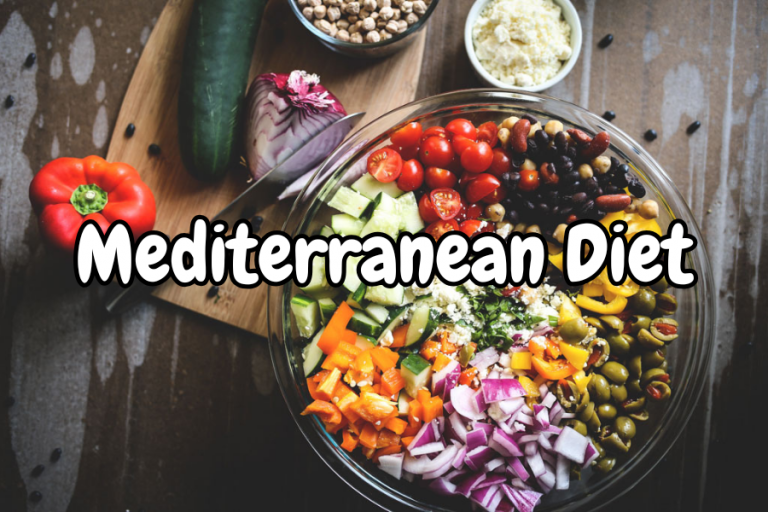
At the same time, it is important to remember that organizations like the American Heart Association do not currently endorse paleo, in part because of concerns about long term nutritional balance and the limited evidence that it outperforms other well researched diets such as the Mediterranean or DASH patterns (NCBI Bookshelf). You can still borrow the strengths of paleo, such as whole foods and fewer processed products, while staying mindful of these caveats.
Enjoy flexibility instead of strict rules
You might worry that a paleo diet is all or nothing. In practice, you have more flexibility than you might expect. The Paleo Diet organization itself promotes a range of adherence, for example eating 50 to 85 percent paleo foods, and still reports benefits like reduced inflammation, improved blood lipids, better blood sugar control, clearer skin, and weight loss (The Paleo Diet).
You also do not need to obsess over calorie counting or macronutrient ratios. Since you are focusing on nutrient dense, minimally processed foods, your appetite signals often become more reliable and your intake tends to regulate naturally without strict tracking (The Paleo Diet).
Modern versions of the diet sometimes include modest amounts of coffee and alcohol, especially options like black coffee and small servings of sulfite free red wine or spirits over beer (The Paleo Diet). You can even work in occasional sweet treats by swapping refined sugar for honey and wheat flour for almond flour, as long as those desserts stay occasional rather than daily habits (The Paleo Diet).
All of this flexibility makes paleo more sustainable than very rigid low carb plans for many people, and it is one reason some experts consider it easier to stick with over time than keto (Healthline).
You do not have to eat exactly like a caveman to benefit from paleo ideas. Even moving part of the way toward more whole foods and fewer processed products can make a noticeable difference in your health.
Be aware of potential drawbacks
Like any eating pattern, the paleo diet has trade offs that you should understand before you commit.
Because it removes all grains, legumes, and dairy, you miss out on some convenient and nutrient rich foods that many people tolerate well. Those food groups are important sources of fiber, calcium, vitamin D, and other vitamins and minerals in many diets. Health experts are concerned that a strict paleo approach can increase your risk of deficiencies in nutrients like calcium and vitamin D, especially if you do not plan carefully (Mayo Clinic, NCBI Bookshelf).
There are also questions about long term cardiovascular effects. Some research suggests that lower intake of prebiotic fibers from grains and legumes might raise levels of certain markers like TMAO, which are associated with cardiovascular disease, although this area is still emerging and needs more study (NCBI Bookshelf).
Cost and practicality matter too. Fresh produce, wild seafood, and grass fed meats can be more expensive and harder to access, which makes strict paleo challenging for many people. The plan is also very difficult to follow if you are vegetarian or vegan, since it removes legumes, a major plant protein source (NUNM).
Finally, there are no large, long term clinical trials proving that paleo is superior to other balanced diets. Some of the cardiovascular benefits linked to paleo, such as better blood lipids and blood pressure, can also be achieved with other approaches like the Mediterranean diet that do include whole grains, legumes, and low fat dairy (Mayo Clinic).
Knowing these limitations lets you make a more informed decision and, if needed, work with a healthcare provider or dietitian to customize the diet for your needs.
Decide how to make paleo work for you
If you like the idea of the paleo diet but feel overwhelmed, start small and focus on changes that fit your life.
You might begin by:
- Swapping sugary breakfast cereals for eggs with vegetables and some fruit
- Replacing sweetened drinks with water, herbal tea, or black coffee
- Filling half your plate with colorful vegetables at lunch and dinner
- Choosing unprocessed meats and wild or sustainably sourced fish when possible
- Gradually reducing refined snacks like cookies, chips, and candy
From there, you can decide how strictly you want to cut out grains, legumes, and dairy. Some people feel best on a mostly paleo pattern with occasional servings of oats, beans, or yogurt, especially if they value the fiber and convenience those foods provide. Others prefer to stay closer to a traditional paleo template.
Whichever route you choose, pay attention to how you feel. Notice changes in your energy, digestion, hunger, weight, and lab results if you have them checked. This feedback will help you adjust your version of paleo so that it supports your long term health, not just short term goals.
If you are managing chronic conditions or taking medication, check in with your healthcare provider before making major changes. They can help you watch for nutrient gaps, adjust doses if your blood pressure or blood sugar improves, and make sure this way of eating fits your medical picture.
By approaching the paleo diet as a flexible, whole foods framework rather than a rigid identity, you give yourself the best chance to enjoy its benefits for weight loss and health while avoiding common pitfalls.
About the Author