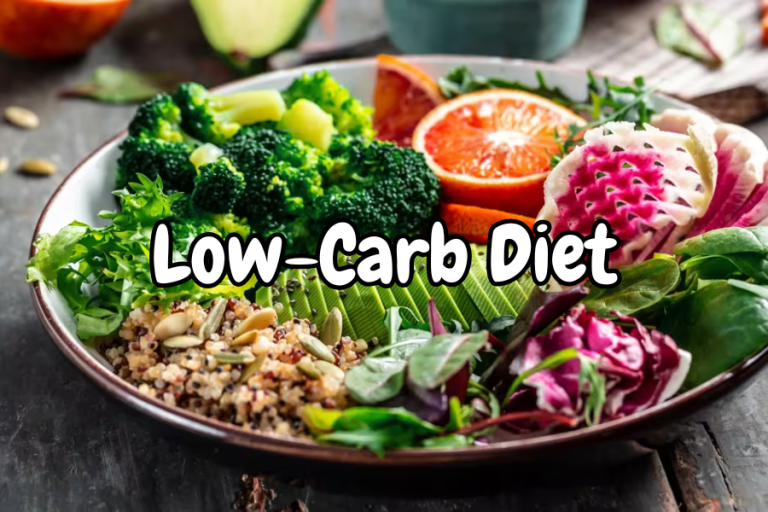
A ketogenic diet can be surprisingly compatible with a packed schedule, as long as you keep things simple and plan for real life instead of an ideal one. The key is understanding how the keto diet works, then building quick meals, smart shortcuts, and flexible routines around it.
Understand what the keto diet actually is
At its core, the ketogenic diet is very low in carbohydrates, high in fat, and moderate in protein. When you limit carbs enough, your body shifts into a metabolic state called ketosis. In ketosis, you burn fat for fuel and produce ketones, which also supply energy to your brain (Healthline).
Most keto approaches give you roughly:
- About 70 to 75 percent of your calories from fat
- About 20 to 25 percent from protein
- About 5 to 10 percent from carbohydrates
Practically, that often means 20 to 50 grams of net carbs per day, depending on your size, activity level, and health status (Healthline).
Research suggests that a well structured keto diet can:
- Support weight loss, sometimes slightly more than low fat diets, while often reducing hunger (Healthline)
- Improve insulin sensitivity and help lower A1C in people with type 2 diabetes (Healthline)
- Reduce seizures in certain forms of epilepsy and may have other neurological applications, though evidence is still emerging (UC Davis Health)
At the same time, it is a restrictive diet that is not right for everyone and it carries potential side effects and risks, especially if you have underlying health conditions. You should always talk with your healthcare provider before starting keto, particularly if you take diabetes medications, have kidney disease, heart disease, or a history of disordered eating (University of Chicago Medicine).
Set realistic goals for your lifestyle
To make the keto diet work in a busy life, you need clarity on why you are doing it and how strict you realistically want to be. You might want to lose weight, stabilize blood sugar, control cravings, or simply feel more focused and energetic.
Keto can help with weight loss and blood sugar, but long term fat loss still comes down to a sustainable calorie deficit and habits you can maintain. There is also a high risk of regaining weight if you abandon the diet suddenly and return to old patterns (Northwestern Medicine).
You may find it helpful to decide:
- Whether you want strict keto, usually under 20 to 30 grams of carbs per day
- Or a more moderate low carb plan, which can still improve health but is easier to maintain and more social
For a busy lifestyle, many people do better when they:
- Commit to a time frame, such as trying keto for 4 to 8 weeks
- Build in non food goals like sleeping 7 hours, walking daily, and drinking enough water
- Focus on consistency over perfection, especially when work and family demands spike
If you think of keto as a short term fix, you are more likely to bounce between extremes. Viewing it as an experiment to learn what works for your body tends to lead to better decisions and less guilt.
Choose keto foods that are quick and practical
The best keto diet is the one you can actually follow on a hectic Tuesday. You do not need elaborate recipes or expensive specialty products. You do need a mental shortlist of everyday foods that keep you in ketosis and work with your taste buds and routine.
Build meals around simple proteins
Protein keeps you full, stabilizes blood sugar, and protects your lean muscle mass while you lose weight (Healthline). On keto, you will probably rely on:
- Eggs in any form
- Chicken thighs or breasts
- Ground beef or turkey
- Canned tuna or salmon
- Pre cooked rotisserie chicken
- Tofu or tempeh if you are vegetarian and your plan allows it
Protein rich foods like meat, poultry, seafood, and eggs are either carb free or very low in carbs and provide important nutrients like B vitamins and omega 3 fats (Healthline).
Lean on low carb vegetables
Non starchy vegetables add volume, fiber, and micronutrients without kicking you out of ketosis. Great everyday choices include:
- Leafy greens such as spinach, romaine, kale, and arugula
- Broccoli, cauliflower, and Brussels sprouts
- Zucchini, yellow squash, and bell peppers
- Asparagus, green beans, cucumbers, and mushrooms
These vegetables are generally low in net carbs and can be roasted on a sheet pan, quickly sautéed, or eaten raw in salads, which fits nicely with a busy schedule (Healthline).
Use fats strategically, not endlessly
Keto is high in fat, but that does not mean you should load every meal with bacon and butter. Health experts caution that focusing heavily on saturated fats and processed meats may raise LDL cholesterol and strain heart and kidney health (Northwestern Medicine).
Healthier everyday fat sources include:
- Olive oil and avocado oil
- Avocados and olives
- Nuts and seeds in moderate portions
- Fatty fish like salmon, sardines, and mackerel
These fats are naturally carb free or very low in carbs and are linked with better heart and metabolic health when they replace saturated fats (Healthline).
The trick is to add enough fat that you feel satisfied but still pay attention to portions. Calories still matter for weight loss, even on keto.
Simplify your meals with repeatable formulas
One of the easiest ways to fit keto into a busy lifestyle is to stop thinking in terms of recipes and start thinking in terms of formulas. A formula is a reusable pattern that you can plug different ingredients into without much thought.
For example:
- Breakfast: eggs + low carb vegetables + a fat source. Scrambled eggs with spinach and feta in olive oil one morning, omelet with mushrooms and cheddar the next.
- Lunch: salad greens + protein + crunchy low carb toppings + dressing. Mixed greens with chicken, cucumber, sunflower seeds, and olive oil vinaigrette can be assembled quickly at home or at the office.
- Dinner: protein + roasted or sautéed vegetables + simple fat. Baked salmon with roasted broccoli and a drizzle of olive oil, or burger patties with zucchini and a slice of cheese.
Keeping a few go to freezer and pantry staples on hand, such as frozen vegetables, canned fish, and nuts, means you can build these meals in minutes even when you come home tired.
If a meal takes longer to think about than to cook, it will probably not last in your weekly routine.
Plan ahead just enough to avoid decision fatigue
You do not have to spend all Sunday meal prepping, but a bit of planning will keep the keto diet from collapsing the moment your day goes sideways.
You might try:
- Pre cooking one or two proteins like a tray of chicken thighs or a batch of ground beef for quick bowls and salads
- Washing and chopping a few vegetables so they are ready to toss into pans or containers
- Portioning out a few grab and go snacks like nuts, cheese sticks, or hard boiled eggs
Even 30 to 45 minutes of light prep once or twice a week can save you from last minute, carb heavy takeout when you feel too tired to cook.
If your schedule is unpredictable, consider a short weekly template. You could repeat the same breakfast Monday through Friday and rotate two or three simple dinners. Removing small decisions gives you more mental energy for bigger ones.
Navigate eating out and social events
You do not live in a food bubble. Work lunches, travel days, and family celebrations are where many keto attempts fall apart. With a little strategy, you can usually find something that fits your plan without drawing too much attention to yourself.
At restaurants, look for:
- Grilled or baked proteins like steak, chicken, fish, or burgers, and skip the bun
- Side salads with dressing on the side, or double vegetables instead of fries or rice
- Omelets or egg dishes at breakfast spots, plus bacon, sausage, or avocado if they fit your fat targets
If someone else is hosting, you can offer to bring a dish that you know you can eat, such as a large salad with olive oil dressing or a platter of cheese, olives, and sliced vegetables.
It is also helpful to decide your boundaries in advance. You might commit to staying keto at weekday events but allow a small, planned carbohydrate at special occasions. Since long term adherence is challenging, building flexibility into your week can make the diet feel less like all or nothing (Northwestern Medicine).
Watch for side effects and protect your health
When you first start the keto diet, you may experience flu like symptoms such as headaches, fatigue, nausea, dizziness, or constipation. This is often called the keto flu and it usually appears within the first few days as your body adapts to using ketones instead of glucose. These symptoms are largely due to fluid losses and changes in electrolytes (Healthline).
To reduce early side effects, you can:
- Drink plenty of water throughout the day
- Include electrolyte rich foods and talk to your provider about whether a supplement is appropriate
- Ease into lower carbs over one to two weeks instead of dropping suddenly
Beyond the initial transition, there are more serious considerations. The keto diet can:
- Make it harder to get enough fiber, magnesium, vitamin C, and potassium, especially if you skip vegetables and fruits, which increases the risk of constipation and nutrient deficiencies (Northwestern Medicine)
- Increase LDL cholesterol in some people, depending on the types of fats you choose and your genetics, which may raise heart disease risk (UC Davis Health)
- Worsen kidney issues or contribute to kidney stones in people who are susceptible, particularly if the diet is high in animal proteins and low in alkaline forming plant foods (Healthline)
If you have diabetes and use medications that lower blood sugar, transitioning to keto without medical supervision can increase the risk of dangerous hypoglycemia. You may need medication adjustments very quickly, so medical guidance is essential (University of Chicago Medicine).
Regular lab work, including cholesterol panels and kidney function tests, is a smart idea before and after starting keto so you and your healthcare team can respond early to any concerning changes.
Decide how keto fits into your long term plan
Because keto is restrictive and can be hard to maintain socially and psychologically, many dietitians do not recommend it as a long term weight loss solution for most people. They are particularly concerned about how it limits fruits, whole grains, and legumes, which are associated with better long term health and easier adherence (University of Chicago Medicine).
You can still benefit from a period of keto if you use it to:
- Learn how your body responds to carbohydrates
- Break a habit of constant snacking on refined carbs
- Reset your sense of fullness and cravings
From there, you might transition to a more moderate, higher fiber pattern that keeps some keto principles, such as prioritizing whole foods and minimizing added sugars, while making room for more variety and social flexibility.
If you choose to move off keto, reintroducing carbohydrates gradually and from whole food sources can help reduce rapid water weight gain, blood sugar swings, and digestive discomfort.
Bringing it all together
When your lifestyle is busy, the keto diet needs to be simple, flexible, and grounded in your real world constraints. That means:
- Focusing on a short list of everyday keto friendly foods you like
- Relying on meal formulas instead of complicated recipes
- Doing just enough planning to avoid last minute carb heavy defaults
- Staying aware of side effects and getting medical support when needed
Used thoughtfully, keto can be one tool among many for weight loss and better metabolic health. The real success comes from building habits you can maintain on your busiest days, not only on the days that go exactly as planned.
About the Author