A carnivore diet vs keto comparison can feel confusing when you are simply trying to lose weight and feel better. Both limit carbs, both emphasize protein and fat, and both are popular for fast results. The big differences are in what you actually eat day to day, how sustainable each approach is, and what the long‑term health tradeoffs might be.
This guide walks you through how each diet works, how each can affect your weight and health, and how to decide what makes sense for you.
Understand the basics of carnivore vs keto
Before you think about results, it helps to get clear on what you would actually be eating.
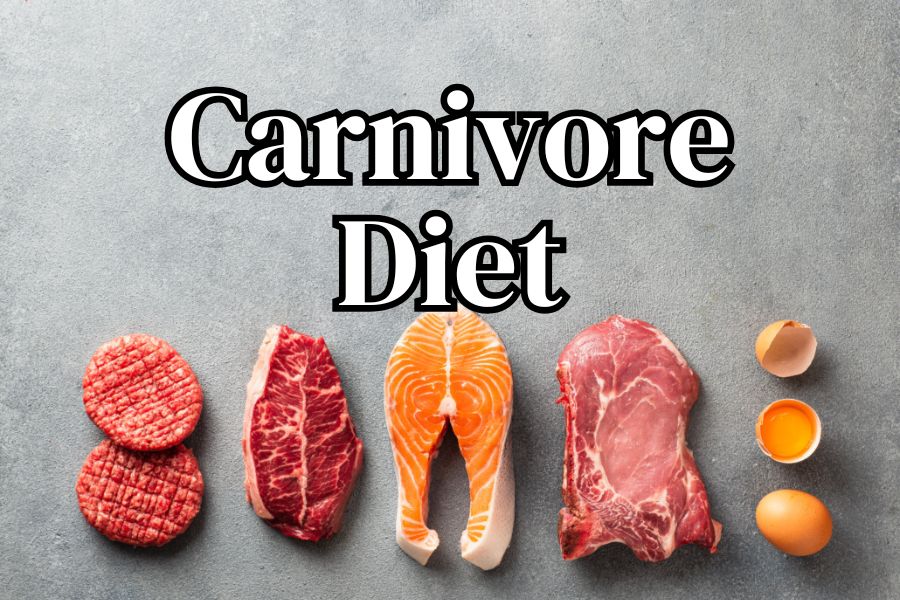
On the carnivore diet, you eat only animal foods. That means meat, fish, eggs, and usually some dairy like cheese and butter. You cut out all fruits, vegetables, grains, beans, nuts, seeds, and anything plant based. It is often called a zero carb or all meat diet, and it is considered an extreme version of low carb eating that is likely unhealthy over time, with no controlled studies yet supporting its health claims (Healthline, University Hospitals).
On the keto diet, you still limit carbohydrates to around 50 grams per day so your body can enter ketosis, which is a state where you burn fat for fuel instead of glucose. Unlike carnivore, you can eat both plant and animal foods as long as they are low in carbs and high in fat, such as nonstarchy vegetables, nuts, seeds, and healthy oils (Health).
In simple terms, carnivore is animal products only, while keto is low carb and high fat but includes both plant and animal options.
How each diet drives weight loss
Both carnivore and keto are popular because people often lose weight quickly in the first few weeks. The main reasons are similar, even though the food lists are different.
When you follow a carnivore diet, you tend to eat a lot of protein and fat. Protein is very filling, and fat can keep you satisfied for longer. This combination often leads you to eat fewer calories naturally, even without counting, which can trigger weight loss. High protein and low carb diets in general can increase satiety and metabolic rate, but the research does not show that you need to cut carbs to zero to get those benefits (Healthline).
On keto, your weight loss is tied to both satiety and ketosis. Since you sharply reduce carbs, your body uses stored glycogen and loses water weight at first. Over time, eating high fat and moderate protein can help you feel full on fewer calories, and ketosis itself means your body is using fat as its main energy source. Very low carb ketogenic diets have been shown to reduce body weight and improve some metabolic markers in the first 6 to 12 months (Cureus).
So for weight loss, you can expect:
- Rapid early loss from both diets, partly from water and glycogen
- Appetite control because you are eating more protein and fat
- A similar basic mechanism: fewer carbs and fewer total calories
Where they differ is in how restrictive they feel and how realistic they are to maintain after those first few weeks.
Food flexibility and day‑to‑day lifestyle
If you look at carnivore diet vs keto through the lens of your daily life, the contrast becomes clearer.
With carnivore, your menu is narrow. Breakfast might be eggs and bacon, lunch could be steak or burger patties, and dinner might be salmon, chicken thighs, or more red meat. Snacks, if you have them, are usually meat or cheese. Because you eliminate entire food groups, including fruits, vegetables, grains, and legumes, you lose out on flavor variety, textures, and many easy, quick foods. Nutrition experts describe carnivore as highly restrictive and difficult to sustain socially and practically for most people (Inspira Health Network, Archer Jerky).
Keto is still strict compared to a typical diet, but you have more room to work with. You might have eggs with avocado for breakfast, a salad with grilled chicken and olive oil for lunch, and salmon with roasted nonstarchy vegetables for dinner. You can include nuts, seeds, and a wider range of flavors and textures. This flexibility is one reason keto is generally considered more sustainable than carnivore, even though many people still struggle to stay with it long term (Health).
If you enjoy variety and social eating, keto will likely feel less claustrophobic than carnivore.
Short term health changes you might notice
When you switch to a carnivore diet vs keto, your body needs time to adjust. You may notice both positive and negative changes, especially in the first few weeks.
On carnivore, some people report fast weight loss, fewer cravings, and a sense of mental clarity. Others feel tired, constipated, and sluggish. Because you remove all carbohydrates and fiber, your digestion can change dramatically. The lack of fiber and plant compounds may increase the risk of constipation and gut inflammation, even if you initially feel lighter or less bloated (Healthline). There are also anecdotal reports of symptom relief in people with certain food sensitivities, but these are not backed by strong long term studies (University Hospitals).
On keto, you might experience what many call the keto flu. This can include fatigue, irritability, brain fog, and headaches as your body switches from burning carbs to burning fat. The lack of certain nutrients and fiber can also cause constipation, muscle cramps, and general discomfort in the early phase (Northwestern Medicine). These symptoms often ease after one to two weeks, especially if you stay hydrated and pay attention to electrolytes.
In both cases, you can see quick weight changes. Just keep in mind that the first drop on the scale is not only fat loss. It is also water and glycogen, and some of the feel good effects may level off as your body adjusts (Cureus).
Long term health risks and benefits
If your goal is not just short term weight loss but long term health, it is important to look beyond the first few months.
The carnivore diet raises several red flags for long term health. Since you are eating only animal products, your intake of saturated fat, cholesterol, and sodium is usually high, which can increase your risk of heart disease, high blood pressure, and kidney issues over time (Healthline). You also miss out on fiber and plant based nutrients that support heart and gut health, which may increase the risk of nutrient deficiencies and digestive problems (Inspira Health Network). Large studies of low carb diets suggest that when most of your protein and fat come from animal sources, overall mortality risk can go up compared to diets richer in plant based protein and fats (Cureus).
Keto is not risk free either, but it has been studied more. Short term, very low carb ketogenic diets can improve weight, blood sugar, triglycerides, and blood pressure, and may increase HDL cholesterol, which is often called the good cholesterol (Cureus). On the other hand, keto can also raise LDL cholesterol, especially if you rely heavily on saturated fats from fatty meats and high fat dairy. This can increase heart disease risk within a few months in some people (Northwestern Medicine). There are also concerns about nutrient deficiencies and the challenge of maintaining the diet, which often leads to weight regain once you stop (Northwestern Medicine, Health).
Overall, nutrition specialists tend to see carnivore as more extreme and more likely to be unhealthy in the long term compared to keto, mainly due to its complete exclusion of plant foods and fiber (Inspira Health Network, University Hospitals).
Blood sugar, diabetes, and metabolic health
If you are motivated by blood sugar control or diabetes management, carnivore diet vs keto is a key question.
On carnivore, you eliminate all carbohydrates, so your blood sugar intake from food drops sharply. This can lead to more stable blood sugar readings in the short term and may reduce cravings that are tied to blood sugar swings. However, since the diet is very high in animal protein and fat, and lacks long term research, it is not well understood how safe or effective this approach is for diabetes over many years (Healthline).
On keto, you reduce carbs significantly, usually to less than 50 grams per day, and this often leads to better insulin sensitivity and lower blood sugar levels. Clinical studies show that very low carb ketogenic diets can improve HbA1c in people with type 2 diabetes and may allow for a reduction in diabetes medications, although this must be done carefully to avoid hypoglycemia (Cureus). Research and expert guidance generally support keto as a better studied option for diabetes management compared to carnivore, though both require medical supervision (Archer Jerky, Health).
For any blood sugar issues, you should not start either diet without talking with your doctor or a registered dietitian. Medication doses often need adjustments when carbs drop.
Sustainability and which diet fits your life
You can only benefit from a diet that you can stick with. So it makes sense to ask which approach is realistic for you for more than a few weeks.
The carnivore diet is typically hard to maintain because it excludes so many foods. Social meals, travel, and everyday routines become challenging when you can only eat meat, eggs, and dairy. Many people also find the lack of variety tiring and miss fruits, vegetables, and other textures and flavors. Nutrition experts caution that this level of restriction is unsustainable for most people and may create unnecessary health risks (University Hospitals).
Keto is also strict, but it allows more room for flexibility. You can adapt it to different cuisines and social settings by focusing on low carb sides and protein rich dishes. Even so, long term data suggests that many people find it hard to follow a ketogenic diet beyond a year, and weight often returns once you move away from the plan (Cureus, Northwestern Medicine).
If you picture your life 1 to 2 years from now, ask yourself:
- Can you realistically avoid all plant foods for months or years?
- Do you enjoy a wide range of flavors and cuisines?
- How often do you eat with others who are not dieting?
Your honest answers will tell you a lot about which, if either, is likely to work for you.
Safer ways to use low carb for weight loss
If you like the idea of low carb eating but feel unsure about a full carnivore diet vs keto commitment, you can still use some of the same principles in a more balanced way.
You might:
- Emphasize high quality protein at each meal, such as fish, poultry, eggs, beans, or tofu
- Replace sugary and refined carb foods with whole grains and fiber rich vegetables
- Choose healthy fats like olive oil, avocado, nuts, and seeds instead of relying on processed or high saturated fat items
Experts often recommend a pattern that prioritizes nutrient dense foods and includes a variety of plant foods for long term wellness, instead of adopting extreme restrictions like carnivore (Inspira Health Network).
You can also experiment with a moderate low carb approach, where you cut back on added sugars and refined starches without counting every gram or eliminating entire food groups. Many people find this middle ground more realistic, and it can still deliver meaningful weight loss and health improvements over time.
If you currently eat a high carb, highly processed diet, even a modest cut in refined carbs and a shift toward whole foods can feel surprisingly powerful, without needing to commit to carnivore or strict keto.
When to talk with a professional
Before you start a carnivore diet vs keto plan, especially if you have any medical conditions, you should talk with your doctor or a registered dietitian. This is particularly important if you:
- Have diabetes or prediabetes
- Have heart, kidney, or liver disease
- Are pregnant, breastfeeding, or planning a pregnancy
- Have a history of eating disorders
Because both diets are restrictive, they can interact with medications and underlying conditions in ways that are not always obvious. Health professionals consistently recommend getting personalized guidance before adopting any extreme eating pattern, and especially before eliminating entire food groups (Inspira Health Network, University Hospitals).
If your main goal is weight loss and better health, a tailored plan that respects your preferences, medical history, and lifestyle will almost always serve you better than forcing yourself into the strictest possible diet.
Key takeaways for your decision
When you compare the carnivore diet vs keto for weight loss, you will see some clear patterns:
- Both can produce short term weight loss by cutting carbs and increasing protein and fat
- Carnivore is far more restrictive, leaves out all plant foods, and raises more concerns about heart, kidney, and gut health
- Keto is still strict but more flexible and better studied, though long term adherence is challenging
- Neither diet is a magic cure, and both can lead to nutrient gaps and side effects if you are not careful
If you decide to try one of these approaches, it is wise to approach it as an experiment, check in with your health care team, and stay open to adjusting your plan. You can borrow the helpful parts, such as eating more protein and cutting back on refined carbs, without committing to an all meat or ultra strict keto lifestyle forever.
Your best diet for weight loss and health is the one you can live with, enjoy, and sustain, not just for weeks, but for years.
About the Author