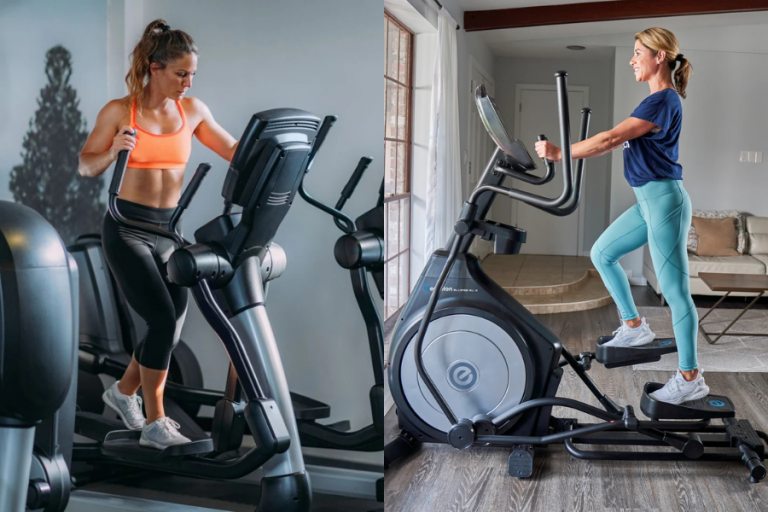
A walking workout at home can be a simple way to boost your energy, improve your health, and support weight loss without needing a gym membership or a lot of space. With the right approach, you can turn your living room, hallway, or even a small studio into a mini cardio zone.
Below, you will learn how to build walking workouts at home that fit your schedule, your fitness level, and your goals.
Why walking workouts at home work
Walking is one of the most accessible forms of exercise. You do not need special skills, and you can start at almost any fitness level. Health authorities recommend at least 150 minutes per week of moderate intensity activity, such as brisk walking, to help reduce the risk of heart disease, stroke, diabetes, and other conditions (Verywell Fit).
The good news is that those minutes do not have to be outdoors. With smart tweaks, you can get many of the same cardiovascular benefits walking indoors as you would on a sidewalk or trail.
Benefits you can expect
When you build a consistent habit of walking workouts at home, you can:
- Burn calories to support weight loss
- Strengthen your heart and lungs
- Improve mood and reduce stress
- Increase daily energy and focus
- Maintain joint mobility with low impact movement
Indoor walking has even been shown to match outdoor walks in intensity for many people. In one 20 minute indoor walking workout, a participant burned 186 calories and reached an average heart rate of 145 beats per minute, similar to her outdoor walks (Women’s Health).
How to start safely as a beginner
If you are new to exercise or coming back after a break, start small and build gradually. This keeps your joints and muscles happy and helps you stick with it.
A beginner friendly guideline is to walk at an easy pace for 15 minutes, five days per week during your first week. Then you can add about 5 minutes to each session weekly until you reach 30 minutes per day (Verywell Fit).
Set up your space
You do not need much room for walking workouts at home, but it helps to prepare a bit:
- Clear a short path in your living room, hallway, or around your kitchen island.
- Move small rugs or clutter that could cause you to trip.
- Put on flexible athletic shoes and comfortable clothing so you can move easily (Verywell Fit).
If you have any medical conditions, are recovering from injury or surgery, or feel unsure about starting, talk with your doctor or a physical therapist first. Many experts recommend getting professional guidance before beginning a new program so that you work within safe limits (SportsCare Physical Therapy).
Simple walking workouts you can do in your living room
You have several ways to build walking workouts at home without buying equipment. The key is to keep your feet moving and your heart rate slightly elevated.
Walking in place
Walking in place is one of the easiest options. You simply lift your knees in a marching motion and swing your arms naturally. Exercise physiologist Jordan Boreman notes that this type of movement raises your heart rate, pumps more oxygen to your muscles, and burns calories, making it a useful tool to improve overall fitness (Cleveland Clinic).
If you walk in place for about 30 minutes, you may burn roughly 100 to 200 calories, depending on your body size and pace (Cleveland Clinic). You can break this into shorter sessions throughout the day if that feels more manageable.
At home “step circuit”
Physical therapist Lindy Royer suggests four indoor exercises that mimic the benefits of walking without needing a treadmill or outdoor space (Fit&Well):
- Walking or marching in place
- Butt kicks (kicking your heels toward your glutes while stepping)
- Taking the stairs
- Doing laps around your home
You can combine these into a mini circuit. For example, try:
- March in place for 1 minute
- Do butt kicks for 1 minute
- Walk up and down your stairs or step on a sturdy step for 1 minute
- Walk laps around your home for 1 to 2 minutes
Repeat this 3 to 5 minute circuit as many times as your time and energy allow. Royer recommends using a set time goal and seeing how many rounds you can complete to maximize cardiovascular benefits at home (Fit&Well).
Indoor walking with simple cardio moves
Many popular indoor walking workouts combine basic walking with simple moves to keep things interesting. These can include:
- Standing punches
- Side steps
- Knee lifts
- Standing crunches
Fitness creator Grow With Jo uses walking on the spot in between moves like punches and standing crunches so that heart rate stays elevated while you keep changing the focus muscles. Reviewers find that this format feels like a gym style workout that still stays low impact and home friendly (Women’s Health).
Some routines are done with just music and a timer instead of constant talking, which many people enjoy because it feels less distracting and easier to follow at home (Women’s Health).
How to use intensity for weight loss and fitness
If your main goal with walking workouts at home is weight loss, you will want both consistency and the right intensity.
Moderate intensity walking usually means you can talk in short sentences but not sing. A practical target is to cover about a mile in 20 minutes or less, which typically places you around 64 to 76 percent of your maximum heart rate (Verywell Fit).
Once you are comfortable walking for 30 minutes at a time, you can:
- Add short intervals where you speed up for 30 to 60 seconds, then return to your normal pace.
- Include higher knee lifts or stronger arm swings during your “fast” intervals.
- Build in quick stair climbs if you have safe stairs available.
Over time, these variations help increase your endurance and calorie burn even when you are working out at home (Verywell Fit).
Optional tools to boost your walking workouts
You can keep things completely equipment free or, if you like gadgets, add a few simple tools to make your walking workouts at home more engaging.
Track your steps and time
Using a basic step counter or fitness tracker can make your indoor walks feel more concrete. Royer notes that wearing a step counter during indoor walking can help you simulate many of the same benefits as outdoor walking by giving you feedback on activity level (Fit&Well).
You can set goals like:
- A daily step count
- A certain number of minutes of walking in place during work breaks
- A streak of days where you hit your walking target
Light resistance for extra challenge
If you feel comfortable with basic walking and want more challenge, you might consider:
- A light weighted vest, such as the ZELUS Weighted Vest, which comes in 6 to 30 pound options and is designed for walking, strength training, and weight loss workouts (Amazon).
- Adjustable ankle weights like the APEXUP or Sportneer sets that range from 2 to 10 pounds per pair and can be used for walking, yoga, or aerobics (Amazon).
Keep the weight light at first so that it does not alter your natural walking form. You can also add brief bodyweight exercises like pushups against a wall or countertop, and standing crunches, so that you meet the recommendation of doing muscle strengthening activities at least two days per week (Cleveland Clinic).
Compact cardio equipment
If you want something closer to gym equipment without committing an entire room, you might like:
- Under desk walking treadmills, such as the Egofit Walker Pro or UREVO Smart Walking Pad, which are compact and often foldable. Many include features like inclines, remote or app control, and quiet motors so you can walk while working or watching TV (Amazon).
- Recumbent stationary bikes, which some physical therapists recommend as a comfortable alternative for people with sore knees or ankles (SportsCare Physical Therapy).
- Striders that allow a jogging or stair step motion for a more dynamic, walking like workout at home (SportsCare Physical Therapy).
None of these are required, but they can prevent boredom if you prefer variety or have limited outdoor options.
Walking does not need a big budget, a large room, or perfect weather. With a bit of creativity, you can treat it as a core part of your home workout routine year round (SportsCare Physical Therapy).
Making walking part of your daily routine
The hardest part of any workout habit is usually consistency, not intensity. Walking workouts at home can fit into your day in flexible ways, which is especially helpful if you have a busy schedule.
You might:
- Walk in place for 5 to 10 minutes between tasks or meetings. The Cleveland Clinic notes that these short sessions can support cardiovascular health and maintain energy levels throughout the day (Cleveland Clinic).
- Pair indoor walking with your favorite show or podcast. Decide that you will walk for the entire episode instead of sitting on the couch.
- Use a timer and aim for three 10 minute walking blocks spread across morning, afternoon, and evening.
For many people who are new to fitness, walking in place or doing simple indoor circuits is a practical way to burn calories and support weight loss, especially when combined with mindful eating habits and gradual increases in workout intensity over time (Cleveland Clinic).
Putting it all together
To get started today, you could:
- Clear a small path in your living room.
- Set a timer for 10 minutes.
- Alternate 1 minute of walking in place with 1 minute of side steps or knee lifts until the timer goes off.
If you feel good, repeat this short workout later in the day. As it becomes easier, lengthen your sessions, add light intervals, or try a simple circuit with stairs and laps around your home.
Walking workouts at home are flexible, low impact, and surprisingly effective for energizing both your body and your mind. Your next step is simple, just stand up and start moving your feet.
About the Author