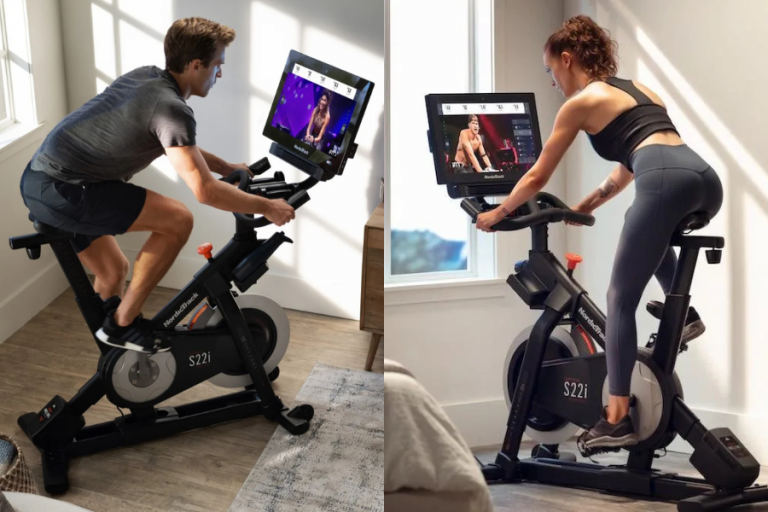
A stationary bike is one of the fastest ways to improve your health without pounding your joints or rearranging your schedule. The right exercise bike training programs can help you lose weight, boost your fitness, and build confidence, all from your living room or local gym.
Below, you will learn how these programs work, why they are so effective, and how to start a simple plan that fits your life.
Why exercise bike training programs work so quickly
Exercise bike training programs are structured plans that tell you when to ride, how hard to ride, and how long to ride for. This structure is what accelerates your progress compared with just pedaling at a random pace.
Indoor cycling and stationary bike workouts have several advantages:
- They are low impact, so they are gentle on your joints compared with running or other high impact exercises (Bicycling, Verywell Fit).
- They let you control resistance and intensity very precisely, which is ideal for interval training.
- They eliminate weather and traffic worries, so you can train consistently all year (JOIN Cycling Tips).
Research-backed indoor cycling programs that use structured intervals are particularly efficient at improving your fitness. Plans that build around your Functional Threshold Power (FTP) and heart rate zones can rapidly improve your power, speed, endurance, and muscular endurance (TrainerRoad, JOIN Cycling Tips).
Health benefits you can expect
Once you start following consistent exercise bike training programs, your body and mind begin to change in noticeable ways.
Improved heart health and fitness
Cycling is a powerful form of cardio. A 2019 meta-analysis of indoor cycling found that regular stationary bike workouts can improve:
- Aerobic capacity
- Blood pressure
- Cholesterol levels
- Overall body composition
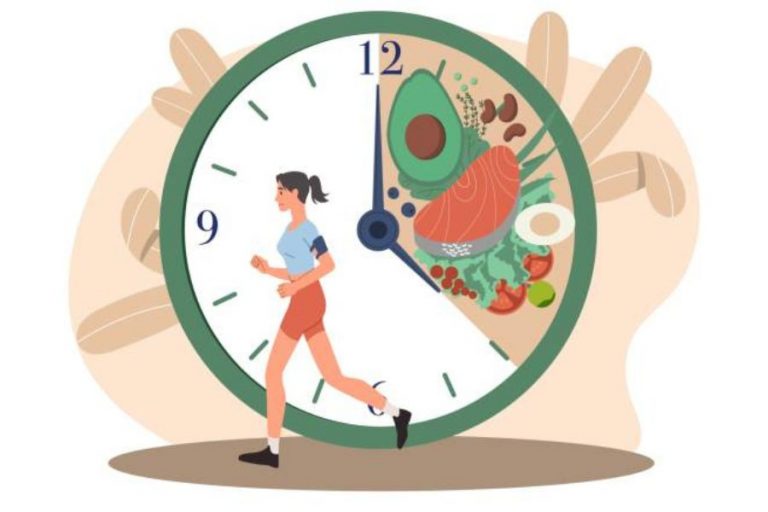
This study recommended pairing indoor cycling with diet changes for better weight loss and heart health outcomes (Bicycling).
As you follow a program that includes steady rides and intervals, you gradually push your heart to work more efficiently. Over time, you can ride longer and harder without feeling as winded.
Easier weight loss and body composition changes
If you want to lose weight, exercise bike training programs can help you burn calories consistently while preserving your joints. Stationary bike workouts work several large muscle groups at once, which supports higher calorie burn and better metabolic health (Bicycling).
Adding resistance on the bike also recruits more muscle. This resistance acts like light strength training, which helps you maintain or slightly increase muscle mass. Both a CycleBar instructor and a certified trainer note that this strength component supports weight loss, although for maximum muscle gain you will still want some off the bike strength work (Bicycling).
Better joint comfort and less pain
If running or high impact classes leave your knees, hips, or ankles sore, a stationary bike is a smart alternative. Experts highlight that bike workouts are low impact and joint friendly, yet still provide similar cardiovascular benefits to running or walking (Bicycling, Verywell Fit).
This makes exercise bike programs a good fit if you are returning to exercise, carrying extra weight, or managing chronic joint issues. You can still get your heart rate up, but without the pounding.
Stronger legs and higher endurance
Structured indoor cycling improves:
- Functional Threshold Power (FTP), or how hard you can ride for a sustained period
- VO2 max, which is your body’s ability to use oxygen
- Muscular endurance in your legs and glutes
Programs built around power based intervals and personalized zones are especially effective here (TrainerRoad, JOIN Cycling Tips). Over time, this translates into better performance both indoors and outdoors, and more energy for daily life.
Why interval training speeds up your results
You do not need to ride hard all the time to see progress. Many of the best exercise bike training programs mix lower intensity rides with higher intensity intervals. This is often called high intensity interval training, or HIIT.
Interval training means you alternate short bursts of harder effort with easier pedaling or rest. For example, you might pedal hard for 30 seconds, then ride very easy for 30 to 60 seconds, and repeat.
According to cycling experts, interval training offers several key benefits:
- Improved cardiovascular fitness
- Faster calorie burn in less time
- Increased speed and endurance
- Better mental toughness and focus
These benefits make interval work suitable for both elite cyclists and everyday riders, as long as you adjust the intensity to your current fitness level (FreeBeatFit).
You can do intervals on any stationary bike, which keeps indoor cycling both efficient and accessible (FreeBeatFit).
How to start if you are a beginner
If you are new to cycling or coming back from a long break, you do not need a complicated plan. You only need a simple routine that gets you moving regularly and slowly builds your stamina.
Experts suggest that beginners on a stationary bike should start with short durations and gradually lengthen workouts, rather than jumping straight into long or intense sessions (Verywell Fit).
A simple 20 minute starter workout
You can use this easy structure when you get on the bike:
- Warm up for 5 minutes with light pedaling and low resistance.
- Ride at a moderate but comfortable pace for 10 minutes. You should be able to speak in short sentences.
- Cool down with 5 minutes of very easy pedaling at low resistance.
This beginner friendly format helps you build stamina gradually while allowing for proper recovery (freebeatfit).
Once that feels easy, you can progress to 25 minutes by adding short segments of slightly harder pedaling, then work up to 30 minutes. Reaching a 30 minute session helps you meet the minimum recommended daily exercise duration, and from there you can increase intensity or add intervals as you feel ready (Verywell Fit).
A useful rule when you are starting: focus on consistency before complexity. It is better to ride three simple sessions per week than to chase a perfect advanced plan and give up after a few days.
Building a weekly exercise bike routine
Once you handle 20 to 30 minutes comfortably, you can shift from single workouts to a basic weekly plan. A common structure for time crunched riders is 3 to 4 hours of indoor cycling per week, split into:
- Two or three shorter interval sessions
- One longer endurance ride of 1 to 2 hours at an easier pace
This schedule helps you progress steadily on limited time and can be tweaked for any fitness level (JOIN Cycling Tips).
A simple starting point might look like this:
- Day 1: 25 to 30 minutes of mostly easy riding, with a few 1 minute moderate efforts
- Day 3: 30 minutes with 3 to 5 rounds of 1 minute harder, 2 minutes easy
- Day 5 or 6: 40 to 60 minutes of comfortable, steady riding
Try to keep at least one rest or light activity day between harder rides, especially at the beginning.
Sample interval workouts for faster progress
When you are ready to add structured intervals to your exercise bike training programs, you have several options. Here are a few research backed formats you can try, adjusting resistance and speed to match your fitness.
30 20 10 intervals
The 30 20 10 workout is short but challenging. You ride:
- 30 seconds at moderate intensity
- 20 seconds hard
- 10 seconds very hard
Then you take a brief recovery break and repeat. This pattern has been shown to improve fitness, lower blood pressure, and reduce body fat in both trained and untrained individuals (Bicycling).
You can fit a full session under 30 minutes by doing several blocks of this pattern with easy pedaling between blocks.
Tabata style workout
A Tabata session is more advanced and pushes your limits. You ride:
- 20 seconds all out
- 10 seconds rest or very easy pedaling
You repeat this for eight rounds, which takes just 4 minutes. A complete Tabata style session on a stationary bike usually includes several of these 4 minute blocks, with rest between them, for a total of about 30 minutes.
Research supports Tabata style HIIT as effective for boosting both aerobic and anaerobic fitness and improving body composition (Bicycling). Because it is intense, you will want some base fitness before trying this format.
Gentle hill and speed intervals
If you prefer something between steady riding and all out sprints, consider introductory hill and speed intervals. Trainers often use 40 to 45 minute sessions that alternate:
- Slightly higher resistance to simulate climbs
- Faster cadence segments to practice speed and pedal technique
- Easier recovery periods
By varying your heart rate zones with different work to rest ratios, you can boost fitness and calorie burn while still being kind to your joints (Health).
Smart training tips to stay safe and motivated
To get the most out of any exercise bike training program, a few small habits will make a big difference in how you feel and how quickly you progress.
Warm up, cool down, and recover
Warming up before you ride gradually raises your heart rate and improves muscle activation. Cooling down with 5 to 10 minutes of light pedaling, followed by simple stretching, helps your body shift out of hard effort and supports recovery. Both steps reduce injury risk and make your next workout feel better (JOIN Cycling Tips).
Also pay attention to sleep and nutrition. Indoor cycling experts recommend:
- Getting 8 to 10 hours of sleep when possible
- Eating a carb focused snack or meal before harder rides
- Drinking water during your session
- Using a fan or cool room to prevent overheating
These basics keep your energy steady and your workouts productive (TrainerRoad).
Progress at your own pace
It can be tempting to jump straight into advanced sessions, but your body needs time to adapt. Interval training is powerful, so start with manageable intensities and durations, and increase slowly.
Cycling coaches encourage beginners to:
- Build a solid base of easy Zone 2 riding
- Add short, simple intervals once easy rides feel comfortable
- Gradually increase interval duration or resistance as your fitness improves
A progressive approach helps you avoid burnout and injuries while still moving forward (Reddit r/Fitness, FreeBeatFit).
Make your workouts enjoyable
You are more likely to stick with your plan if you actually enjoy it. To keep things interesting, you can:
- Vary your workouts between steady rides, short intervals, and longer endurance sessions
- Listen to music, podcasts, or guided classes
- Use digital platforms like Zwift, TrainerRoad, or Peloton for structured plans and virtual rides (Reddit r/Fitness)
- Join challenges or track your progress with apps and metrics
Platforms like freebeat add gamified challenges, virtual classes, and AI driven personalization to keep you engaged and to help you see your progress over time (freebeatfit).
Putting it all together
Exercise bike training programs give you a clear path to better health, especially if you are focused on weight loss, heart health, and low impact cardio. By combining:
- Consistent weekly riding
- Simple progression from easy rides to intervals
- Smart recovery, sleep, and nutrition habits
you can see real changes in a matter of weeks and more dramatic improvements over several months.
You do not need to perfect every detail on day one. Start with a 10 or 20 minute ride this week, schedule your next session, and build from there. Your fitness improves with each pedal stroke you repeat, not with the one perfect workout you never start.
About the Author