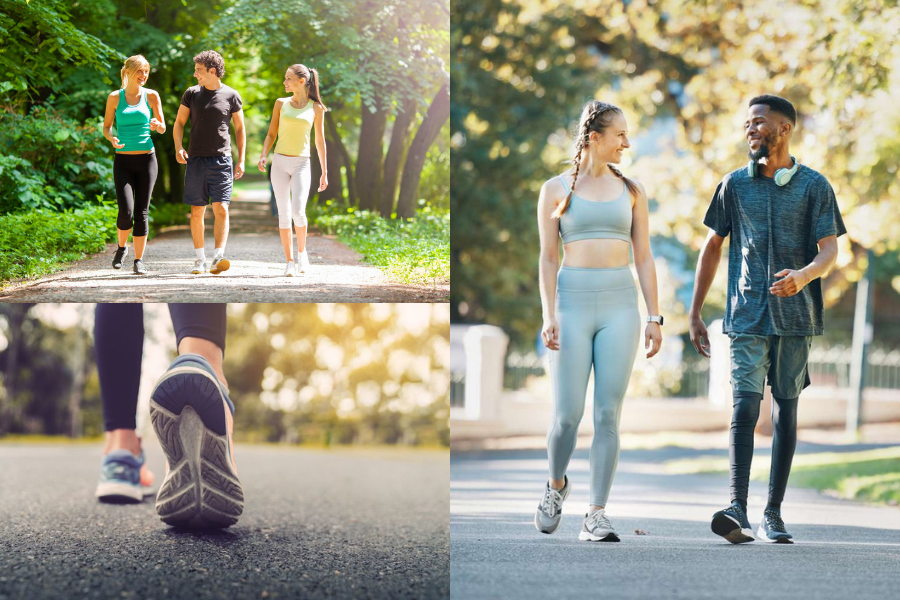
Walking workouts with weights can be a simple way to make an already healthy habit work harder for you. By adding smart, light resistance, you can increase intensity, challenge your muscles, and potentially burn more calories, all while keeping impact low on your joints.
The key is choosing the right type of weight and using it safely so you get the benefits without unnecessary strain.
What walking workouts with weights actually do
When you add weights to your walking workouts, you are asking your body to move the same way it usually does, but against a slightly higher load. This extra challenge can:
- Raise your heart rate and oxygen use
- Engage more muscle fibers in your legs, hips, and core
- Help build strength and endurance over time
Studies show that walking with added load, such as a weighted vest, can increase energy expenditure and cardiovascular demand compared to walking without added weight (NPR). A 2013 study, for example, found that a vest equal to 15% of body weight increased calorie burn from 5.7 to 6.3 calories per minute on a treadmill (Healthline).
The difference is not dramatic, but over time it can add up, especially when combined with better consistency in your routine and mindful eating.
Types of weights you can use
You have several options when you design walking workouts with weights. Each one affects your body a little differently.
Hand weights
Hand weights and light dumbbells are a common starting point. They are easy to grip and can add resistance to your natural arm swing. Using 1 to 3 pound weights can modestly increase calorie burn and muscle engagement in your upper body (Healthline).
However, heavier hand weights can strain your elbows and shoulders, especially if you start swinging them or gripping too tightly. Experts typically suggest beginning with 3 pound dumbbells and focusing on control instead of speed (TODAY).
Ankle weights
Ankle weights are often marketed as a way to tone your legs while you walk. They do increase the load on muscles like your calves, quadriceps, and hip flexors, and they can challenge your core as you stabilize with each step (Healthline).
The downside is joint stress. Wearing ankle weights while walking or doing aerobic exercise is not generally recommended, since they can create muscle imbalances and increase strain on the knees, hips, and back (Harvard Health Publishing). Ankle weights are better reserved for controlled leg lifts or targeted strength exercises, not long power walks.
Wrist weights
Like ankle weights, wrist weights are easy to strap on and forget about. However, they can overload your wrists, elbows, shoulders, and even your neck if you swing your arms with extra weight over time. Wrist weights are not recommended for cardio or walking workouts for this reason (Harvard Health Publishing).
Weighted vests and backpacks
Weighted vests are often considered the safest way to add load to your walking workouts with weights. They keep the extra weight close to your body’s center of gravity and distribute it around your torso, which reduces strain on individual joints compared to hand or ankle weights (UCLA Health, Healthline).
Backpacks or rucksacks can also add resistance, but they put most of the load on your back. If you lean forward or carry too much, your lower back and hips may pay the price (Healthline). For most people, a properly fitted weighted vest is a safer bet.
If you want to add more challenge to your walks, a light weighted vest is usually a better choice than ankle or wrist weights.
Real benefits you can expect
Walking with weights is not magic, but it can amplify benefits you already get from walking. Here is what you are realistically working toward.
Higher calorie burn and intensity
Because you are moving extra weight, your heart and muscles work harder. Research shows that weighted walking can raise energy expenditure and oxygen consumption proportionally to the load you add (NPR).
Older studies on power walking with hand and ankle weights found that walking at 4 miles per hour with weights could feel as intense as running at 5 miles per hour (Peloton). Even if you do not walk that fast, a small bump in effort on every walk can support fat loss when combined with consistent habits and sensible nutrition.
Better muscular endurance
Weighted walking primarily boosts endurance instead of big strength gains. Experts note that walking, even with a vest, does not stress your muscles enough by itself to create large strength improvements (NPR).
You will, however, improve how long your muscles can work without getting tired, especially in your legs and glutes. Pair your walks with a simple strength routine a few days per week, such as squats, lunges, rows, and presses, and you will build a more complete fitness foundation (TODAY, Men’s Health UK).
Support for bone and joint health
Weighted vests place gentle pressure on your bones. That mechanical stress can stimulate new bone cell growth, which may help slow bone loss if you are at risk for osteoporosis (Harvard Health Publishing).
However, current evidence does not show large improvements in bone health or muscle strength from walking in a vest compared with regular walking alone (NPR). Think of the vest as a modest add-on, not a replacement for weight-bearing exercises like squats, step ups, or resistance training.
Functional strength and daily movement
When you build up to slightly heavier walking workouts with weights, everyday tasks can feel easier. Carrying groceries, climbing stairs, or walking uphill becomes more manageable because your body is used to working a bit harder.
Some plans that combine walking with weighted strength moves, like goblet squats, Romanian deadlifts, rows, and step ups, show improvements in lower body power and functional ability by roughly 10 percent in certain populations (Men’s Health UK). You get stronger for real life, not just in the gym.
How to start walking safely with weights
The safest approach is to treat walking workouts with weights like any new training plan. You add a little at a time, pay attention to how your body feels, and stop if anything hurts.
Choose the right starting weight
Most experts suggest starting lighter than you think you need. For example:
- Hand weights: 1 to 3 pounds in each hand
- Ankle weights, if used for specific exercises, not walking: 1 to 3 pounds per ankle
- Weighted vest: about 5% of your body weight to start, and usually not more than 10% over time (UCLA Health, Healthline)
If you weigh 150 pounds, that might mean a 7.5 pound vest at first, then gradually increasing if you tolerate it well. Very heavy vests, such as 25 to 50 pounds, can raise your injury risk, especially if you have joint or back issues (Healthline).
Set a sensible schedule
Begin with short, intentional sessions:
- Walk 2 to 3 days per week for 15 to 20 minutes
- Use light weights and focus on posture and form
- Wear supportive shoes with good cushioning and stability (MasterClass)
As walks feel easier, extend your duration to 30 or 40 minutes, or add one extra day per week. You can also add hills or intervals where you walk slightly faster for a minute, then slow down to recover.
Focus on form, not speed
Good technique protects your joints and keeps the load where you want it.
- Stand tall, with your chest open and shoulders relaxed
- Keep your core gently engaged as you walk
- Let your arms swing naturally at your sides if you use a vest
- If using hand weights, avoid pumping them overhead or twisting your torso
Experts advise against using hand weights on treadmills, because any loss of balance or misstep carries more risk in a confined space (Peloton). Outdoor paths or indoor tracks are usually better for weighted walks.
When walking with weights is not a good idea
Walking workouts with weights are not right for everyone, at least not right away. You should be extra cautious or talk to your doctor first if you:
- Are new to exercise or returning after a long break
- Have back or neck problems, such as spinal stenosis or disc issues (Harvard Health Publishing, UCLA Health)
- Live with arthritis in your hips, knees, or ankles
- Have a history of joint injuries or tendonitis
People in these groups can often start with regular walking, then progress to strength training using machines, bands, or light dumbbells before adding any weighted walking. Medical specialists generally recommend traditional resistance training as a more reliable way to maintain muscle and bone health, especially for menopausal women (NPR).
Always stop and reassess if you feel sharp pain, joint discomfort that worsens as you walk, or numbness and tingling. Mild muscle fatigue is normal. Joint pain is not.
Simple sample routine to try
Here is one way to ease into walking workouts with weights while building strength in a balanced way.
Twice per week: weighted walk
- Warm up for 5 minutes with easy walking and gentle ankle circles and shoulder rolls
- Walk 15 to 25 minutes at a moderate pace wearing a light weighted vest
- Cool down for 5 minutes with slower walking and calf, hamstring, and hip flexor stretches
Twice per week: strength and walk combo
- Warm up with 5 minutes of light walking
- Do 2 to 3 rounds of:
- 10 bodyweight or light goblet squats
- 10 lunges per leg
- 10 dumbbell rows per side
- 10 overhead presses with light dumbbells
- Finish with a 10 to 15 minute easy walk to loosen up
Plans that blend walking with strength moves like these can improve both your cardiovascular fitness and your muscle endurance without high impact (TODAY, Men’s Health UK).
Bringing it all together
Walking workouts with weights are a smart choice when you already feel comfortable walking and want a little more challenge without jumping straight into running or high impact classes.
You will gain the most by:
- Using safe tools, such as a light weighted vest instead of ankle or wrist weights
- Starting with modest loads and short sessions
- Pairing your weighted walks with basic strength training
- Listening to your body and pulling back at the first sign of joint pain
Begin with one small change this week, such as adding a short, lightly weighted walk to your schedule. As your strength and confidence build, you can gradually do more, knowing you are stacking healthier habits on a foundation that supports you for the long term.
About the Author