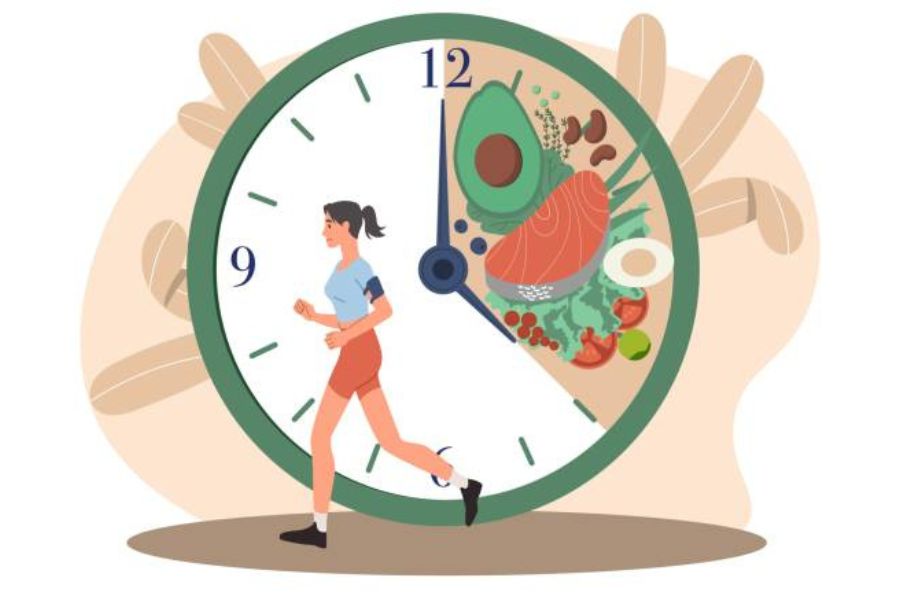
Intermittent fasting for women has become a popular way to lose weight, stabilize energy, and support long term health. Instead of focusing on what you eat, intermittent fasting focuses on when you eat, by alternating periods of eating and fasting on a regular schedule. According to Johns Hopkins Medicine, this pattern may help manage weight and even prevent or reverse some diseases in certain people (Johns Hopkins Medicine).
If you are wondering whether intermittent fasting could work for you as a woman, it helps to understand both the benefits and the specific considerations related to hormones, life stage, and lifestyle. This guide walks you through the key positive effects, along with cautions and practical tips so you can make an informed choice.
Understand what intermittent fasting is
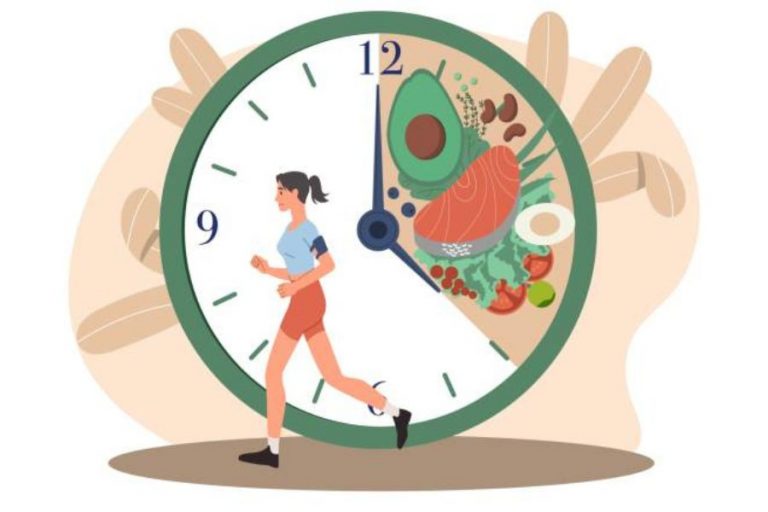
Intermittent fasting is not a specific diet plan. It is an eating pattern where you alternate between periods of eating and not eating over a set schedule. During fasting periods you usually drink water, black coffee, or plain tea and avoid calories (Cleveland Clinic).
Common intermittent fasting schedules include:
- Time restricted eating like 16/8 or 14/10, where you eat all your meals in an 8 or 10 hour window and fast the rest of the day (ZOE)
- The 5:2 method, where you eat normally five days per week and eat only about 500 to 600 calories on two non consecutive days (Johns Hopkins Medicine)
- Alternate day fasting, where you alternate between regular eating days and low calorie or fasting days
Extremely long fasts of 24 hours or more are usually not recommended for everyday use, because they can be hard to sustain and may even encourage your body to store more fat rather than burn it (Johns Hopkins Medicine).
Learn how intermittent fasting works in your body
When you eat, your body primarily uses the sugar in your blood and stored glycogen for energy. When you fast for a long enough period, you eventually use up most of those sugar stores. At that point your body begins a process often called metabolic switching, where it starts burning stored fat for fuel instead. This shift is one of the main reasons intermittent fasting can support weight loss and metabolic health (Johns Hopkins Medicine).
A few key effects that may matter to you as a woman:
- Insulin levels tend to drop during fasting periods, which can improve insulin sensitivity and help your body manage blood sugar more efficiently (Cleveland Clinic)
- Appetite regulating hormones may adjust so that your hunger signals become more predictable over time
- Inflammation markers can decrease, which may support heart health and other chronic conditions (Cleveland Clinic)
Women can be more sensitive to changes in energy intake than men. Hormonal fluctuations and stress responses can influence how your body reacts to fasting, which is why a gentle, personalized approach is important (Verywell Health).
Explore potential weight loss benefits
If weight loss is one of your goals, intermittent fasting for women can be effective, especially in the short term. By limiting the hours when you eat, you often naturally reduce your total daily calories without strict tracking. You also spend more time in a fat burning state.
Research in older women found that a 16/8 schedule led to an average fat loss of about 2 kilograms, or 4.5 pounds, over six weeks in women over 60 (ZOE). Another trial that used 4 hour and 6 hour eating windows for eight weeks showed women lost around 3 to 4 percent of their starting body weight (UIC Today).
If you also do strength training or work on building muscle, you need to be more careful. Longer fasting windows or very small eating windows can make it harder to get enough calories and protein to maintain lean muscle mass. In that case, a shorter fasting window or more flexible schedule may suit you better (Verywell Health).
Support heart and metabolic health
Beyond the scale, intermittent fasting for women may support several markers of heart and metabolic health.
Studies in women have found that intermittent fasting can:
- Improve cholesterol profiles
- Lower blood pressure
- Reduce blood fats such as triglycerides
- Decrease markers of chronic inflammation
These shifts can be helpful if you are trying to manage conditions like high blood pressure or high cholesterol, especially when you combine fasting with a nutrient dense eating pattern (ZOE, Cleveland Clinic). In one eight week study, women using 4 hour and 6 hour eating windows experienced decreases in insulin resistance and oxidative stress compared to a control group (UIC Today).
The catch is that some of these benefits seem to fade once you return to your previous eating habits. To keep your results, you would usually continue with a sustainable form of intermittent fasting or transition to another balanced routine.
Consider hormonal health and your life stage
Your hormones respond closely to changes in food intake and stress. For women in their reproductive years, this connection is especially important.
Intermittent fasting and reproductive hormones
Fasting can influence hormones like estrogen and progesterone by affecting the brain signals that control ovulation. The hormone GnRH, which drives the release of estrogen and progesterone, can be disrupted when your body senses a lack of energy. As a response, your body may delay or suppress ovulation as a protective measure (Cleveland Clinic).
Early animal research suggests fasting may alter estrogen levels and disrupt menstrual regularity, fertility, and lactation in female rodents, although it is not clear whether these effects are the same in human women (ZOE). Because of this, experts often recommend that premenopausal women take a cautious approach.
What recent human research shows
In a University of Illinois Chicago study that used a 4 hour feeding window, known as the warrior diet style, over eight weeks in women with obesity, researchers found:
- No changes in sex binding globulin, testosterone, or androstenedione
- No changes in estradiol, estrone, or progesterone in postmenopausal women
- A 14 percent reduction in DHEA, a hormone tied to ovarian function and egg quality, though levels stayed within the normal range (UIC Today)
The reduction in DHEA has mixed implications. On the one hand, lower DHEA might slightly reduce fertility potential in premenopausal women. On the other hand, researchers note that lower DHEA levels may be linked to reduced breast cancer risk in both pre and postmenopausal women (UIC Today).
Overall, intermittent fasting may be less risky from a hormonal standpoint if you are postmenopausal, because ovulation and regular menstrual cycles are no longer occurring, although you can still be sensitive to low hormone levels (Cleveland Clinic).
Align your fasting with your menstrual cycle
If you are still having periods, you may find that some parts of your cycle are better suited to intermittent fasting than others.
Experts suggest that fasting tends to be better tolerated starting a day or two after your period begins and during the following week. Hormonal and stress responses in this phase are usually more forgiving. The week before your period, when your body is more sensitive to cortisol and stress, is often not the best time to push longer fasts. During that premenstrual week, easing off strict fasting can help you avoid sleep issues, anxiety, and strong cravings (Cleveland Clinic).
You might experiment with slightly shorter fasting windows or more flexible eating times in the days when you feel more tired, irritable, or hungry and lean into longer or more structured fasting windows when you naturally feel steady and energized.
If your cycle becomes irregular, your period stops for several months, or you notice worsening PMS after starting intermittent fasting, it is a signal to pause and talk with your healthcare provider.
Choose a schedule that fits your lifestyle
The best intermittent fasting schedule for women is one that matches your daily routine, health status, and personal preferences. There is no single perfect method.
You might start with a gentle 12 hour overnight fast, for example 8 p.m. to 8 a.m., and then slowly extend the fasting window over several weeks if you feel well. Cleveland Clinic experts recommend using trial and error to find a pattern that feels manageable and sustainable for you (Cleveland Clinic).
If you are active, have a physically demanding job, or have intense workouts, you may find that shorter fasts such as 14 hours, or eating earlier in the day, support your energy better. For strength training and muscle gain, you usually need enough eating hours to take in adequate protein and calories, so extreme patterns like One Meal a Day are rarely a good match (Verywell Health).
Gradually reducing your eating window over a period of months can help your body adjust and reduce unwanted side effects like headaches, lethargy, irritability, and constipation (Harvard Health Publishing).
Eat nutrient dense foods during your eating window
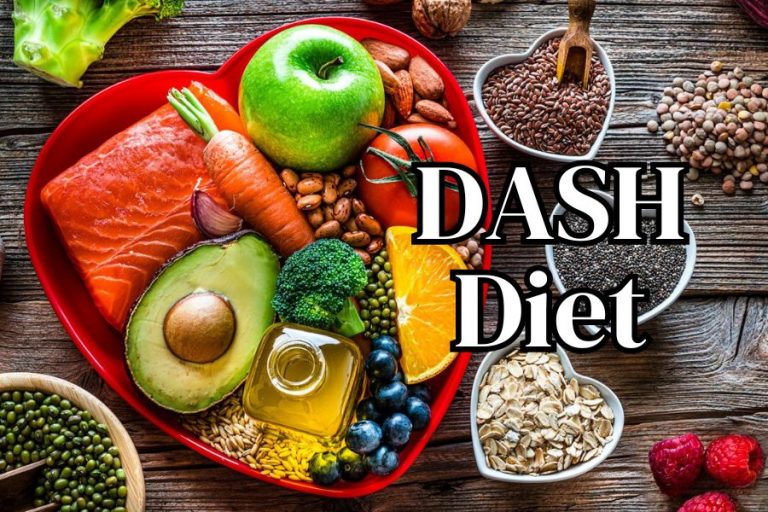
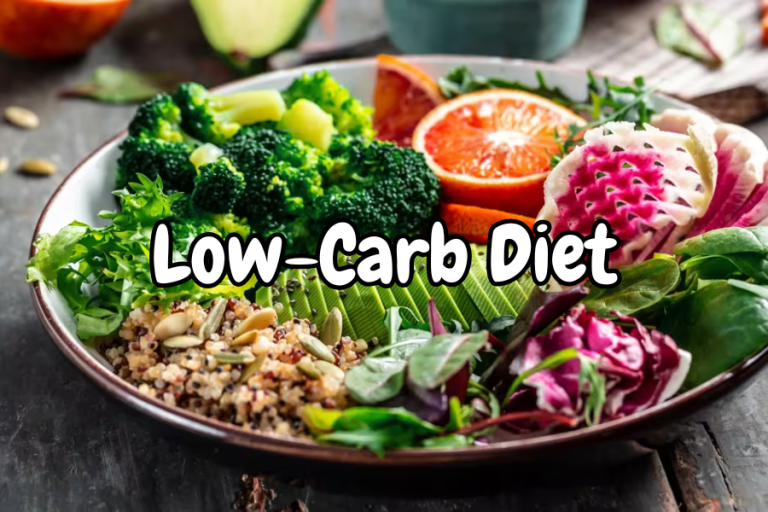
Even though intermittent fasting focuses on timing instead of specific foods, what you eat in your eating window still makes a big difference. To support weight loss, hormones, and overall health, many experts recommend using a Mediterranean style pattern built around:
- Leafy greens and a variety of vegetables
- Fruits in moderate portions
- Whole grains such as oats, quinoa, and brown rice
- Lean proteins like fish, chicken, beans, and lentils
- Healthy fats from olive oil, nuts, seeds, and avocados
This kind of pattern gives you the vitamins, minerals, and fiber you need to avoid malnutrition, which can be a risk if you compress your eating into a shorter window but do not choose nutrient dense foods (Johns Hopkins Medicine, Healthline).
Try to avoid swinging between extreme restriction and overeating. When you fast, your appetite hormones and brain hunger signals may drive you to overeat once your eating window opens. That pattern can work against your weight goals and leave you feeling unwell (Harvard Health Publishing). Planning balanced meals and snacks ahead of time makes it easier to eat calmly and consistently when your window starts.
Watch for side effects and know when to stop
When you first start intermittent fasting, it is common to feel hungrier, more tired, or a bit irritable. Studies in women show that an 18 hour fast can temporarily increase irritability, although many women also report feelings of achievement and self control by the end of the fast (Healthline). These early side effects often fade as your body adapts.
At the same time, some signs suggest that a particular fasting plan is not suitable for you. Pay attention to:
- Persistent headaches, extreme fatigue, or dizziness
- Ongoing constipation or digestive problems
- Strong mood swings, anxiety, or low mood
- Episodes of binge eating when your eating window opens
- Irregular periods or menstrual changes
If you experience these, especially for more than a couple of weeks, it is important to ease back to a gentler plan or stop and check in with your healthcare provider. Switching to a less intense fasting schedule can also reduce symptoms (Harvard Health Publishing).
See if intermittent fasting is safe for you
Intermittent fasting is not the right choice for every woman. You should be particularly cautious or avoid fasting if you:
- Are pregnant or breastfeeding, since restricting food can affect fetal growth and milk supply (ZOE, Healthline)
- Have diabetes or blood sugar issues, because fasting can cause dangerous drops in blood sugar without medical supervision (ZOE, Harvard Health Publishing)
- Take medications that must be taken with food, including some blood pressure or heart medicines
- Have a history of eating disorders, or are currently being treated for one, since fasting can increase the risk of binge eating or obsessive food thoughts (Cleveland Clinic, Healthline)
- Are older with low body weight, because further weight loss can harm bone, immune, and energy levels (Harvard Health Publishing)
If you have any of these conditions or are unsure, talk with your doctor or a registered dietitian before you begin. Johns Hopkins Medicine also recommends checking in with a healthcare provider if you notice symptoms like anxiety or nausea after starting intermittent fasting (Johns Hopkins Medicine).
Put it all together for your own plan
Intermittent fasting for women can offer real benefits for weight loss, insulin sensitivity, and heart health, especially when you combine it with a Mediterranean style, nutrient rich way of eating. The most important step is to adapt any fasting schedule to your unique hormones, life stage, and day to day realities.
You might begin with a simple 12 hour overnight fast, pay attention to how you feel across your menstrual cycle, and then gradually build up to a 14 or 16 hour fasting window if it suits you. Along the way, watch for side effects, prioritize balanced meals, and reach out to your healthcare team when you have questions or concerns.
With a thoughtful, flexible approach, you can explore intermittent fasting as one potential tool to support your health, instead of a rigid rule you must follow perfectly.
About the Author