Starting a low carb diet can feel exciting and intimidating at the same time. You may want the weight loss and health benefits, but you might worry about craving bread, missing fruit, or feeling tired and deprived. The good news is that a low carb diet does not have to mean constant hunger or a joyless plate of plain chicken.
With a bit of planning, you can ease into a low carb lifestyle, enjoy satisfying meals, and still see results. Research shows that low carb diets often reduce appetite and calorie intake naturally, which helps you stick with the plan without feeling constantly hungry (Healthline).
Below, you will find practical steps to get started, plus tips to keep your energy, mood, and meals in a good place.
Understand what “low carb” means
Before you change how you eat, it helps to know what counts as a low carb diet and what does not.
A low carb diet typically means you reduce carbohydrates like bread, pasta, rice, sugary snacks, and many starchy vegetables, and increase protein and healthy fats instead. The exact number of grams can vary depending on your goals and health.
According to the Mayo Clinic, many low carb plans limit carbs to roughly 20 to 57 grams per day, which is far less than the 45% to 65% of daily calories from carbohydrates that general guidelines recommend (Mayo Clinic). Diabetes UK uses a broader definition and considers anything under 130 grams per day as low carb, while still emphasizing that you do not need to eliminate carbs entirely (Diabetes UK).
You can think of it as a spectrum:
- Moderate low carb: up to about 100 to 130 grams per day
- Low carb: roughly 50 to 100 grams per day
- Very low carb or ketogenic: about 20 to 50 grams per day, which often leads to ketosis
You do not have to jump straight to the strictest version. In fact, a gentler approach can help you avoid feeling deprived.
Set realistic goals and expectations
A low carb diet can support weight loss and better blood sugar control, but it is not magic. Studies have found that low carb diets often lead to faster weight loss in the first weeks or months, partly due to water loss and lower insulin levels, although this advantage tends to shrink after six to twelve months compared with other diets (Mayo Clinic).
You will feel more motivated if your goals focus on more than just the number on the scale. You might aim to:
- Keep your energy more stable during the day
- Reduce cravings for sugary snacks
- Improve blood tests such as triglycerides or blood sugar over time
Low carb diets have been shown to lower blood triglycerides, which are a risk factor for heart disease, and can help lower blood sugar and insulin levels, especially in people with diabetes and insulin resistance (Healthline). For some people with type 2 diabetes, low carb eating even allows a reduction in glucose-lowering medications, under medical guidance (Healthline).
If you have type 2 diabetes, a low carb diet can be one useful tool to help with weight loss and blood sugar management. Diabetes UK notes that low carb can be safe and effective in the short term for many people with type 2 diabetes, but it is not recommended for children or people with type 1 diabetes, and you should work with your care team if you take insulin or medications that can cause low blood sugar (Diabetes UK).
Choose your starting carb level
To avoid feeling deprived, decide on a starting carb range that feels manageable instead of going straight to an extreme.
Start higher, then adjust
If you are used to a high carb pattern, dropping straight to 20 grams a day can feel harsh. You might:
- Track what you eat for a few days without changing it.
- Estimate your current daily carbohydrate intake.
- Set a first target that is 25% to 50% lower than your usual intake.
For example, if you currently eat around 250 grams of carbs per day, you might start by aiming for about 130 to 150 grams. Diabetes UK suggests that this level already counts as low carb and can still provide enough carbohydrate foods for vitamins, minerals, and fiber (Diabetes UK).
After a few weeks, you can decide whether to lower carbs further or stay at that level if you feel good and see gradual progress.
Total carbs vs “net carbs”
Many product labels talk about “net carbs,” where fiber and some sugar alcohols are subtracted from total carbohydrates. The Obesity Medicine Association recommends counting total carbohydrates instead, because net carb calculations can be misleading and may cause you to underestimate your intake (Obesity Medicine Association).
If you want to keep things simple, focus on total carbs. As you get more comfortable, you can adjust if needed.
Build meals around protein and healthy fats
On a low carb diet, protein and fat do most of the work to keep you full. When you feel physically satisfied, you are less likely to miss bread, pasta, or dessert.
Research suggests that people on low carb diets often feel less hungry and naturally eat fewer calories, which makes it easier to lose weight without forcing yourself to go hungry (Healthline).
Make protein the centerpiece
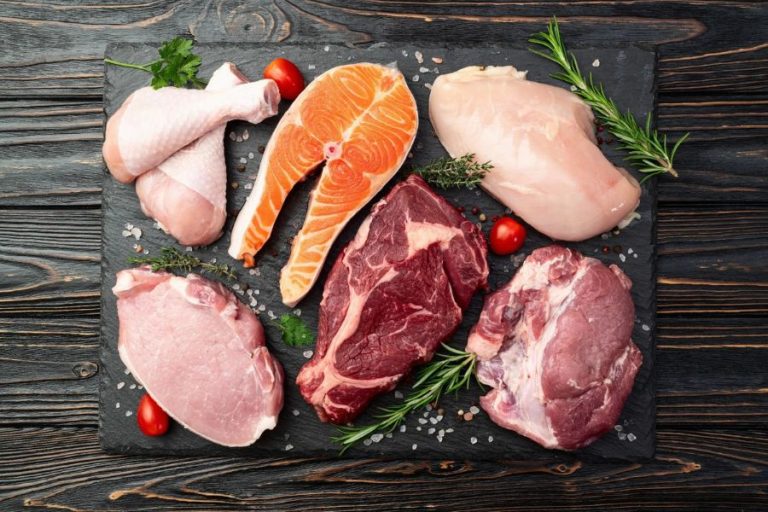
Aim to include a solid source of protein at every meal. Good options include:
- Meat and poultry such as chicken, turkey, beef, and pork
- Fish and seafood like salmon, sardines, shrimp, and cod
- Eggs in any style
- Greek yogurt, cottage cheese, or other full fat dairy if you tolerate it well
- Tofu and tempeh if you prefer plant based proteins
Most meats, eggs, and seafood are naturally very low in carbohydrates, although processed meats can sometimes contain added sugars or starches, so it is wise to check labels (Healthline).
Add satisfying fats
Healthy fats keep you satisfied and help your meals feel rich instead of restrictive. You might use:
- Olive oil for cooking or dressing salads
- Avocado slices on eggs, salads, or grilled meat
- A small handful of nuts or seeds
- Fatty fish like salmon or mackerel
- Cheese in modest portions
Fats and oils contain virtually zero carbohydrates, so they fit well into a low carb eating pattern when you choose them wisely (Healthline). Northwestern Medicine notes that if you follow a very high fat approach, such as keto, it is better to focus on healthier fats like olive oil, avocado, and fatty fish instead of relying heavily on processed meats and butter to support heart health (Northwestern Medicine).
Fill your plate with low carb vegetables and fruits
Carbohydrates are not the enemy. The goal is to cut back on refined and high sugar sources while still eating plenty of nutrient dense plant foods.
Go big on vegetables
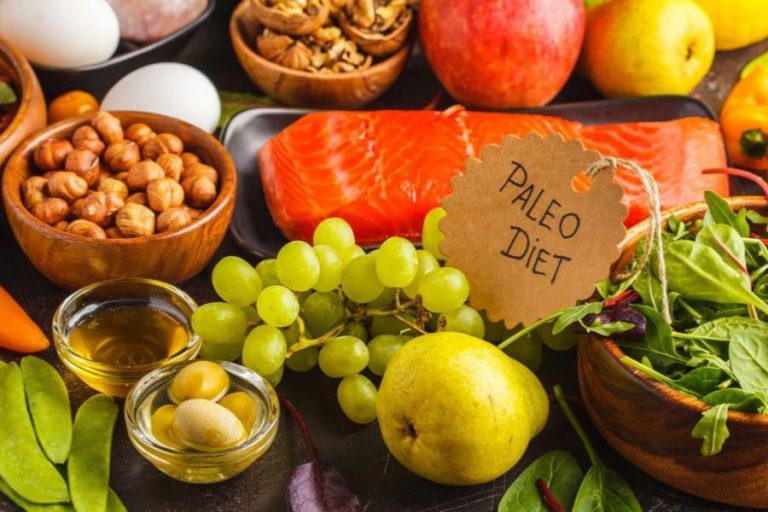
Most non starchy vegetables are naturally low in carbs and high in fiber and nutrients. Many contain only 3 to 9 grams of carbs per 100 grams (Healthline). You can enjoy generous portions of:
- Leafy greens like spinach, kale, and lettuce
- Cruciferous vegetables such as broccoli, cauliflower, and Brussels sprouts
- Zucchini, cucumber, celery, peppers, and radishes
- Mushrooms and asparagus
The Obesity Medicine Association highlights alfalfa sprouts, celery, cucumbers, iceberg lettuce, mushrooms, leafy greens, broccoli, cauliflower, zucchini, asparagus, and radishes as particularly low carb choices that help you maintain good nutrition while cutting back on starchier options (Obesity Medicine Association).
Choose fruits strategically
Fruits generally contain more carbs than vegetables, but that does not mean you must avoid them entirely. You can enjoy 1 to 2 servings of lower sugar fruits most days and still keep carbs in check (Healthline).
Good low carb fruit choices include:
- Berries, such as strawberries, raspberries, and blackberries
- Melons like watermelon and cantaloupe
- Kiwi, peaches, clementines, and grapefruit in modest portions
These options, highlighted by the Obesity Medicine Association, can fit into a low carb diet while still helping you meet your daily fruit and fiber needs (Obesity Medicine Association).
Plan simple, satisfying low carb meals
You do not need complicated recipes to start a low carb diet. If you plan a few basic meals that you actually enjoy, you are far less likely to feel deprived or fall back into old habits.
Here are some straightforward ideas adapted from guidance by the Obesity Medicine Association (Obesity Medicine Association):
Think of every meal as: protein first, then plenty of low carb vegetables, then a source of healthy fat.
Breakfast ideas
You can keep breakfast quick and filling:
- Scrambled eggs with spinach and cheese, plus avocado slices
- A veggie omelet with peppers, onions, and mushrooms
- Greek yogurt with a small handful of berries and nuts
- Cottage cheese topped with cucumber slices and cherry tomatoes
Lunch ideas
For lunch, focus on meals that travel well and do not rely on bread:
- A big salad with grilled chicken, mixed greens, cucumbers, olives, and olive oil dressing
- Lettuce wrap sandwiches with turkey, cheese, and tomato instead of bread
- A bowl of soup or chili made with meat, beans if your carb allowance permits, and plenty of vegetables
- Leftover steak or chicken served over a bed of leafy greens
Dinner ideas
Dinner can feel just like a traditional meal, just with smarter sides:
- Steak or chicken with roasted broccoli and a side salad
- Baked salmon with asparagus and cauliflower mash instead of potatoes
- Stir fry with beef or tofu, broccoli, peppers, and a small portion of cauliflower rice
- Burgers without the bun, topped with cheese, lettuce, tomato, and pickles
Full fat dairy such as cheese and yogurt can be part of your low carb meals if you tolerate them, as long as you read labels carefully and avoid added sugars (Healthline).
Avoid common low carb pitfalls
Even with a good plan, a few missteps can make you feel tired, deprived, or frustrated. Watching out for these issues will help you stay on track.
Cutting carbs too quickly
If you move from a high carb diet to a very low carb or ketogenic diet overnight, you may experience headaches, fatigue, irritability, and brain fog, sometimes called the “keto flu.” These symptoms can be linked to a sudden change in how your body uses fuel and the shift into ketosis (Mayo Clinic). To reduce discomfort, lower carbs gradually, drink enough water, and include some electrolyte rich foods such as leafy greens and salt in moderation.
Forgetting about fiber
When you cut bread, pasta, and many grains, your fiber intake can drop if you do not intentionally replace it. Over time, this can lead to constipation and digestive issues (Mayo Clinic).
To keep your digestion happy, keep plenty of:
- Low carb vegetables and salads
- Nuts and seeds in moderate portions
- High fiber pulses and whole fruits if your chosen carb level allows
Diabetes UK recommends getting carbohydrates mostly from high fiber foods like pulses, nuts, vegetables, and whole fruits to support overall health even when you are eating fewer carbs (Diabetes UK).
Overdoing saturated fat
If you focus on bacon, butter, and heavy cream and ignore vegetables and healthier fats, your LDL cholesterol levels may rise. Northwestern Medicine notes that diets very high in saturated fat can raise LDL cholesterol within six to eight weeks and may increase the risk of heart attacks and strokes (Northwestern Medicine).
You can still enjoy some animal fats, but try to balance your plate with:
- Olive oil and avocado
- Nuts and seeds
- Fatty fish such as salmon or sardines
- Plenty of non starchy vegetables
Talk to your healthcare team if you have medical conditions
If you live with type 2 diabetes, heart disease, kidney issues, or you take medications that affect blood sugar or blood pressure, it is wise to speak with your healthcare provider before you make major changes to your diet.
Diabetes UK advises that people managing diabetes with insulin or other medicines that can cause low blood sugar need professional support when starting a low carb diet because medication doses may need to be adjusted to prevent hypoglycemia (Diabetes UK).
You should also get medical advice before starting a very low carb or ketogenic diet if you:
- Have a history of eating disorders
- Are pregnant or breastfeeding
- Have significant liver or kidney disease
Your provider can help you find a carb level that fits your health history and may suggest regular blood work to monitor lipids, kidney function, and blood sugar.
Make your low carb diet enjoyable and sustainable
A low carb diet does not have to be a short term crash plan or a source of constant self denial. You can make it part of your everyday life by:
- Starting with a realistic carb target instead of an extreme one
- Centering meals around protein, healthy fats, and plenty of low carb vegetables
- Including small servings of lower sugar fruits and treats when they fit your goals
- Planning simple, repeatable meals so you are not stuck wondering what to eat
- Adjusting gradually based on how you feel, your hunger levels, and your health markers
Many of the benefits of a low carb diet, such as improved blood sugar and cholesterol levels and reduced risk of heart disease, appear when you focus on healthy sources of carbs, fats, and proteins instead of ultra processed foods (Mayo Clinic).
You do not have to do everything perfectly from day one. Try changing just one meal today, maybe by swapping a sandwich for a salad with grilled chicken and avocado, and notice how you feel. Over time, those small, sustainable steps can add up to better health without leaving you feeling deprived.
About the Author