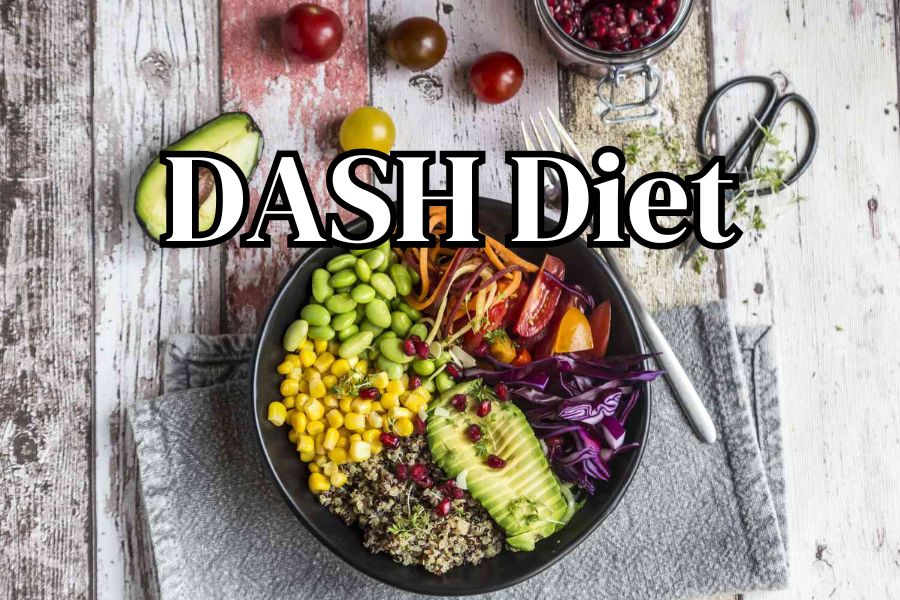
A DASH diet menu can do more than lower your blood pressure. It can also help you lose weight, stabilize your energy, and make everyday meals feel more satisfying, not restrictive. With a little planning, you can turn the science-backed DASH eating plan into simple breakfasts, lunches, and dinners that fit your routine.
Below, you will find what the DASH diet is, how a typical day of eating looks, and practical tips to build your own weekly DASH diet menu without feeling like you are on a “diet” at all.
Understand what the DASH diet is
The DASH diet, short for Dietary Approaches to Stop Hypertension, is a healthy eating plan designed to help treat or prevent high blood pressure by lowering salt intake and focusing on nutrients like potassium, calcium, magnesium, protein, and fiber (Mayo Clinic). It is not built around special products. You use everyday foods that you can find in a regular grocery store.
Your DASH diet menu will center on:
- Vegetables and fruits
- Whole grains
- Low-fat or nonfat dairy
- Lean proteins like poultry, fish, and beans
- Nuts, seeds, and legumes
- Healthy unsaturated fats, such as olive oil
At the same time, you limit red and processed meats, full fat dairy, sweets, sugary drinks, and salty packaged foods (Verywell Health).
Know your sodium and serving goals
A big part of building a healthy DASH diet menu is paying attention to sodium and portions. The U.S. National Heart, Lung, and Blood Institute (NHLBI) lays out clear daily and weekly goals for a 2,000 calorie DASH plan (NHLBI).
Sodium targets
There are two common sodium levels within DASH:
- Standard DASH: up to 2,300 mg sodium per day
- Lower sodium DASH: up to 1,500 mg sodium per day, which can lower blood pressure even more effectively (NHLBI)
To put that in perspective, 2,300 mg is about 1 teaspoon of table salt per day (Verywell Health). That total includes salt that is already in foods, not just what you sprinkle on top.
Core daily servings on a 2,000 calorie DASH menu
Here is a quick snapshot of what a typical day might include:
| Food group | Approximate daily target* |
|---|---|
| Vegetables | 4 to 5 servings |
| Fruits | 4 to 5 servings |
| Whole grains | 6 to 8 servings |
| Low fat or nonfat dairy | 2 to 3 servings |
| Lean meat, poultry, fish | Up to 6 servings (small portions) |
| Nuts, seeds, legumes | 4 to 5 servings per week |
| Fats and oils | 2 to 3 servings |
| Sweets and added sugars | 5 or fewer servings per week |
*Based on a 2,000 calorie DASH diet menu, as outlined by NHLBI and Mayo Clinic (NHLBI, Mayo Clinic).
You can adjust these amounts up or down with help from a health care professional or dietitian, especially if your calorie needs differ from the standard 2,000 per day (Mayo Clinic).
See how a DASH day on a plate looks
It is much easier to follow a DASH diet menu when you can picture an actual day of food. Mayo Clinic even shares sample three day menus that stick to 2,000 calories and follow DASH principles (Mayo Clinic). Below is a simple example you can adapt.
Sample breakfast ideas
You want a mix of whole grains, fruit, and some protein.
You might try:
- Overnight oatmeal made with low fat milk, topped with berries and a sprinkle of chopped nuts
- Whole grain toast with a thin spread of soft margarine, a scrambled egg, and a side of orange slices
- Low fat yogurt layered with sliced banana and a small serving of granola
These choices fit the DASH focus on fiber, calcium, potassium, and modest, healthy fats.
Sample lunch options
Aim for vegetables, lean protein, and a whole grain.
For example, you could have:
- Turkey medallions with a tomato and cucumber salad and a side of brown rice, similar to recipes featured in DASH friendly collections (Taste of Home)
- A whole wheat pita stuffed with hummus, lettuce, grated carrot, and sliced peppers, plus an apple
- Leftover grilled salmon on top of a leafy green salad with quinoa, tossed with olive oil and lemon
Each option keeps saturated fat low and uses herbs, citrus, and vinegar for flavor rather than heavy salt.
Sample dinner recipes
Dinner is a good time to fit in extra vegetables and another serving of whole grains.
You could serve:
- Spiced salmon or grilled tilapia with pineapple salsa, plus steamed broccoli and a small baked potato (Taste of Home)
- Quinoa “unstuffed” peppers with black beans and vegetables on the side, a plant forward option that fits DASH goals (Taste of Home)
- Stir fried tofu or chicken with mixed vegetables, cooked in a small amount of olive oil, over brown rice, seasoned with garlic, ginger, and low sodium soy sauce
Thoughtful snacks and sweets
Snacks can support your DASH diet menu or quietly work against it. Build in 1 to 2 snacks per day that help you reach your fruit, vegetable, and dairy targets.
You might choose:
- Carrot sticks with a few tablespoons of hummus
- A small handful of unsalted nuts and an apple
- Low fat cottage cheese with sliced peaches
For sweets, DASH allows up to 5 small servings per week, not per day (Verywell Health). A serving might be 1 tablespoon of sugar, jelly, or honey, or a half cup of sorbet. Planning these treats into your week makes them feel intentional instead of like a setback.
Use smart strategies to lower sodium
Most of the sodium in your diet probably comes from packaged and restaurant foods, not from your salt shaker. Building a DASH diet menu that supports your blood pressure means gradually shrinking those hidden sources.
Focus on simple swaps
You can lower your daily sodium significantly by making a few consistent changes:
- Choose fresh or frozen vegetables instead of canned, or rinse canned vegetables and beans under water before cooking
- Pick reduced sodium or no salt added versions of broth, canned tomatoes, and condiments
- Limit heavily salted foods like processed meats, frozen dinners, pizza, and canned soups that often contain large amounts of sodium (Verywell Health)
When you cook at home, flavor food with herbs, spices, garlic, onion, citrus, and vinegar. This lets you cut back on salt without ending up with bland meals.
Watch portions of higher sodium foods
If you do eat something salty, keep it in a small portion and balance it with fresh, lower sodium choices the rest of the day. The NHLBI provides worksheets and serving tables to help you compare your current eating habits to DASH goals and track your progress (NHLBI).
Build a weekly DASH diet menu that works for you
A DASH eating style is more likely to last when it fits your taste, schedule, and budget. Instead of copying someone else’s exact meal plan, use a framework that you can adjust week by week.
Start with your calendar
Look at your week. On busy days, plan quicker meals like:
- Egg and vegetable scramble with whole grain toast
- Pre washed salad greens topped with canned low sodium beans, leftover chicken, and a slice of whole grain bread
- Whole wheat pasta with tomato sauce, spinach, and a side of fruit
On days when you have a little more time, batch cook items like brown rice, quinoa, grilled chicken, roasted vegetables, or a big pot of lentil soup. These are all DASH friendly building blocks that you can mix and match.
Plan around the food groups
When you sketch your weekly DASH diet menu, check that each day includes:
- Vegetables at lunch and dinner, plus optional veggie snacks
- Fruit at breakfast and as a snack or dessert
- Whole grains at most meals
- 2 to 3 servings of low fat or nonfat dairy, like milk, yogurt, or cottage cheese
- Lean protein at 2 to 3 meals
If you enjoy nuts, seeds, dry beans, and peas, include them four to five times per week as your protein source (Verywell Health).
Support weight loss with DASH
If weight loss is one of your goals, your DASH diet menu can be adjusted to support a modest calorie deficit while still providing the nutrients you need.
Focus on volume and fiber
Because DASH emphasizes vegetables, fruits, beans, and whole grains, you already have a head start. These foods are naturally high in fiber and water, so they fill you up on fewer calories. A few practical tweaks include:
- Filling half your plate with non starchy vegetables at lunch and dinner
- Choosing fresh fruit instead of juice
- Swapping refined grains for whole grains like oats, barley, brown rice, and whole wheat bread
The DASH pattern has been recognized as both heart healthy and helpful for weight management, and it was even ranked as a top overall diet by health experts in recent years (Taste of Home).
Watch extras that add up
Healthy fats like olive oil and nuts are encouraged on DASH, but they are also calorie dense. Measure these at first rather than pouring or grabbing by the handful. Limit alcohol as well, since heavy drinking is linked to higher blood pressure and adds calories without much nutrition. Guidelines suggest no more than two drinks per day for men and one for women (Verywell Health).
If you are not sure how many calories you need for gradual, sustainable weight loss, it is wise to talk with your health care professional or a dietitian who can tailor the DASH plan to you (Mayo Clinic).
Make the DASH diet easier to stick with
A healthy DASH diet menu does not have to be perfect to work. Small, steady changes make a real difference, especially for blood pressure and long term heart health. The DASH eating plan has even been named the “Best Heart Healthy Diet” and “Best Diet for High Blood Pressure” by NIH supported reviews (NHLBI).
To keep things realistic:
- Change one meal at a time, like turning breakfast into a DASH friendly routine
- Keep a short list of go to DASH meals that you actually enjoy
- Use spices and herbs generously so lower sodium food still tastes satisfying
- Check labels when you shop and compare sodium per serving across brands
If you would like an extra nudge, you can print or save one of the sample three day DASH menus from Mayo Clinic as training wheels while you get used to building your own (Mayo Clinic).
Try planning a single day of DASH style meals using the ideas above. As you get comfortable, you can stretch that to a full week and adjust your menu so it fits your life, your tastes, and your health goals.
About the Author