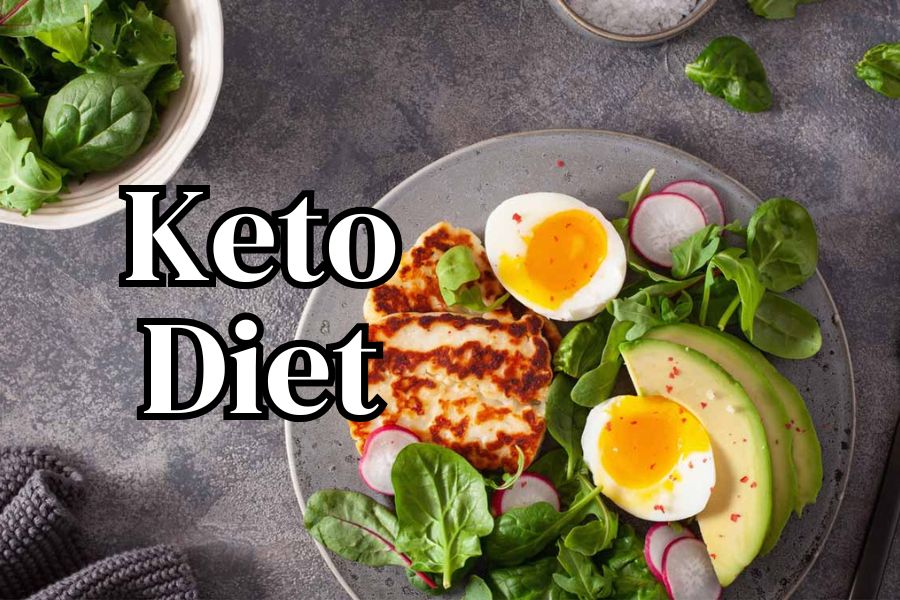
A ketogenic approach can be a powerful tool for weight management, but it works best when you understand how and why it helps. When you focus on keto diet weight loss strategies that fit your lifestyle, you are more likely to see progress and maintain it over time.
Below, you will find a clear, practical guide to using keto for weight loss in a way that supports your overall health, not just the number on the scale.
Understand how keto weight loss works
The ketogenic diet is a very low carbohydrate, high fat way of eating. Typically, about 70 to 80 percent of your calories come from fat, 10 to 20 percent from protein, and only 5 to 10 percent from carbohydrates (Harvard T.H. Chan School of Public Health). This carb restriction is what drives most of the weight loss benefits.
When you cut your carb intake to roughly 20 to 50 grams per day, your body runs out of its usual fuel source, glucose. In response, it shifts into a metabolic state called ketosis, where it breaks down stored fat into ketone bodies and uses those as energy instead (Cleveland Clinic). This metabolic switch is what allows you to burn fat more efficiently.
Short term studies, usually 12 weeks or less, show that keto can lead to weight reduction and improvements in insulin resistance, blood pressure, cholesterol, and triglycerides (Harvard T.H. Chan School of Public Health). Over longer periods, the total weight loss is often similar to other calorie controlled diets, so the real advantage of keto is whether it helps you stay consistent.
Set realistic keto weight loss expectations
You may see quick results in the first week of keto, but it helps to know what is really happening during each phase.
During your first week, it is common to lose 2 to 10 pounds, mostly due to water loss as your glycogen stores are depleted (Healthline). Glycogen, the stored form of carbohydrate in your muscles and liver, binds to water. When you use up glycogen, you release that water through increased urination, which explains the rapid drop on the scale.
Once you are past that first week and your body has shifted into ketosis, your rate of loss usually slows to around 1 to 1.5 pounds per week if you maintain a calorie deficit of about 500 to 750 calories per day (Healthline). This is the stage where you are more likely losing body fat, not just water.
From about two weeks to three months, many people see steady fat loss of 1 to 2 pounds per week (KetoKeto). After three months, your progress can slow to about 1 to 2 pounds every couple of weeks, especially if you are closer to your goal weight (KetoKeto).
Think of keto diet weight loss in phases: fast water loss at first, then slower, more meaningful fat loss as your body adapts.
If you know this ahead of time, you are less likely to get discouraged when the quick early drop slows down.
Balance your keto macros wisely
Hitting the right macronutrient balance is essential for getting into and staying in ketosis. You want your carbs low enough, your fat high enough, and your protein in a middle zone that supports muscle but does not disrupt ketosis.
Most people do best when they limit carbohydrates to under 50 grams per day, and many aim closer to 20 to 30 grams to reliably enter ketosis (Cleveland Clinic). This usually means avoiding bread, pasta, rice, potatoes, sweets, and most processed snack foods (UC Davis Health).
Your fat intake should be high enough to keep you satisfied, usually around 70 to 80 percent of your total calories. That does not mean any fat is good. Choosing healthier options like olive oil, avocado, nuts, seeds, and fatty fish helps protect your heart as you lose weight (Northwestern Medicine).
Protein usually lands around 10 to 20 percent of your calorie intake (Harvard T.H. Chan School of Public Health). You want enough to maintain lean muscle, but not so much that your body turns excess protein into glucose, which can make ketosis harder to maintain. Foods like eggs, poultry, fish, and moderate amounts of Greek yogurt or cottage cheese work well here (Healthline).
Using a macro calculator tailored to your gender, height, weight, and activity level helps you fine tune these targets and make adjustments if your progress slows (KetoKeto).
Choose keto foods that support fat loss
The foods you pick on keto can make the difference between feeling full and energized or hungry and drained. Focus on simple, nutrient dense options that fit your macros and actually taste good to you.
Eggs are a staple for many people on keto, since each large egg has less than 1 gram of carbs and about 6 grams of protein. Eggs also trigger hormones that increase feelings of fullness, which can help you naturally eat less (Healthline).
Plain Greek yogurt and cottage cheese contain some carbs, but when you eat them in moderation they can fit into your daily allowance. They have been shown to decrease appetite and increase satiety, which supports sustainable weight loss (Healthline, EatingWell).
Nuts and seeds provide a mix of healthy fats and fiber with relatively low net carbs. This combination helps you feel full, may reduce your overall calorie intake, and can improve risk factors related to chronic disease (Healthline). Just keep an eye on portions, because calories from nuts can add up quickly.
Some specialty foods, such as shirataki noodles, offer a very low carb way to enjoy meals that might otherwise spike your carb count. Shirataki noodles have less than 1 gram of net carbs and only about 15 calories per serving, and the glucomannan fiber they contain slows digestion and may help with weight and blood sugar management (Healthline).
Medium chain triglycerides, or MCTs, found in coconut oil can also play a role in your plan. MCTs may increase ketone production, slightly raise your metabolic rate, and support loss of body and belly fat (EatingWell). You can add small amounts of coconut oil or MCT oil to smoothies or coffee, as long as you stay within your calorie goals.
Avoid common keto weight loss mistakes
Even when you follow keto principles, a few missteps can stall your progress. Paying attention to these common issues helps you get better results without making the diet more restrictive than it needs to be.
One frequent mistake is relying on the idea that you do not need to think about calories on keto. Although ketosis can reduce hunger and help you burn more fat, long term fat loss still depends on a calorie deficit of about 500 to 750 calories per day for 1 to 1.5 pounds of weekly weight loss (Healthline). Eating unlimited amounts of energy dense keto friendly foods like cheese, oils, and nuts can quietly push you into a surplus.
Another challenge is not planning for plateaus. As your body adapts and you get closer to your goal, weight loss tends to slow down (KetoKeto). This does not always mean keto has stopped working. It may simply be time to recalculate your macros, tighten portions, or increase physical activity.
It is also easy to drift into a keto pattern that is heavy on processed meats, butter, and cheese with very few vegetables. Over time, this can increase your risk of nutrient deficiencies and other health issues, including kidney stones and osteoporosis, if you are not careful (Harvard T.H. Chan School of Public Health). Keeping room in your carb budget for non starchy vegetables and low sugar fruits like raspberries can help balance your diet (UC Davis Health).
Finally, many people underestimate how hard it is to maintain a very low carb diet long term. Studies suggest that people commonly regain at least half of the weight they lost once they stop keto (Northwestern Medicine). Planning ahead for how you will transition off strict keto or how you will maintain a modified version can protect your results.
Here is a simple way to think about it:
| Mistake | Why it matters | What you can do |
|---|---|---|
| Ignoring calories | Makes long term fat loss unlikely | Track portions, especially fats and snacks |
| Very few vegetables | Increases risk of nutrient gaps and constipation | Include low carb veggies at most meals |
| Overdoing processed meats and cheese | May impact heart health if used heavily | Emphasize olive oil, avocado, nuts, and fish instead (Northwestern Medicine) |
| No exit plan | Raises risk of regaining lost weight | Introduce carbs gradually and prioritize long term habits |
Manage side effects and protect your health
When you start keto, you might notice side effects that people often call the “keto flu.” As you sharply cut carbs and your body adjusts to using fat and ketones for fuel, you may feel hungry, tired, irritable, constipated, or have headaches and mental fog (Harvard T.H. Chan School of Public Health, Northwestern Medicine). These symptoms usually last from a few days to a couple of weeks.
Staying hydrated, getting enough electrolytes, and slowly lowering your carbs instead of cutting them overnight can ease this transition. Fiber from low carb vegetables, seeds, and small amounts of nuts also helps with constipation.
Long term, a strict keto diet can make it harder to meet all your nutrient needs because it restricts fruits, legumes, vegetables, and whole grains. Over time, this can affect your gut health and may lead to issues like kidney stones, osteoporosis, and increased uric acid if your intake is not well balanced (Harvard T.H. Chan School of Public Health, EatingWell).
Because of these potential risks, it is wise to work with a physician and, ideally, a dietitian, especially if you have existing health conditions. Professional guidance can help you monitor cholesterol, kidney function, and vitamin and mineral status, and can help you adjust your plan if lab results change (Harvard T.H. Chan School of Public Health, UC Davis Health).
Use keto as part of a long term plan
Keto started in the 1920s as a medical diet for drug resistant epilepsy and is still used in that context today (UC Davis Health). Its popularity for weight loss came later. That history is a useful reminder that keto is a tool, not a requirement for health.
You might find that a strict, classic ketogenic diet suits you, or you might do better with a modified version that allows slightly more protein and carbs, such as a modified Atkins style approach (UC Davis Health). What matters most is choosing an approach that you can maintain without feeling constantly deprived.
If you decide to transition off keto after reaching a goal, adding carbohydrates back slowly can make the process smoother. Increasing whole food carbs like fruits, legumes, and whole grains in small steps while keeping your overall calorie intake in check can help you avoid rapid regain. Continuing the habits that supported your success, such as cooking at home more often and being active, is just as important as the diet itself.
Keto can be especially useful if you have struggled to lose weight with other methods, but it is not the only way to improve your health. Because genetics and body composition vary, checking in with your physician and dietitian before and during keto gives you a safer, more personalized path (Harvard T.H. Chan School of Public Health).
If you want to try keto diet weight loss, start with one simple step today. You might track your current carb intake, plan a lower carb dinner, or schedule a conversation with your healthcare provider. Building from that single action will help you move toward your best shape in a steady and sustainable way.
About the Author