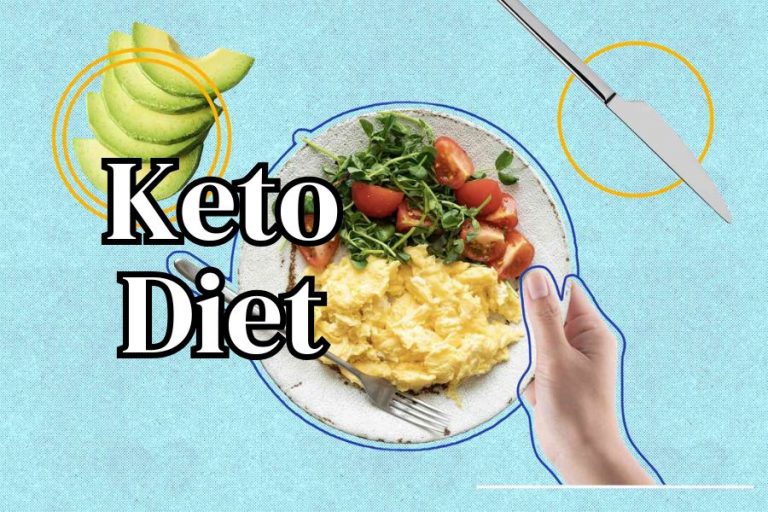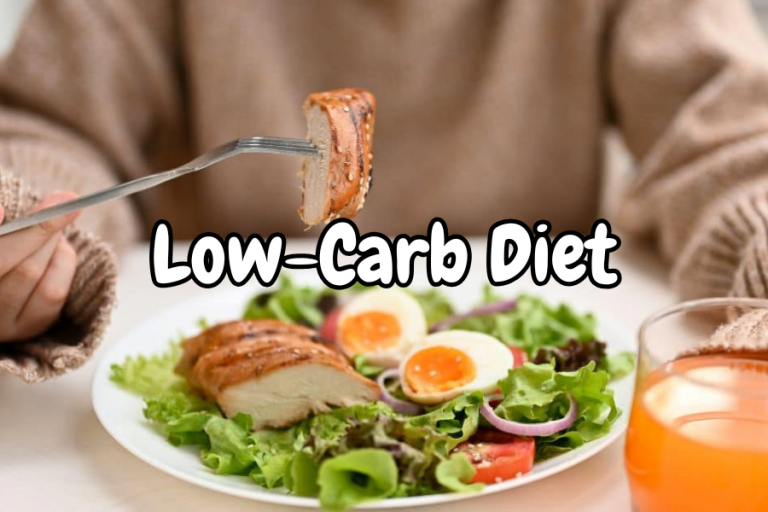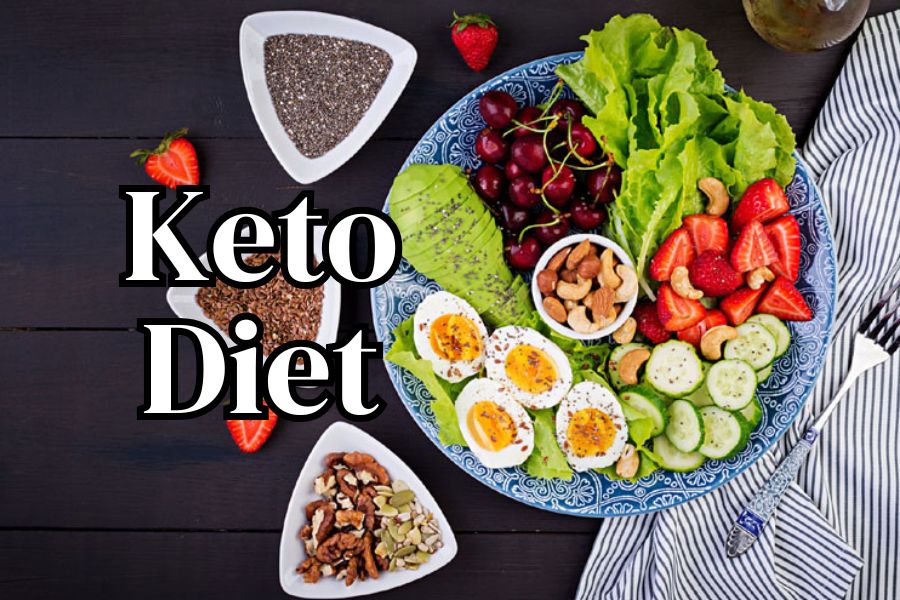
Keto diet macros are the engine that makes keto work. You can cut sugar and bread, but if your fats, protein, and carbs are not in the right balance, you will struggle to get into ketosis and shed pounds as quickly as you hoped.
This guide walks you through exactly how keto diet macros work, what ratios to aim for, how to calculate your own numbers, and how to track them in real life so weight loss and better health become much easier to maintain.
Understand what keto diet macros are
On any diet, your macros are the three big nutrients that supply calories: carbohydrates, fat, and protein. Keto diet macros are simply a specific balance of those three that pushes your body into ketosis, where you burn fat for fuel instead of carbs.
Most well formulated ketogenic diets keep carbs very low, prioritize fat for energy, and keep protein in a moderate range. Several respected sources place typical keto macros in a similar band:
- Around 5 to 10 percent of calories from carbohydrates
- Around 55 to 80 percent of calories from fat
- Around 10 to 35 percent of calories from protein, usually on the moderate side (Harvard T.H. Chan School of Public Health, NCBI Bookshelf, Health)
Those percentages are the big picture. To actually lose weight, you need to translate them into grams you can track each day.
Learn the ideal keto macro ratio
Most people do well starting with a simple target ratio. Different organizations phrase it slightly differently, but the pattern is the same.
For weight loss, a typical starting point is:
- Carbs: 5 to 10 percent of calories
- Fat: 60 to 80 percent of calories
- Protein: 20 to 30 percent of calories
Harvard notes that on a 2000 calorie ketogenic diet, this often looks like about 40 grams of carbs, 165 grams of fat, and 75 grams of protein (Harvard T.H. Chan School of Public Health). Many keto coaches and tools suggest similar numbers, for example roughly 5 percent carbs, 70 to 80 percent fat, and 20 to 30 percent protein (Perfect Keto, Abbott Nutrition).
You can treat those figures as your default, then adjust based on your body size, goals, and activity level.
Get clear on your carb limit
Carbs are the most important macro to control if you want ketosis and quick fat loss. Once carbs drop far enough, your insulin levels fall and your body starts producing ketones from fat for energy (NCBI Bookshelf).
Most research based resources agree on a narrow range:
- To trigger and maintain ketosis, you usually need under 50 grams of carbs per day, and often 20 to 50 grams is recommended (Everyday Health, Healthline, NCBI Bookshelf).
- Some calculators specifically suggest aiming for about 20 grams of net carbs per day for reliable fat loss and ketosis (ruled.me).
You will see two phrases repeatedly:
- Total carbs: all carbohydrates in a food.
- Net carbs: total carbs minus fiber and some sugar alcohols, since those are not fully digested. Many keto tools emphasize net carbs because only digestible carbs impact ketosis (ruled.me). Harvard also notes that net carbs are not a perfect measure and there is some debate, but the concept is widely used in keto circles (Harvard T.H. Chan School of Public Health).
To keep your carb macros on track, focus on small portions of non starchy vegetables, and skip grains, starchy vegetables, most fruits, juices, sweets, and regular sauces that hide sugar (Everyday Health, Harvard T.H. Chan School of Public Health).
Set protein to the right level
Protein trips up many people on keto. Too little and you lose muscle. Too much and your body can convert the excess to glucose, which may make it harder to reach full ketosis (Healthline, Harvard T.H. Chan School of Public Health).
Most experts describe keto protein as moderate, not high:
- Healthline suggests around 0.7 to 0.9 grams of protein per pound of body weight on a low carb diet to support ketosis without going overboard (Healthline).
- Other calculators fine tune this based on your lean body mass and activity. For example, ruled.me recommends roughly 0.6 to 1.2 grams of protein per pound of lean body mass, with more protein for people who are very active or lifting weights (ruled.me).
- Several references place protein at about 10 to 30 percent of your total calories on keto (Perfect Keto, Harvard T.H. Chan School of Public Health, Health).
If you are lifting weights or trying to preserve muscle while losing fat, staying at the higher end of that moderate range can be helpful, as long as you keep carbs low and fat high enough to supply energy.
Let fat do the heavy lifting
Fat becomes your primary fuel source on keto. Once your carbs are low and protein is steady, you use dietary fat plus stored body fat to meet your energy needs.
You will see a consistent message across references: fat should supply most of your daily calories.
- Healthline notes that on low carb and keto diets, fat often makes up around 70 percent of calories (Healthline).
- Perfect Keto recommends around 70 to 80 percent of calories from fat, built from foods like fatty meat, eggs, avocados, nuts, and cooking oils such as olive oil (Perfect Keto).
- Harvard suggests that on a 2000 calorie ketogenic diet this can mean about 165 grams of fat per day (Harvard T.H. Chan School of Public Health).
You also want to think about fat quality, not just the number of grams. The National Lipid Association and recent randomized trials recommend prioritizing unsaturated fats like olive oil, nuts, and fatty fish to support healthier cholesterol levels on keto (NCBI Bookshelf).
Several calculators call fat your calorie lever. After you set your carb and protein targets, you adjust your fat intake up or down to create a calorie deficit for weight loss or a small surplus for muscle gain (ruled.me).
Calculate your personal keto macros
You do not have to guess your numbers. Many macro calculators use the Mifflin St Jeor equation to estimate your basal metabolic rate, then layer in your age, sex, weight, height, body fat percentage if you know it, and activity level (Perfect Keto, ruled.me).
The general steps look like this:
- Estimate your daily calorie needs using a calculator that relies on Mifflin St Jeor or similar.
- Decide on your goal: steady weight loss, maintenance, or weight gain.
- Set your carb limit first, typically 20 to 50 grams per day, which is usually 5 to 10 percent of calories (NCBI Bookshelf, Perfect Keto).
- Choose a protein target based on your lean body mass and activity, usually in the 0.6 to 1.0 grams per pound of lean body mass range (ruled.me, Perfect Keto).
- Fill in the rest of your calories with fat, typically landing at 60 to 80 percent of calories from fat.
You do not need to get every number perfect on day one. If you stay under your carb limit, hit roughly the right protein intake, and let fat fill the rest, you will likely move toward ketosis.
Track your macros day to day
Once your targets are set, the fastest way to see weight loss is to reliably hit those numbers. That is where tracking comes in.
Abbott Nutrition recommends using a food journal or macro tracking app to stay within your keto macro goals and maintain ketosis (Abbott Nutrition). Many apps already include net carb tracking, which makes life easier.
You can make daily tracking practical by:
- Pre logging your main meals in the morning so you see how they affect your daily totals
- Weighing or measuring higher calorie foods like nuts, cheese, and oils
- Keeping a short list of go to meals that you know fit your macros without much effort
Stocking your kitchen with keto friendly staples also reduces guesswork. Abbott suggests keeping items like cheeses, olives, oils, avocados, eggs, and cold water fish on hand, since they make it simple to reach high fat and moderate protein targets (Abbott Nutrition).
Avoid common macro mistakes on keto
A few predictable missteps can slow your results, even if your carb count looks okay at first glance.
One mistake is cutting carbs and raising fat intake too sharply overnight. Everyday Health notes that tapering carbs gradually instead of going from high carb to strict keto in a single day can make the transition easier on your body (Everyday Health).
Another issue is overdoing protein. Several sources explain that when carbs are very low, your body can convert excess protein into glucose via gluconeogenesis, which may reduce your ketone levels (Healthline, Harvard T.H. Chan School of Public Health, Abbott Nutrition). Sticking to moderate rather than very high protein helps prevent this.
People also forget the carbs in vegetables. Non starchy vegetables are encouraged for fiber and micronutrients, but they still contain carbs that count toward your daily limit. Everyday Health advises paying attention to serving sizes so you maintain ketosis while still getting enough fiber to avoid constipation (Everyday Health).
Finally, it is easy to overlook electrolytes. Low carb diets reduce insulin, which can cause your kidneys to excrete more sodium and water. This contributes to the so called keto flu, with symptoms like fatigue, headaches, and cramps. Both Everyday Health and Healthline recommend salting your food adequately and drinking electrolyte rich fluids like broth, while still respecting overall sodium guidelines (Everyday Health, Healthline). Abbott Nutrition also emphasizes hydration and electrolytes to reduce headache and fatigue when you switch to keto (Abbott Nutrition).
If your weight loss stalls, look first at your macros: are your carbs creeping up, protein climbing, or fat intake too low to keep you satisfied?
Choose the keto style that fits you
While the standard ketogenic diet is the best known, it is not the only option. Health describes several variants, all built around the same macro principles but with different timing and flexibility (Health):
- The Standard Ketogenic Diet (SKD) keeps carbs under about 50 grams per day, and sometimes under 20 grams in the initial phase, with high fat and moderate protein.
- The Targeted Keto Diet (TKD) lets you take in a bit more carb right around workouts, while staying keto the rest of the time.
- The Cyclical Keto Diet (CKD) cycles between strict keto days and higher carb days. This approach tends to be used by athletes, although it does not always improve strength or endurance performance.
- The High Protein Keto Diet (HPKD) shifts the balance slightly toward more protein and less fat. Some people find this easier to follow, but it may not lead to the same level of ketosis for everyone.
Whichever version you choose, the core idea is the same. Keep your carbs consistently low, set protein at a moderate level that suits your body and activity, and use fat to fill the rest of your calories.
Know when keto macros are not for you
Keto diet macros can be a powerful tool for rapid fat loss and better metabolic health, but they are not appropriate for everyone. Health cautions that the strict macro ratios and food restrictions can lead to nutrient gaps and that keto is not suitable for certain groups, including people with type 1 diabetes and pregnant individuals (Health).
NCBI also notes that anyone starting a ketogenic diet, especially people with diabetes, high blood pressure, or kidney issues, should have their metabolic markers, renal function, lipids, and electrolytes monitored and medications adjusted if needed (NCBI Bookshelf).
If you have any medical conditions or take prescription medications, it is important to talk with your healthcare provider before you change your macros this dramatically.
Put your keto macros into action
You do not need a perfect plan to get started. You can begin today by:
- Picking a daily carb limit within the 20 to 50 gram range
- Choosing a moderate protein target that fits your weight and activity
- Letting healthy fats make up the rest of your calories
- Using an app or simple food journal to track what you eat for a week
- Adjusting based on your energy, hunger, and progress on the scale
Once your keto diet macros are dialed in, you will likely notice steadier energy, fewer cravings, and the kind of consistent fat loss that is hard to achieve with guesswork alone.
About the Author