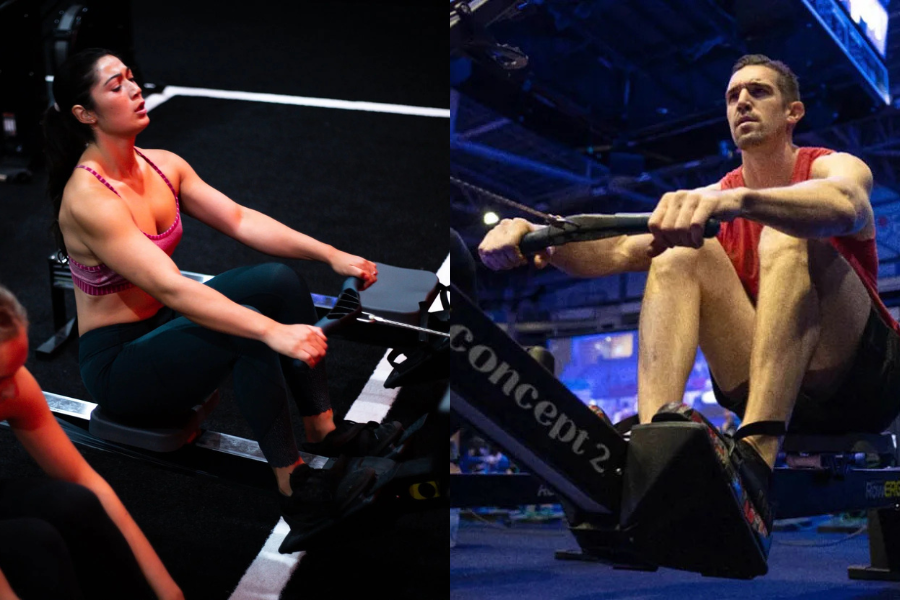
A rowing machine can be one of the most efficient tools you use for fat loss. The best rowing workouts for weight loss combine full body strength, cardio, and smart intervals so you burn more calories in less time while protecting your joints. You can tailor these sessions to your fitness level and schedule, whether you are brand new to rowing or already comfortable on the handle.
Below you will find simple, structured rowing workouts that focus on fat burning, explain how often you should row, and show you how to use technique and pacing to get better results from every stroke.
Why rowing works so well for weight loss
Rowing is different from many other cardio options because you recruit your upper body, lower body, and core at the same time. Every stroke uses your legs, back, shoulders, arms, and abs, which means you are engaging about 86 percent of your muscles in one movement, according to Fit & Well (Fit & Well).
That full body effort has two big advantages for weight loss. First, you burn a lot of calories in a relatively short time. A moderate 30 minute rowing session can use roughly 200 to 300 calories for many people and up to about 400 calories if you have a higher body weight (RowingMachineWorkouts). Second, you get a blend of cardio and strength in one workout, which supports fat loss and muscle maintenance at the same time (Garage Gym Reviews).
Rowing is also low impact, so it is easier on your knees and hips than high impact options like running. This makes it a strong choice if you want to lose weight without aggravating your joints (PureGym).
You burn fat with rowing by creating a consistent calorie deficit, not by targeting one body area. The workouts below help you burn more calories, but your overall diet still needs to support your goals. (RowingMachineWorkouts)
Get your form right first
Before you follow any of the best rowing workouts for weight loss, you will get better results and stay safer if you focus on technique. Good form lets you use more power with less strain and makes high intensity intervals much more effective.
Think of the stroke in four simple phases.
1. The catch
At the front of the stroke, your knees are bent, shins vertical, arms straight, and torso leaning slightly forward from the hips with a straight but relaxed back. Keep your core engaged and shoulders down instead of rounding forward.
2. The drive
Push through your legs first. Your legs should do most of the work. As they straighten, your torso begins to open from the hips, then your arms finish the stroke by pulling the handle toward the area just under your ribs. This sequence legs, then body, then arms is key for power and calorie burn (RP3 Rowing).
3. The finish
At the back, your legs are straight but not locked, your torso leans back slightly at about 45 degrees, and the handle sits below your chest. Elbows stay close to the body. Squeeze your shoulder blades gently together.
4. The recovery
Reverse the order and slow it down. Extend your arms, hinge your torso forward from the hips, then bend your knees so you glide back to the catch. The recovery should feel smooth and slightly longer than the drive. This rhythm helps your heart rate stay in the right zones without wasting energy.
Proper form is especially important when you row harder intervals. It prevents you from relying only on your arms and protects your lower back as intensity climbs (Fit & Well).
Beginner rowing workouts for weight loss
If you are new to rowing or returning after a long break, you can still get strong weight loss benefits without going all out. Your first goal is to master technique, build comfort on the rower, and get used to moderate effort.
Steady state foundation workout
Healthline suggests starting with around 20 minutes of moderate rowing about three days per week to build a solid fitness base (Healthline). Here is a simple structure you can follow.
-
Warm up, 5 minutes
Row lightly at an easy pace. Focus on slow, controlled strokes and form. -
Main set, 10 minutes
Row at a pace where you can still talk in short sentences, but you feel like you are working. Stroke rate around 20 to 24 strokes per minute is a good guide. -
Cool down, 5 minutes
Ease back to a very light pace. Let your breathing return to normal. Finish with gentle stretching for your legs, hips, and back.
This basic format introduces you to consistent rowing, which is a key part of any long term weight loss plan. As this gets easier, you can start adding short intervals.
Beginner interval workout for fat loss
Intervals help you burn more calories in the same amount of time by alternating short harder efforts with easier recovery periods. The Fitness Outlet suggests a beginner interval workout that takes about 20 minutes in total (The Fitness Outlet).
Try this one to gently introduce higher effort:
- Warm up, 5 minutes easy rowing
- Intervals, roughly 10 to 12 minutes total
- Row hard for 30 seconds at about 24 to 26 strokes per minute.
- Then row very gently for 90 seconds.
- Repeat this 8 to 10 times.
- Cool down, 3 to 5 minutes easy rowing and stretching
For weight loss, once this feels manageable you can gradually increase the number of intervals or the stroke rate over a few weeks. If you are completely new to intense exercise, Garage Gym Reviews recommends keeping HIIT style sessions to 15 minutes or less once per week at first to avoid overtraining (Garage Gym Reviews).
Intermediate interval rowing workouts
Once you have at least a few weeks of consistent rowing behind you, you can move on to slightly longer or more challenging intervals. This keeps your body from adapting and helps increase your calorie burn.
25 minute interval session
The Fitness Outlet recommends an intermediate workout that lasts about 25 minutes including warm up and cool down (The Fitness Outlet).
Here is how you can structure it:
- Warm up, 5 minutes easy
- Main intervals, 15 minutes
- Row hard for 1 minute at roughly 28 to 30 strokes per minute.
- Follow with 1 minute of very easy rowing.
- Repeat 10 to 12 times depending on how you feel.
- Cool down, 5 minutes gentle rowing and stretching
This style of workout keeps your heart rate high for much of the session, which can improve your aerobic capacity and support fat burning. If you need to modify, you can always shorten the hard segments or row at a slightly lower stroke rate.
Ascending interval workout
Healthline outlines intermediate sessions that use intervals of ascending intensity with varying stroke rates over about 35 minutes including warm up and cool down (Healthline). You can try a version like this:
- 5 minutes easy warm up
- 4 minutes at low to moderate effort, 22 strokes per minute
- 3 minutes a bit harder, 24 strokes per minute
- 2 minutes harder again, 26 strokes per minute
- 1 minute near your top sustainable pace, 28 to 30 strokes per minute
- 3 minutes easy
- Repeat the 4, 3, 2, 1 minute build a second time if you feel strong
- 5 minutes cool down
Gradually increasing effort trains your body to handle higher intensities without feeling overwhelmed, which is useful for both fitness and weight loss.
Advanced HIIT rowing workouts for maximum fat burn
If you already have at least six months of rowing experience and you are comfortable with intervals, you can move into true HIIT (high intensity interval training). These sessions use short bursts of very hard rowing with brief recovery periods and they can burn a lot of calories in a short window.
Healthline notes that advanced HIIT workouts are typically done at least five days per week if weight loss and fitness gains are your main goals, but you should already have a solid base before you attempt that schedule (Healthline).
Classic HIIT structure
RP3 Rowing suggests that some of the most effective fat burning rowing workouts use 20 to 40 seconds of maximum effort followed by 40 to 80 seconds of active recovery (RP3 Rowing). Here is a template you can adjust:
-
Warm up, 5 to 10 minutes
Include a few short 10 second bursts at higher intensity to prepare your body. -
HIIT block, 12 to 20 minutes
- Row all out for 20 to 40 seconds.
- Paddle lightly for 40 to 80 seconds.
- Repeat for 10 to 15 total rounds depending on fitness.
- Cool down, 5 minutes easy rowing and stretching
This pattern can create a strong afterburn effect, which means your body continues to burn extra calories after your workout as it recovers (The Fitness Outlet). Since HIIT is demanding, Garage Gym Reviews recommends limiting these intense sessions to about three per week and giving yourself easy days in between (Garage Gym Reviews).
Quick Tabata style workout
If you are short on time, you can try a Tabata style interval session, which PureGym highlights as a very efficient 9 minute format for fat loss (PureGym).
You can set it up like this:
- Warm up for 5 minutes at an easy pace.
- Set a timer for 8 rounds of:
- 20 seconds hard rowing at near maximum effort.
- 10 seconds total rest or very light rowing.
- Finish with 5 minutes of gentle rowing and stretching.
Because the work intervals are so short, you can push yourself harder than you would in a longer workout. Keep your focus on powerful leg drive and clean technique rather than just flailing for speed.
How long and how often you should row
For weight loss, the best rowing workouts are the ones you can do consistently. A common structure for effective fat burning programs is 4 sessions per week, lasting between 20 and 35 minutes each, with a mix of HIIT, medium intervals, and longer steady rows (RowingMachineWorkouts).
RP3 Rowing suggests that the most effective fat burning sessions typically last between 20 and 45 minutes depending on your fitness level and how hard you push (RP3 Rowing). Shorter, more intense workouts can be very powerful, but longer moderate rows also help your body use fat for fuel while being easier to recover from.
A simple weekly plan might look like this:
- 1 shorter HIIT rowing workout
- 1 moderate length interval workout
- 1 to 2 steady state or low intensity rows
If you are a beginner, start with 2 to 3 days per week and gradually build volume and intensity as your technique and conditioning improve.
Extra tips to maximize fat loss from rowing
Once you are following the best rowing workouts for weight loss that fit your level, a few small tweaks can help you get more from every session.
Focus on these habits:
- Use full range of motion. Drive strongly with your legs and allow your body to hinge from the hips so you use as many muscles as possible. Partial strokes reduce calorie burn.
- Keep a smooth rhythm. Avoid jerky movements. A strong, quick drive and relaxed, slightly longer recovery will help your heart rate sit in the right zones.
- Mix intensities. Combine low and moderate sessions with higher intensity intervals through the week so you do not overdo HIIT while still enjoying its benefits (Garage Gym Reviews).
- Support your training with nutrition. For intense rowing days, Fit & Well recommends a higher carbohydrate meal 2 to 4 hours before training, then a light carb, high protein snack or meal within four hours afterward to aid recovery and muscle development (Fit & Well).
- Maintain a calorie deficit. Weight loss comes from burning more calories than you consume. Rowing helps create that deficit, but your overall food intake still makes the biggest difference (RowingMachineWorkouts).
Rowing is a flexible tool. You can adjust the resistance, stroke rate, and workout length so sessions feel challenging without being intimidating. Start with one of the beginner or intermediate options, then gradually build toward the advanced HIIT structures as your fitness and confidence grow.
Choose one workout from this guide to try in your next session. Focus on solid form, consistent effort, and a pace you can sustain. Over time, small improvements in your rowing routine can add up to significant changes in your health and weight.
About the Author