A low carb weight loss plan can feel like a shortcut, especially when you hear stories of people dropping several pounds in a few weeks. What actually happens in your body is more interesting and more useful than any quick-fix promise. When you understand how cutting carbohydrates affects your metabolism, hunger, and long-term health, you can use low carb eating as a powerful tool instead of a short-lived crash diet.
Below, you will learn how low carb weight loss works, what the science really says, and how to start safely without feeling deprived.
Understand what “low carb” really means
Low carb is not one single diet. It is a spectrum, and where you land on it will affect how fast you lose weight and how you feel day to day.
A typical Western diet gets about 45 to 65 percent of calories from carbs. A low carb diet usually means you bring that number down significantly, often to less than 26 percent of total calories or under about 130 grams of carbs per day (Harvard Health Publishing).
Very low carb or ketogenic plans go further:
- Many low carb weight loss programs set a daily carb limit between 20 and 100 grams
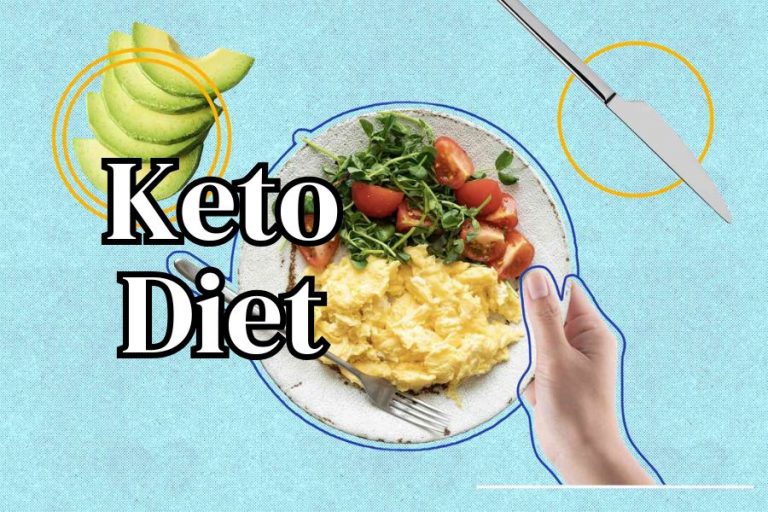
- A classic ketogenic diet usually keeps carbs around 20 to 50 grams per day and pushes fat up to 70 to 80 percent of your calories, with protein at 10 to 20 percent (Cleveland Clinic)
You do not have to go straight to a strict keto diet to benefit. Even moderate carb reduction can improve your blood sugar and appetite control when you are consistent.
See how low carb weight loss works in your body
When you cut carbs, you change your body’s preferred fuel source. Normally, your cells rely on glucose from carbohydrates. Once you lower carb intake, several things begin to shift.
You burn stored glycogen and water first
Carbohydrates are stored as glycogen in your muscles and liver, and glycogen holds water. At the start of a low carb diet your body uses up these glycogen stores. As this happens, you lose a noticeable amount of water weight. This is one reason low carb weight loss often looks dramatic in the first one to two weeks (Northwestern Medicine).
That early drop on the scale can be motivating, but it is not all fat loss yet. It is a mix of water and fat.
You move toward ketosis and fat burning
If you lower carbs enough, usually to somewhere under 50 grams per day, your body starts producing ketones from fat as an alternative fuel. This state is called ketosis (Cleveland Clinic). It typically takes 2 to 4 days of very low carb intake to enter ketosis, although it can take a week or more depending on your metabolism and previous diet.
In nutritional ketosis your blood ketone levels rise to roughly 1 to 7 mmol/L without creating metabolic acidosis (NCBI Bookshelf). You are not only using the fat you eat for energy, you are also more likely to tap into stored body fat. Many people also notice fewer hunger pangs, which makes it easier to eat less overall (Cleveland Clinic).
You feel fuller and often eat fewer calories
Research suggests low carb weight loss happens faster during the first 6 to 12 months compared with some other diets (NCBI Bookshelf). One explanation is that higher protein and fat intake can keep you fuller between meals, so you naturally eat fewer calories without tracking every bite (Mayo Clinic).
Some studies even hint at a possible “metabolic advantage,” where people on low carb diets may burn 200 to 300 more calories per day than those on equal-calorie high carb diets, although this is still debated among experts (NCBI Bookshelf).
Improve your blood sugar and metabolic health
Low carb weight loss is not only about the number on the scale. Cutting carbohydrates can change how your body handles sugar and insulin, which is especially important if you are at risk for or living with type 2 diabetes.
Low carb diets have been shown to:
- Improve blood sugar control
- Reduce the need for insulin and some oral medications
- Lower hemoglobin A1c levels (NCBI Bookshelf)
In some cases, people with type 2 diabetes who follow a low carb diet under medical supervision can even achieve diabetes remission. That means keeping their A1c under 6.5 percent for at least 3 months without medication (NCBI Bookshelf).
Low carb eating can also benefit your heart health profile. Studies show it often lowers triglycerides and raises HDL or “good” cholesterol, although its effect on LDL cholesterol can be neutral or slightly higher and remains under investigation (NCBI Bookshelf, Harvard Health Publishing).
Weigh the pros and cons before you commit
Like any eating pattern, a low carb weight loss approach comes with benefits and tradeoffs. Knowing both helps you decide how aggressively to cut carbs and how long you want to stay on that plan.
Potential benefits
If you follow a well designed low carb diet that emphasizes whole foods and healthy fats, you may experience:
- Faster early weight loss compared with some low fat diets, especially in the first 6 to 12 months (Mayo Clinic)
- Better appetite control and fewer cravings due to higher protein and fat intake (Mayo Clinic)
- More stable blood sugar and improved insulin sensitivity, especially if you have prediabetes or diabetes (Harvard Health Publishing)
- Improvements in some heart risk markers, such as lower triglycerides and higher HDL cholesterol (Harvard Health Publishing)
Possible downsides and risks
Not every body responds the same way to low carb eating. You may run into:
- Short term “keto flu” symptoms such as headache, fatigue, irritability, and brain fog as your body adapts to fewer carbs (Mayo Clinic)
- Digestive issues like constipation if you do not replace grains and legumes with enough high fiber vegetables (Harvard Health Publishing)
- Nutrient gaps, especially in vitamins and minerals, if your food variety shrinks too much (Northwestern Medicine)
- Increased LDL cholesterol or concerns about heart health if your fat sources are mostly high in saturated fat like processed meats and butter, instead of emphasizing olive oil, nuts, seeds, and fatty fish (Northwestern Medicine)
Strict versions of the ketogenic diet can also be difficult to maintain, and weight regain is common once you go back to old habits (Northwestern Medicine). For long term success, you will want a version that fits your lifestyle and that you can see yourself following for months, not just days.
If you have kidney disease, heart disease, or another chronic condition, talk with your doctor before making large shifts in your carb intake or protein consumption.
Think of low carb as a flexible range instead of a rigid rulebook. The best version is the one you can live with and that still moves your health in the right direction.
Choose the right low carb foods for weight loss
You can technically eat low carb and still miss out on key nutrients if most of your calories come from processed meats, butter, and cheese. To support both weight loss and your overall health, focus on foods that are low in carbs but rich in protein, fiber, and healthy fats.
Good choices include:
- Protein: Meat, poultry, eggs, and most seafood are very low in carbs and high in protein, which can help you feel full and preserve muscle as you lose fat (Healthline)
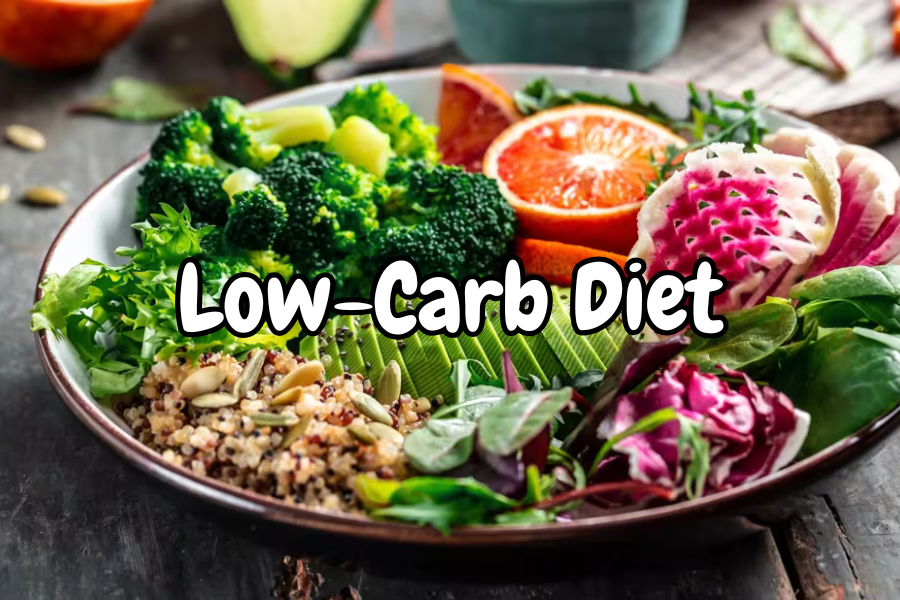
- Non starchy vegetables: Leafy greens, broccoli, cauliflower, zucchini, peppers, and other low carb vegetables provide fiber, vitamins, and minerals without many carbs (Healthline)
- Healthy fats: Avocados, olives, nuts, seeds, and olive oil supply energy and support heart health, especially when they replace saturated and trans fats (Northwestern Medicine)
- Lower sugar fruits: Avocados, olives, and berries are lower in sugar and can fit more easily into a low carb plan, usually in small portions of one to two servings per day (Healthline)
Many experts recommend counting total carbohydrates instead of “net carbs” when you are aiming for weight loss. This simple approach leaves less room for processed low carb products to sneak in more calories than you realize (Obesity Medicine Association).
Build simple low carb meals without overthinking
You do not have to cook complicated recipes to follow a low carb weight loss plan. You can put together easy meals by combining a protein source, non starchy vegetables, and a healthy fat.
For example:
- Breakfast: Scrambled eggs with a side of sautéed spinach, or a veggie omelet cooked in olive oil. The Obesity Medicine Association highlights options like eggs with bacon or low carb pancakes as possible low carb breakfasts that stay around 11 grams of carbs and 12 grams of protein per serving (Obesity Medicine Association).
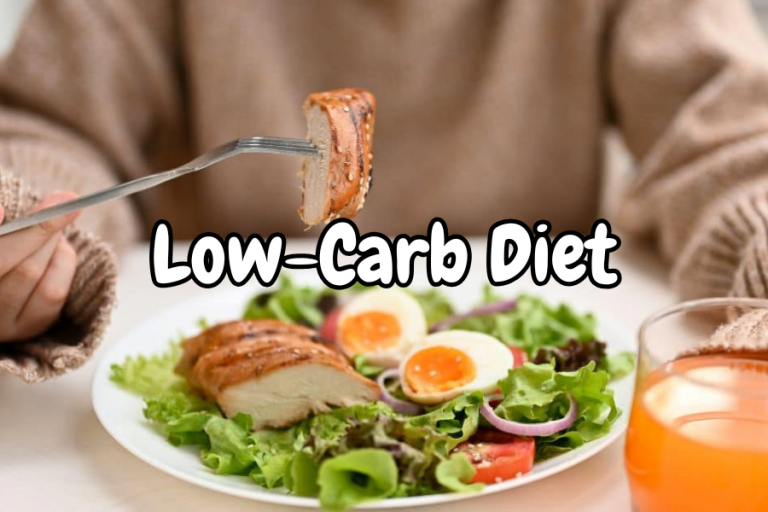
- Lunch: A large salad with grilled chicken, leafy greens, cucumbers, tomatoes, olives, and an olive oil based dressing. A recipe like zucchini taco boats can give you about 300 calories, 15 grams of carbs, and 31 grams of protein per serving (Obesity Medicine Association).
- Dinner: Steak with broccoli or chicken with riced cauliflower. An example low carb dinner can provide roughly 350 calories, 19 grams of carbs, and 49 grams of protein per serving (Obesity Medicine Association).
Keeping plenty of non starchy vegetables in your meals adds bulk and fiber so you feel satisfied even while cutting calories. It also helps regulate your appetite and reduces the temptation to overdo rich, calorie dense foods like cheese and fatty meats (Obesity Medicine Association).
Decide if low carb fits your long term goals
At 12 to 24 months, the weight loss difference between low carb diets and other balanced diets tends to shrink and may become small (Mayo Clinic). That means your long term success has less to do with the specific macros and more to do with whether you can stick with the pattern you choose.
If you like savory foods, rarely miss bread or pasta, and enjoy cooking simple protein and vegetable based meals, a low carb weight loss plan can feel surprisingly natural. If you love whole grains, fruit, and beans, something like a Mediterranean style eating pattern or a moderate carb plan with intermittent fasting may be easier to maintain while still offering many of the same metabolic benefits (Northwestern Medicine).
You do not have to label yourself as “low carb” forever. You can use a stricter low carb phase to kick start weight loss, then slowly add back healthy carbohydrate sources until you find your personal balance.
Start with one small change today
You do not need the perfect meal plan to begin. You can test how low carb weight loss feels for you with a single step:
- Swap your usual breakfast cereal for eggs and vegetables.
- Replace one serving of pasta or rice at dinner with extra non starchy vegetables.
- Skip sweetened drinks for a week and drink water, tea, or coffee instead.
Pay attention to how your hunger, energy, and cravings respond. If you like the changes, build from there, one meal and one habit at a time.
By understanding how low carb diets work and tailoring them to your own preferences, you can use carbohydrate reduction as a practical way to lose weight, steady your blood sugar, and support better health without feeling like you are in a constant battle with your plate.
About the Author