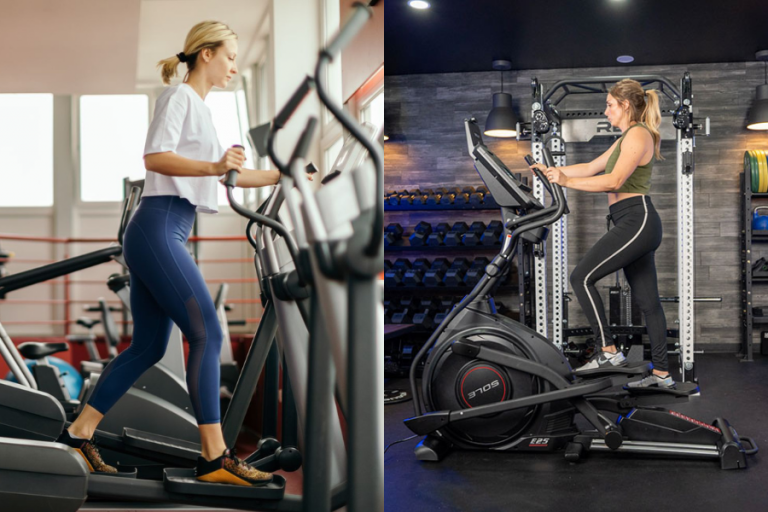
Treadmill interval training can turn a basic walk or jog into a powerful workout for fat loss, heart health, and overall fitness. By alternating short bursts of effort with easier recovery periods, you push your body just enough to get results without spending hours exercising.
Below, you will learn how treadmill interval training works, why it is effective for health and weight loss, and how to get started safely, even if you are not an experienced runner.
Understand what treadmill interval training is
Treadmill interval training is a form of high intensity interval training, or HIIT. You alternate between high intensity work intervals and lower intensity recovery intervals. On a treadmill, that usually means changing your speed, your incline, or both.
For example, you might walk at an easy pace for 2 minutes, then jog faster for 1 minute, then return to walking. According to Verywell Fit, interval workouts typically last 20 to 60 minutes and can get your heart rate to roughly 80 to 95 percent of your maximum during the harder efforts, which is where many of the big fitness benefits happen (Verywell Fit).
The key is contrast. The harder intervals should feel noticeably more challenging, but the recovery intervals should feel comfortable enough that you can repeat the pattern several times.
Know the health and weight loss benefits
Treadmill interval training is popular for a reason. It can help you do more for your health in less time than steady, same pace cardio.
Cardio and fitness benefits
Research shows that HIIT treadmill workouts improve cardiorespiratory fitness and overall exercise efficiency. A 2019 Sports Med New Zealand study reported that high intensity intervals provided greater heart and lung benefits and were more time efficient than moderate, continuous training (NordicTrack).
In one 8 week study of untrained college students, both HIIT and steady state treadmill workouts increased VO2 max by about 18 percent, which means your body becomes better at using oxygen during exercise. Peak power output also improved by 14 to 24 percent in all groups (PMC). This suggests you can build strong aerobic capacity with intervals without needing long, slow sessions.
Interval training also taps both your aerobic and anaerobic systems. Verywell Fit notes that this combination can boost stamina and performance with as few as three short interval sessions per week (Verywell Fit).
Weight loss and metabolic benefits
If your main goal is weight loss, treadmill interval training can give you an edge. A University of New South Wales study found that women who performed high intensity intermittent exercise on treadmills lost significantly more subcutaneous fat than women who did steady state aerobic exercise, even though the HIIT workouts were shorter (NordicTrack).
Intervals also appear to improve insulin sensitivity, which means your muscles use glucose more efficiently. This can support better blood sugar control and may help with reducing abdominal fat (Verywell Fit).
You also benefit from the calorie afterburn effect, or excess post exercise oxygen consumption. After a high intensity interval session, your body continues to burn extra calories for an hour or more as it returns to its normal state (Verywell Fit).
Benefits at every age
HIIT style treadmill workouts can be especially helpful as you get older. Mayo Clinic researchers found that high intensity intervals reversed some age related muscle deterioration in adults over 65 and boosted energy production at the cellular level (NordicTrack). For you, this means better strength, more energy, and healthier muscles, even later in life.
Use the treadmill to your advantage
One of the biggest advantages of treadmill interval training is the control you have over your environment and pace. Indoors, you can avoid rain, heat, cold, and poor air quality, and still get a focused workout.
Performance Running Gym notes that treadmills provide a consistent, forgiving surface that is similar to pavement but easier on your joints. This helps you execute interval workouts like tempo runs, hill repeats, or race pace efforts more safely and precisely (Performance Running Gym).
You can also:
- Dial in exact speeds for your work and recovery intervals
- Set a percentage incline to mimic hills without hunting for them outside
- Maintain consistent training even through winter or extreme weather, which supports better progress over time (Performance Running Gym)
If you have a smart treadmill, features like automated speed and incline adjustments and extra cushioning can further tailor your intervals while reducing impact on your knees and hips (NordicTrack).
Start safely with warm ups and cooldowns
Because intervals are more intense than steady walking, preparation matters. A proper warm up and cooldown help your muscles perform better and reduce the risk of injury.
Before each treadmill interval session, spend at least 5 to 10 minutes warming up. Start with an easy walk, then progress to a gentle jog if that feels comfortable. NordicTrack recommends adding dynamic stretches, such as leg swings or walking lunges, to prepare your joints and muscles for higher speeds (NordicTrack).
At the end of your workout, gradually bring your pace down to a slow walk. Aim for at least 5 to 10 minutes of easy movement so your heart rate can return to normal more smoothly. NordicTrack suggests that beginners cool down for a minimum of 10 minutes to support recovery and reduce soreness (NordicTrack).
If you are new to exercise, recovering from injury, or have medical conditions, talk with your healthcare provider before starting higher intensity training.
Choose the right intensity for you
The right interval pace is personal. What feels like an all out sprint for one person might be a light jog for someone else. You will get the most from treadmill interval training when your work intervals feel challenging but controlled and your recovery intervals feel truly easy.
Use heart rate and effort to guide you
A simple way to gauge intensity is heart rate. For most people, high intensity intervals land around 70 to 85 percent of maximum heart rate, according to NordicTrack guidelines (NordicTrack). You can monitor this with a fitness watch, a chest strap, or your treadmill’s built in sensors if they are available.
You can also use perceived effort on a scale from 1 to 10:
- Recovery interval: about 3 or 4 out of 10, where you can speak in full sentences
- Work interval: about 7 or 8 out of 10, where talking feels difficult
If you are gasping or feel dizzy, the interval is too intense. On the other hand, if your work intervals feel only slightly harder than walking, you can gently raise the speed or incline over time.
Respect your recovery
It is tempting to focus only on the hard parts of the workout, but the recovery portions matter just as much. They allow your heart rate to come down and your muscles to clear some of the fatigue, which is what lets you repeat the effort without burning out.
Studies on very intense Tabata style treadmill intervals show that although active exercise time can be as short as 14 minutes, the sessions can feel much less enjoyable and require longer recovery after the workouts are over (PMC). For long term consistency, you are usually better off picking a moderate interval plan that feels challenging but doable.
Try beginner friendly interval workouts
You do not need complicated programming to start seeing benefits. Simple patterns that alternate between walking and faster walking or light jogging are often enough, especially if you are new to intervals.
Here are three beginner friendly examples you can adapt. Always adjust speeds to your comfort level.
Table: Sample treadmill interval training options
Workout type Total time Work interval Recovery interval Notes Classic walk jog intervals 25 minutes 1 minute brisk walk or light jog 2 minutes easy walk Good first step into intervals. Keep incline at 0 to 1 percent. Hill walk intervals 20 minutes 45 seconds brisk walk at 3 to 5 percent incline 75 seconds flat easy walk Targets glutes and hamstrings while staying low impact (City Fitness). Pyramid intervals 24 minutes 1, 2, 3, 2, 1 minute jog with equal recovery Easy walk matching each work interval Adds variety, can reduce boredom and build endurance (City Fitness).
If you prefer structure, City Fitness highlights the Classic HIIT Interval as a great simple treadmill workout for beginners and also suggests hill sprints and pyramid intervals to keep training interesting and effective (City Fitness).
For most people, performing treadmill interval workouts 2 to 3 times per week is enough to see progress, especially when combined with lighter activity on other days. Verywell Fit and Garage Gym Reviews both advise limiting HIIT sessions and ensuring you have recovery time between them to avoid injury and burnout (Verywell Fit, Garage Gym Reviews).
Progress gradually for long term results
The fastest way to stall your progress is to do too much too soon. Interval training feels exciting at first, but your joints, tendons, and muscles need time to adapt.
Garage Gym Reviews recommends starting with one treadmill interval session per week and slowly increasing up to no more than three per week as your fitness improves (Garage Gym Reviews). You can make your workouts harder over time by:
- Adding one extra interval set
- Increasing your work interval by 15 to 30 seconds
- Slightly raising the treadmill speed or incline
- Reducing recovery time by small amounts once the workout feels easy
If you ever feel persistent fatigue, joint pain, or dread before your sessions, it is a sign to scale back and allow more rest.
Combine intervals with a balanced routine
Treadmill interval training can be a strong anchor in your fitness routine, but it works best alongside other habits that support health and weight loss.
On days you are not doing intervals, add light to moderate activities such as easy walking, cycling, or gentle strength training. This keeps your overall activity level high without overwhelming your body with intensity.
Remember that nutrition, sleep, and stress management also influence how your body responds to workouts. Intervals can help you burn more calories and improve your metabolism, but consistent, realistic lifestyle choices make those benefits easier to maintain.
If you are ready to begin, start with a single short interval workout this week. Pick a simple pattern, like 1 minute faster, 2 minutes easy, for 20 minutes total. Notice how your body responds, then build from there. Over time, these small, focused sessions can translate into meaningful improvements in your health, energy, and confidence.
About the Author