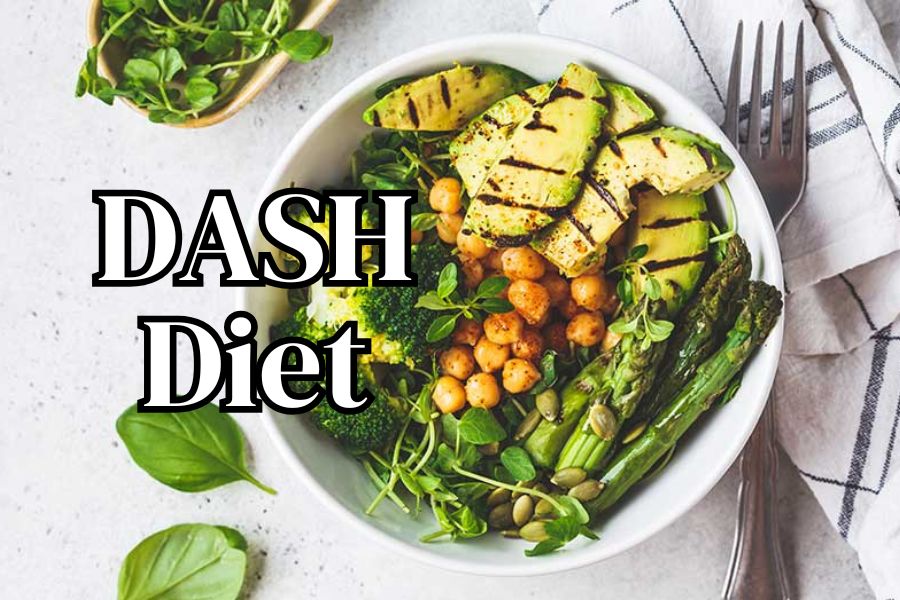
A heart healthy eating plan does not have to be complicated or trendy. The DASH diet for heart health is popular because it is practical, flexible, and backed by decades of solid research. If you are trying to bring your blood pressure down, support your heart, and even lose some weight, DASH gives you a clear roadmap without requiring special products or extreme rules.
Below, you will see how the DASH diet works, why it is such a game changer for your heart, and what it looks like in everyday life.
Understand what the DASH diet is
DASH stands for Dietary Approaches to Stop Hypertension. It is a way of eating that was specifically designed to lower high blood pressure and protect your heart, not a short term fad. The plan focuses on everyday foods you can find in any grocery store, which makes it much easier to stick with over time.
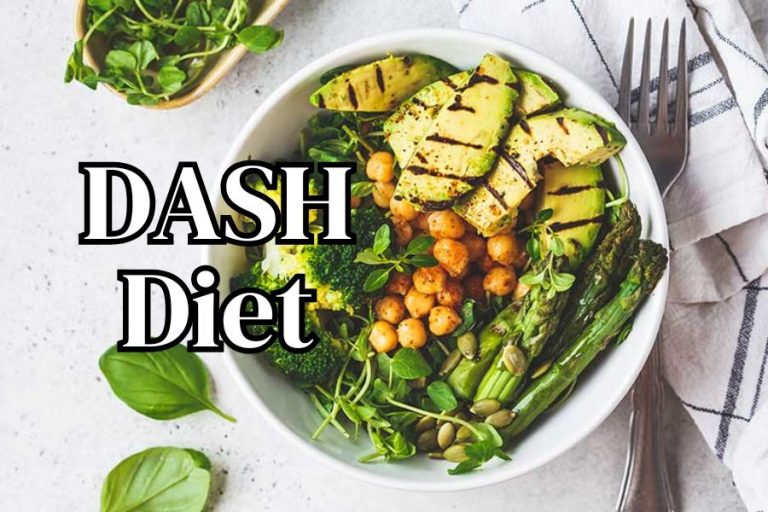
You center your meals on vegetables, fruits, and whole grains, then add low fat dairy, lean proteins, nuts, seeds, and beans. At the same time, you cut back on sodium, added sugar, and saturated fat. According to the Mayo Clinic, this combination of high fiber, potassium, calcium, magnesium, and protein plus less sodium is what helps bring blood pressure down and supports overall heart function (Mayo Clinic).
Instead of counting every calorie, DASH uses simple daily and weekly goals. The National Heart, Lung, and Blood Institute (NHLBI) notes that you do not need any special foods. You just meet a certain number of servings per day in each food group based on your calorie needs (NHLBI).
See why the DASH diet is different
Many eating plans claim to be heart friendly, but few are as carefully studied as DASH. NHLBI funded the original research trials and has continued to support studies for about three decades. Those studies consistently show that the DASH diet for heart health does more than just nudge your blood pressure a little. It also improves cholesterol numbers, helps with weight control, and lowers the risk of heart disease and type 2 diabetes (NHLBI).
In head to head comparisons with a typical American diet, people who followed the DASH eating pattern had greater reductions in high blood pressure and lower LDL or “bad” cholesterol (NHLBI). On top of that, news on the NHLBI site highlights that DASH has been recognized as the “Best Heart Healthy Diet” and “Best Diet for High Blood Pressure” in 2025, which reflects how effective and sustainable it is for real people (NHLBI).
What really sets DASH apart is that it is not built around a single nutrient. You are not only watching salt, carbs, or fat. Instead, you are improving the overall pattern of what you eat, which is what researchers now see as the key to long term heart health.
Think of DASH less as a strict diet and more as a repeatable template for every meal on your plate.
Learn how DASH protects your heart
If you have ever been told to “eat better for your heart” but did not know where to start, DASH translates that vague advice into clear steps. Here is what is happening in your body when you follow a DASH style eating plan.
Lower blood pressure through salt and nutrients
High sodium intake makes your body hold onto extra fluid, which raises blood pressure and forces your heart to work harder. The DASH diet encourages you to cut your sodium intake to less than 2,300 milligrams per day. Many people benefit even more when they lower it to 1,500 milligrams daily, and NHLBI notes that this lower sodium level provides the greatest blood pressure reduction, especially if your blood pressure starts out high (NHLBI).
At the same time, you increase foods that are naturally rich in potassium, calcium, and magnesium. These nutrients help your blood vessels relax and counteract the effects of sodium. MedlinePlus highlights that this mix of minerals and fiber works together to lower blood pressure beyond salt reduction alone (MedlinePlus).
Large clinical trials back this up. In the DASH Sodium trial, combining the DASH diet with reduced sodium lowered systolic blood pressure by 7.1 mmHg in people without hypertension and 11.5 mmHg in people with hypertension (PMC – NIH). Changes of that size can significantly reduce your chance of stroke and heart attack over time.
Improve cholesterol and long term risk
Your heart health is about more than blood pressure. LDL cholesterol, triglycerides, and overall cardiovascular risk matter too. A 2023 review of DASH on the National Institutes of Health site explained that this eating pattern lowers LDL cholesterol and triglycerides and can reduce your estimated 10 year cardiovascular disease risk by about 13 percent (PMC – NIH).
Other studies, such as the OmniHeart trial, found that slight variations of DASH that substitute some carbohydrates with protein or unsaturated fat can improve blood pressure and lipid profiles even more (NHLBI). The details are complex, but the takeaway is simple. When you shift toward a DASH style pattern, you are actively lowering several heart disease risk factors at the same time.
Support weight management and blood sugar
If weight loss is one of your goals, DASH can help without requiring extreme restriction. The PREMIER clinical trial showed that people who combined the DASH diet with lifestyle changes and counseling lost more weight and had bigger drops in blood pressure than those who only received general advice (NHLBI).
DASH meals tend to be higher in fiber and volume, which means you feel full on fewer calories. That makes it easier to stay in a calorie range that supports gradual weight loss. Over time, that same pattern can help improve insulin sensitivity and lower your risk of type 2 diabetes (NHLBI).
MedlinePlus also recommends pairing the DASH diet with at least 30 minutes of moderate intensity exercise most days of the week, adding up to at least 2 hours and 30 minutes weekly. This combination is linked with better heart health and easier weight management (MedlinePlus).
Know the core DASH foods
One of the reasons the DASH diet for heart health is so doable is that it is built around familiar foods. For a 2,000 calorie eating plan, NHLBI outlines daily or weekly servings from these groups (NHLBI):
- Vegetables and fruits
- Whole grains
- Low fat or fat free dairy
- Lean meats, poultry, and fish
- Nuts, seeds, and legumes
- Limited fats and oils
- Very small amounts of sweets and added sugars
You can think of each plate using a simple mental picture. Half is produce, one quarter is whole grains, and one quarter is lean protein, with a small amount of healthy fat. Low fat dairy, nuts, and beans rotate in as snacks or side dishes.
MedlinePlus describes DASH as low in salt and saturated fat and high in fiber, calcium, potassium, and magnesium. Those qualities are what make it suitable even for children and adults who just want better overall heart health, not only those already diagnosed with hypertension (MedlinePlus).
Fit DASH into your real life
DASH is flexible enough to adapt to your preferences, culture, and schedule. You do not need to overhaul everything overnight. Instead, start with a few targeted changes that give you the biggest heart health payoff.
You might begin by replacing one refined grain with a whole grain at each meal. White rice becomes brown rice or quinoa, white bread becomes whole wheat. Then, build the habit of adding at least one fruit or vegetable every time you eat. Over a week, that simple rule can dramatically increase your fiber and potassium intake.
Since sodium reduction is such a key part of the DASH diet, look closely at where salt is hiding in your routine. Packaged soups, frozen dinners, deli meats, and restaurant meals add up quickly. You can swap in homemade versions, choose low sodium labels, or flavor foods with herbs, lemon, and spices instead of relying on the salt shaker.
If structure helps you stay on track, NHLBI offers worksheets and planning tools so you can compare your current eating pattern with DASH guidelines and see where to adjust (NHLBI). That kind of visual check in can make the process feel more concrete and less overwhelming.
Combine DASH with lifestyle habits
Nutrition is the foundation, but your heart benefits most when you pair the DASH diet with a few simple lifestyle habits.
Regular movement makes your blood vessels more flexible and supports healthy weight and blood sugar. As MedlinePlus notes, aiming for at least 30 minutes of moderate activity most days of the week is a realistic target for most people (MedlinePlus). You can break this into three 10 minute walks if that fits your day better.
Managing stress, limiting alcohol, and avoiding tobacco also amplify the benefits of a heart healthy eating plan. Clinical trials like PREMIER show that when the DASH diet is combined with counseling and activity, the improvements in blood pressure and weight are greater than with advice alone (PMC – NIH). In other words, small changes in several areas add up.
If you have specific medical conditions, working with a registered dietitian can help you tailor DASH to your needs. A 2023 review pointed out that early assessment by dietitians, ongoing counseling, and even mobile apps that support personalized recommendations improve long term adherence and outcomes (PMC – NIH).
Take your next step with confidence
The DASH diet for heart health is a game changer because it is realistic to follow and strongly supported by research. By shifting toward more vegetables, fruits, whole grains, low fat dairy, and lean proteins and cutting back on sodium and saturated fat, you give your heart measurable support.
You do not need to do everything at once. You can start today by choosing one change, such as using low sodium broth in your soup or adding a vegetable side to dinner. Over time, these small, consistent choices move you closer to the kind of eating pattern that has been shown to lower blood pressure, improve cholesterol, and reduce long term cardiovascular risk.
If you keep your focus on progress rather than perfection, DASH can become less of a “diet” and more of a sustainable way of eating that supports your heart, your weight goals, and your overall health for years to come.
About the Author