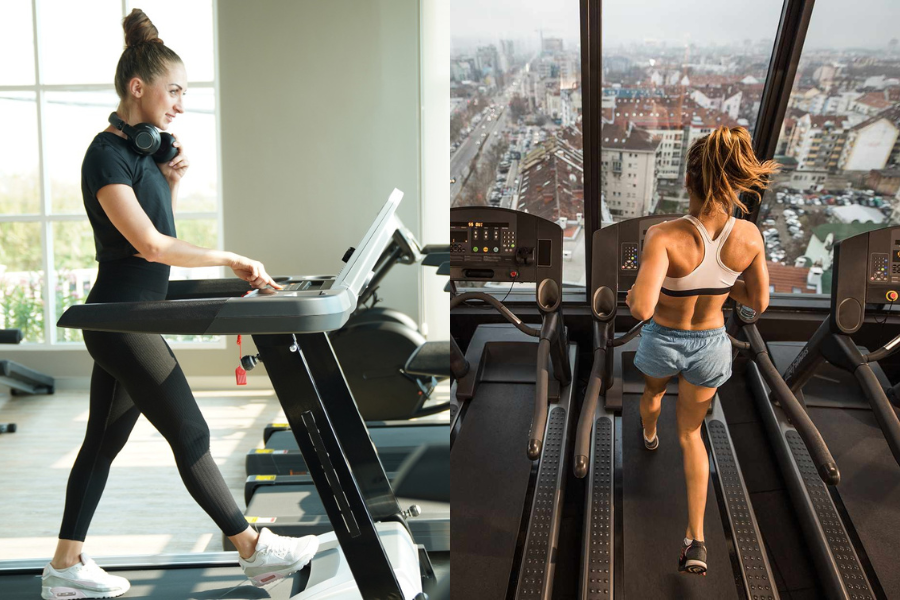
Treadmill speed workouts can do more than help you lose weight. When you use them well, they build strength, increase your energy, and make your running feel smoother and more efficient. You also get the convenience of training in a controlled environment, which is especially helpful when weather or schedules make outdoor workouts tough.
Below, you will find practical treadmill speed workouts you can start using right away, plus simple tips to stay safe and motivated as you progress.
Why treadmill speed workouts work
Speed workouts focus on short, intense efforts instead of simply adding more miles. This type of training challenges your heart, lungs, and muscles in a focused way that steady, easy runs cannot.
High intensity interval training on a treadmill, often called HIIT, alternates bursts of fast running with slower recovery. These sessions engage both your aerobic and anaerobic systems, which can significantly improve cardiovascular health and endurance when you do them consistently (American Sport & Fitness).
Speed intervals also support fat loss. Because of the afterburn effect, your body continues to burn more calories even after you step off the treadmill, and the high effort helps build lean muscle mass that boosts your metabolism over time (NordicTrack).
Set yourself up for safe speed sessions
Before you jump into treadmill speed workouts, a bit of preparation will help you stay safe and get better results.
Start by getting comfortable with basic treadmill running. If you have not run in a while, or if you are new to exercise, you might want to do a few weeks of brisk walking or easy jogging first. This gives your joints, muscles, and heart time to adapt.
A few safety reminders:
- Always include a 5 to 10 minute warmup of walking or light jogging.
- Use the safety clip so the treadmill stops if you lose balance.
- Start with conservative speeds, especially in your first few sessions.
- Focus on smooth form, not just higher numbers on the screen.
If you have any medical conditions or concerns, checking in with your doctor before starting intense intervals is a smart idea.
Choose the right treadmill speed and incline
You do not need to match anyone else’s pace. Your ideal speed will depend on your fitness level, experience, and comfort.
As a rough guide, beginners often feel challenged between 2.0 and 7.0 miles per hour, while intermediate and advanced runners might push between 5 and 11 miles per hour, gradually increasing every week or two (Garage Gym Reviews). Treat these as starting points, not rules.
Adding a small incline of 1 to 2 percent helps mimic outdoor running and engages more muscles, especially in your glutes and hamstrings. This slight incline also increases calorie burn and can feel easier on your joints than running on a totally flat surface (NordicTrack, Garage Gym Reviews).
Start with beginner friendly speed intervals
If you are new to treadmill speed workouts, you can begin with simple intervals that build confidence without overwhelming you.
One of the easiest structures to follow is 30 seconds of faster running followed by 1 to 2 minutes of walking or light jogging. This format gives you a taste of high intensity effort while still allowing enough recovery so you can repeat several rounds safely (American Sport & Fitness, NordicTrack).
Here is a simple starter workout you can try:
- Warm up for 5 to 10 minutes at an easy walk or gentle jog, incline 0 to 1 percent.
- Increase speed to a challenging but controlled pace for 30 seconds.
- Slow to a walk or light jog for 60 to 90 seconds.
- Repeat this cycle 6 to 8 times.
- Cool down with 5 minutes of easy walking.
You can perform this style of workout 2 to 3 days per week, with rest days or lighter sessions in between to help your body recover (American Sport & Fitness).
Use incline to build strength and burn more calories
Incline is a powerful tool in treadmill speed workouts. Even a few percent can make a big difference in how your muscles work and how many calories you burn.
Running on an incline forces your legs to push harder and can increase your stride length, which is especially helpful if you want to get stronger for hill climbs or outdoor races (Cooper Aerobics). Walking or running uphill on the treadmill also helps grow and strengthen your glutes and hamstrings, while still being relatively gentle on your joints compared to downhill or flat pavement (Garage Gym Reviews).
You might try an incline interval like this:
- Warm up for 5 minutes on a flat or very slight incline.
- Raise the incline to 3 to 5 percent and walk briskly or jog for 60 seconds.
- Lower the incline and walk easily for 90 seconds.
- Repeat 6 to 10 rounds, then cool down.
You can gradually increase the incline or speed as you get stronger. Some coaches also recommend small, frequent changes in incline to simulate outdoor terrain and keep your mind engaged during longer runs (Runner’s World).
Progress to intermediate speed sessions
Once basic intervals feel manageable, you can try more structured treadmill speed workouts that challenge both your speed and endurance.
One option is a 30 seconds on, 30 seconds off format. This type of interval increases explosive power and your ability to deliver oxygen to your muscles (Garage Gym Reviews).
A sample intermediate workout:
- Warm up 10 minutes, gradually increasing to an easy jog.
- Sprint or run hard for 30 seconds.
- Walk or jog for 30 seconds.
- Repeat for 10 to 15 minutes.
- Cool down 5 to 10 minutes.
Another effective style is “speed ladder” intervals, where you slightly increase your speed every few minutes until you reach a challenging peak, then gradually decrease again. This method elevates your heart rate, improves cardio endurance, and triggers the afterburn effect for continued fat burning after your workout (Crunch Fitness).
Try advanced intervals for performance and fat loss
If you already have a solid cardio base and experience with intervals, you can incorporate more demanding treadmill speed workouts.
High intensity sprint workouts that emphasize near maximal efforts can significantly boost speed, power, and cardiovascular fitness (American Sport & Fitness). These workouts are time efficient, and research suggests that HIIT style sessions can burn up to 30 percent more calories than many traditional cardio routines (Crunch Fitness).
An advanced structure could look like this:
- Warm up 10 minutes with gradually increasing speed.
- Perform 10 sets of 30 second sprints at a challenging pace.
- Between sprints, walk or jog for 60 to 90 seconds.
- Finish with a 10 minute cool down.
Because these workouts place a high demand on your body, it is important to include recovery days or low intensity sessions and not perform sprint style training every day (PureGym).
Tip: As you advance, adjust only one variable at a time, such as speed, incline, or duration. This approach makes it easier to track your progress and reduces your risk of overuse injuries (Runner’s World).
Use speed workouts to improve running form
Treadmill speed workouts can also help you refine your running technique. Since the surface is flat and predictable, you can focus more on how you move.
Shorter ground contact time, which means your foot spends less time on the treadmill belt, is linked with better speed. The treadmill allows you to pay attention to light, quick steps to help you move forward efficiently while minimizing stress on your joints (Cooper Aerobics).
You can also experiment with your cadence, or steps per minute. Elite sprinters and marathon runners use different stride frequencies, but the key for you is finding a rhythm that feels smooth and controlled at your workout pace (Cooper Aerobics).
Combine treadmill speed with strength and recovery
To get the most from treadmill speed workouts for weight loss and health, think of them as one part of a balanced routine, not the only tool.
Strength training helps build and maintain lean muscle, which supports your joints and boosts your metabolism. Adding bodyweight exercises or resistance training on non interval days is a simple way to round out your week. Many coaches recommend pairing speed work with strength and mobility exercises to avoid overuse injuries and support long term progress (Crunch Fitness, PureGym).
Rest is part of training as well. High intensity treadmill sessions are powerful, but your body needs time to adapt. That might mean alternating tough interval days with easier walks, light jogs, or complete rest, especially when you are just starting.
Track your progress and stay motivated
One of the advantages of treadmill training is the ability to control and measure nearly everything you do. You can log your speed, incline, interval times, and rest periods in a simple notebook or app. Tracking your workouts helps you set clear, measurable goals and see how far you have come, which can be very motivating over time (NordicTrack).
If your main goal is weight loss, remember that a consistent calorie deficit still matters. Treadmill speed workouts make it easier to burn more calories in less time, but pairing them with balanced eating habits and regular strength training will give you the best results (PureGym).
Try adding just one speed workout to your week to start, such as the beginner 30 second intervals. As you get more comfortable, you can mix in incline sessions, ladders, and more advanced sprints. Over time, you will likely notice not only changes in your weight and fitness, but also more energy and confidence every time you step onto the treadmill.
About the Author