A low carb diet plan can do more than help you fit into smaller jeans. When you reduce your intake of refined carbohydrates and focus on protein, healthy fats, and vegetables, you support steadier energy, better blood sugar control, and, for many people, easier weight loss. Understanding how low carb eating actually works makes it much simpler to decide if it is right for you and to follow it in a realistic way.
This guide walks you through the main benefits, what “low carb” really means, and how to build meals that work in daily life without feeling deprived.
Understand what a low carb diet plan is
Before you can benefit from a low carb diet plan, it helps to know what counts as “low.”
Most experts describe a typical low carb diet as one where less than about 26% of your daily calories come from carbohydrates. For a 2,000 calorie day, that is fewer than 130 grams of carbs, according to 2024 guidelines from Healthline (Healthline). Some plans go lower, for example under 100 grams per day, and ketogenic versions can drop to 20 to 50 grams daily (Obesity Medicine Association).
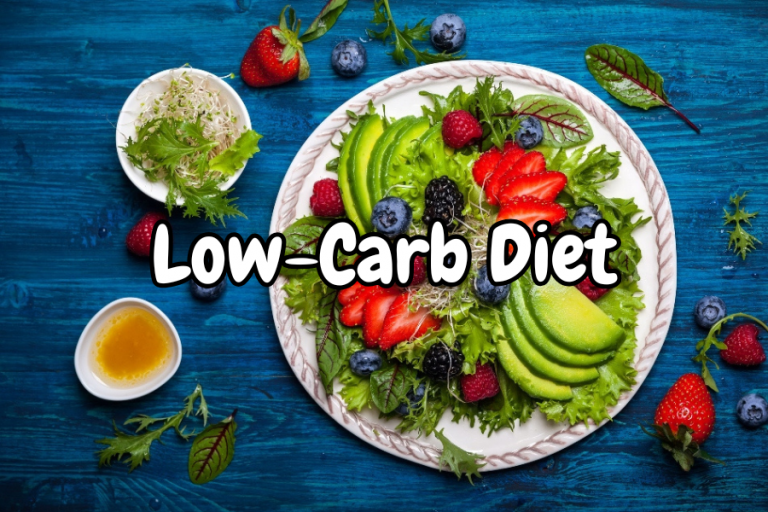
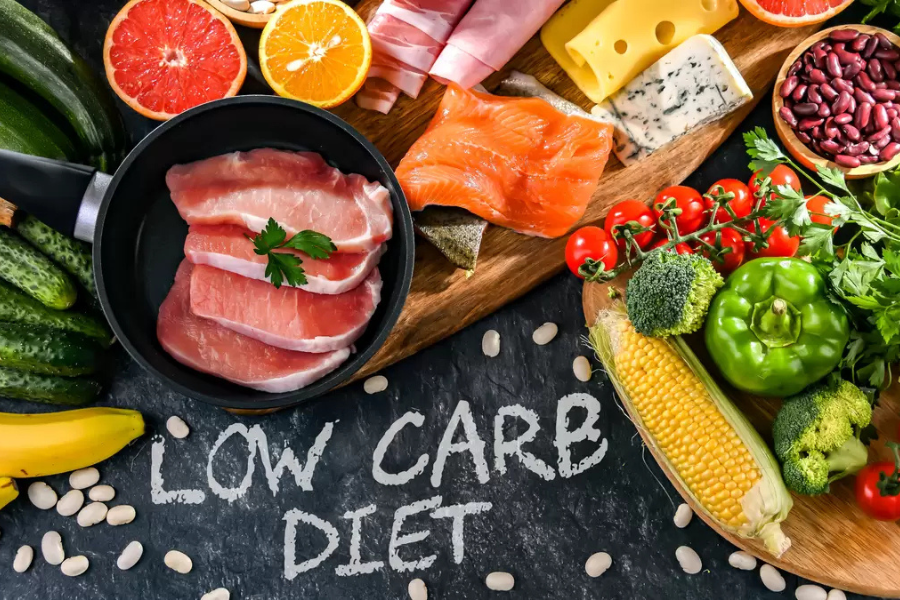
In practical terms, a low carb diet plan means you limit foods such as white bread, pasta, sugary drinks, pastries, and many packaged snacks. Instead, you center your meals on:
- Protein, such as eggs, poultry, fish, lean meats, tofu, and Greek yogurt
- Healthy fats, such as olive oil, avocado, nuts, and seeds
- Low carb vegetables, such as leafy greens, broccoli, zucchini, peppers, and tomatoes
Some low carb approaches still leave room for modest portions of fruit, starchy vegetables, and whole grains, or even dark chocolate and dry wine, depending on your daily carb allowance (Healthline). That flexibility is helpful if you want something sustainable rather than a strict short term reset.
Support weight loss more easily
One big reason you might consider a low carb diet plan is weight loss. Research consistently shows that cutting carbs can help you lose weight, especially in the early months.
A 2024 systematic review in Diabetes, Metabolic Syndrome and Obesity found that low carb diets were more effective than low fat diets for weight loss, and they also improved HDL, your “good” cholesterol, and triglycerides (EatingWell). Other studies show that low carb diets often lead to more rapid short term weight loss, sometimes two to three times more in the first weeks compared with low fat eating, partly because of water loss and lower insulin levels (Healthline).
You also tend to feel fuller, which makes it easier to eat fewer calories without trying so hard. Higher protein and fat intake increases satiety, so you are less likely to snack mindlessly or feel ravenous between meals. The Mayo Clinic notes that this shift in appetite can be a key reason you lose weight on a low carb approach (Mayo Clinic).
Over the long term, the weight loss advantage compared with low fat diets often shrinks. At 12 to 24 months, the difference in pounds lost is usually modest (Mayo Clinic). That is why choosing a version of low carb you can actually keep doing matters more than hitting an extremely low number of grams each day.
Improve blood sugar and insulin levels
If you are worried about blood sugar, a low carb diet plan can offer significant benefits. Carbohydrates are the macronutrient that most directly raises your blood glucose. By reducing your intake of high carb foods, you automatically place less demand on insulin.
Low carb and ketogenic diets can significantly bring down both blood sugar and insulin levels, which is especially helpful for people with type 2 diabetes or insulin resistance. One study cited by Healthline found that 95% of people with type 2 diabetes were able to reduce or eliminate glucose lowering medication within six months on a low carb diet (Healthline).
People with diabetes can follow a low carb diet similar to someone without diabetes, but they need careful blood sugar monitoring and must stick closely to their prescribed treatment plan (Healthline). It is essential to work with your healthcare provider if you use insulin or other glucose lowering drugs, because your dosage might need to change as your carbohydrate intake and blood sugar shift.
Even if you do not have diabetes, more stable blood sugar usually means fewer energy crashes and less afternoon brain fog.
Protect your heart and metabolic health
You might worry that eating fewer carbs means loading up on bacon and butter and harming your heart. The reality depends on the choices you make.
When a low carb diet focuses on healthy sources of carbohydrates, fat, and protein, it can support your heart and metabolic health. The Mayo Clinic notes that a low carb approach that emphasizes vegetables, unsaturated fats, and lean protein may lower the risk of type 2 diabetes and heart disease, especially when it helps you lose excess weight (Mayo Clinic).
Low carb eating also tends to:
- Lower triglycerides, a type of blood fat linked with heart disease risk, more effectively than low fat diets (Healthline)
- Increase HDL cholesterol, which helps carry cholesterol away from your arteries, as seen in several reviews of low carb versus low fat diets (EatingWell)
A significant portion of the fat you lose on a low carb diet comes from visceral fat, the deep belly fat that surrounds your organs and is strongly tied to inflammation and metabolic disease (Healthline). Reducing this type of fat can improve markers such as blood pressure, blood sugar, and cholesterol.
On the flip side, some long term very low carb diets that rely heavily on saturated fat and processed meats may raise LDL, or “bad,” cholesterol and increase heart risk. One overview raises concerns about eating a lot of high fat animal products without enough fiber rich plant foods, since this pattern can promote higher LDL and poorer gut health over time (Healthy For Life Meals).
The takeaway is that you benefit most when you pair a low carb diet plan with heart friendly fats and plenty of vegetables, not just more cheese and red meat.
Feel more satisfied and less hungry
If you have ever tried to cut calories only to end up starving, low carb might feel very different. Many people notice that once they reduce refined carbs and increase protein and fat, their appetite calms down.
Studies show that low carb diets can lead to an automatic reduction in appetite and calorie intake, so you end up eating fewer calories without feeling deprived (Healthline). Protein helps you feel full after meals and may reduce cravings later in the day. Fat slows digestion, so your meals stick with you longer.
You also remove the blood sugar spikes and crashes that come from eating a lot of refined carbohydrates. Instead of a quick burst of energy followed by a slump, your energy tends to feel steadier when you build meals around protein, healthy fat, and fiber rich vegetables.
To take advantage of this effect, focus your low carb diet plan on:
- A solid protein source at every meal
- Non starchy vegetables for volume and fiber
- A measured portion of healthy fat, such as olive oil or avocado
This combination supports fullness without making your meals feel heavy.
Be aware of potential downsides
Like any eating pattern, a low carb diet plan is not perfect for everyone. Understanding the potential drawbacks helps you decide whether it fits your body and your lifestyle.
Very low carb diets, especially those that severely restrict fruits, whole grains, and legumes, can make it harder to get enough vitamins, minerals, and fiber. A review from Healthy For Life Meals points out that cutting many carb rich foods can lead to low intakes of vitamin C, potassium, and fiber, which over time can weaken immunity, disrupt digestion, and raise the risk of chronic disease (Healthy For Life Meals).
Carbs also provide glucose, the brain’s preferred fuel. If you go extremely low, you may notice mood swings, irritability, fatigue, or brain fog, especially in the beginning (Healthy For Life Meals). The Mayo Clinic notes that severe carb restriction can lead to ketosis and side effects such as bad breath, headache, fatigue, and weakness (Mayo Clinic).
Over many months or years, sticking to a very restrictive low carb plan may also affect your metabolism. One concern is that after an initial rapid drop in weight, your body adapts by slowing energy expenditure, which can make further weight loss or maintenance harder without additional changes in diet or activity (Healthy For Life Meals).
You do not have to fear all carbohydrates to see benefits. EatingWell suggests that aiming for around 40% of your calories from carbohydrates, or at least 120 grams per day, can strike a balance between lower carb benefits and long term sustainability (EatingWell). This moderate approach helps you avoid the worst side effects while still improving your weight and blood markers.
If you have any medical conditions, especially kidney disease, diabetes, or heart disease, or if you are pregnant or breastfeeding, discuss any major dietary changes with your healthcare provider first.
Build simple low carb meals that work
Once you understand the benefits and the caveats, the next step is putting a low carb diet plan into practice. You do not need complicated recipes to get started. Aim for meals that are easy to repeat and customize.
The Obesity Medicine Association offers several practical ideas for low carb eating throughout the day (Obesity Medicine Association).
Breakfast
For breakfast, you might choose:
- Scrambled eggs with bacon and a side of sautéed spinach
- A veggie omelet with peppers, onions, and a sprinkle of cheese
- Avocado with smoked salmon
- Low carb oatmeal style pancakes, for example a version with about 234 calories, 11 grams of carbs, and 12 grams of protein per serving
These options focus on protein and fat, with vegetables or low carb ingredients instead of sugary cereals or pastries.
Lunch
At lunch, it helps to rethink the bread and wraps you may normally rely on. Options include:
- “Unwiches,” or sandwiches wrapped in lettuce instead of bread
- Big salads topped with grilled chicken, tuna, boiled eggs, or tofu
- Burgers without buns, served with extra vegetables instead of fries
One example is zucchini taco boats, which come in around 300 calories, 15 grams of carbs, and 31 grams of protein per serving (Obesity Medicine Association). You get the flavors of tacos while using a vegetable as the base instead of tortillas.
Dinner
For dinner, low carb usually means skipping the starch on the plate and increasing vegetables. You might eat:
- Steak with a large serving of broccoli and a side salad
- Baked chicken with riced cauliflower and roasted Brussels sprouts
- A broth based soup loaded with vegetables, plus a salad on the side
A slow cooker spinach artichoke chicken dish, for example, can deliver about 350 calories, 19 grams of carbs, and 49 grams of protein per serving (Obesity Medicine Association).
To keep your diet balanced, the Food Network suggests including complex carbohydrates from non starchy vegetables and non tropical fruits rather than removing all carbs. They highlight recipes that swap high carb ingredients for lower carb alternatives, such as using zucchini ribbons instead of tortillas in chicken enchiladas, which drops the carb count to about 10 grams per serving (Food Network).
If you enjoy cooking, you can experiment with recipes like spicy fennel shrimp, which has about 1 gram of carbohydrates per serving, or mushroom stuffed pork tenderloin, which contains roughly 3 grams of carbs per serving (Food Network).
Find a low carb approach you can keep
The most powerful benefits of a low carb diet plan come when you can maintain it long enough for the changes in weight, blood sugar, and cholesterol to stick. Instead of aiming for the strictest possible version, think about what feels realistic for you.
You might decide to:
- Cut out sugary drinks, desserts, and refined grains first
- Build each meal around protein, vegetables, and healthy fat
- Include small servings of whole grains or fruit, staying around 100 to 130 grams of carbs daily
- Adjust based on how your energy, mood, digestion, and lab results respond
Going too low on carbs can leave you drained and constipated, so it is important to pay attention to how you feel. EatingWell notes that symptoms such as lethargy, brain fog, and persistent hunger can signal that your carbohydrate intake might be too low for your body (EatingWell).
If you like the idea of low carb but follow a vegetarian or mostly plant based diet, you can still do it. It just takes more planning, since many plant proteins come packaged with carbohydrates. In this case you may want to work closely with a healthcare provider or dietitian to make sure you meet your nutrient needs (Healthline).
You do not have to change everything overnight. Try starting with one meal, such as turning your usual sandwich lunch into a salad with protein, and notice how you feel. From there, you can gradually shift more of your day into a pattern that fits a low carb diet plan, while still supporting your long term health.
About the Author