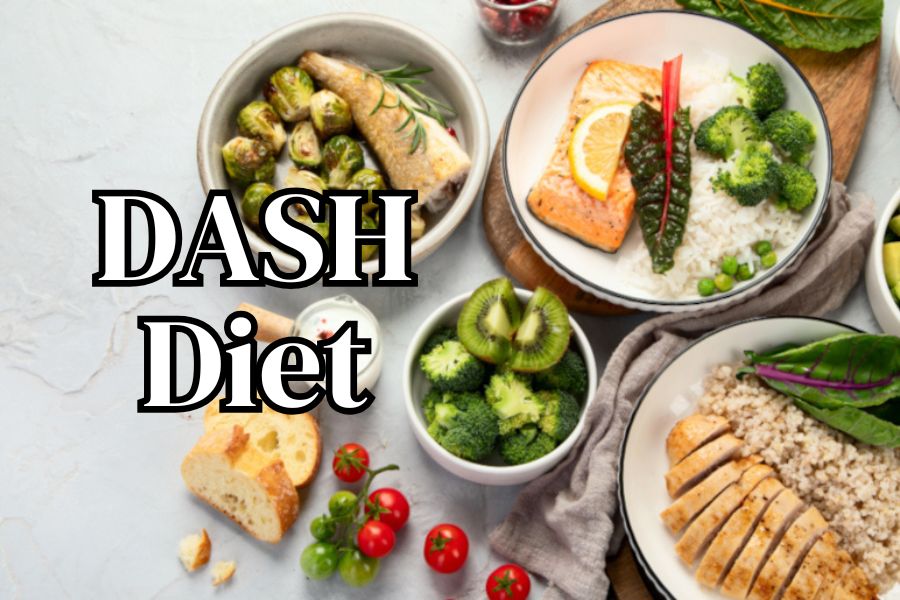
A smart dash diet grocery list can make healthy eating and weight loss feel much simpler. Instead of guessing what to buy each week, you build your cart around foods that support lower blood pressure, steady energy, and a healthy weight.
Below, you will find a practical, food group by food group guide to stocking your kitchen for the DASH diet, based on recommendations from Mayo Clinic for heart health and hypertension control (Mayo Clinic). Use it as a starting point, then adjust for your tastes, budget, and cooking style.
Understand the basics of the DASH diet
At its core, the DASH diet focuses on whole, minimally processed foods. You highlight vegetables, fruits, and whole grains, then round out your meals with lean proteins and low fat dairy. Foods high in saturated fat and sodium move to the sidelines.
According to Mayo Clinic, the DASH pattern emphasizes vegetables, fruits, and whole grains, plus fat free or low fat dairy, fish, poultry, beans, and nuts to help manage blood pressure (Mayo Clinic). That same pattern also naturally supports weight loss when you pay attention to portions.
The other key pillar is sodium. The DASH diet typically keeps sodium between 1,500 and 2,300 milligrams per day, so your grocery list focuses on low sodium or no salt added options (Mayo Clinic).
Turn servings into a weekly shopping plan
DASH guidelines are based on daily servings from each food group. Mayo Clinic provides specific serving sizes and number of servings for different calorie levels, which can help you plan a balanced list that fits your needs (Mayo Clinic).
Here is a simple way to think about it for a typical weight loss range of 1,500 to 2,000 calories per day. Your exact needs may vary, but this gives you a framework.
Aim to fill most of your cart with produce, whole grains, and lean proteins, then add healthy fats and flavor boosters in small amounts.
Over a week you might plan roughly:
- Vegetables: 4 to 5 servings per day
- Fruits: 4 to 5 servings per day
- Grains, mostly whole: 6 to 8 servings per day
- Fat free or low fat dairy: 2 to 3 servings per day
- Lean meats, poultry, fish: up to 6 servings per day (often less when losing weight)
- Nuts, seeds, legumes: 4 to 5 servings per week
- Fats and oils: 2 to 3 servings per day
- Sweets: very limited, a few small servings per week
Your grocery list will simply reflect these targets, translated into real foods and package sizes.
Build your cart around vegetables
Vegetables are the foundation of a DASH diet grocery list. They are low in calories, high in fiber and nutrients, and naturally sodium free unless salted. For weight loss, they help you fill your plate without overdoing calories.
Focus on a mix of fresh, frozen, and canned with no salt added. Buying a variety of colors helps you get a broad range of vitamins and antioxidants.
You might include:
- Leafy greens like spinach, romaine, kale, or spring mix
- Cruciferous vegetables such as broccoli, cauliflower, Brussels sprouts, and cabbage
- Colorful options like bell peppers, carrots, beets, tomatoes, and squash
- Convenience choices such as baby carrots, pre cut stir fry mixes, and frozen vegetable blends
If you rely on canned vegetables, look for labels that say no salt added or low sodium, which fits the DASH sodium target of 1,500 to 2,300 milligrams per day (Mayo Clinic). You can also drain and rinse them to remove extra sodium.
Stock a rainbow of fruits
Fruit adds natural sweetness, fiber, and important nutrients like potassium and vitamin C. It can replace higher sugar desserts and snacks, which is especially helpful when you are trying to lose weight.
Fresh and frozen fruit are your best everyday options. You can also use canned fruit packed in its own juice or water, just skip versions with heavy syrup.
Add a mix such as:
- Apples, pears, and oranges for easy grab and go snacks
- Berries, fresh or frozen, for yogurt bowls and oatmeal
- Bananas for smoothies and quick energy
- Grapes, kiwi, and pineapple for fruit salads
- Dried fruit like raisins or apricots in small amounts, since they are more calorie dense
Keeping washed, ready to eat fruit at eye level in your fridge or on the counter makes it more likely you will reach for it instead of packaged sweets.
Choose whole grains most of the time
Whole grains provide steady energy, B vitamins, and fiber that keeps you full. That combination supports both heart health and weight management.
On a DASH diet, you aim for at least half, and ideally most, of your grains to be whole. Look for the word whole as the first ingredient and choose options with minimal added sugar and sodium.
Good staples include:
- Oats, either old fashioned or steel cut
- Brown rice, wild rice, or quinoa
- 100 percent whole wheat bread, tortillas, or pitas
- Whole grain pasta or high fiber pasta
- Barley or farro for soups and grain bowls
Many breads and crackers can be surprisingly high in sodium. As you compare labels, prioritize products with lower sodium per slice or serving to stay within the DASH guidelines.
Add fat free or low fat dairy
The DASH diet includes fat free or low fat dairy products as a key source of calcium and protein. When you choose lower fat versions, you reduce saturated fat intake, which supports heart health and can help with weight loss when combined with portion control (Mayo Clinic).
On your grocery list you might add:
- Skim or 1 percent milk
- Plain low fat yogurt or Greek yogurt
- Low fat cottage cheese
- Small amounts of reduced fat cheese, if you enjoy it
Flavored yogurts can be high in added sugar. You can buy plain yogurt, then sweeten it yourself with fruit, a drizzle of honey, or a sprinkle of cinnamon.
Pick lean proteins and heart healthy fish
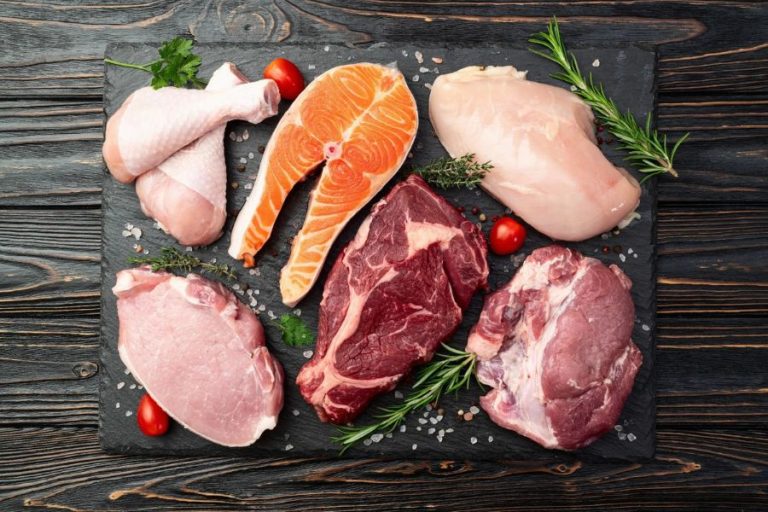
Protein keeps you satisfied, helps preserve lean muscle as you lose weight, and supports stable blood sugar. The DASH diet recommends lean meats, poultry, and fish while limiting fatty cuts and processed meats that are high in saturated fat and sodium (Mayo Clinic).
Build your list around:
- Skinless chicken or turkey breast
- Lean ground turkey or 90 percent lean ground beef
- Pork tenderloin or center cut pork chops
- Fish like salmon, trout, cod, tilapia, or canned tuna packed in water
- Plant based proteins like tofu or tempeh
Processed meats such as bacon, sausage, and deli meats can quickly push your sodium intake over the DASH target. If you do buy them, treat them as an occasional ingredient rather than a daily staple and look for lower sodium options.
Include beans, nuts, and seeds each week
Beans, lentils, nuts, and seeds provide plant based protein, fiber, and healthy fats. The DASH diet specifically recommends including them several times a week for heart health benefits (Mayo Clinic).
You could add to your cart:
- Canned no salt added beans like black beans, chickpeas, and kidney beans
- Dried lentils for soups and stews
- Natural peanut butter or almond butter
- A small variety of nuts such as almonds, walnuts, pistachios, or peanuts
- Seeds like chia, flax, or sunflower seeds
Portion size matters here. Nuts and seeds are nutrient dense but also high in calories, so measure small handfuls when weight loss is your goal. For beans, rinsing canned versions reduces sodium and makes them more DASH friendly.
Choose healthy fats in small amounts
You do not need to avoid all fats on the DASH diet. Instead, you swap saturated and trans fats for mostly unsaturated fats from plant oils and fish, then use them in modest amounts.
Useful basics include:
- Extra virgin olive oil for cooking and salad dressings
- Canola or avocado oil for higher heat cooking
- A small tub of soft, trans fat free margarine if you prefer it to butter
- Avocados, which add creaminess and healthy fats to salads and toast
Because fats are calorie dense, a little goes a long way. Measuring spoonfuls of oil when you cook can help you stay within your daily targets.
Scan labels for sodium and added sugars
You can have the right foods in your cart and still end up with more sodium and sugar than you intended if you do not pause to read labels. Making a few quick comparisons can keep your dash diet grocery list aligned with your goals.
When you look at packages:
- Check sodium per serving and compare brands. Choose lower sodium or no salt added when available.
- Watch for added sugars in yogurt, cereal, sauces, and drinks. Prefer options with little or no added sugar.
- Limit foods that list hydrogenated oils or high amounts of saturated fat.
For many pantry staples such as canned tomatoes, broth, sauces, and dressings, a low sodium or unsalted version is available. These swaps make it much easier to stay within the 1,500 to 2,300 milligram sodium range recommended in the DASH approach (Mayo Clinic).
Plan for snacks and simple meals
A practical dash diet grocery list also covers what you eat between meals and on busy days. Planning ahead here can help you avoid last minute choices that do not fit your weight loss or health goals.
For snacks, combine produce with protein or healthy fat so you stay full a bit longer. You might pair:
- Apple slices with peanut butter
- Carrot sticks with hummus
- Greek yogurt with berries
- A small handful of nuts with a piece of fruit
For quick meals, think in simple formulas like grain + protein + vegetables. Frozen brown rice, a can of no salt added beans, and a bag of frozen vegetables can turn into a balanced bowl in minutes.
Put it all together into your next list
When you write your next dash diet grocery list, start with categories instead of individual recipes. Fill in what you already like, then try one or two new items so the change feels manageable.
You might ask yourself:
- Which vegetables and fruits will I actually eat this week
- What whole grains do I need for breakfast and side dishes
- Which lean proteins will cover my main meals
- Do I have enough low fat dairy, beans, and nuts to hit my weekly targets
With a little practice, the DASH pattern becomes less of a strict diet and more of an easy template for how you shop and cook. Over time, those small, consistent choices can support both your weight loss efforts and your long term heart health.
About the Author