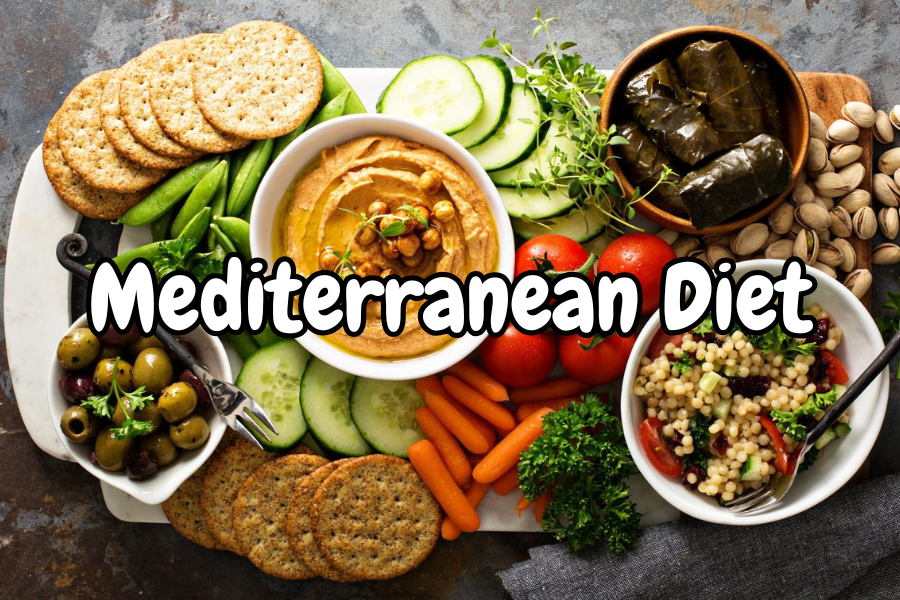
A Mediterranean diet is less of a strict plan and more of a lifestyle that centers around fresh, simple food. You focus on vegetables, fruits, whole grains, beans, olive oil, and seafood, with smaller amounts of poultry, eggs, and fermented dairy like yogurt. This way of eating has been linked to better heart health and protection against chronic disease, which is why health professionals consistently recommend it for long term wellness and weight management (Cleveland Clinic, UC Davis Health).
Below, you will see how the Mediterranean diet works, how it can help you lose weight, and how to start using it in your everyday life without making food feel complicated or restrictive.
Understand what the Mediterranean diet really is
You are not buying a branded meal plan or counting points. The Mediterranean diet comes from the traditional eating patterns of countries that border the Mediterranean Sea. The focus is on whole, minimally processed foods, especially plants, and on healthy fats instead of heavy creams or butter.
You build most of your meals from:
- Vegetables and fruits
- Whole grains like oats, brown rice, quinoa, and whole wheat pasta
- Beans and lentils
- Nuts and seeds
- Extra virgin olive oil
- Fish and seafood, with smaller amounts of poultry and eggs
- Fermented dairy such as yogurt or kefir
You limit foods that are high in unhealthy fats, sodium, and added sugars, such as processed snacks, sweets, and many fast foods, because those are linked with a higher risk of heart disease and type 2 diabetes (UC Davis Health).
Instead of thinking in terms of “allowed” or “forbidden,” you crowd your plate with foods that actually nourish you and leave less room for the rest.
See how the Mediterranean diet supports your health
You may be interested in the Mediterranean diet because you want to lose weight, protect your heart, or simply feel better day to day. There is a strong base of research that connects this way of eating with real health improvements.
Heart and blood vessel protection
The Mediterranean diet is considered an ideal model for cardiovascular health because it relies on minimally processed plant foods and healthy monounsaturated fats, mostly from olive oil, while keeping saturated fat, meats, and dairy lower (PubMed).
A large critical review of 45 prospective studies found that better adherence to a traditional Mediterranean diet is linked with meaningful reductions in:
- Coronary heart disease
- Ischemic stroke
- Total cardiovascular disease (PubMed)
The landmark PREDIMED trial in Spain also showed strong evidence that this way of eating reduces cardiovascular events, even after researchers reviewed and addressed some minor methodological issues (PubMed). Taken together, these studies support a causal relationship between the Mediterranean diet and better cardiovascular outcomes.
Brain health and aging
Your brain may benefit too. Research cited in a 2024 Mediterranean diet plan from EatingWell refers to a 2023 Neurology study that found people who followed a Mediterranean style diet had fewer signs of Alzheimer’s disease in their brains (EatingWell).
This likely relates to the combination of healthy fats, antioxidants from fruits and vegetables, and stable blood sugar from fiber rich whole grains and legumes.
Weight management and metabolic health
The Mediterranean diet was voted the best diet for multiple years because it supports long term weight control and overall health, not just fast results (EatingWell).
You are not removing entire food groups, so it is easier to stay consistent. High fiber foods, such as beans, whole grains, and produce, keep you full, and healthy fats from olive oil and nuts make meals satisfying so you are less likely to snack endlessly between them. This can naturally reduce your calorie intake, which supports gentle, sustainable weight loss (UC Davis Health).
Make extra virgin olive oil your main fat
One of the most recognizable parts of the Mediterranean diet is the use of extra virgin olive oil (EVOO). Instead of cooking with butter or margarine, you use EVOO as your primary fat for cooking, roasting, and drizzling.
According to the Cleveland Clinic, extra virgin olive oil is recommended as the main fat source in this diet because it:
- Contains more healthy unsaturated fats
- Has a higher antioxidant content
- Offers better protection against heart disease, brain damage, and inflammation than regular olive oil (Cleveland Clinic)
You do not need to soak everything in oil. You simply use enough to cook vegetables, dress salads, and give grains some richness. For example, you might sauté onions and peppers in a spoonful of EVOO, drizzle a small amount over roasted fish, or whisk it with lemon juice and herbs for a quick salad dressing.
Learn what to eat more and less often
The Mediterranean diet pyramid gives you a visual guide that differs from the older U.S. Food Guide Pyramid. It encourages you to eat vegetables, fruits, whole grains, and extra virgin olive oil often, and to limit red meat and sweets (Cleveland Clinic).
Here is a simple way to think about it in daily life.
Build most of your meals from plants, use olive oil as your main fat, enjoy fish regularly, and keep red meat and desserts for occasional meals instead of everyday habits.
Foods to make your regular staples include:
- Colorful vegetables and leafy greens
- Fruits such as berries, citrus, apples, and stone fruits
- Whole grains like barley, farro, bulgur, brown rice, and whole wheat bread
- Beans, lentils, and chickpeas
- Nuts and seeds, in small handful portions
- Fish and seafood a few times per week
- Plain yogurt, kefir, and small amounts of cheese
Foods to eat less often include:
- Red meat and processed meats
- Pastries, candy, and sugar sweetened drinks
- Highly processed snacks
- Foods that rely heavily on butter, cream, or tropical oils
You do not have to be perfect. Even a shift toward this pattern has been associated with lower disease risk in observational studies and trials (PubMed).
Adapt the Mediterranean diet to your needs
You can shape this diet around your preferences and health needs, which makes it easier to stick with.
Vegetarian or gluten free variations
If you do not eat meat or fish, you can still follow a Mediterranean style by relying on beans, lentils, nuts, and seeds for protein. The Cleveland Clinic notes that the diet can be adapted for vegetarian and gluten free patterns by swapping animal proteins for plant based ones and choosing naturally gluten free grains like quinoa and brown rice, ideally with support from a dietitian if you have specific medical needs (Cleveland Clinic).
If you need to avoid gluten, you keep the focus on fruits, vegetables, legumes, nuts, and dairy, and choose gluten free whole grains. The core principles stay the same.
Personalizing portions and calories
Your calorie needs depend on your age, activity level, and health goals. A beginner friendly 7 day Mediterranean meal plan from EatingWell ranges from about 1,164 to 1,382 calories per day, with options to adjust the plan up to 1,500 or 2,000 calories by adding items like whole wheat English muffins, almond butter, Greek yogurt, and unsalted nuts (EatingWell).
You can use this same idea at home. Start with balanced meals and then add or subtract snacks or portions based on how satisfied you feel and what your health care provider recommends.
Start the Mediterranean diet with simple changes
You do not have to overhaul your kitchen overnight. In fact, small, steady changes are more likely to last and still lead to meaningful health improvements over time (UC Davis Health).
Here are a few beginner friendly shifts:
- Swap butter for extra virgin olive oil in your cooking.
- Add one extra serving of vegetables to lunch or dinner.
- Choose whole grain bread or pasta instead of refined versions.
- Replace one red meat dinner each week with a fish based meal, such as baked salmon or cod with vegetables.
- Keep a container of nuts or fresh fruit on hand for snacks instead of chips or candy.
For structure, you can follow the approach used in the EatingWell 7 day beginner plan, which repeats simple breakfasts and lunches and makes use of leftovers at dinner to keep meal prep realistic (EatingWell). This pattern works well if you have a busy schedule but still want to eat in a healthier way.
Look beyond the plate
The Mediterranean diet is not only about what you eat. It also includes how you live. Traditional Mediterranean lifestyles emphasize cooking at home, sharing meals with others, and staying active through regular movement like walking (EatingWell).
You can bring that spirit into your life by:
- Eating at a table instead of in front of a screen
- Taking short walks after meals
- Involving friends or family in weekly home cooked dinners
- Practicing mindful eating, so you notice when you feel comfortably full
Healthcare providers often recommend this overall pattern, especially for people with heart disease risk factors, and dietitians can help you personalize it to your health conditions, allergies, and preferences (Cleveland Clinic).
Putting it all together
When you follow a Mediterranean diet, you are not just going on another short term eating plan. You are shifting toward a way of eating and living that has been shown to support your heart, brain, and weight over time (Cleveland Clinic, PubMed).
You fill your plate with plants, choose extra virgin olive oil as your main fat, include fish and fermented dairy in moderate amounts, and keep red meat and sweets as occasional extras. You make gradual changes, keep meals simple and enjoyable, and stay active.
You do not need perfection to see benefits. Choose one change to try this week, such as using olive oil in place of butter or adding a vegetable based side to dinner, and build from there. Over time, those small choices can add up to a noticeable difference in how you feel.
About the Author