Intermittent fasting for beginners can feel confusing at first, but you do not need a complicated plan to get started. With a few clear guidelines and a schedule that fits your life, you can test whether this way of eating supports your weight, energy, and overall health.
Below, you will learn what intermittent fasting is, which beginner schedules work best, how to ease in, and what to watch for so you stay safe and feel your best.
Understand what intermittent fasting is
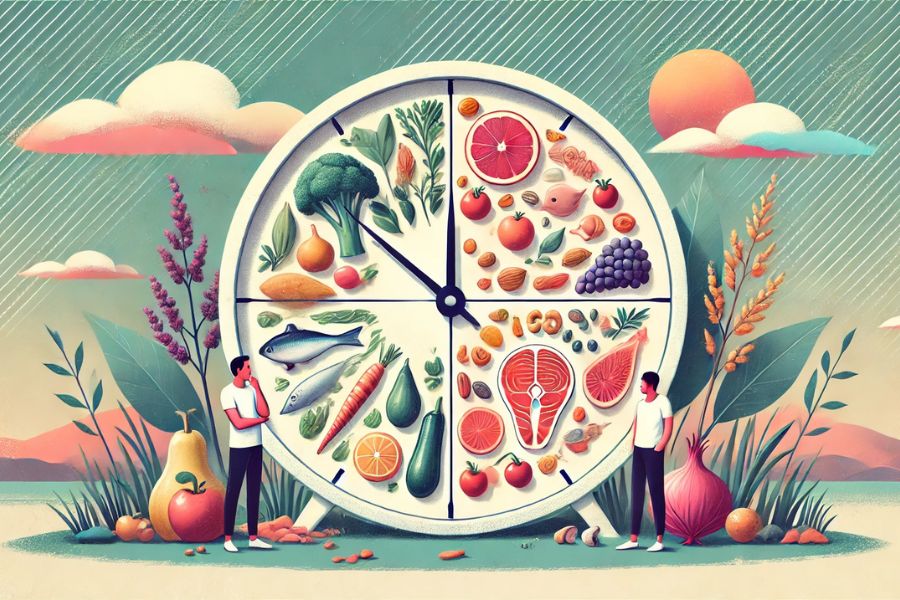
Intermittent fasting is an eating pattern where you cycle between periods of eating and fasting. Instead of focusing on what you eat, you focus mainly on when you eat. Your daily eating window becomes shorter, and the rest of the day is dedicated to fasting with only non calorie drinks like water, black coffee, or plain tea. Johns Hopkins Medicine describes it as an eating plan that alternates between fasting and eating on a regular schedule.
During a fast, your body eventually uses up stored sugar and begins to switch to burning fat. This process, called metabolic switching, may help protect against conditions like type 2 diabetes, heart disease, certain cancers, and neurodegenerative disorders when used appropriately and under medical guidance (Johns Hopkins Medicine). Intermittent fasting is not magic, but it is another way to create a calorie deficit and potentially improve metabolic health.
It is also flexible. As the University of Michigan notes, intermittent fasting can vary based on how many days you fast, which days you cut calories, and how much you reduce them (University of Michigan School of Public Health). You can choose a structure that fits your work schedule, family meals, and social life instead of forcing your life to fit the plan.
Know who intermittent fasting is for
If you want a simple, time based way to eat fewer calories and possibly support blood sugar or energy, intermittent fasting might be worth trying. Some people find that limiting the hours they eat naturally cuts snacking and late night grazing without counting every calorie.
However, intermittent fasting is not a fit for everyone. The University of Michigan notes that it is not recommended for people with advanced diabetes, pregnant women, or anyone with a history of eating disorders (University of Michigan School of Public Health). Mayo Clinic adds that potential side effects include fatigue, dizziness, headaches, mood swings, constipation, and changes in menstrual cycles, especially if you push fasting too far or ignore your body’s signals (Mayo Clinic).
Women in particular may be more sensitive to longer fasts because of hormonal fluctuations, and there can be hormone related concerns for men as well, such as changes in androgen levels that affect metabolic health and libido (Verywell Health). If you have any medical condition, take medication, or have struggled with disordered eating, talk with your healthcare provider before you begin.
Compare beginner friendly fasting schedules
There are many ways to structure intermittent fasting for beginners. The best one for you will match your lifestyle, health status, and tolerance for hunger. Here is a quick comparison of popular options.
| Method | Fasting : Eating | Why it suits beginners | Key cautions |
|---|---|---|---|
| 12:12 overnight fast | 12 hours fast, 12 hours eating | Most fasting happens while you sleep, easy first step (Verywell Health) | Results might be subtle, but it is a gentle introduction |
| 14:10 schedule | 14 hours fast, 10 hours eating | Slightly more challenging, still flexible for social meals | Avoid shrinking the eating window if you are under eating |
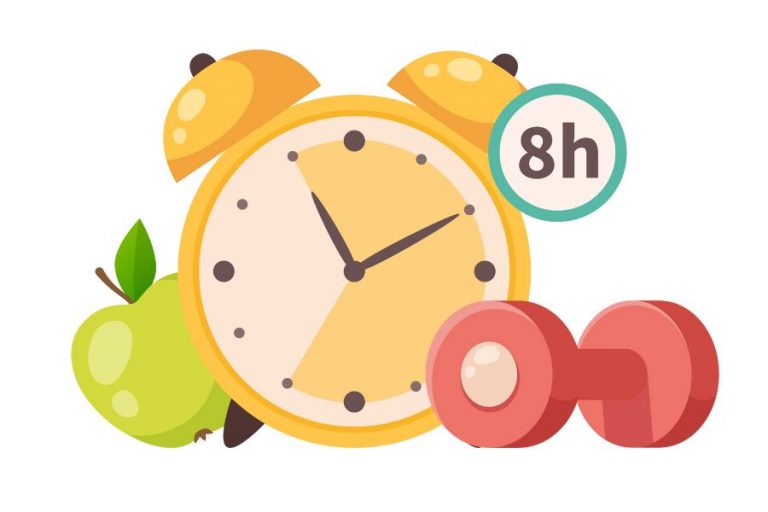
| 16:8 schedule | 16 hours fast, 8 hours eating | One of the most common and researched options for daily fasting (Verywell Health, Johns Hopkins Medicine) | May feel tough at first if you are used to breakfast and late night snacks |
| 5:2 method | 5 days normal eating, 2 days low calorie (about 20 to 25 percent of usual intake) | Lets you eat normally most days and practice calorie restriction on two nonconsecutive days (PrivateMDs, Johns Hopkins Medicine) | Low calorie days can be mentally and socially challenging |
| Time restricted eating range | 4 to 10 hour eating window, 14 to 20 hour fast | Flexible, you can start wide and shrink as you adapt (PrivateMDs) | Very short eating windows are not ideal for beginners |
More intense options like alternate day fasting, the Warrior Diet with a 20:4 split, or one meal a day are generally not recommended when you are just starting due to the long fasting periods and higher risk of side effects (Verywell Health, Mayo Clinic).
Choose a schedule that fits your life
Instead of picking the strictest schedule, choose one that feels realistic. Your work hours, sleep schedule, family dinners, and social events all matter. Research from Verywell Health and others suggests considering your health status, personal tolerance to hunger, and goals like weight loss or muscle gain when you decide on a plan (Verywell Health).
If you rarely eat after 8 p.m. and usually have breakfast at 8 a.m., you are already close to a 12:12 pattern. You might simply stop eating at 7 p.m. and have your first meal at 7 a.m. Once that feels normal, you can slowly shift to 13:11 or 14:10 by nudging your first or last meal by 30 minutes at a time.
If you prefer a daily routine, time restricted eating with a 14:10 or 16:8 window will probably be easier than skipping whole days of normal eating. If your schedule changes a lot, you may like the 5:2 approach, which lets you choose your two low calorie days each week as needed (EatingWell).
Ease into intermittent fasting gradually
Jumping from three regular meals and snacks to a long fasting window can make you miserable and less likely to stick with it. Several sources recommend easing in, for example by starting with a 12 hour overnight fast then lengthening it as your body adjusts (University of Michigan School of Public Health, EatingWell).
You might try a simple progression like this:
- Week 1: 12:12, such as 7 p.m. to 7 a.m. fasting.
- Week 2: 13:11 or 14:10.
- Week 3 and beyond: move toward 16:8 only if you still feel well and can eat enough during your window.
On low calorie days with a 5:2 method, you can also start with a very modest reduction and work down to 20 to 25 percent of your usual intake as you become more comfortable (PrivateMDs).
Along the way, pay attention to how you feel. Mild hunger before meals is normal. Persistent dizziness, brain fog, intense irritability, or feeling unwell are signals to ease up, lengthen your eating window, or check in with your doctor.
Eat to feel full and nourished
Intermittent fasting for beginners is about timing, but what you eat still matters a lot. The University of Michigan emphasizes that food quality is just as important as sticking to your fasting hours, and that you should focus on nutritious choices, not simply when you eat them (University of Michigan School of Public Health).
During your eating window, anchor your meals around:
- Lean protein such as poultry, fish, tofu, beans, or Greek yogurt, to help maintain muscle and keep you full.
- Fiber rich foods like vegetables, fruits, lentils, and whole grains, which support digestion and satiety.
- Healthy fats from sources like olive oil, nuts, seeds, and avocado, to provide steady energy and flavor.
- Plenty of water and non sugary drinks so that thirst does not masquerade as hunger.
EatingWell notes that getting enough lean protein and fiber during eating windows is crucial for staying satisfied and preserving lean muscle mass as you fast (EatingWell). If you rely heavily on refined carbohydrates, your blood sugar can swing up and down, which tends to increase appetite and make fasting windows feel harder. PrivateMDs recommends shifting toward a lower carbohydrate pattern with quality proteins and fats so that you feel fuller longer (PrivateMDs).
Try to avoid the “I am starving, so anything goes” mindset when your window opens. Going too long without food can tempt you to overeat ultra processed foods that leave you hungry again a short time later.
Know what actually breaks a fast
To keep your fast a true fast, calories need to stay at or near zero. During fasting periods, water, black coffee, and plain tea are generally acceptable, but drinks that contain calories will break your fast. That means no butter or oil in your coffee and no alcoholic drinks before bed if they fall within your fasting window. PrivateMDs points out that any calories during your fasting period technically end the fast, even if the portion seems small (PrivateMDs).
Johns Hopkins Medicine gives similar guidance, noting that during fasting periods only water and zero calorie drinks should be used, and that the nutrient dense foods should be reserved for your eating window (Johns Hopkins Medicine). If in doubt, assume that anything with calories, sugar, cream, or sweeteners that add energy will break your fast.
Avoid common beginner mistakes
A few predictable missteps can make intermittent fasting feel harder than it needs to be. If you address them early, you will have a smoother experience.
One mistake is trying an extreme schedule immediately, such as alternate day fasting or one meal per day. Verywell Health and Mayo Clinic both caution that these longer fasts are not ideal for beginners and may be unsafe for some people, especially beyond 24 hour periods without careful supervision (Verywell Health, Mayo Clinic).
Another is under eating during your eating window. PrivateMDs notes that consuming too few calories can hurt your health and your results. If you consistently struggle to meet your needs, it suggests lengthening your eating window rather than forcing a very short one (PrivateMDs).
Poor planning also trips people up. If you do not have balanced meals ready when your window opens, it is easy to reach for whatever is fastest and most processed. Basic meal prep, like cooking a batch of protein and chopping vegetables ahead, makes it much easier to stick with your plan (PrivateMDs).
Finally, rigidity can make intermittent fasting unsustainable. EatingWell highlights the importance of flexibility and listening to your hunger and fullness cues rather than treating your schedule as unbreakable. Some days you may be genuinely hungrier or have social plans that conflict with your usual window, and that is normal life (EatingWell).
Watch your body’s response
As you test intermittent fasting, pay attention to trends, not just the number on the scale. Some research, including a 2023 review in Nutrients, suggests that intermittent fasting may improve quality of life, reduce fatigue, and lower levels of IGF 1, a growth factor linked with tumor development, although its weight loss effects can be similar to other diets (EatingWell).
Notice your energy across the day, how well you sleep, your mood, and how easy or hard it feels to stick with your schedule. If you regularly feel wiped out, shaky, or unwell, or if fasting interferes with important parts of your life, that is useful information. Intermittent fasting is just one tool. If it does not work for you, that does not mean you have failed. It simply means that a different style of eating might suit you better.
Mayo Clinic recommends talking with a healthcare professional before you start intermittent fasting and using their guidance to weigh the benefits and possible drawbacks for your specific situation (Mayo Clinic). This is especially important if you take medications, have chronic conditions, or notice side effects as you experiment.
Key takeaways
- Intermittent fasting for beginners is about choosing an eating and fasting schedule that fits your life, not forcing yourself into the strictest plan.
- Gentle approaches such as 12:12, 14:10, or 16:8, or a flexible 5:2 method tend to be more sustainable than extreme fasting schedules.
- What you eat still matters. Focus on lean protein, fiber rich foods, healthy fats, and overall food quality to feel full and nourished.
- Only water and zero calorie drinks belong in your fasting window. Any calories, even small amounts in coffee or late night drinks, will break your fast.
- Ease in, watch how your body responds, and stay flexible. If fasting does not suit you or your health, it is fine to choose another approach.
You might start as simply as closing your kitchen after dinner for 12 hours tonight, then having a balanced breakfast the next morning. From there, you can adjust your hours, your meals, and your routine one step at a time until you find a rhythm that feels sustainable for you.
About the Author