A healthy sex life is about much more than avoiding infections. When you ask, “what are three sexual health risks,” you are really asking about the main things that can quietly undermine both your physical and emotional wellbeing.
Sexual health, as defined by the World Health Organization, includes your sexual orientation, gender identity, relationships, pleasure, and the potential for negative outcomes such as sexually transmitted infections and other health risks (WHO). With that broad picture in mind, you can group three major sexual health risks into:
- Sexually transmitted infections (STIs) and their complications
- Sexual violence, coercion, and discrimination
- Sexual dysfunction and its impact on mental health
Below, you will see what each risk involves, how it can affect you, and practical steps to protect yourself.
1. Sexually transmitted infections and their complications
Sexually transmitted infections are often the first thing you think of when you hear “sexual health risk,” and for good reason. STIs are infections caused by bacteria, viruses, parasites, or fungi that spread through sexual contact, including vaginal, oral, and anal sex, as well as genital skin to skin contact (CDC, MedlinePlus).
Many STIs do not cause symptoms or cause only mild symptoms, so you or your partner can be infected and not know it, yet still pass the infection on (CDC, MedlinePlus). That is why regular testing, even when you feel fine, matters so much.
Common STIs you should know
Some of the most important infections to be aware of include:
-
Chlamydia and gonorrhea. These bacterial infections can affect the genital tract and can also infect the mouth, throat, eyes, and joints in the case of gonorrhea (Mayo Clinic). They often have no symptoms but can cause long term problems. Untreated chlamydia and gonorrhea can lead to pelvic inflammatory disease (PID) in women, which can cause infertility, ectopic pregnancy, fever, abdominal pain, and long term pelvic pain (ACOG, Urology Care Foundation). In men, untreated chlamydia can cause urethral stricture (Urology Care Foundation).
-
Syphilis. This bacterial infection often starts with a painless sore, then can progress to rashes and flu like symptoms. If untreated, it can lead to serious complications like heart problems, nervous system damage, paralysis, blindness, mental disorders, organ damage, and even death years later (ACOG, Mayo Clinic, Urology Care Foundation). Syphilis can also be passed from mother to baby before birth, causing congenital syphilis that may be disabling or life threatening (Mayo Clinic).
-
Human papillomavirus (HPV). HPV is one of the most common STIs and often has no symptoms. Certain types can cause genital warts, while others are strongly linked to cancers of the cervix, anus, vulva, vagina, penis, head, and neck (ACOG, Mayo Clinic, WHO). HPV infection is the primary cause of cervical cancer and anal cancer in some populations, including men who have sex with men (WHO). Vaccines greatly reduce the risk, but they do not protect against all HPV types (ACOG).
-
Genital herpes. Caused by herpes simplex virus, herpes can lead to painful sores around the genitals or sometimes no symptoms at all. Roughly tens of millions of people in the United States live with genital herpes, and while there is no cure, antiviral medication can manage outbreaks and lower the risk of passing it on (ACOG, WHO).
-
HIV and AIDS. Human immunodeficiency virus weakens your immune system. If untreated, it can progress to AIDS within about 10 years, which is life threatening (Mayo Clinic). The virus spreads through bodily fluids during sex and from mother to child. There is no cure, but modern antiviral treatment can help you stay healthy and significantly reduce transmission risk. Pre exposure prophylaxis, or PrEP, can help prevent infection if you are at high risk (ACOG, Urology Care Foundation).
-
Hepatitis B. This virus attacks your liver and can lead to cirrhosis, liver cancer, liver failure, and death. It spreads through blood, semen, and other body fluids during sex, and while there is no cure, antiviral medications and an effective vaccine are available (Urology Care Foundation).
Several STIs, including syphilis, gonorrhea, chlamydia, and trichomoniasis, are curable with antibiotics, but they still cause serious harm if you do not treat them early (WHO, MedlinePlus).
Many STIs are silent at first. Treat regular testing as basic self care, not as a sign that you have done anything wrong.
How sexual activities affect your STI risk
Different sexual activities carry different levels of risk.
-
Vaginal sex without a condom. This involves risk for both pregnancy and STIs. Infections can be present in pre ejaculate fluid and can be transmitted even without full penetration or ejaculation (NHS).
-
Anal sex. Anal penetrative sex carries a higher risk for spreading STIs than many other sexual activities because the lining of the anus is thin and easily damaged. This makes it easier for infections like chlamydia, gonorrhea, syphilis, HIV, and herpes to enter the body (NHS).
-
Oral sex. Oral sex can transmit infections, especially if there are sores or cuts around the mouth, genitals, or anus. Herpes, gonorrhea, syphilis, and HIV can all be passed this way (NHS).
-
Sex toys and blood related practices. Sharing sex toys without proper cleaning and without using a new condom on the toy can spread STIs such as chlamydia, syphilis, herpes, and, when blood is present, hepatitis B, hepatitis C, and HIV (NHS). Sexual activities that involve cutting and blood contact raise the risk of bloodborne infections unless equipment is sterilized and never shared (NHS).
Condoms, when used correctly and consistently, provide significant protection against many STIs, including HIV. They are less protective for infections that cause sores outside the area the condom covers, such as genital herpes or syphilis ulcers (WHO).
2. Sexual violence, coercion, and discrimination
Sexual health is not just about infections. It also depends on your ability to have pleasurable and safe experiences that are free from coercion, discrimination, and violence (WHO). When those conditions are not met, your sexual rights are violated, and your health is at risk.
Why consent and safety are essential
Sexual violence includes any sexual act or attempt to obtain a sexual act without freely given consent. Coercion can be physical, emotional, social, or financial. For example, a partner might pressure you by threatening to end the relationship, by manipulating your feelings, or by ignoring your boundaries once you have said no.
Being forced into sexual activity, or feeling unable to say no, is a serious sexual health risk for several reasons:
- It increases your exposure to STIs and unintended pregnancy, since you may not be able to insist on protection or safer practices.
- It can lead to immediate physical injury, particularly in activities like anal sex where tissues are more easily damaged (NHS).
- It affects your mental health and can contribute to trauma, anxiety, depression, and difficulty feeling safe or comfortable in future sexual experiences.
Respect for sexual rights is recognized as essential for achieving good sexual health. When your rights are violated through discrimination or coercion, your ability to engage in safe and consensual behavior is restricted, which directly impacts your wellbeing (WHO).
How discrimination harms your sexual health
Discrimination based on sexual orientation, gender identity, or sexual behavior can also be a sexual health risk. When you fear judgment or punishment, you may avoid seeking information, STI testing, contraception, or supportive care. This can delay diagnosis and treatment, make it harder to negotiate safer sex, and increase feelings of isolation.
If you have ever felt that your questions or identity would not be respected by a provider, it is understandable that you might hesitate to ask for help. When you can, try to look for services that openly affirm LGBTQ+ identities and prioritize nonjudgmental care. Your sexual health depends on access to accurate information and supportive professionals.
3. Sexual dysfunction and its impact on mental health
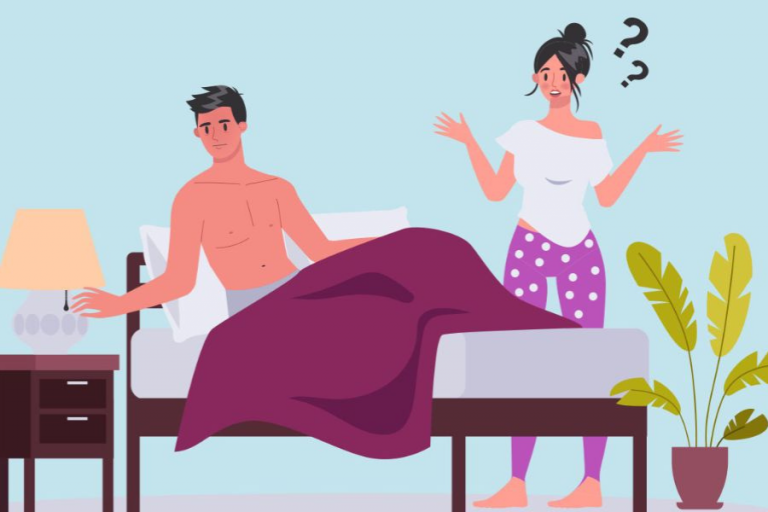
A third major sexual health risk is one that often gets overlooked: sexual dysfunction and distress. Sexual health is defined by the World Health Organization as more than just the absence of disease or dysfunction. It is about your overall wellbeing and your ability to have satisfying, safe, and consensual sexual experiences (WHO).
When something is not working the way you expect in your sex life, it can affect both your body and your mind.
How sexual problems and mental health interact
Research has found strong links between sexual health risks such as sexual dysfunction and increased levels of depression and anxiety. For example:
- Women with low sexual desire tend to report higher levels of depression.
- Men with erectile or orgasmic difficulties report more psychological symptoms and lower quality of life (WHO Bulletin).
- Sexual distress, or the emotional suffering related to sexual problems, is connected with mild depressive symptoms in premenopausal women and with higher levels of anxiety and depression in couples overall (WHO Bulletin).
Sexual dysfunction during pregnancy has been linked with increased depression in pregnant women, which shows how sexual health challenges at specific life stages can have wider mental health consequences (WHO Bulletin). Men experiencing erectile and orgasmic difficulties consistently report greater psychological distress and poorer quality of life as well (WHO Bulletin).
Even how often you have sex can play a role. Reduced frequency of sexual activities has been associated with increased psychological problems and lower mental health in both adults and older adults, suggesting that infrequent sexual activity can sometimes be a risk factor for poorer psychological wellbeing (WHO Bulletin).
Why treating sexual problems is still prevention
Although it might not seem obvious, taking sexual problems seriously is a form of prevention. When you ignore ongoing pain, lack of desire, or persistent difficulties with erection or orgasm, the emotional toll can grow over time. You might withdraw from your partner, lose confidence in your body, or avoid intimacy altogether.
Addressing concerns early with a healthcare provider or therapist can help you:
- Identify any underlying physical causes, such as hormonal issues, medication side effects, or conditions like diabetes or cardiovascular disease.
- Explore emotional and relationship factors that might be influencing your experience.
- Learn strategies and treatments that support both pleasure and comfort.
By doing this, you lower the risk of chronic stress, anxiety, and depression that often accompany untreated sexual dysfunction.
Putting it all together: how you can protect yourself
When you look at the question “what are three sexual health risks” through a broader lens, you see that your physical safety, emotional wellbeing, and basic rights are all connected.
To reduce your risk across these three areas, you can:
-
Stay proactive about STIs. Use condoms correctly and consistently, consider vaccination for HPV and hepatitis B where appropriate, and schedule regular screenings even when you feel healthy. Remember that many infections are symptom free but still harmful and transmissible (CDC, MedlinePlus).
-
Center consent, always. Choose partners who respect your boundaries and your right to say yes or no without pressure. Seek support if you have experienced sexual violence or coercion. You deserve safety in every sexual encounter (WHO).
-
Treat your pleasure and mental health as important. Notice how your sex life affects your mood, self esteem, and relationships. If you feel distressed about desire, arousal, pain, or performance, talking with a doctor, therapist, or sex counselor can be a powerful step toward feeling better (WHO Bulletin).
Your sexual health is an ongoing part of your overall wellness, not a one time box to tick. The more openly and kindly you approach it, the easier it becomes to spot risks early and make choices that support a safer, more satisfying sex life.
About the Author