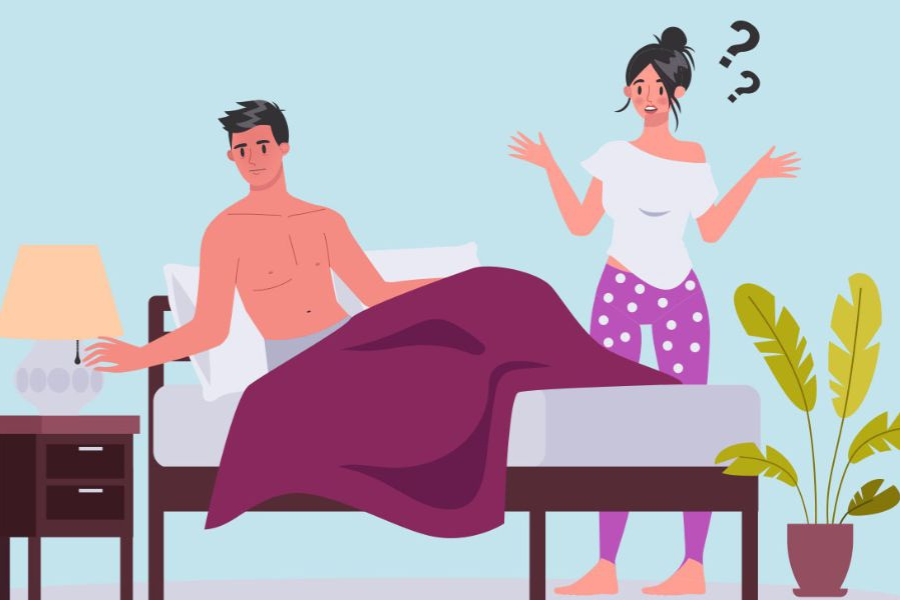
A lot of people quietly wonder, does a man go through menopause too? You might notice changes in your mood, energy, or sex drive in midlife and assume there must be a male version of menopause happening in your body.
You are not alone in asking this, and you deserve a clear, calm answer that is based on research instead of myths.
What actually happens to men’s hormones with age
You do not go through menopause the way women do. Menopause in women is a relatively sudden and permanent stop to menstruation, paired with a sharp drop in reproductive hormones over a short period of time.
In men, testosterone and other hormones change gradually, not abruptly. Your testosterone levels peak in late adolescence and early adulthood, then slowly decline over the decades. Many men start to see about a 1% drop in testosterone per year after age 40, but only a minority have levels low enough to be considered abnormal, and many of those men never notice symptoms at all (Mayo Clinic).
You may hear the terms “male menopause,” “andropause,” or “late onset hypogonadism.” These labels can be confusing. Medical organizations are clear that the term “male menopause” is a myth, because it suggests a sudden switch that simply does not happen in men (Mayo Clinic, NHS).
Instead, you experience a slow hormonal drift that is part of normal aging. For some men, this gentle decline in testosterone never causes noticeable problems. For others, it overlaps with stress, chronic illness, or lifestyle factors and can contribute to symptoms that feel like a midlife turning point.
“Male menopause” vs true low testosterone
When you ask, does a man go through menopause, you might really be asking two things:
- Is there a standard hormonal shift all men go through?
- Could low testosterone be causing how you currently feel?
The broad hormonal shift is real. Testosterone, aldosterone, and growth hormone all tend to decline gradually with age and can affect muscle, bone density, blood pressure regulation, and fertility (London Andrology). This is not considered a disease. It is part of aging, just like graying hair.
True low testosterone, often called hypogonadism, is different. In this condition, your testes do not produce enough testosterone. When this develops later in life, especially in men who are obese or have type 2 diabetes, it is referred to as late onset hypogonadism (NHS). This is not inevitable and it is not simply “getting older.” It is a medical problem that can be evaluated and treated.
That is an important distinction. You can be older with somewhat lower testosterone and feel fine. Or you can have abnormally low levels with clear symptoms and need medical care.
The big idea: there is no fixed age when you “hit male menopause,” but there are hormone related issues that are worth paying attention to and addressing early.
Common signs you may notice
Many of the symptoms you might associate with a “male menopause” are the same ones linked to low testosterone, aging, stress, or other health issues. Because they overlap, it is easy to blame hormones when the reality is more mixed.
According to the Mayo Clinic and other major health organizations, symptoms that can be tied to low testosterone include (Mayo Clinic, American Heart Association News):
- Reduced energy and stamina
- Lower motivation or confidence
- Depressed mood or irritability
- Trouble concentrating or focusing
- Poor sleep or more frequent waking at night
- Decreased sex drive
- Erectile difficulties
- Loss of muscle mass or strength
- Increased body fat
- Mild anemia on blood tests
These issues are real and valid, but they are not specific to low testosterone. Depression, chronic stress, relationship struggles, poor sleep, alcohol use, certain medications, and medical conditions like diabetes or heart disease can all create the same pattern of symptoms (NHS).
So if you recognize yourself in this list, it does not automatically mean your testosterone is low. It does mean it is worth talking with a health care professional instead of just putting up with feeling “off.”
When your symptoms are not just hormones
Because the term “male menopause” is catchy, it can distract you from other important causes of how you feel. You might assume everything is hormonal and overlook a treatable mental health condition or a lifestyle pattern that is wearing you down.
In midlife, you often juggle:
- Career pressures and job insecurity
- Parenting demands or caring for aging parents
- Financial stress and future planning
- Relationship challenges or divorce
- Health scares in yourself or people close to you
These realities can fuel stress, anxiety, and depression. The NHS notes that psychological issues such as stress, midlife crises, and personal problems are common reasons for symptoms that get labeled as male menopause, and talking therapies like cognitive behavioral therapy (CBT), plus lifestyle changes, can help a lot (NHS).
This is empowering rather than discouraging. If your mood, energy, or sex drive are suffering, you do not have to wait for a hormone prescription to start feeling better. Often, support for your mental health, better sleep habits, more consistent movement, and reducing alcohol or nicotine begin to shift things within a few weeks.
If those changes do not help enough, or if your symptoms are severe, that is the point when hormone testing becomes especially useful.
How low testosterone is diagnosed
If you are wondering does a man go through menopause and you suspect your testosterone might be low, the next logical step is evaluation. Reliable diagnosis is more than a single quick blood test.
Guidelines from the Mayo Clinic and NHS emphasize that low testosterone should be checked primarily if you have symptoms, not as a routine screening in every older man (Mayo Clinic, NHS). Here is what usually happens:
-
Detailed symptom review
Your clinician asks about your energy, mood, sexual function, sleep, work and home stress, medical conditions, and medications. This helps separate hormonal issues from other possible causes. -
Physical examination
This might include checking your body composition, testicular size, blood pressure, and signs of other hormonal or metabolic problems. -
Morning blood tests
Testosterone is highest in the morning, so your first test is usually done early in the day. If it comes back low, the test is repeated to confirm the result. Diagnosis should not be based on a single low reading. -
Further blood work if needed
Your doctor may check other hormones such as those from the pituitary gland, which controls the testes. This helps identify whether the problem is in the testes themselves or higher up in the hormonal chain (Mayo Clinic). -
Looking for underlying causes
Obesity, diabetes, sleep apnea, chronic illness, high stress levels, and certain medications can all lower testosterone. Sometimes treating these first is the safest and most effective approach.
By the end of this process, you will have a clearer picture. You may learn that your testosterone is in a normal range and that other issues are more important, or you may confirm a true deficiency that can be treated very specifically.
Testosterone therapy: benefits, limits, and risks
If you are diagnosed with age related low testosterone and symptoms that match, your clinician might talk with you about testosterone replacement therapy. This can be given as injections, gels, patches, or other forms.
Research suggests that testosterone therapy can modestly improve sexual desire and erectile function in men with confirmed low levels, and sometimes helps with mood and energy. It is not a universal fix for every midlife issue and it is not meant for men who simply want to feel “younger” without a documented deficiency (American Heart Association News, NHS).
There are also real risks to weigh. The Mayo Clinic and American Heart Association highlight potential side effects and concerns, including (Mayo Clinic, American Heart Association News):
- Increased chance of blood clots
- Raised risk of heart attack or stroke, according to FDA warnings, although one major 2023 study did not find an increase in major cardiac events
- Possible stimulation of prostate growth
- Acne and oily skin
- Higher blood pressure
- Suppressed sperm production, which can affect fertility
Because of this, most experts recommend an individualized decision, especially if you are older than 65. You and your clinician weigh how much your symptoms are affecting your life, how low your testosterone actually is, your heart and prostate health, and whether you plan to have children.
It is important to know that if your testosterone level is within a normal range and you do not have clear symptoms related to low hormones, testosterone therapy is usually not recommended and may be unsafe.
Practical steps you can take right now
Whether or not you ever need testing or treatment, you can take daily actions that support your hormones and general health. These changes will not reverse aging, but they can soften the impact of hormonal shifts and often improve mood, energy, and sexual health.
You can:
- Prioritize consistent, good quality sleep. Aim for a regular bedtime and waking time, limit screens before bed, and consider talking with a professional if you snore heavily or wake up gasping, which can be a sign of sleep apnea.
- Move your body most days of the week. Resistance training, like lifting weights or bodyweight exercises, helps maintain muscle mass and may support healthier testosterone levels.
- Support a balanced, nutrient dense diet. Focus on vegetables, fruits, whole grains, lean proteins, and healthy fats. Excess sugar and ultra processed foods can worsen weight gain and metabolic issues that drag hormones down.
- Limit alcohol and nicotine. Both can interfere with hormone balance, sexual function, and restful sleep.
- Manage stress intentionally. Practices like mindfulness, breathwork, therapy, or simply setting clearer boundaries at work and home can ease symptoms often blamed on “male menopause.”
- Stay on top of routine health checks. Blood pressure, cholesterol, blood sugar, and mental health all matter for your sexual health and overall wellbeing.
If you already feel unwell, you do not have to overhaul your life all at once. Pick one small shift that feels realistic this week, and use it as a starting point.
When to see a health professional
You do not need to wait until your symptoms are “bad enough” to ask for help. It is reasonable to book an appointment if you notice:
- Ongoing fatigue that does not improve with rest
- A clear drop in sex drive or persistent erectile problems
- Low mood, anxiety, or loss of interest in things you usually enjoy
- Unintentional weight gain and muscle loss
- Sleep problems that last more than a few weeks
A qualified clinician can help you sort out what is likely hormonal, what might be related to mental health or lifestyle, and what needs immediate attention. If blood tests eventually confirm low testosterone and a clear hormone problem, then testosterone replacement may be offered as one part of your plan (NHS).
Understanding that “male menopause” is a myth does not make your experience any less real. It means you can approach it with better information and more options. Instead of waiting for a vague transition to pass, you can take a more active role in protecting your hormones, your sexual health, and your overall quality of life.
About the Author