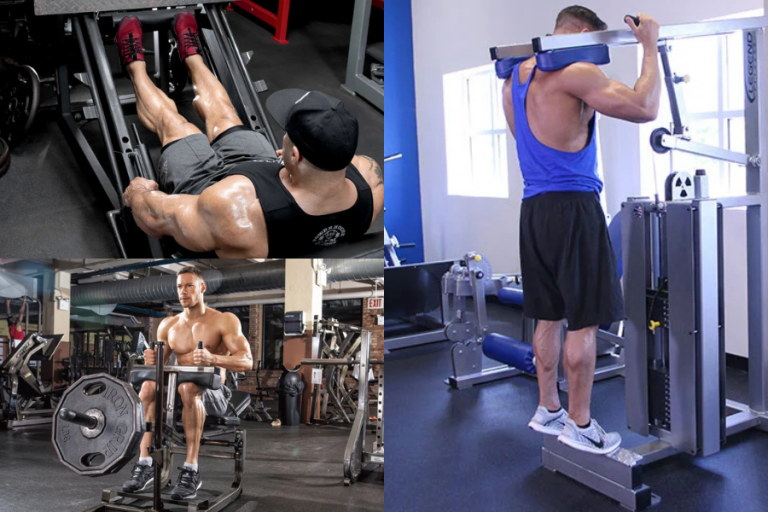
A focused quad workout with dumbbells is one of the fastest ways to tone your legs, build strength, and support your knees. With just a pair of weights and a bit of floor space, you can target all four heads of your quadriceps and feel the difference in how you walk, climb stairs, jump, and train.
Below, you will learn how your quads work, which dumbbell exercises hit each part of the muscle, and how to put everything together into beginner, intermediate, and advanced routines.
Understand your quad muscles
Your quadriceps femoris is the big four-headed muscle at the front of your thigh. The heads are:
- Vastus lateralis, outer thigh
- Rectus femoris, runs down the center
- Vastus medialis, inner thigh and teardrop near the knee
- Vastus intermedius, deep muscle beneath the rectus femoris
These muscles work together mainly to extend your leg at the knee and stabilize your kneecap, or patella, when you move. The rectus femoris also helps flex your hip, which matters when you run, kick, or squat, as explained in the 2024 and 2026 quad guides from Iron Bull Strength. When you build all four heads evenly, you get stronger, more defined thighs and better knee support.
A quad workout with dumbbells lets you train each of these heads with simple, home friendly moves while also improving balance, coordination, and overall leg strength. Since each hand holds its own weight, you avoid letting a stronger side take over, which helps correct muscle imbalances and lowers injury risk, as highlighted by Steel Supplements in 2021.
Why use dumbbells to train your quads
You can train your legs with machines or barbells, but dumbbells offer unique benefits you will notice quickly.
Dumbbell squats, lunges, and step-ups significantly improve leg strength, athletic performance, joint health, balance, and injury prevention, according to a 2024 dumbbell quad workout guide. Here is how they help you specifically:
- You challenge stabilizer muscles because each leg must work independently
- You improve grip strength since you have to hold onto the weights tightly
- You can move more freely than with most machines
- You can quickly adjust weight to match your current level
- You can train safely at home without a squat rack
Dumbbell work is especially useful if you want toned legs without heavy barbell loading or if you are returning to training after a break and want something more controlled.
Key quad exercises with dumbbells
You do not need a long list of movements to see results. Instead, focus on a few smartly chosen exercises that target each quad head.
1. Dumbbell squat
Best for: Overall quad development, with emphasis on the rectus femoris
How to do it:
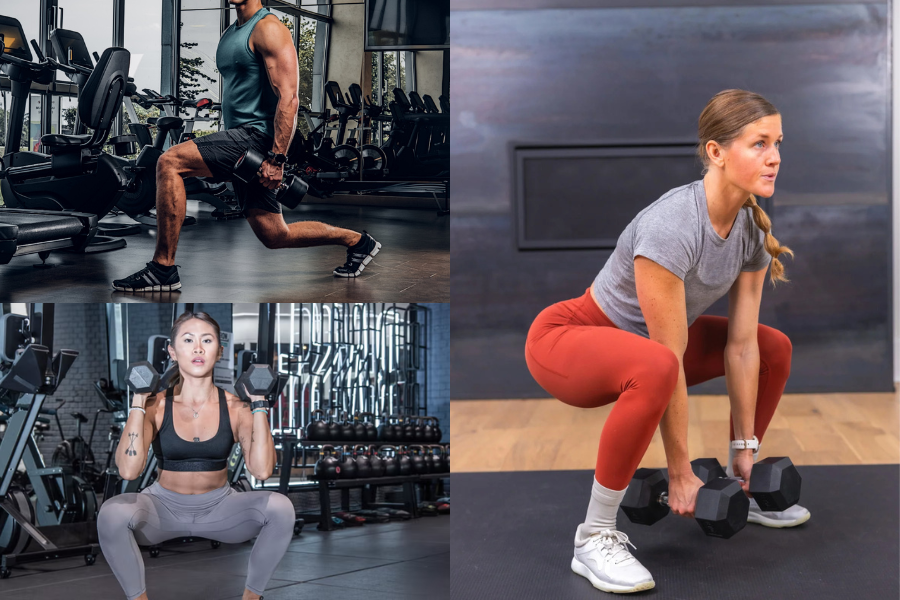
Stand with feet about shoulder width apart. Hold a dumbbell in each hand at your sides or one dumbbell goblet style at your chest. Brace your core, push your hips back slightly, and bend your knees to lower into a squat until your thighs are at least parallel to the floor if your mobility allows. Drive through your midfoot and heel to stand back up.
You will feel this in the front of your thighs, glutes, and core. Keeping an upright torso and controlling the lowering phase increases quad engagement.
2. Dumbbell front squat, close stance
Best for: Outer quad, especially the vastus lateralis
How to do it:
Stand with your feet closer than hip width. Clean two dumbbells up to your shoulders so they rest in front of you or hold one dumbbell vertically at your chest. Squat down, keeping your chest tall and knees tracking over your toes, then stand back up.
A closer stance places more load on the outer thighs. Iron Bull Strength notes that close stance front squats are especially effective for the vastus lateralis.
3. Dumbbell hack squat
Best for: Outer quad, vastus lateralis
How to do it:
Stand with feet shoulder width. Hold a dumbbell in each hand behind your legs, arms straight. Bend your knees and sit down as if you were sliding your back down a wall, letting the weights travel down behind you. Stop when thighs are parallel or just below, then stand up again.
This movement mimics a machine hack squat but with dumbbells. It shifts more emphasis to the front of your thighs and especially the outer portion, again highlighted as a vastus lateralis builder in Iron Bull Strength’s recommendations.
4. Dumbbell lunge
Best for: Central quad, rectus femoris, and overall balance
How to do it:
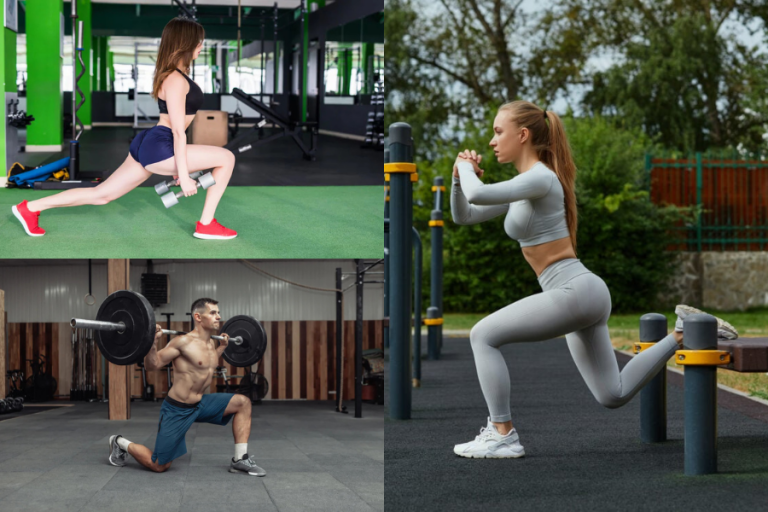
Stand tall with a dumbbell in each hand. Step one foot forward, bend both knees, and lower until your back knee is just above the floor. Keep your front knee stacked over your ankle. Push through the front heel to return to standing and repeat on the other side.
Dumbbell lunges emphasize the rectus femoris, the central quad, and also challenge hip stability and balance.
5. Dumbbell split squat and Bulgarian split squat
Best for: Inner quad, vastus medialis, and knee stability
How to do a split squat:
Stand with one foot forward and one foot back in a staggered stance. Hold dumbbells at your sides. Lower your back knee straight down toward the floor while keeping your torso upright and your front knee tracking over your toes. Push through the front foot to rise.
To progress to a Bulgarian split squat, place your back foot on a bench or step behind you and perform the same motion. This greatly increases the load on the front leg.
Iron Bull Strength lists split squats as a key way to hit the vastus medialis and improve knee stability.
6. Dumbbell side lunge
Best for: Inner quad, vastus medialis, and hip mobility
How to do it:
Stand tall holding a dumbbell at your chest or a dumbbell in each hand. Step out to the side and bend the stepping knee while keeping the other leg straight. Sit your hips back slightly, then push off the stepping foot to return to the start.
Side lunges load the inner thigh and inner quad, which is important for balanced thigh definition and knee support.
7. Reverse lunge
Best for: Inner quad activation with lower knee stress
How to do it:
Start as you would for a forward lunge. This time, step one foot back, drop into a lunge, then return to standing. Keep your front knee over your ankle and torso upright.
Reverse lunges are often more knee friendly than forward lunges while still engaging the vastus medialis as highlighted in the Iron Bull Strength quad guide.
8. Dumbbell step-up
Best for: Deep quad strength, vastus intermedius, and functional power
How to do it:
Stand in front of a stable bench or box. Hold a dumbbell in each hand. Place one foot on the box and press through that leg to stand fully on top, lifting your opposite knee or bringing the trailing leg up to meet the front foot. Step back down under control.
Step-ups are excellent for the vastus intermedius and build single leg strength you feel in real life tasks like climbing stairs.
9. Goblet squat
Best for: Overall quad and core engagement, especially useful for beginners
How to do it:
Hold one dumbbell vertically at your chest with both hands. Stand with feet slightly wider than shoulder width and toes turned out a bit. Squat down, driving your knees out and keeping your chest lifted, then stand back up.
This is easier to learn than a traditional back squat and is one of the recommended exercises to reach the vastus intermedius and improve quad endurance.
10. Dumbbell lunge pulses
Best for: Deep quad burn and endurance, vastus intermedius
How to do it:
Step into a lunge and lower until both knees are bent. Instead of standing up fully, pulse up and down about three inches, staying in the bottom half of the movement. Complete all pulses on one side before switching.
According to Iron Bull Strength, lunge pulses with dumbbells are an effective way to drive blood and tension into the quads, especially the deeper vastus intermedius, across beginner to advanced routines.
Focus on smooth control and a full range of motion in every rep, even when you are working close to your limit. Quality reps will shape your quads faster than rushed, sloppy sets.
Sample quad workout with dumbbells for every level
You can build toned legs at any level by adjusting the weight, reps, and total volume. Below are example quad focused workouts using the exercises above.
Beginner quad workout
If you are new to strength training or returning after a break, start with bodyweight plus light dumbbells.
Do this circuit 2 times per week, with at least one rest day between sessions:
- Bodyweight squat, 3 sets of 10 to 12 reps
- Goblet squat, 3 sets of 8 to 10 reps
- Dumbbell reverse lunge, 2 sets of 8 reps per leg
- Dumbbell step-up, 2 sets of 8 reps per leg
Rest 60 to 90 seconds between sets. Focus on perfect form and a controlled pace.
Intermediate quad workout
Once you feel comfortable with the basics, you can use supersets to increase intensity without adding much time. Iron Bull Strength highlights the use of supersets in intermediate quad programs.
Perform 2 to 3 rounds of each superset, resting 60 seconds between rounds:
Superset A
- Dumbbell front squat, close stance, 10 to 12 reps
- Dumbbell Romanian deadlift, 10 to 12 reps, to keep hamstrings balanced
Superset B
- Dumbbell walking lunge, 8 to 10 steps per leg
- Dumbbell step-up, 8 reps per leg
Finisher
- Dumbbell lunge pulses, 2 sets of 15 to 20 pulses per leg
Train this 2 times per week and keep one additional lower body day more glute or hamstring focused to maintain balance.
Advanced quad workout
At an advanced level, you can split your focus between inner and outer quad and train quads up to twice per week, as suggested in the Iron Bull Strength advanced guide.
Day 1, Outer quad focus
- Close stance dumbbell front squat, 4 sets of 8 to 10
- Dumbbell hack squat, 4 sets of 8 to 10
- Walking lunge, 3 sets of 12 steps per leg
Day 2, Inner and deep quad focus
- Bulgarian split squat, 4 sets of 8 reps per leg
- Dumbbell side lunge, 3 sets of 10 reps per leg
- Goblet squat, 3 sets of 12 to 15
- Lunge pulses, 2 sets of 20 pulses per leg
You can also experiment with an AMRAP style leg session like the 15 minute quad focused workout put together by Men’s Health UK fitness director Andrew Tracey, which combines front squats, walking lunges, dumbbell Romanian deadlifts, farmers carries, and dumbbell deadlifts for as many rounds as possible in 15 minutes. This type of training challenges your quads, hamstrings, glutes, core, and grip all at once.
Recovery, frequency, and safety tips
Even though your quads are large muscles, they still need rest. Most people make good progress training a quad workout with dumbbells 1 to 2 times per week, depending on overall leg training volume.
Keep these guidelines in mind:
- Leave at least 48 hours between hard quad focused sessions
- Stop a set if you feel sharp or sudden pain in the knee or hip
- Increase weight only when you can do all reps with stable, controlled form
- Warm up with light cardio and dynamic leg movements before lifting
Some lifters also use recovery aids and supplements to bounce back faster. For example, Steel Supplements notes that products like ADABOLIC may help support muscle recovery when you are training legs hard and want to keep progressing. Nutrition, sleep, and hydration are just as important as what you do in the gym.
Putting it all together
A consistent quad workout with dumbbells will:
- Strengthen all four heads of your quadriceps
- Improve knee stability and daily movement
- Build visible thigh tone and definition
- Increase your power in running, jumping, and sports
Start by choosing 4 to 6 exercises that cover front, inner, outer, and deep quad work, such as squats, lunges, split squats, and step-ups. Train them with intent, keep your form tight, and slowly progress the weight or reps over time.
You do not need a full gym or complicated machines. With a pair of dumbbells and a simple plan, you can build stronger, more toned legs faster than you might expect.
About the Author