A paleo diet vs keto comparison can feel confusing when you are simply trying to lose weight and improve your health. Both eating styles cut out processed foods and focus on whole ingredients, but they work in very different ways. Once you understand those differences, it becomes much easier to choose the one that actually fits your life instead of forcing yourself into a plan that feels impossible to maintain.
Understand the basic idea of each diet
Before you decide between paleo and keto, it helps to get clear on what each one is trying to do.
The paleo diet, often called the caveman diet, is built around the idea of eating like your distant ancestors. You focus on whole foods that would have been available before agriculture, such as meat, fish, eggs, fruits, vegetables, nuts, and seeds. You avoid grains, legumes, most dairy, refined sugar, and highly processed foods, and many people also pair paleo with lifestyle habits like regular movement and stress reduction for overall wellness (Healthline).
The ketogenic, or keto, diet is not about history, it is about metabolism. Keto is a very low carb, high fat way of eating that pushes your body into ketosis, a state where you burn fat and produce ketones for energy instead of relying on carbohydrates. To stay in ketosis, you usually keep carbs extremely low and eat a lot of fat with moderate protein (Healthline).
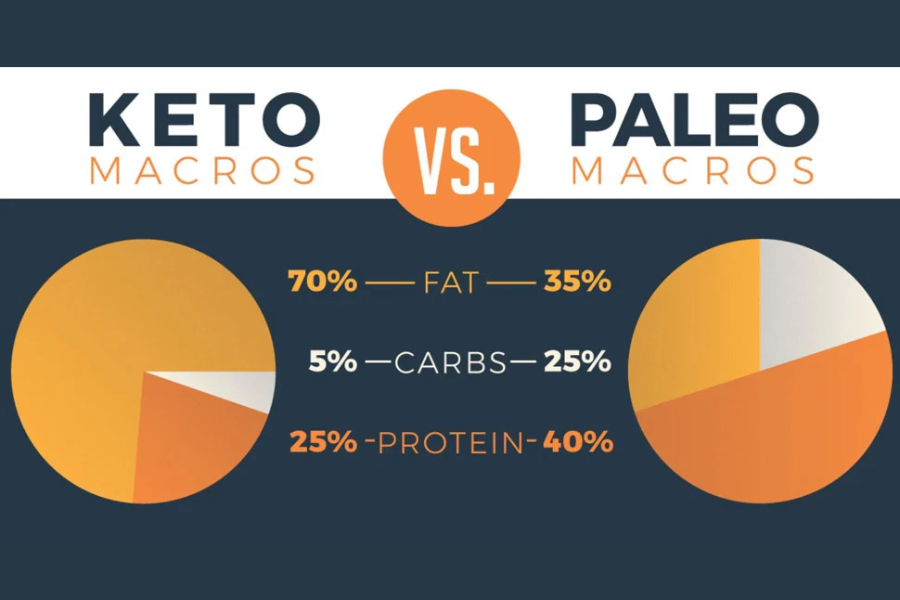
So at the simplest level, paleo is about food quality and food groups, while keto is about macro ratios and staying in a specific metabolic state.
What you can and cannot eat
When you look at paleo diet vs keto side by side, some foods overlap and others are treated very differently.
On paleo, your plate is filled with whole, unprocessed foods. You eat:
- Meat, poultry, eggs, and seafood, often with an emphasis on grass fed or wild caught options
- Plenty of fruits and vegetables
- Nuts and seeds
- Healthy fats from sources like avocado, olive oil, and coconut
You avoid grains, legumes, refined sugar, most dairy, and processed or refined foods. The goal is to reduce inflammation, support healthy blood sugar, and improve markers like weight, blood pressure, and cholesterol (WebMD, MorningStar Family Health Center).
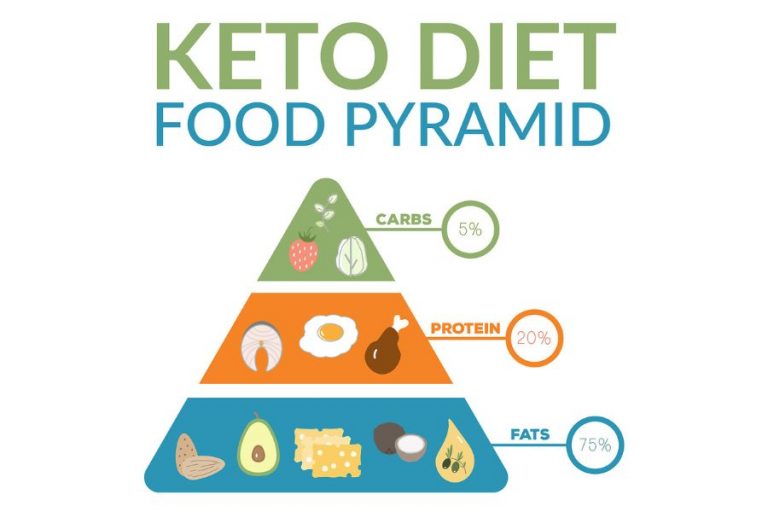
Keto also encourages whole foods but has stricter rules around carbohydrates. You typically aim for about 60 percent of calories from fat, 30 percent from protein, and 10 percent from carbohydrates, although exact numbers can vary (WebMD). Keto usually:
- Includes fatty cuts of meat, eggs, butter, cream, cheese, oils, and nuts
- Allows non starchy vegetables like leafy greens, broccoli, and zucchini
- Limits or excludes most fruits, starchy vegetables, grains, beans, and regular sugar
One key difference is that paleo lets you eat whole food carbohydrate sources such as fruit, starchy vegetables like sweet potatoes, and unrefined sweeteners in moderation. Keto restricts many of these high carb foods, including most fruits, starchy vegetables, grains, and many sweeteners, in order to keep your carb intake low enough to stay in ketosis (Healthline, MorningStar Family Health Center).
Paleo also avoids dairy, while keto commonly includes it. Paleo might allow small amounts of natural sugars like honey or coconut sugar, and keto usually relies on non carb sweeteners such as monk fruit or stevia instead (MorningStar Family Health Center).
How each diet supports weight loss
If your main goal is weight loss, both paleo and keto can help, but they do it in different ways.
The paleo diet tends to reduce calories naturally because you are cutting out many high calorie processed foods and added sugars. You are also increasing your intake of protein and fiber from meat, vegetables, nuts, and seeds, which can keep you full for longer. Studies suggest that paleo can lead to significant weight loss along with improvements in body mass index, waist size, blood pressure, and cholesterol, all of which are linked to lower cardiovascular risk (WebMD, MorningStar Family Health Center).
Keto often produces rapid initial weight loss because your body shifts to burning fat for fuel and you lose some water weight as glycogen stores drop. The strict carb limit also tends to reduce appetite for some people. By breaking down stored fat into ketones, keto can support substantial short term fat loss and has even been used as a therapeutic diet for conditions like epilepsy (WebMD, MorningStar Family Health Center).
However, long term success depends less on how fast the weight comes off and more on whether you can see yourself eating this way most of the time. Experts emphasize that long term weight loss depends on choosing an approach you are willing to maintain indefinitely, not just for a few intense weeks (Scripps Health).
Health benefits and potential drawbacks
Paleo and keto both have potential benefits, but they also come with trade offs you should know about before you commit.
With paleo, you are encouraged to eat a wide range of fruits and vegetables, lean proteins, and healthy fats, which can help regulate blood sugar and support type 2 diabetes and cardiovascular health (WebMD). People often see improvements in inflammation, weight, and risk factors for heart disease and diabetes when they move away from refined and ultra processed foods (MorningStar Family Health Center).
At the same time, paleo can involve a lot of meat and saturated fat if you are not paying attention to your choices. Some experts are concerned that a very high intake of certain animal products could increase your risk of cardiovascular disease or diabetes over time, depending on how you build your meals (WebMD). The American Heart Association also notes that paleo, as many people practice it, is relatively high in fat without necessarily limiting saturated fats, and it restricts foods like whole grains and legumes that are usually associated with heart health (American Heart Association News).
Keto can be helpful for rapid weight loss, blood sugar control, and certain neurological conditions because of its focus on ketone production. However, its strict carb restriction can create nutrient gaps, especially if grains and most fruits are off your plate. This may lead to low intake of selenium, magnesium, phosphorus, and vitamins B and C if you are not very careful, and there may be added strain on the liver and kidneys, particularly if you already have issues with those organs (WebMD).
Some people also experience side effects when starting keto, like increased thirst, frequent urination, metallic taste, nausea, reduced appetite, and trouble sleeping. These are often referred to as keto flu symptoms and can be discouraging in the early weeks (Scripps Health).
On top of that, both paleo and keto have been rated by the American Heart Association as relatively low for overall heart health alignment compared with more flexible patterns like the DASH or Mediterranean diets. In one scientific statement, paleo scored 53 out of 100 and keto scored 31, partly because they limit heart friendly foods such as fruits, whole grains, and legumes and can be high in saturated fat. They are also viewed as highly restrictive and hard for many people to maintain in the long run (American Heart Association News).
Which is easier to live with day to day
When you picture yourself eating tomorrow, next week, and six months from now, the question of paleo diet vs keto often comes down to lifestyle and personality.
Paleo usually feels more flexible because you do not have to track macros or obsess over every gram of carbohydrate. You focus on the quality of your food, such as choosing organic produce and grass fed or wild caught animal products when possible, and you learn to cook with simple ingredients. You can still enjoy fruits and certain starchy vegetables, which makes eating out or sharing meals with family a bit simpler (MorningStar Family Health Center).
Keto, by contrast, often requires more constant monitoring. It is not enough to be low carb in general, you need to stay low enough in total grams of carbohydrate to remain in ketosis. This can mean tracking macros, measuring portions, and saying no to many social foods like bread, most desserts, and even some types of fruit and vegetables. For some people, that structure feels clear and motivating. For others, it becomes exhausting and socially isolating.
Experts generally see paleo as easier to maintain over the long term, since it offers more variety and does not require you to hit a strict macro target every day. Keto can be very effective for specific goals but may be challenging to keep up with for months or years (Healthline, Scripps Health).
Who each diet may be best suited for
You will get more out of any eating plan if it matches your health goals and your real life. Here is a simplified way to think about paleo diet vs keto based on common priorities:
If you want a sustainable, whole foods approach with room for fruit and starchy vegetables, paleo usually fits more smoothly into everyday life. If you need aggressive carb control for blood sugar or specific neurological benefits and are ready for stricter rules, keto might make more sense.
Paleo or a paleo style approach may be a better fit if you:
- Want long term, steady weight loss without constant tracking
- Prefer an eating plan that improves your relationship with food instead of focusing on numbers
- Have a busy lifestyle and need something flexible and realistic
- Care about food quality and want to become a generally healthier, more varied eater
Keto or a keto style approach may be more appropriate if you:
- Have strong sugar cravings and want to reset your appetite
- Need very stable blood sugar or are working with a doctor on metabolic issues
- Are interested in the brain benefits of ketones, such as for certain neurological conditions
- Are comfortable tracking macros and sticking closely to a structured plan
There are also hybrid options, sometimes called paleo keto or pegan (a mostly plant based version that combines paleo principles with about 75 percent of your intake coming from fruits and vegetables), that aim to blend the benefits of both while avoiding some of the extremes (Scripps Health).
Certain people are generally advised to avoid keto, including pregnant or nursing women, people with advanced kidney problems, and those with a history of eating disorders, because the diet can be physically and mentally stressful in these situations. Paleo does not have those same specific exclusions but still deserves medical guidance if you have complex health conditions (Scripps Health).
How to decide what to try first
You do not have to commit to a perfect plan on day one. You can treat your choice between paleo and keto as an experiment and let your body give you feedback.
If you are not sure where to start, you might find it easier to try a gentle paleo approach first. Begin by crowding your plate with vegetables, lean proteins, nuts, seeds, and healthy fats. At the same time, reduce or remove refined sugar, packaged snacks, and sugary drinks, and gradually cut back on refined grains. This is often enough to trigger weight loss and better energy without a sharp learning curve.
If you later feel that you need stricter carb control, you can shift toward a more keto style structure by reducing starchy vegetables and fruits and increasing your intake of healthy fats, ideally under the guidance of a registered dietitian or healthcare provider. Because both paleo and keto are more restrictive than mainstream dietary patterns and can affect your heart health, it is wise to talk to a professional before making big changes, especially if you have existing medical conditions (American Heart Association News).
As you try any approach, pay attention to how you feel. Notice your hunger, cravings, sleep, mood, digestion, and energy, not just the number on the scale. The right plan for you is the one that moves you toward your goals while still feeling livable. If you can imagine eating this way in a year, you are much closer to a truly healthy decision.
About the Author