A paleo diet can feel like a natural fit if you want to lose weight, reduce inflammation, and support your immune system. When you also live with an autoimmune disease, though, you are right to ask a more specific question: how does the paleo diet and autoimmune disease actually interact in your body?
You will see a lot of promising stories online, but it helps to separate buzz from what current research suggests, so you can decide what is realistic for you.
Understand the link between paleo and autoimmune disease
Autoimmune diseases like Hashimoto thyroiditis, lupus, celiac disease, inflammatory bowel disease (IBD), multiple sclerosis, and rheumatoid arthritis involve an overactive immune system that mistakenly attacks your own tissues. Many researchers now focus on the gut as a key player in this process.
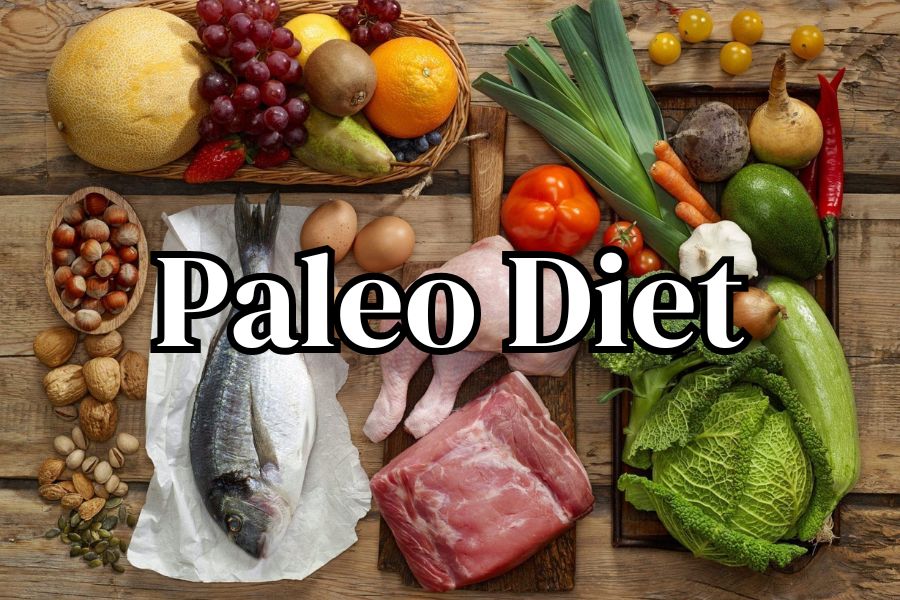
The standard paleo diet centers on whole, unprocessed foods. You avoid grains, most dairy, legumes, refined sugar, and industrial seed oils, and you build your meals around vegetables, fruits, meat, fish, eggs, nuts, and healthy fats. This way of eating naturally removes a lot of ultra-processed foods that can disturb your gut microbiome and drive chronic inflammation.
A 2023 systematic review of Paleolithic style diets in people with autoimmune thyroid disease, such as Hashimoto thyroiditis and Graves disease, found that all included studies reported clinical improvements and better thyroid hormone profiles when people followed ancestral-style diets and removed modern processed foods (PubMed). The review also noted benefits when these diets were combined with targeted supplements, exercise, and stress management, which suggests your overall lifestyle matters too.
In other words, a well planned paleo pattern can create a lower inflammation, nutrient dense foundation that may help calm autoimmune activity, even though it is not a cure.
Compare standard paleo and autoimmune paleo (AIP)
If you search for information on the paleo diet and autoimmune disease, you will quickly come across the Autoimmune Protocol, often shortened to AIP. You can think of it as a stricter, more therapeutic version of paleo.
On a basic paleo diet you typically avoid:
- Grains
- Legumes
- Most dairy
- Refined sugar and highly processed foods
- Industrial seed oils
The autoimmune paleo diet keeps all of those exclusions and then goes further during an initial elimination phase. AIP also removes:
- Eggs
- Nuts and seeds
- Nightshade vegetables such as tomatoes, peppers, eggplant, and white potatoes
- Coffee and alcohol
- Food additives and processed snacks that slip through on some casual paleo plans
The logic is that these foods are more likely to irritate your gut lining or trigger your immune system if you already have an autoimmune condition. The AIP diet is designed to reduce gut inflammation, support gut healing, and lower overall systemic inflammation so your immune system can calm down (Mindd, Dr. Emily Parke).
You do not stay on this restrictive phase forever. AIP is meant to function as a temporary reset. After a set period, you slowly reintroduce foods to see which ones your body tolerates well.
See how the AIP phases work
One helpful way to understand the relationship between the paleo diet and autoimmune disease is to walk through the structure of the AIP protocol step by step.
Phase 1: Elimination
In the elimination phase, you remove potential trigger foods for a period that typically ranges from 30 to 90 days. Some sources mention three weeks as a minimum, but your immune system can take about 23 days just to calm down by half after exposure to a trigger food, so many practitioners recommend giving yourself a full month or longer (Dr. Emily Parke).
During this time you focus on:
- Plenty of non nightshade vegetables
- High quality meats and fish
- Fruits, in moderation
- Fermented foods for gut health
- Bone broth and other nutrient dense, easy to digest staples
The goal is to lower immune system burden and give your gut lining a chance to heal (Green Chef, Mindd).
People often hope for instant results, but a more realistic expectation is gradual change. Some clinical trials in IBD and rheumatoid arthritis report improved quality of life and reduced symptoms after several weeks on AIP, although blood markers of inflammation and thyroid function do not always shift as clearly in every study (NCBI – Metabolism Open).
Phase 2: Reintroduction
Once your symptoms have stabilized, you begin reintroducing foods one at a time. This phase is just as important as elimination, because it helps you personalize your long term diet.
The usual process is:
- Choose one food to test, such as egg yolks.
- Eat a small amount and watch for symptoms over the next 24 to 72 hours.
- If you feel well, increase the portion and monitor again.
- If you stay stable, you can add that food back into your rotation. If you flare, you remove it and wait for symptoms to settle before testing something else.
This patient, stepwise approach is what turns a generic AIP plan into an individualized way of eating that fits your body.
Why some “healthy” foods are removed
It can be confusing to see nutrient rich foods like eggs, tomatoes, and even bananas on the AIP elimination list. The reasoning has less to do with these foods being “bad” and more to do with how a sensitized immune system may react to specific proteins or plant compounds:
- Egg whites contain a protein called lysozyme that can cross the gut barrier and potentially provoke an inflammatory immune response. Even though eggs are technically paleo friendly, they are pulled out in early AIP stages for this reason (The Paleo Diet).
- Nightshade vegetables such as eggplant, peppers, and tomatoes contain lectins, saponins, and in the case of hot peppers, capsaicin. These compounds may irritate the gut in some people with autoimmune disease, although there is ongoing debate and many people successfully reintroduce them later (The Paleo Diet).
- Bananas are sometimes excluded because the pulp of ripe bananas contains a thaumatin like protein that may behave like a lectin and has been linked with allergic reactions in sensitive individuals. You might test your tolerance during or after the elimination phase rather than assuming they are always safe (The Paleo Diet).
The key idea is not that these foods are universally harmful, but that temporarily removing them can help you identify which ones act as triggers for you.
Think of AIP as a structured experiment. You are not giving up foods forever, you are running a short term trial to learn how your immune system responds.
Look at what the research actually shows
When you weigh the paleo diet and autoimmune disease together, it is smart to know what has been studied and what has not.
- In autoimmune thyroid disease, including Hashimoto thyroiditis and Graves disease, a 2023 review of eight studies reported clinical improvements and in some cases even resolution of disease markers when people followed Paleolithic or ancestral style diets and avoided modern processed foods (PubMed). The review also highlighted the potential value of specific macronutrient patterns and methylation related supplements, along with lifestyle changes like exercise and mindfulness.
- For broader autoimmune conditions, including Hashimoto thyroiditis, inflammatory bowel disease, and rheumatoid arthritis, a 2024 review of clinical trials found that AIP can improve quality of life and reduce disease related symptoms for many people. However, the authors emphasized that findings are still preliminary and sometimes conflicting when it comes to objective markers like inflammatory blood tests or thyroid hormone levels (NCBI – Metabolism Open).
- In people with inflammatory bowel disease, following an AIP style protocol focused on whole, minimally processed foods, fruits, vegetables, herbs, and lean proteins has been associated with better bowel movement frequency, lower perceived stress, and better quality of life within a few weeks (Nourish).
These studies are encouraging. At the same time, they tend to involve small groups, intensive support, and often combine diet with other interventions. They do not prove that paleo or AIP alone will put your autoimmune disease into remission, but they do support the idea that an ancestral, low inflammatory pattern can be a powerful part of your overall plan.
Weigh benefits and limitations before you start
Like any therapeutic diet, paleo or AIP can offer clear upsides, but they also come with tradeoffs. Understanding both sides helps you make a more confident decision.
On the benefits side, research and clinical reports suggest that paleo and especially AIP may:
- Lower systemic inflammation and help modulate your immune response, sometimes translating into less pain, fatigue, and digestive distress (Dr. Emily Parke, Green Chef)
- Support gut healing and a healthier microbiome by removing processed foods, refined carbohydrates, and common irritants and by adding more vegetables and fermented foods (Mindd)
- Provide more nutrient dense meals overall, which is important because deficiencies in vitamins and minerals can aggravate autoimmune activity (PubMed)
On the limitations side, especially with AIP you will want to watch for:
- Nutrient gaps. A very restrictive AIP plan can leave you short on folate, vitamin B12, riboflavin, vitamin D, and calcium if you do not plan carefully or supplement appropriately, particularly if you are a woman with Hashimoto thyroiditis (NCBI – Metabolism Open).
- Digestive risks in special situations. People with certain complications, such as ileal strictures, may experience gastrointestinal issues on an AIP diet that is high in fibrous vegetables, so medical guidance is important (NCBI – Metabolism Open).
- Social and emotional strain. Eating a highly restricted diet can be isolating and stressful, especially over months or years. That stress can itself affect your immune system.
- Lack of long term data. Current studies are promising, but there is limited research on the safety and effectiveness of AIP over many years. Experts therefore recommend you use it strategically and with support, not as an unsupervised permanent lifestyle (NCBI – Metabolism Open).
Working with a practitioner who understands autoimmune health and nutrition can help you keep the benefits while reducing the downsides. Many people use AIP as a 30 to 90 day reset, then expand to a more flexible, personalized paleo style way of eating.
Decide if paleo or AIP is right for you
If you are curious about using a paleo framework to manage your autoimmune disease, it can help to think in stages instead of jumping straight into the strictest version.
You might start by shifting toward a standard paleo pattern that removes most processed foods, grains, legumes, and refined sugars. If you notice that your symptoms improve even a little, that is useful feedback that your immune system may respond well to diet changes.
If you still struggle with flares after a solid trial of basic paleo, you could then consider a structured AIP phase under professional guidance. A registered dietitian or knowledgeable clinician can help you design meals that meet your nutrient needs, monitor your lab work, and set a clear timeline for elimination and reintroduction. This type of support is strongly recommended by practitioners who work with AIP regularly (Nourish).
Throughout the process, you stay in charge. The goal is not to live on the most restrictive plan you can tolerate. It is to discover the least restrictive, most enjoyable way of eating that still keeps your autoimmune symptoms as quiet as possible.
If you treat paleo and AIP as tools rather than rules, you can experiment thoughtfully, learn how your body responds, and build a long term nutrition plan that supports both your weight and your health.
About the Author