A Mediterranean diet is often praised for its vibrant flavors, simple ingredients, and heart healthy benefits. Mediterranean diet snacks take those same principles and turn them into quick bites that help you stay full, support weight loss, and make healthy eating feel easy instead of restrictive. With the right options in your kitchen, you can reach for something satisfying without derailing your goals.
Below, you will find how Mediterranean diet snacks work, what to keep on hand, and specific snack ideas you can start using today.
Understand what makes a Mediterranean snack
Mediterranean diet snacks look different from typical packaged treats. Instead of sugary granola bars or chips, you lean on whole, minimally processed foods that deliver protein, fiber, and healthy fats in the same bite.
A classic Mediterranean style snack usually includes:
- Vegetables or fruit
- A source of protein such as Greek yogurt, legumes, nuts, or seeds
- Healthy fats from extra virgin olive oil, nuts, seeds, or avocado
- Whole grains in smaller amounts, such as whole wheat pita or oats
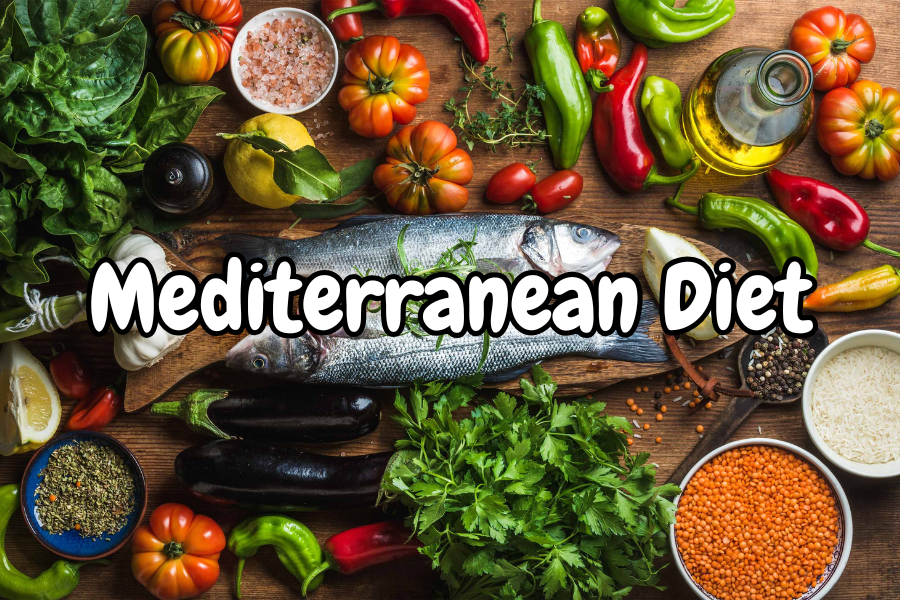
The Mediterranean diet has consistently ranked among the healthiest eating patterns because it emphasizes vegetables, fruits, legumes, nuts, whole grains, and olive oil, along with moderate seafood, dairy, and eggs, and only occasional sweets and red meat (The Mediterranean Dish). When you build snacks from the same building blocks, you get the same benefits in mini form.
Focus on weight loss and energy
If you are using Mediterranean diet snacks to support weight loss, the goal is to feel satisfied between meals so you are not constantly grazing or arriving at mealtime overly hungry.
According to guidance on Mediterranean style grazing, smart snacks tend to be lower in calories but provide at least 3 grams of fiber per serving to help keep you full (EatingWell). That is one reason so many Mediterranean snack ideas rely on legumes, nuts, seeds, and whole fruits.
These same snacks help stabilize your blood sugar, which can reduce energy crashes and afternoon cravings. When you combine protein, fiber, and healthy fats in one small plate or container, you give your body steady fuel instead of a short sugar spike.
Think of each snack as a mini balanced meal. If it includes something colorful from plants, a bit of protein, and a source of healthy fat, you are likely on the right track.
Stock your Mediterranean snack pantry
Before you think about recipes, it helps to build a basic Mediterranean style snack pantry. Once your kitchen is stocked, throwing together something quick takes only a few minutes.
Here are categories and examples to keep in regular rotation:
- Fresh produce: cherry tomatoes, cucumbers, bell peppers, carrots, snap peas, apples, berries, oranges, grapes
- Healthy fats: extra virgin olive oil, avocado, nuts, seeds
- Protein rich basics: canned chickpeas and beans, Greek yogurt, cottage cheese, hummus, canned tuna or salmon in olive oil, eggs
- Whole grains: whole wheat pita, whole grain crackers, oats, cooked quinoa you can portion into jars
- Flavor boosters: dried herbs, garlic powder, onion powder, za’atar, paprika, cinnamon, tahini, lemon
Mediterranean snacks are meant to be nutritious and ready to eat when you need them, which is why portioning and preparing ahead of time is encouraged (Cleveland Clinic). A bit of planning on the weekend can save you all week long.
Try savory snacks that really satisfy
If you usually crave salty or crunchy foods, Mediterranean diet snacks give you plenty of options that feel indulgent while staying aligned with your goals.
Hummus and veggie plates
Legumes such as beans and chickpeas are naturally rich in plant based protein and fiber and are low in fat. Hummus paired with vegetables or whole grain toast is a classic Mediterranean diet snack that checks every box (The Mediterranean Dish).
You can:
- Scoop hummus into a small bowl
- Surround it with sliced cucumber, carrots, bell peppers, and cherry tomatoes
- Add a few whole grain crackers or a half of a whole wheat pita if you want something more substantial
This combination gives you crunch, creaminess, and a wide range of vitamins, all in just a few minutes of prep.
Roasted chickpeas and beans
If you like the idea of a chip substitute, roasted chickpeas deliver that same satisfying crunch. Everything bagel style crispy chickpeas are salty, savory, and can be eaten alone or sprinkled over salads for added texture. Removing the chickpea skins before roasting can help them become extra crisp (EatingWell).
A similar idea is Ranch Roasted Chickpeas, which use garlic powder, onion powder, and dried herbs for flavor, and provide plenty of fiber in every handful (EatingWell). Both versions are easy to make in big batches and store in airtight containers for grab and go snacking.
Legumes in general are a Mediterranean powerhouse. Roasted chickpeas seasoned with spice blends like harissa or za’atar are highlighted as excellent snack choices for both taste and nutrition (The Mediterranean Dish).
Marinated olives and simple dips
Olives bring healthy fats, antioxidants, and a lot of flavor in a small bite. You can enjoy a small bowl of marinated olives with:
- A few cubes of feta
- Sliced cucumber or tomato
- Whole grain crackers or a piece of whole wheat pita
Other easy dips include tzatziki made with Greek yogurt, grated cucumber, garlic, and lemon. You can also try avocado mashed with herbs and a splash of olive oil, paired with sliced vegetables or whole grain toast. These snacks feel like appetizers from a Mediterranean restaurant but come together at home in minutes.
Homemade kale or veggie chips
If you want something that feels like a bagged snack but with more nutrients, Kale Chips are a great option. Baking kale with a bit of olive oil and seasoning creates a crisp snack that can win over even people who do not usually enjoy kale, especially if you avoid crowding the baking pan so the pieces crisp up rather than steam (EatingWell).
You can apply the same idea to thinly sliced carrots, beets, or sweet potatoes for even more variety.
Enjoy sweet snacks without a sugar crash
A Mediterranean diet rarely relies on heavily processed sweets. Instead, you focus on naturally sweet foods such as fruit or dried fruit, combined with protein and healthy fats so your blood sugar stays steady.
Fruit with yogurt or cottage cheese
Greek yogurt is often recommended as a Mediterranean snack because it tends to be lower in sugar and high in protein, calcium, vitamin B12, and probiotics, all of which help you stay full and support overall health. A 5 ounce portion of plain, fat free or low fat organic Greek yogurt topped with fresh fruit makes a simple and satisfying snack (The Mediterranean Dish).
You can add:
- Sliced berries or peaches
- A sprinkle of nuts or seeds
- A light drizzle of honey if you want a bit more sweetness
Cottage Cheese with Raspberry Honey is another Mediterranean inspired combination. It pairs protein rich dairy with fresh fruit and crunchy sunflower seeds to keep you energized throughout the day (EatingWell).
Dried figs and nut combos
Dried figs are naturally sweet and do not require additional sugar, making them a smart Mediterranean diet snack between meals. They are described as a sugar free sweet treat, so you can rely less on other sweeteners like honey or maple syrup (Valley Fig).
Sun Maid and Orchard Choice California Dried Figs in particular provide fiber, potassium, and calcium, and adding just four figs a day may support measurable health improvements over time (Valley Fig).
Pair a small handful of figs with unsalted nuts, which provide fiber, antioxidants, protein, unsaturated fat, and omega 3 fatty acids. A portion of about two tablespoons of nuts is typically enough for a satisfying snack (The Mediterranean Dish). This simple duo makes a portable snack you can keep in your bag for busy days.
Energy balls and bars
When you want something you can grab on the way out the door, homemade energy balls and bars fit perfectly into a Mediterranean way of eating. High Protein Energy Bars made with tahini, oats, apricots, figs, and maple syrup deliver a nutrient dense, energizing snack that travels well (EatingWell).
Cranberry Almond Energy Balls that combine cranberries, almonds, oats, dates, maple syrup, and tahini give you sweetness plus a pleasant hint of bitterness, and they can be prepared ahead for several days of snacking (EatingWell).
Energy balls and bars made with ingredients like chia seeds, dark chocolate, almond butter, and dried figs are often recommended as Mediterranean style snacks that work well before or after a workout, during travel, or in lunchboxes (Valley Fig).
Use nuts, seeds, and healthy fats wisely
Healthy fats are central to the Mediterranean diet, and snacks are an ideal place to fit them in. Extra virgin olive oil in particular is the primary fat source in this way of eating and is valued for its high proportion of healthy fats and antioxidant content that supports heart and brain health (Cleveland Clinic).
You can incorporate these fats into snacks by:
- Drizzling olive oil over sliced tomatoes, cucumbers, or whole grain toast
- Tossing nuts and seeds into yogurt, salads, or trail mix style snacks
- Choosing snacks like Spiced Roasted Walnuts, which provide omega 3 fatty acids along with warming flavors from cinnamon and ginger (EatingWell)
- Trying Salt and Vinegar Pumpkin Seeds, where soaking the seeds in vinegar before roasting helps lock in a strong tangy flavor (EatingWell)
These options deliver crunch and flavor, while also helping you feel full with relatively small portions.
Make prep part of your weekly routine
Mediterranean diet snacks are easiest to stick with when you plan them just like you plan meals. The Mediterranean Diet in general encourages portioning and preparing snacks ahead of time, especially those centered on plant based foods and healthy fats (Cleveland Clinic).
You can build a quick routine such as:
- Choose two savory and two sweet snack ideas for the week.
- Roast a tray of chickpeas or nuts, slice vegetables, and cook a batch of whole grains.
- Portion hummus, Greek yogurt, nuts, and seeds into small containers so they are ready to grab.
- Keep a bowl of fresh fruit where you can see it, so fruit becomes the easiest choice.
If you have allergies or medical conditions, a consultation with a dietitian who understands the Mediterranean Diet can help you customize snack choices to your needs and preferences (Cleveland Clinic).
Put it into practice
You do not have to overhaul your entire pantry at once. Pick one time of day when you tend to reach for less healthy options, such as mid afternoon, and swap that snack for a Mediterranean inspired alternative like:
- A bowl of Greek yogurt with berries and a sprinkle of nuts
- A plate of hummus with raw vegetables
- A small handful of dried figs and almonds
As you repeat this pattern, Mediterranean diet snacks will feel less like a plan you are following and more like your natural way of eating. Over time, that is what supports weight loss, better energy, and long term health while still making your food taste amazing.
About the Author