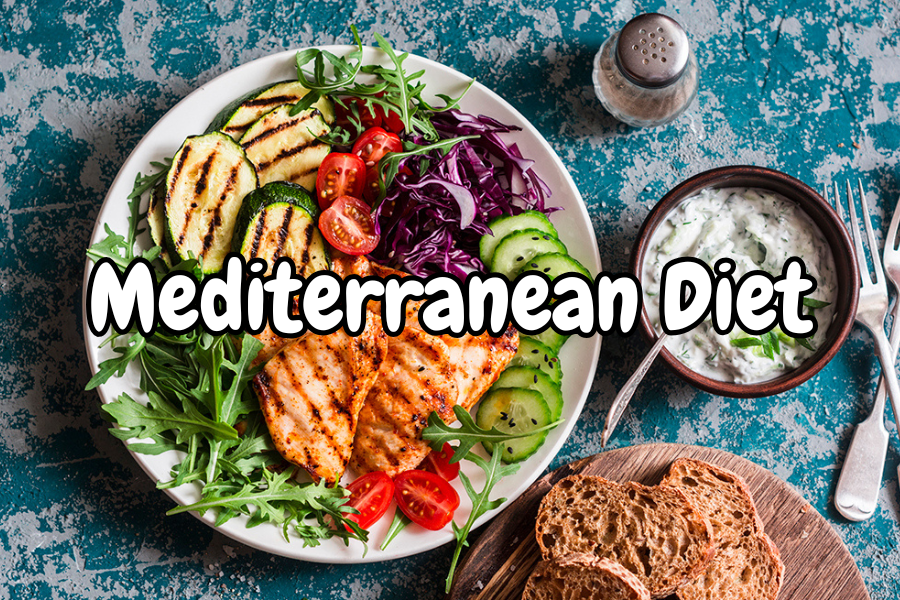
A Mediterranean diet can do more than inspire pretty dinner photos. The right Mediterranean diet recipes can help you lose weight, support your heart, and make everyday meals feel satisfying instead of restrictive. You rely on simple ingredients, healthy fats, and plenty of vegetables rather than complicated rules or calorie counting.
Below, you will find practical ideas and examples so you can start cooking in a Mediterranean style tonight, even if you are new to this way of eating.
Understand what makes a recipe “Mediterranean”
Before you change your grocery list, it helps to know what sets Mediterranean diet recipes apart from typical weeknight meals. The Mediterranean way of eating is based on traditional foods from countries around the Mediterranean Sea, focusing on vegetables, fruits, whole grains, beans, nuts, legumes, lean proteins from fish and poultry, olive oil, and some dairy, with flavor and the pleasure of the table at the center of every meal (The Mediterranean Dish).
Instead of building meals around red meat and processed foods, you shift the focus to plants and healthy fats. Extra virgin olive oil is a key ingredient, because it is rich in unsaturated fats and antioxidants that support heart, brain, and overall health, more than regular olive oil does (Cleveland Clinic).
If a recipe leans on these elements, limits added sugar and heavy processed items, and favors seafood or poultry over red meat, it likely fits within the Mediterranean diet pattern.
At its core, a Mediterranean recipe feels fresh, colorful, and simple, not fussy or restrictive.
Stock your Mediterranean pantry
Once you have a basic pantry in place, Mediterranean diet recipes become much easier to cook on busy days. Many classic dishes use similar staples in different combinations, so one shopping trip can cover several meals.
Aim to keep ingredients on hand from each of these groups so you can build balanced plates without much planning.
- Vegetables: tomatoes, cucumbers, leafy greens, onions, bell peppers, zucchini, broccoli
- Fruits: oranges, berries, grapes, apples, figs
- Whole grains: oats, quinoa, brown rice, whole wheat bread, whole grain pasta
- Legumes: chickpeas, lentils, white beans, black beans
- Healthy fats: extra virgin olive oil, olives, nuts, seeds
- Lean proteins: fish and seafood, skinless chicken, turkey, eggs
- Dairy: plain yogurt, feta, ricotta, and other cheeses in moderate amounts
- Flavor boosters: garlic, herbs, spices, lemon, vinegar
Mediterranean pantry essentials are simple and widely available, which makes meal planning much less stressful and keeps your ingredients flexible across breakfasts, lunches, and dinners (The Mediterranean Dish).
Start your day with Mediterranean breakfasts
Mediterranean diet recipes are not only about dinner. Breakfast can be one of the easiest places to shift your habits, because small changes add up quickly. Rather than sugary cereals or pastries, you focus on fiber, protein, and healthy fats to keep you full until lunch.
Popular Mediterranean breakfast ideas include Sheet Pan Eggs with vegetables, hummus on whole grain toast, shakshuka, and tahini banana shakes, which show how flexible this way of eating can be in the morning (The Mediterranean Dish).
If you like something cool and creamy, recipes such as Berry Chia Pudding or Fig and Ricotta Overnight Oats combine omega 3 rich chia seeds, fruit, and whole grains in a make ahead format that fits busy mornings (EatingWell).
You can keep things very simple. Try whole grain toast with a spread of hummus and sliced tomato, or a bowl of plain yogurt topped with berries, nuts, and a drizzle of extra virgin olive oil.
Build satisfying Mediterranean lunches
For lunch, Mediterranean diet recipes tend to layer vegetables, whole grains, and protein in bowls, salads, or sandwiches. This formula keeps you full, fuels your afternoon, and can naturally support weight loss because meals are high in fiber and often lower in calories than more processed options (EatingWell).
You might enjoy a Chickpea and Quinoa Bowl with roasted red pepper sauce, which packs plant based protein, whole grains, and flavor into a lunch you can take on the go (EatingWell). Pasta salad can fit the Mediterranean diet too, if you build it thoughtfully. A high protein pasta salad that combines cucumbers, cherry tomatoes, roasted red peppers, onions, chickpea pasta, whole chickpeas, fresh mozzarella, and a heart healthy vinaigrette checks many Mediterranean boxes in one bowl (EatingWell).
If you prefer something lighter, classic salads like Greek salad or tabouli rely on fresh vegetables, herbs, and olive oil and can become a full meal when you add beans, grilled chicken, or a side of whole grain bread (The Mediterranean Dish).
Make Mediterranean dinners in 30 minutes or less
Dinner is where Mediterranean diet recipes really shine, especially if you enjoy fish, seafood, or chicken. The Mediterranean diet emphasizes these lean proteins, along with vegetables and whole grains, and you can still have plates on the table in about half an hour. Many collections of Mediterranean dinners are specifically designed to be ready in 30 minutes or less and highlight ingredients like whole grains, vegetables, lean proteins, and heart healthy fats that are linked with improved heart and brain health (EatingWell).
Sheet pan and one pot meals are particularly helpful when you are tired. For example, Sheet Pan Chicken Thighs with Brussels Sprouts and Gnocchi roasts everything together with garlic, oregano, and red wine vinegar for a full Mediterranean style dinner in one pan (EatingWell). One Pot White Bean, Spinach, and Sun Dried Tomato Orzo blends pasta, protein packed beans, and vegetables in a creamy garlic and herb sauce, which delivers both comfort and nutrition in a single pot (EatingWell).
If you like bolder flavors, dishes such as a high protein balsamic chicken orzo, chicken fajita quinoa bowls, or Sheet Pan Salmon with broccoli use seasonings like citrus, herbs, and vinegar to make healthy ingredients feel exciting rather than bland (EatingWell).
Focus on fish and seafood more often
Fish and seafood sit at the center of many Mediterranean diet recipes, which is helpful if you want the health benefits of the diet without feeling deprived. The Mediterranean diet favors seafood over red meat and encourages you to limit processed meats in particular (Allrecipes).
You have a wide range of options. Greek baked cod with lemon and garlic, easy seafood paella, grilled shrimp with herbs, and sheet pan halibut are just a few examples of how you can combine fresh seafood with vegetables and olive oil for weeknight friendly meals (The Mediterranean Dish). Traditional recipes like Spanish Moroccan fish, which cooks white fish on a bed of onions, garlic, peppers, tomatoes, olives, and chickpeas, make it simple to meet your vegetable goals at the same time as your protein goals (Allrecipes).
If salmon is your favorite, you can try grilled Mediterranean salmon in foil with cherry tomatoes and tapenade, or lime harissa spicy salmon with potatoes and salad, both of which highlight how quickly seafood can cook while still aligning with Mediterranean principles (Allrecipes and The Mediterranean Dish).
Keep plant based recipes in the mix
Even though fish and poultry are welcome, many Mediterranean diet recipes are entirely plant based. This is helpful if you are vegetarian or if you simply want to add more meatless meals for health or budget reasons. The Mediterranean diet can be adapted to vegetarian preferences by skipping meat and fish and using nuts, beans, and legumes for protein instead (Cleveland Clinic).
Slow cooker Mediterranean stews with vegetables, white beans or chickpeas, greens, and olive oil are one example of a convenient plant centered meal that still feels hearty (EatingWell). Curried butter beans with spices, served alone or over brown rice, show how Mediterranean style flavors can comfortably overlap with other cuisines while keeping the focus on fiber and plant protein (EatingWell).
Simple sides like cucumber and tomato salad, tabouli, or classic hummus can also become the center of your plate when you add extra beans, grains, or a whole grain pita on the side (The Mediterranean Dish).
Adapt recipes to your needs
One of the reasons Mediterranean diet recipes work well long term is that they are easy to adjust to your preferences or medical needs. If you eat gluten free, you can usually swap whole wheat products for naturally gluten free grains like brown rice or quinoa. The Mediterranean diet can also support vegetarian or mostly plant based eating without sacrificing protein, as long as you lean on beans, nuts, seeds, and whole grains (Cleveland Clinic).
Most meals do not depend on a specific ingredient, which means you can adjust for allergies or availability. If a recipe calls for cod, you can often use another white fish. If you do not eat dairy, you might replace cheese with extra beans or avocado so the meal still feels satisfying. For tailored advice that accounts for your health history and goals, you can work with a dietitian or your primary care doctor to shape Mediterranean recipes into a personal meal plan (Cleveland Clinic).
Put it into practice this week
You do not have to overhaul every meal at once to benefit from Mediterranean diet recipes. Instead, choose one or two places where a small shift feels doable. You might start by cooking one seafood dinner and one plant based stew this week. Or you might focus on breakfast and simply swap your current routine for a yogurt and fruit bowl or shakshuka a few mornings.
Over time, as vegetables, whole grains, beans, fish, and extra virgin olive oil become your default ingredients, weight loss and better health become natural side effects rather than the sole focus. If you keep meals simple, colorful, and enjoyable, the Mediterranean diet becomes less of a diet and more of an everyday way of eating that you can maintain for years.
About the Author