Mediterranean diet for beginners: How it works and why it is so simple
If you are curious about the Mediterranean diet for beginners, you are probably looking for a way to eat healthier without strict rules or endless calorie counting. The good news is that this way of eating is flexible, flavor packed, and backed by a lot of research on long term health and weight management.
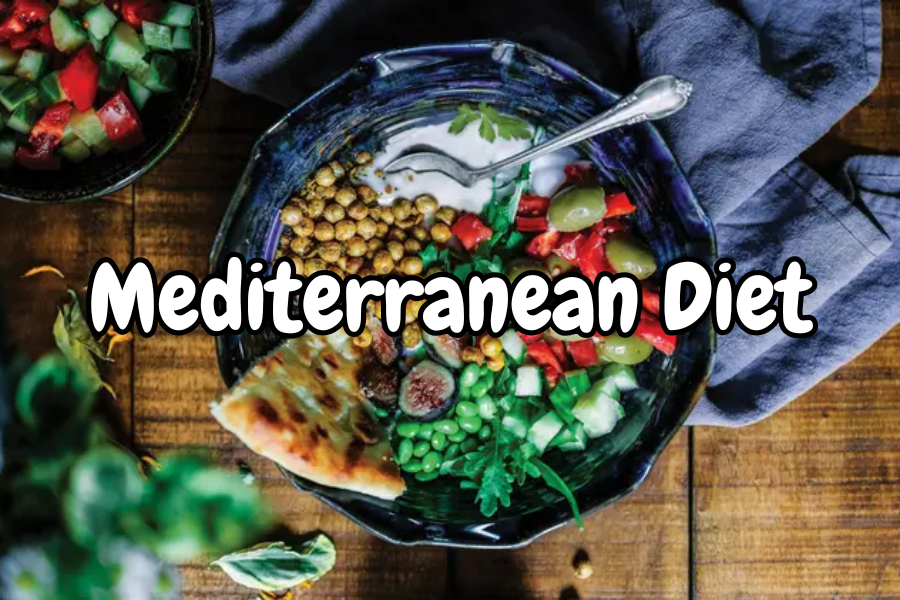
At its core, the Mediterranean diet is based on traditional foods from countries near the Mediterranean Sea, such as Greece, Italy, Spain, and France. It emphasizes vegetables, fruits, whole grains, beans, lentils, nuts, seeds, olive oil, and seafood, while limiting heavily processed foods, sweets, and red meat (Healthline, UC Davis Health).
Instead of being a strict diet, it works more like a lifestyle you ease into over time.
Understand the basics of the Mediterranean diet
The Mediterranean diet focuses on whole, minimally processed foods. You do not have to track every calorie or gram of protein to follow it. Unless you are managing blood sugar closely, there is no requirement to weigh your food or use an app to log meals (Healthline).
In simple terms, you eat more:
- Vegetables, such as chard, broccoli, tomatoes, peppers, and leafy greens
- Fruits, such as grapes, berries, citrus, and apples
- Whole grains, such as oats, brown rice, quinoa, buckwheat, and whole wheat
- Beans and lentils, such as chickpeas, black beans, and lentils
- Nuts and seeds, such as almonds, walnuts, sunflower seeds, and pumpkin seeds
- Healthy fats, mainly extra virgin olive oil, avocado, and olives
- Seafood, especially fatty fish like salmon or sardines
You eat fewer:
- Processed meats and red meat
- Refined grains, such as white bread or pastries
- Sugary drinks and desserts
- Ultra processed snacks that are high in sugar, salt, or unhealthy fats
This style of eating gives you fiber, vitamins, minerals, and healthy fats that support your heart and overall health (UC Davis Health).
Learn the key health benefits
You might be wondering why the Mediterranean diet gets so much attention. It is one of the most researched eating patterns in the world, and the results are impressive.
Studies link the Mediterranean diet to:
- A lower risk of heart disease and coronary artery disease, partly because it is rich in healthy fats and fiber and low in processed foods (Cleveland Clinic, Harvard Health Publishing)
- Better blood sugar control and a reduced risk of type 2 diabetes and metabolic syndrome (Harvard Health Publishing)
- Reduced risk of some cancers and depression, and in older adults, less frailty and better mental and physical function (Harvard Health Publishing)
- Improved brain health and fewer signs of Alzheimer’s disease changes in the brain in some older adults (EatingWell)
Because it prioritizes whole, satisfying foods and limits highly processed snacks and sugary drinks, it can also support weight loss or weight maintenance without counting every bite (UC Davis Health).
Focus on plant based foods and healthy fats
A Mediterranean style plate is built around plants, then rounded out with lean proteins and healthy fats.
What your plate could look like
Picture a typical meal:
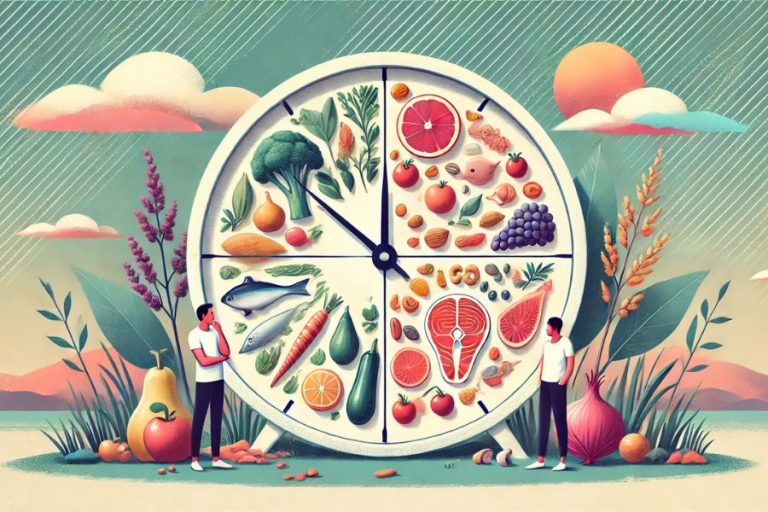
- Half the plate filled with vegetables, raw, roasted, sautéed, or in a salad
- A quarter of the plate with whole grains, such as brown rice, whole wheat couscous, or quinoa
- A quarter of the plate with protein like beans, lentils, fish, or poultry
- A drizzle of extra virgin olive oil or a sprinkle of nuts and seeds on top
This balance gives you steady energy, helps keep you full, and provides a mix of nutrients that support your heart, brain, and digestion.
Why extra virgin olive oil matters
In the Mediterranean diet, extra virgin olive oil (EVOO) is the main added fat. It replaces butter or margarine in most meals. EVOO has a healthier ratio of unsaturated to saturated fat and is rich in antioxidants that help protect your heart and brain and reduce inflammation (Cleveland Clinic).
You can use EVOO to:
- Sauté vegetables
- Toss with salads instead of creamy dressings
- Drizzle over cooked fish, beans, or whole grains
- Dip whole grain bread in it instead of spreading butter
Know which foods to enjoy and which to limit
You do not need a complicated rule book to follow a Mediterranean diet for beginners. Think in terms of “everyday foods” and “sometimes foods.”
Everyday foods
These are foods you will reach for most of the time:
- Vegetables and fruits in many colors
- Whole grains such as oats, brown rice, whole wheat pasta, and barley
- Beans, lentils, and peas
- Nuts and seeds in small handfuls
- Extra virgin olive oil as your main cooking fat
- Fish and seafood several times a week
- Moderate portions of poultry, eggs, and fermented dairy like yogurt or cheese (EatingWell)
Eggs fit into this pattern in moderation, around 2 to 4 servings per week, depending on your overall diet and health goals (Healthline).
Low to moderate amounts of red wine with meals can also be part of the traditional pattern for some adults, but only if you already drink and it is safe for you to do so (Healthline). If you do not drink, there is no need to start.
Sometimes foods
These are not “forbidden,” but you keep them in the background instead of the spotlight:
- Red meat, such as beef, pork, and lamb
- Processed meats like sausages or deli meats
- Refined grains, such as white bread, pastries, and many packaged snacks
- Sugary desserts and sweet drinks
- Foods that are very high in sodium and unhealthy fats (UC Davis Health)
Shifting your routine so that plant based foods and healthy fats become the default and these options become occasional treats can make a big difference for your health over time.
Adapt the Mediterranean diet to your needs
One reason this diet works so well for beginners is that it is flexible. You can adjust it if you are vegetarian, gluten free, or have other dietary needs.
If you follow a vegetarian pattern, you can rely on beans, lentils, nuts, seeds, and dairy or eggs for protein instead of meat or fish. If you need to avoid gluten, you can choose naturally gluten free grains like rice, quinoa, or buckwheat and swap out any wheat based products (Cleveland Clinic).
Because every person has different health conditions, medications, and activity levels, it is smart to talk with your doctor or a registered dietitian before making big changes. They can help tailor the Mediterranean diet to your medical history and preferences and help you build variety into your meal plans so you do not get bored (Cleveland Clinic).
Start with small, realistic changes
You do not have to overhaul your kitchen overnight. In fact, gradual changes tend to stick better. Health experts recommend starting with one or two easy shifts each week and building from there (Harvard Health Publishing, UC Davis Health).
Here are a few beginner friendly steps you can try:
-
Swap your cooking fat
Replace butter or vegetable oil with extra virgin olive oil for most of your cooking. It is a simple change that lines up your meals with Mediterranean principles right away (Cleveland Clinic). -
Add one extra serving of vegetables a day
Toss spinach into scrambled eggs, add a side salad to lunch, or roast a tray of mixed vegetables at dinner. -
Choose whole grains instead of refined grains
Trade white rice for brown rice once or twice a week, or pick whole wheat bread over white bread. -
Make beans or lentils a regular part of your week
Add chickpeas to salads, simmer a pot of lentil soup, or make a bean based chili. -
Plan one seafood dinner
Start with an easy baked salmon, shrimp stir fry, or tuna over a big salad. -
Keep nuts and fruit handy
Use a small handful of nuts and a piece of fruit as a snack instead of chips or candy.
As these habits feel more natural, you can add more changes, such as reducing red meat or planning Mediterranean style breakfasts.
Think beyond food: Lifestyle and enjoyment
The Mediterranean diet is not only about what is on your plate. It also reflects a way of living that values shared meals, simple home cooking, and regular movement.
People in Mediterranean regions tend to:
- Cook at home using basic, fresh ingredients
- Sit down to eat with family or friends whenever possible
- Treat meals as time to slow down instead of something to rush through
- Build movement into daily life, such as walking, biking, or climbing stairs (EatingWell, Harvard Health Publishing)
You can bring these ideas into your own life by:
- Choosing one or two nights a week for a home cooked dinner that you enjoy at the table
- Taking a short walk after meals when you can
- Turning off screens during dinner so you can focus on your food and company
These small lifestyle changes often make the eating pattern easier to stick with. When you enjoy the experience, you are more likely to keep going.
Think of the Mediterranean diet as a long term upgrade to how you eat and live, not a quick fix that ends in a few weeks.
Putting it all together
When you follow a Mediterranean diet for beginners, you are not signing up for a complicated plan. You are choosing:
- More vegetables, fruits, beans, whole grains, and nuts
- Extra virgin olive oil and seafood as regular staples
- Fewer processed foods, sweets, and red meat
- A slower, more intentional approach to meals, with simple recipes and shared time at the table
Research links this way of eating to better heart health, improved blood sugar control, a lower risk of several diseases, and even benefits for brain function and aging (Cleveland Clinic, Harvard Health Publishing, UC Davis Health).
You do not need to do everything at once. Pick one simple change to start today, like swapping in olive oil, adding a side salad, or planning a fish based dinner this week. As these steps build up, you will be following a Mediterranean diet without feeling like you are on a “diet” at all.
About the Author