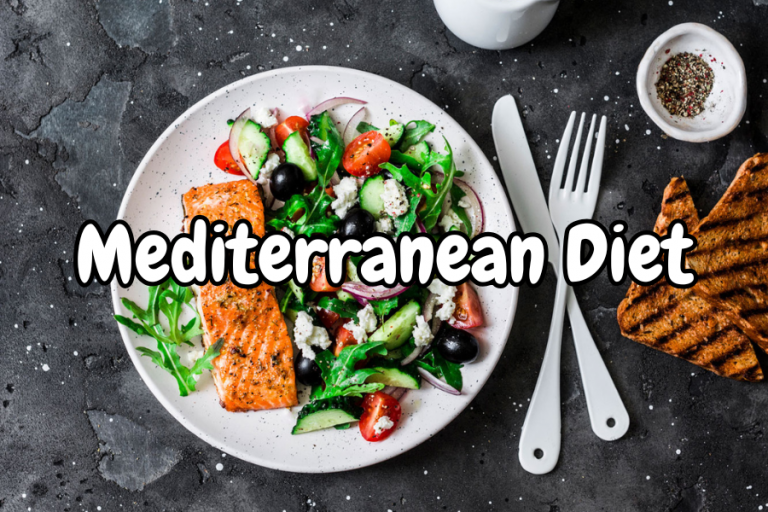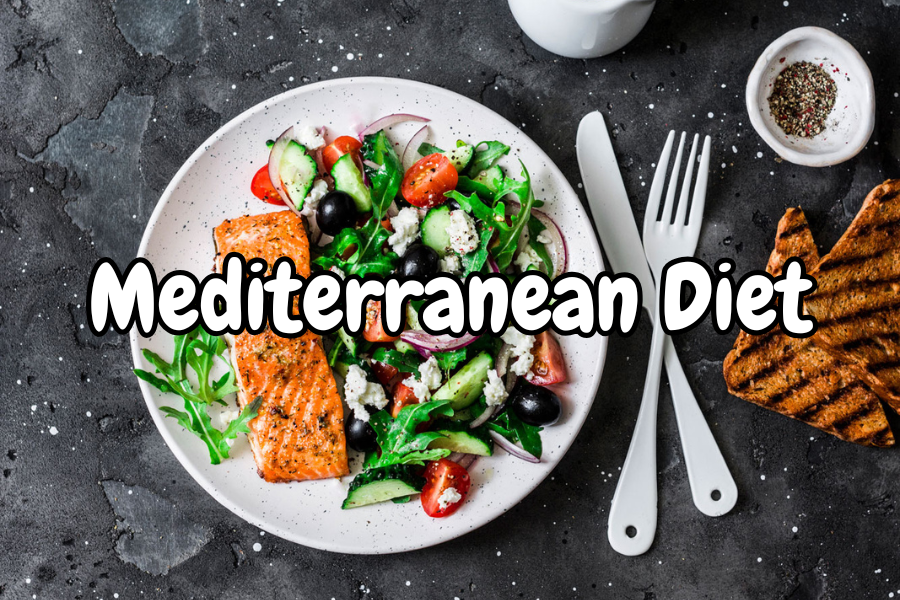
A Mediterranean style dinner can be on your table in 30 minutes or less, and you do not need exotic ingredients or chef skills to get there. With the right Mediterranean diet dinner recipes, you can eat in a way that supports weight loss, heart health, and better energy, while still enjoying comforting, colorful food.
Below you will find easy ideas you can cook tonight, plus simple tips to keep your dinners both fast and healthy.
Understand what makes a dinner “Mediterranean”
Before you start cooking, it helps to know what gives Mediterranean diet dinner recipes their health edge.
You are generally looking for meals that prioritize:
- Plenty of vegetables
- Whole grains like quinoa, farro, or whole wheat pasta
- Beans and lentils for extra fiber and protein
- Seafood or occasional lean poultry
- Generous but reasonable amounts of extra virgin olive oil
- Fresh herbs, garlic, lemon, and spices for flavor instead of heavy sauces
This style of eating is built around whole, minimally processed foods with very little added sugar and limited red meat, which is why it consistently ranks as a top overall diet for long term health and wellness (FoodieCrush).
Once you have these building blocks in mind, you can mix and match them into quick weeknight dinners.
Make fast one pan and skillet meals
When you are tired and hungry, one pan recipes are the easiest way to stay on track.
Shakshuka for breakfast, lunch, or dinner
Shakshuka is a simple dish of eggs poached in a spiced tomato and pepper sauce. It is highlighted as a fast, comforting, and inexpensive option that can serve two people, and the leftover sauce doubles as breakfast the next day (The Mediterranean Dish).
To make it quickly, you sauté onion, garlic, and bell pepper, add canned tomatoes and spices like cumin and paprika, then simmer and crack eggs directly into the pan until set. Serve with a small side of whole grain bread or a scoop of chickpeas if you want more fiber.
You get protein from the eggs, vegetables in every bite, and a very satisfying meal in under 30 minutes.
Creamy but light chicken and grain skillets
If you enjoy pasta or grains, look for skillet meals that balance them with lean protein and vegetables. A good example is a high protein balsamic chicken orzo, which combines chicken, plenty of vegetables, and pasta in a creamy skillet sauce finished with balsamic vinegar and fresh chives (EatingWell).
To keep this style of dish aligned with your goals, you can:
- Use whole wheat orzo or another whole grain when possible
- Load the pan with extra vegetables like spinach, zucchini, or cherry tomatoes
- Let herbs, garlic, and a splash of vinegar or lemon provide brightness instead of lots of cream
You end up with the comfort of a creamy skillet dinner without feeling overly full or weighed down.
Rely on quick seafood dinners
Seafood is a central part of Mediterranean diet dinner recipes, and it is one of the easiest proteins to cook because it is done in minutes. Many traditional fish recipes use the same simple flavor pattern: extra virgin olive oil, lemon, garlic, and fresh herbs like parsley or oregano (The Perfect Tide).
Sheet pan salmon and cod
A sheet pan meal turns salmon or white fish into a complete Mediterranean dinner with almost no cleanup.
For inspiration, you can model your meal on recipes like:
- Sheet pan salmon with broccoli, roasted with lemon, garlic, and olive oil for a fresh and fast weeknight dinner (EatingWell)
- Lemon and garlic baked cod, which is popular for its juicy, flaky texture and light savory flavor and pairs well with a simple Greek salad (The Mediterranean Dish)
Toss your vegetables in olive oil and season them, arrange them on a pan, add the fish on top or alongside, then roast until the fish flakes. You get protein, fiber, and healthy fats all in one go.
Flavor packed skillet shrimp
Shrimp cooks very quickly, which makes it ideal for nights when you want dinner in under 20 minutes. A simple sautéed shrimp with garlic and lemon is praised as a quick back pocket recipe that you can pair with a fast pasta or grain side for a complete Mediterranean style dinner (The Mediterranean Dish).
To keep portions balanced:
- Fill half your plate with vegetables
- Save about a quarter for shrimp
- Use the last quarter for a whole grain like quinoa or farro
This keeps the focus on plants while still giving you enough protein and satisfaction.
Simple rule of thumb: if your seafood dinner includes olive oil, vegetables, herbs, and a whole grain or bean, you are already very close to a textbook Mediterranean plate.
Try plant forward dinners that still feel hearty
You do not need meat or fish every night to follow the Mediterranean diet. In fact, many classic dishes from Greece, Italy, and North Africa are naturally vegetarian and focus on vegetables and legumes.
Mediterranean vegetarian dinners range from Greek Briam, which combines summer vegetables baked with herbs and extra virgin olive oil, to stuffed grape leaves, lentil soups, and baked vegetable pies that feel surprisingly filling (Mediterranean Living).
Beans, lentils, and hearty soups
Beans and legumes are a major protein source across the region. Traditional dishes like Greek white bean soup, also called Fasolada, and Moroccan Harira, a lentil and chickpea soup, are both healthy and protein rich and they make excellent dinner choices when you want something warm and inexpensive (Mediterranean Living).
To turn a pot of soup into a balanced weight friendly meal, you can:
- Add extra leafy greens like spinach or kale during the last few minutes of cooking
- Stir in whole grains such as barley or farro if you need more staying power
- Finish with a drizzle of olive oil for richness and to help you absorb fat soluble nutrients
Slow cooker minestrone is another good example. It uses mixed vegetables cooked low and slow, creates excellent leftovers, and often skips bread to keep carbs more controlled (The Kitchn).
Stuffed vegetables and grain salads
Stuffed vegetables are a staple in Mediterranean homes for a reason. They let you combine grains, herbs, and sometimes cheese or nuts in a way that feels indulgent but still aligns with your goals.
Examples include:
- Stuffed sweet potatoes prepared ahead of time, then reheated and topped with Mediterranean inspired fillings on busy weeknights (The Kitchn)
- Zucchini pie with feta from Crete or stuffed grape leaves, which rely on local ingredients and generous amounts of olive oil for flavor (Mediterranean Living)
Hearty grain salads also fit well into your dinner rotation. A farro salad with roasted eggplant, caramelized onion, and pine nuts can be made more substantial with avocado or protein rich white beans or chickpeas (The Kitchn).
These dishes keep you full through fiber, volume, and healthy fats, not heavy sauces.
Build simple bowls and big salads
When you want a Mediterranean diet dinner with almost no cooking, bowls and salads are your best friend. You simply layer a whole grain or leafy greens with vegetables, a protein, and a healthy fat.
A chicken fajita quinoa bowl is a good example. It uses chicken thighs, bell peppers, onions, bold spices, fluffy quinoa, and a creamy spiced yogurt sauce to create a hearty, flavorful dinner that hits all the major nutrient groups (EatingWell).
Classic composed salads also count as full meals. Nicoise salad, made with canned tuna, potatoes, green beans, olives, and a simple mustard dressing, is highlighted as a wholesome and easy Mediterranean dinner choice (Allrecipes).
To adapt this bowl and salad approach any night:
- Start with a base of greens or a cooked grain.
- Add at least two colorful vegetables.
- Include a lean protein such as beans, tuna, salmon, or grilled chicken.
- Finish with a drizzle of olive oil, a squeeze of lemon, and herbs.
You get a full spectrum of textures and flavors with minimal effort.
Keep your dinners aligned with health and weight goals
The Mediterranean diet is not a strict plan. Instead, it encourages balance, portion awareness, and an emphasis on real food. That flexibility is one reason it is considered sustainable and accessible for both omnivores and vegetarians (FoodieCrush).
To keep your quick dinners working for you, not against you, focus on a few habits:
- Fill at least half your plate with vegetables, cooked or raw.
- Choose whole grains over refined versions most nights.
- Aim for seafood a couple of times a week and rely on beans and lentils on others (The Kitchn).
- Use extra virgin olive oil as your main cooking fat, especially on vegetables and salads (Mediterranean Living).
- Finish meals with fruit if you want something sweet instead of dessert with added sugar.
You do not need to prepare elaborate spreads to benefit from this way of eating. Even simple recipes like grilled Mediterranean salmon in foil with cherry tomatoes and tapenade, a quick spicy salmon with harissa and lime, or a basic baked halibut with a topping of zucchini, tomatoes, onions, garlic, and feta can become regulars in your rotation (Allrecipes, The Mediterranean Dish).
Putting it into practice tonight
If you are ready to try Mediterranean diet dinner recipes this evening, choose one starting point:
- Crack eggs into a pan of simmering tomato sauce for a fast shakshuka.
- Roast salmon and broccoli on a single sheet pan with lemon and olive oil.
- Simmer a pot of bean or lentil soup and serve it with a green salad.
- Build a grain bowl with leftover quinoa, chopped vegetables, and a can of tuna or chickpeas.
Pick one idea, keep the ingredients simple, and notice how satisfying a colorful, Mediterranean inspired plate can feel. Over time, these quick dinners can become the foundation of a way of eating that supports your weight and your long term health, without sacrificing flavor.
About the Author