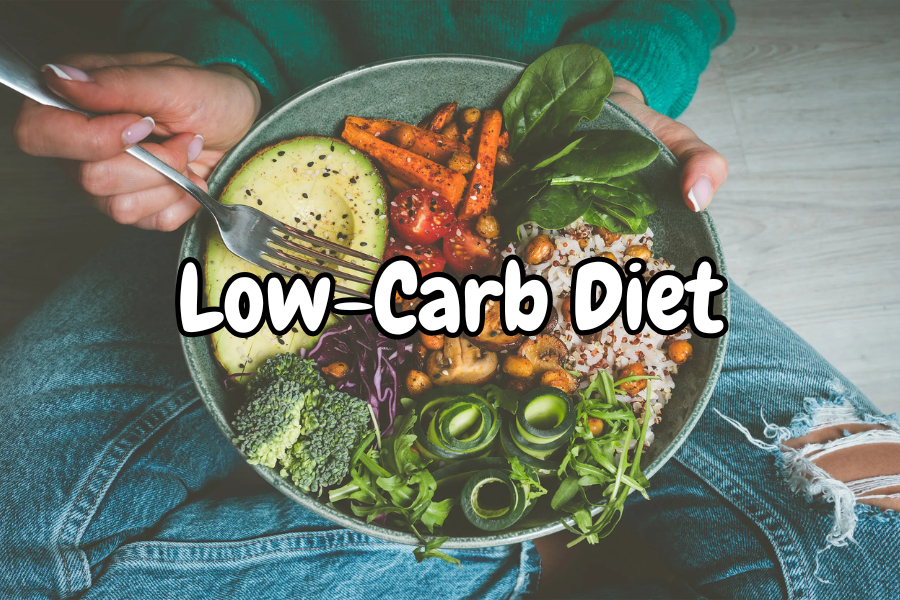
A low carb diet vegetarian style might sound complicated at first, especially if you grew up thinking “low carb” means steak and eggs at every meal. In reality, you can thrive on a low carb vegetarian plan, lose weight, and support your health without giving up your values or your favorite plant foods. The key is learning which carbs to cut back on and which plant based proteins and fats to lean on instead.
Below you will find practical tips, sample food ideas, and science backed context so you can build a way of eating that feels satisfying and sustainable.
Understand what “low carb vegetarian” really means
Before you start changing your plate, it helps to know what you are aiming for. A low carb diet vegetarian approach does not have one single definition. Instead, it exists on a spectrum.
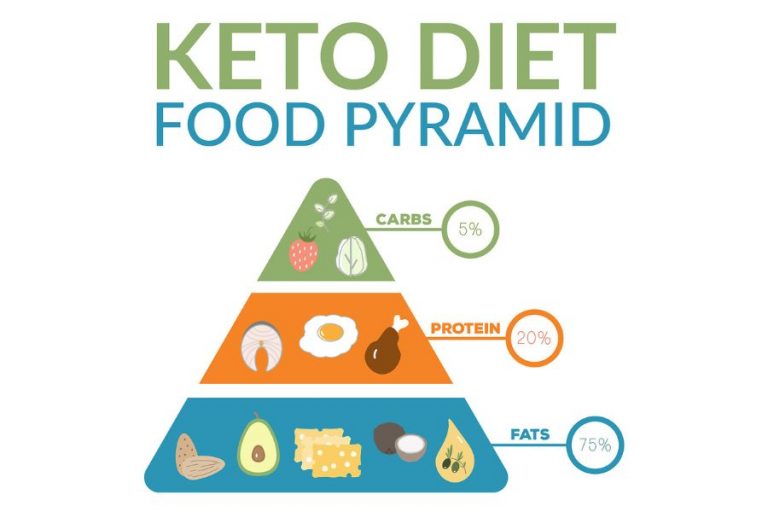
Many low carb plans keep carbs under about 20 percent of daily calories. That often means limiting bread, pasta, sugary snacks, and large portions of grains or starchy vegetables, while focusing on protein and healthy fats. Very strict low carb diets can lead to quick weight loss but can also increase the risk of nutrient gaps if you are not careful about fruits, vegetables, and whole grains (Healthy For Life Meals).
If you are vegetarian and especially if you are vegan, you probably will not want to go to extreme lows. For many vegetarians, staying somewhere under about 100 grams of carbohydrate per day is realistic. Vegans tend to do better in the 100 to 150 gram range because more of their proteins, like beans and lentils, naturally come with carbs (Healthline).
The sweet spot for you depends on your health, activity level, and how you feel. Instead of chasing a perfect number, think about shifting your plate away from refined starches and sugars and toward:
- Protein rich vegetarian foods
- Higher fat plant foods and dairy if you eat it
- Low carb vegetables in generous portions
That alone moves you into “lower carb” territory without a strict rulebook.
Weigh the benefits and drawbacks
A low carb diet vegetarian pattern can offer real benefits. Over 23 studies have found that low carb diets often help people lose weight without needing to count calories, since eating fewer carbs tends to reduce appetite naturally and lower overall intake (Healthline). These diets also tend to improve several health markers, such as belly fat, triglycerides, HDL cholesterol, blood pressure, and blood sugar, especially in people with obesity, metabolic syndrome, or type 2 diabetes (Healthline).
If you follow a vegetarian diet, you already have some health advantages. Well planned vegetarian diets are linked with lower blood pressure and healthier levels of cholesterol and blood sugar, and they are associated with reduced risks of type 2 diabetes and cardiovascular disease (NCBI). When you pair vegetarian eating with lower intakes of refined carbs and added sugars, you often get the best of both worlds.
At the same time, very low carb diets come with trade offs. Cutting back hard on fruits, whole grains, and legumes can reduce your intake of vitamin C, potassium, and fiber, all of which support immunity, digestion, and a healthy gut microbiome (Healthy For Life Meals). Your brain prefers glucose as an energy source, so a severe and prolonged carb restriction can sometimes lead to fatigue, irritability, and fuzzy thinking (Healthy For Life Meals). Long term, your metabolism may adapt to large calorie cuts, which can make further weight loss more difficult if intake stays very low (Healthy For Life Meals).
The takeaway is not that low carb is “good” or “bad,” but that you should respect the trade offs. You can lower carbs enough to see benefits without stripping your plate of colorful plants and fiber.
Think of your carb goal as a dimmer switch instead of an on off button. You control how bright or low it goes.
Choose the right vegetarian proteins
Protein is the anchor of a low carb diet vegetarian style. It keeps you full, helps maintain muscle as you lose weight, and prevents your plate from turning into only cheese or only salad.
If you eat eggs and dairy (lacto ovo vegetarian), you have many low carb, high protein options. Eggs and most dairy products are naturally low in carbohydrate and high in protein and fat, and they bring vitamin B12, which you cannot get from unfortified plant foods (Healthline).
Some standout low carb vegetarian protein sources include:
- Eggs, about 6 grams of protein and only 0.6 grams of carbs per cooked egg (Camille Styles)
- Paneer, roughly 21 grams of protein and 3.5 grams of carbs per 3.5 ounce serving (Camille Styles)
- Halloumi cheese, about 7 grams of protein with 0 grams of carbs per ounce (Camille Styles)
- Tempeh, a fermented soy product that offers about 34 grams of protein and 13 grams of carbs per cup (Camille Styles)
Soy products, especially tempeh, are often considered the best low carb vegetarian source of both protein and fat, which makes them very valuable if you do not eat meat or fish (Arizona Gynecology Consultants).
If you are vegan, you will lean more heavily on tempeh, tofu, unsweetened soy yogurt, and smaller portions of higher carb legumes like lentils and chickpeas. You can still keep your overall carbs moderate by pairing those foods with plenty of low starch vegetables and healthy fats.
Prioritize low carb vegetables and smart carbs
Vegetables do not disappear on a low carb diet vegetarian plan. They simply shift. You will emphasize non starchy varieties and treat starchier choices as accents instead of the base of every meal.
Low carb vegetables that can fill most of your plate include:
- Leafy greens like spinach, kale, and romaine
- Cruciferous vegetables such as broccoli, cauliflower, cabbage, and Brussels sprouts
- Zucchini, eggplant, peppers, and tomatoes
- Mushrooms, cucumbers, and green beans
These foods provide fiber, antioxidants, and volume for very few carbs. For example, cauliflower can stand in for rice or mashed potatoes, and zucchini ribbons make a light alternative to pasta. Dishes like broccoli “fried rice” made with finely chopped or riced broccoli instead of grains are a practical, filling low carb vegetarian meal. You can add nuts, extra vegetables, and eggs if you are not vegan for more protein and texture (Arizona Gynecology Consultants).
Starchy vegetables such as potatoes, corn, peas, and winter squash can still appear, just in smaller portions. The same goes for whole grains like quinoa, oats, or brown rice. If you are trying to keep carbs fairly low, think of these foods as quarter plate portions or occasional sides.
Balance your plate for weight loss and energy
Once you know your protein and veggie options, you can start building balanced low carb meals. The structure of your plate does more for your success than any single “superfood.”
A helpful template looks like this:
- Half your plate non starchy vegetables
- One quarter plate protein rich foods
- One quarter plate healthy fats with or without a small serving of smart carbs
Healthy fats keep you full and stabilize your blood sugar. As a vegetarian, you can choose from avocados, nuts, seeds, olives, olive oil, and full fat dairy if it agrees with you. Lacto ovo vegetarians can also rely on cheese and yogurt, as long as they are unsweetened and portioned reasonably (Arizona Gynecology Consultants).
With this structure, a day of eating might look like:
- Breakfast: Veggie omelet with spinach, mushrooms, and feta plus half an avocado
- Lunch: Tempeh and roasted vegetable salad with olive oil and lemon dressing
- Snack: Plain Greek yogurt topped with a small handful of nuts
- Dinner: Grilled cauliflower “steaks” with Romesco sauce and a side of leafy greens, a combination that offers flavor, fiber, and low carb satisfaction (Arizona Gynecology Consultants)
You can adjust your carb portions within this framework depending on whether you want to be lower or more moderate carb.
Use research to find your best carb level
There is plenty of debate about low carb versus higher carb, especially for weight loss and blood sugar. The reality is that more than one approach can work. A 2021 National Institutes of Health study compared a low fat, plant based, high carbohydrate diet with a low carbohydrate, animal based diet in adults. Participants ate about 550 to 700 fewer calories per day on the plant based high carb diet and lost body fat only on that plan, even though both diets led to some weight loss (NIH).
In that study, the low fat plant diet was around 75 percent carbohydrate and still supported an overall calorie reduction and fat loss, despite higher blood glucose and insulin levels. The low carb, animal based diet provided lower and steadier insulin and glucose, which can be helpful if your main concern is blood sugar control (NIH).
Other clinical trials show that vegetarian diets in general, when based on whole, minimally processed foods, can reduce blood pressure, body weight, LDL cholesterol, and HbA1c, and can improve insulin sensitivity (NCBI). A low fat vegan diet in particular has outperformed a standard diabetes diet in terms of improvements in HbA1c, weight, LDL cholesterol, and reduction in medication needs for people with type 2 diabetes (NCBI).
What this means for you: you do not have to go extremely low carb to see progress. Many people do well on a plant rich diet that simply limits refined carbs, sugars, and ultra processed foods. Others feel and perform better with carbs kept more moderate. A nutrition tracker like Cron o meter can help you see how much carbohydrate, protein, and fat you are eating now so you can adjust gradually and watch how your body responds (Healthline).
Protect nutrients that are easy to miss
Whenever you limit food groups, it becomes even more important to watch for nutrient gaps. This is true for low carb diets and for vegetarian diets, so the combination deserves extra thought.
Key nutrients to pay attention to include:
- Vitamin B12, which is not naturally present in plant foods. Vegetarians usually rely on dairy, eggs, or supplements to meet their needs. Without it, you are at risk for megaloblastic anemia and nerve problems (NCBI).
- Iron and zinc, which are present in plant foods but are less easily absorbed than from animal sources. Including soaked or sprouted legumes, seeds, nuts, and fortified foods and pairing them with vitamin C rich vegetables helps.
- Calcium, especially if you reduce or avoid dairy. Leafy greens, fortified plant milks, tofu made with calcium, and supplements can all help you meet your requirement.
- Fiber, which is often reduced on very low carb diets. Fiber is critical for your gut microbiome, regular digestion, and long term metabolic health. Insufficient fiber is linked with higher risks of inflammation, obesity, and diabetes (Healthy For Life Meals).
If you keep vegetables, some legumes, and possibly small portions of whole grains in your low carb plan, you can protect your fiber and micronutrient intake while still limiting high sugar foods and refined starches.
Make your low carb vegetarian plan sustainable
The best low carb diet vegetarian plan is the one you can see yourself following in some form next year, not just next month (HealthWellnessUS). A few final habits help you stay consistent:
- Adjust slowly. Decrease carb dense foods one meal at a time and add extra protein and non starchy vegetables in their place.
- Watch how you feel. Energy, mood, sleep, digestion, and cravings are all feedback. It is reasonable to tweak your carb level based on these signals.
- Focus on quality. Vegetarian diets that are low in refined carbs and unhealthy fats but rich in whole grains, legumes, and vegetables are associated with lower colorectal cancer risk, while “junk food” vegetarian diets high in refined starch and sugar increase health risks (NCBI). The same idea applies in a lower carb version.
- Plan satisfying meals. Use herbs, spices, sauces, and textures so your food tastes good. Recipes like paneer tikka kebabs, crispy halloumi salads, or tempeh grain bowls with lots of vegetables show that low carb can still be flavorful and varied (Camille Styles).
You do not need a perfect day of eating to benefit from a low carb diet vegetarian style. Start by changing just one meal, such as trading your usual pasta dinner for a tempeh and veggie stir fry or roasted cauliflower steaks with a rich sauce. As those changes become routine, you can keep refining until your plate supports both your health goals and your values.
About the Author