A well planned keto diet can help you lose weight and improve markers like blood sugar and triglycerides, but small mistakes can stall your progress or make you feel awful. When your keto diet plan is built on good information, you are much more likely to reach ketosis and stay there comfortably.
Below are common missteps you can avoid so keto feels sustainable instead of punishing.
Ignoring what keto actually is
If your goal is a solid keto diet plan, you need a clear definition of what you are doing and why. Keto is not just “low carb” or “cutting sugar.” It is a very low carbohydrate, high fat eating pattern that pushes your body into ketosis, a state where you burn mostly fat for fuel instead of glucose. Your liver produces ketones, which become a major energy source for your brain and muscles (UC Davis Health, Healthline).
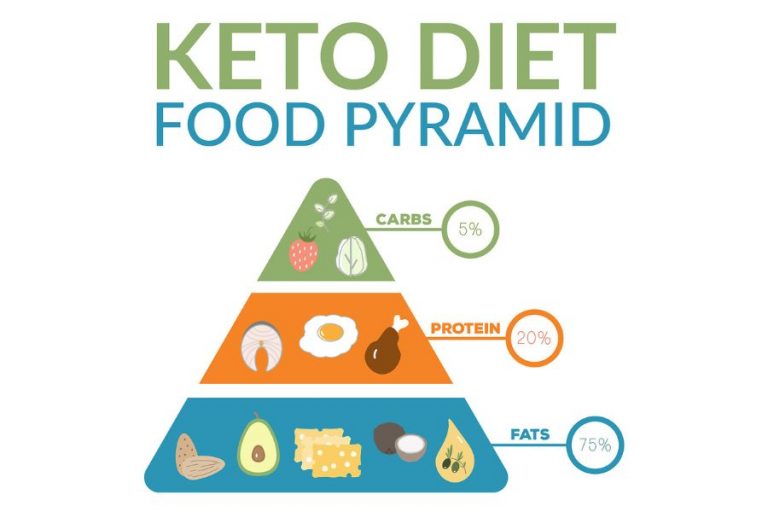
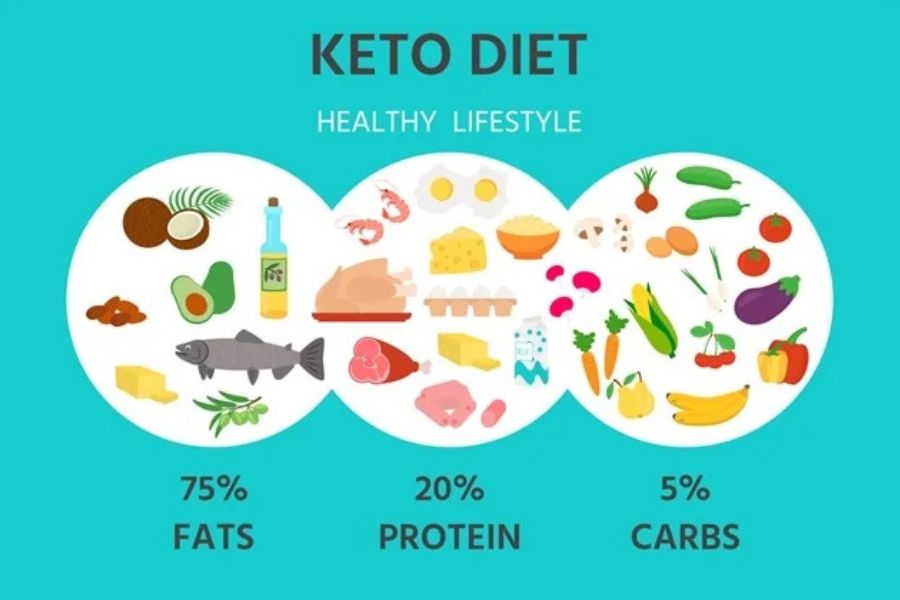
Most people reach ketosis by limiting carbs to about 20 to 50 grams per day, keeping fat at roughly 70 to 80 percent of total calories and protein at about 10 to 20 percent (Healthline, Everyday Health). If you do not work within these ballpark numbers, you are not really doing keto, which can lead to frustration when the results do not match your effort.
Underestimating your carb intake
One of the fastest ways to derail your keto diet plan is “hidden carbs.” You may feel like you hardly eat any bread or pasta, yet your daily carbs still creep well above keto levels. That usually happens when you eyeball portions, skip labels, or forget about condiments and drinks.
Common surprise sources of carbs include flavored yogurt, sweetened coffee drinks, “healthy” granola bars, ketchup, barbecue sauce, and fruit juices. Even starchy vegetables like potatoes, corn, and peas or high sugar fruits such as bananas and grapes can quickly push your intake over the limit (Healthline).
For at least the first few weeks, track what you eat using a food scale and a tracking app so you see exactly how many grams of net carbs you get each day. Once you are familiar with portions, you can relax a bit, but in the beginning you cannot manage what you do not measure.
Choosing low fat instead of high fat
If you have spent years avoiding fat, eating more of it can feel wrong. You might be tempted to keep buying low fat yogurt, reduced fat cheese, and diet products while simply cutting carbs. The problem is that classic keto relies on fat as your main fuel source. Low fat products are usually higher in sugar and do not support ketosis, so your energy crashes and cravings increase (Healthline).
A keto diet plan works best when you focus on higher fat foods: eggs, fattier cuts of meat, full fat yogurt and cheese, nuts, seeds, olive oil, avocado, and fatty fish like salmon or sardines (Healthline, Northwestern Medicine). You should still prioritize heart healthy fats such as olive oil, avocado, and fish rather than relying only on butter and processed meats (Northwestern Medicine).
If you cut carbs without giving yourself enough fat, you are likely to feel hungry, tired, and deprived, which makes the plan hard to stick with.
Eating as much protein as you want
Many people assume keto is “all the meat you can eat.” In reality, protein is moderate, not unlimited. A very high protein intake can interfere with ketosis because your body can convert some amino acids from protein into glucose. You may still lose weight if you create a calorie deficit, but you will not get the full metabolic effects of keto.
Most keto guidelines suggest 10 to 20 percent of total calories from protein, which is usually enough to support muscle maintenance without knocking you out of ketosis (Everyday Health). Variations like the Modified Atkins Diet allow more protein, but they are still low in carbs and structured (UC Davis Health).
If your plate is piled high with lean chicken breasts and steak and only a drizzle of fat, you might be closer to a low carb, high protein diet than to true keto. You can adjust by adding more healthy fats and slightly trimming protein portions.
Ignoring fiber, vitamins, and minerals
Because a strict keto diet limits grains, beans, many fruits, and some vegetables, it is easy to come up short on fiber, certain vitamins, and minerals. That is why research has linked poorly planned keto diets to low intakes of folate, vitamin C, magnesium, and fiber (Everyday Health). Over time, that can affect digestion, energy, bone health, and overall wellness.
You can reduce this risk by building your keto meals around nutrient dense, lower carb plants. That means leafy greens, broccoli, cauliflower, Brussels sprouts, zucchini, peppers, mushrooms, asparagus, and small portions of berries. Including nuts, seeds, and avocado boosts both fiber and healthy fats. Some people also use a multivitamin or targeted supplements, especially for magnesium and electrolytes, but it is better to start with food and talk to a healthcare professional about your specific needs.
If you find your digestion slows down or you feel unusually fatigued, that is a sign to revisit your vegetable intake and not just your carb total.
Expecting fast, effortless fat loss
You have probably seen stories of dramatic weight loss on keto. It is true that the diet can support weight loss and in some studies has led to slightly more weight loss than low fat diets, often with lower triglycerides and blood pressure (Healthline). However, the initial drop on the scale is mostly water as glycogen stores are depleted, not pure fat loss (Northwestern Medicine).
Long term fat loss still depends on an overall calorie deficit. Keto can make that easier because many people feel less hungry on a high fat, low carb diet, but it is not magic. If you treat keto as “eat unlimited bacon and cheese,” your calories may quietly creep up and weight loss will stall.
Viewing keto as a helpful tool instead of a miracle cure keeps your expectations grounded. That realistic mindset makes it easier to stay consistent when progress slows down.
Think of keto as a structured framework, not a free pass. Your food choices still matter, and your body still follows the basic rules of energy balance.
Pushing through severe “keto flu”
As your body switches from burning carbs to burning fat, you may experience a short period of “keto flu.” Symptoms can include fatigue, headache, constipation or diarrhea, irritability, and trouble focusing. This usually happens in the first days of sharply cutting carbs (Healthline).
Trying to power through intense symptoms without adjustments can make you abandon your keto diet plan entirely. A gentler approach helps. You can ease into lower carbs over a week or two instead of dropping to 20 grams overnight. Drinking extra water, lightly salting your food, and possibly using electrolyte supplements can also reduce symptoms because you tend to lose more sodium and water when insulin levels fall.
If you feel extremely unwell, or if you have health conditions like diabetes, heart disease, or kidney problems, you should contact your doctor rather than assuming discomfort is simply “part of keto” (Northwestern Medicine).
Overlooking your medical conditions
Keto started as a medical therapy to help reduce seizures in children with epilepsy who did not respond to medications, and it is still used for that purpose today (UC Davis Health). Today many adults use keto for weight loss or blood sugar control, and there is evidence it can improve insulin sensitivity and lower A1C in some people with type 2 diabetes or prediabetes (Healthline, Everyday Health).
However, that does not mean keto is automatically safe for everyone. Very low carb, high fat diets can change cholesterol levels, sometimes raising LDL cholesterol, and may affect heart and kidney health in some people (UC Davis Health, Northwestern Medicine). If you use blood pressure or blood sugar medication, shifting to keto can also lower both quickly, which can be dangerous without medical supervision (Northwestern Medicine).
Before committing to a strict keto diet plan, it is smart to discuss it with your healthcare provider, especially if you have diabetes, cardiovascular disease, kidney issues, or a history of disordered eating. That conversation helps you decide whether keto is appropriate for you and how to monitor your health while you follow it.
Forgetting about mental and emotional health
Because keto can require detailed tracking and strict rules, it may not be the best fit if you have struggled with binge eating, restriction, or obsessive food thoughts. Carefully monitoring every bite and focusing intensely on “good” and “bad” foods can sometimes trigger or worsen disordered eating patterns (Northwestern Medicine).
Your keto diet plan should support your overall wellbeing, not just the number on the scale. If you notice that social events, family meals, or your mood are suffering because of rigidity, that is valuable feedback. You can consider a less strict low carb approach, a different eating pattern such as a Mediterranean style diet, or work with a registered dietitian to find a plan that respects both your physical and mental health.
Training intensely with very low carbs
If you enjoy high intensity workouts, you might assume that keto will automatically improve your performance because your body will “burn fat for fuel.” In reality, high intensity exercise still relies heavily on carbohydrates, and strict keto tends to impair performance in these activities for most people (UC Davis Health). Research also suggests that keto can increase lean tissue loss compared with higher carb diets, which is not ideal if you want to maintain muscle mass while losing fat (UC Davis Health).
If you do a lot of sprinting, heavy lifting, or intense sports, you may feel slower and weaker on very low carbs. Some athletic people do better with a modified low carb or cyclical approach rather than classic keto. It is important to pay attention to how your body responds instead of forcing a diet that clashes with your training.
Skipping planning and structure
Keto looks simple on paper but real life is full of work lunches, trips, and busy evenings. Without some basic planning, it is easy to miss meals, grab whatever is available, or end up eating a mix of convenience foods that are technically low carb but not very nutritious. Over time, that pattern can worsen the nutrient gaps and side effects identified in research (Everyday Health).
You do not need a complicated meal prep routine, just a loose structure. For example, you can aim for a pattern like this most days:
- Breakfast built on eggs or full fat yogurt plus low carb vegetables or berries
- Lunch with a leafy green base, a fatty protein such as salmon, chicken thighs, or tofu cooked in oil, and a sprinkle of nuts or cheese
- Dinner with a palm sized portion of protein, a generous serving of non starchy vegetables, and added fat such as olive oil, avocado, or butter
Keeping a few keto friendly staples on hand, like canned tuna, frozen vegetables, nuts, and olive oil, helps you build quick meals when you are short on time.
Putting it all together
A thoughtful keto diet plan can be a useful tool for weight loss, blood sugar control, and appetite management, but it is not a quick fix and it is not risk free. When you understand how keto works, keep your carbs genuinely low, prioritize healthy fats and fiber rich vegetables, and stay aware of your personal health conditions, you give yourself the best chance of feeling and performing well.
You do not need to fix everything at once. Start by choosing one mistake to address this week, such as tracking your carb intake more accurately or planning two simple, veggie rich keto dinners. As you adjust and observe how your body responds, you can refine your approach so keto supports your life instead of running it.
About the Author