A well planned list of keto diet foods can make your plate feel full, flavorful, and satisfying, not restricted. By focusing on foods that are naturally low in carbs and rich in healthy fats, you can support weight loss and better blood sugar control while still enjoying meals you look forward to eating. The key is choosing ingredients that help you stay in ketosis, the metabolic state where your body uses fat for fuel instead of glucose (UC Davis Health).
Below, you will find practical guidance on which keto diet foods to prioritize, which ones to limit, and how to turn them into simple, everyday meals.
Understand the basics of keto diet foods
On a typical ketogenic diet, your daily carbs are usually limited to about 20 to 50 grams, not counting fiber since your body does not digest it (Healthline). This low carb intake pushes your body toward ketosis, where fat becomes the main energy source.
In practice, this usually means:
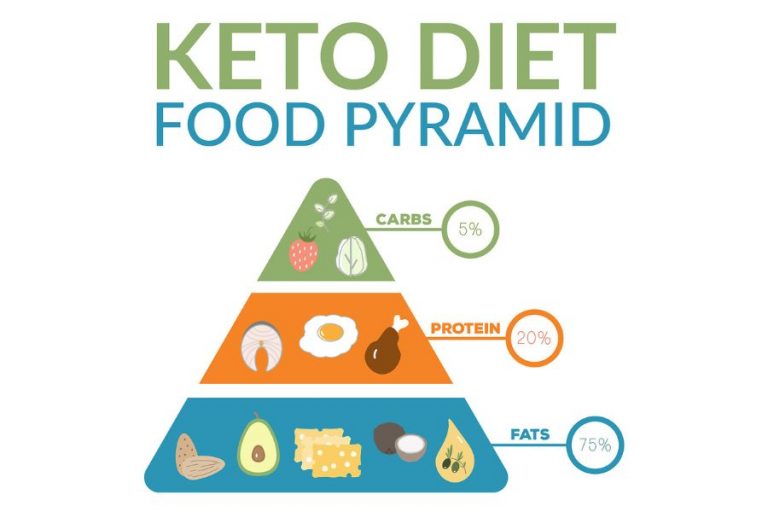
- High fat foods are your foundation
- Moderate protein keeps you full and preserves muscle
- Very low net carbs help you stay in ketosis
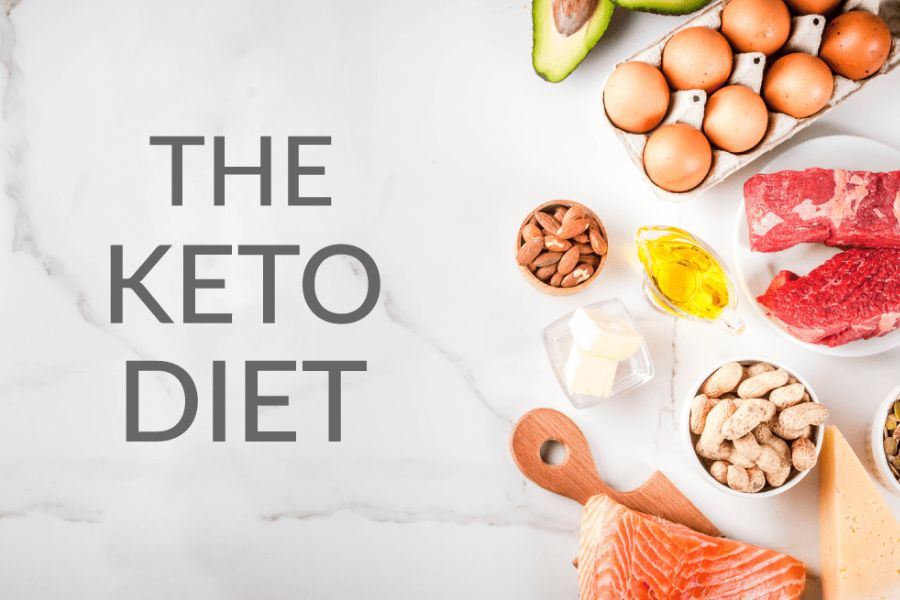
You will focus on whole foods like meat, fish, eggs, low carb vegetables, full fat dairy, nuts, seeds, and specific fruits while limiting starchy foods and sugar. Refined carbs such as bread, pasta, rice, and sugary snacks no longer take center stage, and high carb fruits, beans, and grains are minimized or avoided (Healthline).
Load your plate with healthy fats
Healthy fats sit at the heart of keto diet foods. They provide energy, help you absorb fat soluble vitamins, and keep you satisfied between meals.
Top fat sources to prioritize
Avocados and avocado oil are standouts. They supply heart healthy monounsaturated fats, fiber, and essential vitamins and minerals, and may support heart health, blood sugar balance, and healthy aging (Healthline). You can mash avocado on eggs, blend it into smoothies, or drizzle avocado oil over salads.
Nuts such as pistachios, walnuts, almonds, pecans, cashews, and Brazil nuts are another powerful option. They add plant based protein, fiber, and a mix of beneficial fats. Regular nut intake is associated with a lower risk of heart disease and fewer deaths from cancer, diabetes, and respiratory illnesses (Healthline). A small handful can turn a simple salad into a filling meal.
Flax seeds are rich in anti inflammatory omega 3 fats, plus fiber and protein. A quarter cup contains about 11 grams of fiber, 7 grams of protein, and 18 grams of fat, about half from omega 3s, and they may help protect against heart disease, cancer, diabetes, and degenerative brain diseases (Healthline). Stir ground flax into yogurt, sprinkle it on vegetables, or use it as a low carb “breading” for fish.
One important point is to avoid artificial trans fats. These are found in many highly refined oils, baked goods, and snacks, and often appear on labels as “partially hydrogenated oils” or “shortening.” They significantly increase heart disease risk and should not be part of a keto diet (Healthline).
As you plan your meals, think “healthy fat first,” then add protein and low carb vegetables around it.
Choose filling protein rich foods
Protein helps you feel full, supports muscle, and keeps your metabolism active. In a keto diet, you usually eat moderate protein, not high protein, so you can stay in ketosis while still feeling satisfied.
Eggs are a staple. One large egg has less than 1 gram of carbs and about 6 grams of protein, and the yolk contains most of the nutrients, including antioxidants that protect eye health (Healthline). Scramble them in butter, bake them into frittatas with spinach, or prep egg muffin cups for grab and go breakfasts.
Seafood such as salmon, sardines, and mackerel is another keto friendly protein source. These fish are nearly carb free and rich in omega 3 fats that may help manage blood sugar and insulin levels. Adults are typically advised to eat about 8 to 10 ounces of seafood per week (Healthline). Grilled salmon with a side of roasted broccoli fits beautifully into a keto meal plan.
You can round out your protein choices with poultry, beef, pork, and tofu or tempeh if you prefer more plant based options. For keto, it usually works best to pick fattier cuts or pair leaner proteins with added healthy fats, such as olive oil or avocado.
Fill half your plate with low carb vegetables
Not all vegetables fit well on a ketogenic diet. The ones you choose can make the difference between staying in ketosis and accidentally overdoing it on carbs.
Best vegetables for keto
Low carb, non starchy vegetables such as leafy greens, cruciferous vegetables, and some squashes are ideal keto diet foods. Leafy greens like spinach, kale, Swiss chard, collard greens, romaine lettuce, and arugula are especially good choices. They are low in carbohydrates and add fiber, antioxidants, and important nutrients to your meals (Ketogenic.com). You can use them as salad bases, sauté them in garlic and olive oil, or stir them into omelets.
Other keto supportive vegetables include peppers, zucchini and other summer squashes, cauliflower, and broccoli. They are low in net carbs and pair well with rich sauces and cheeses, which makes it easier to meet your fat targets (Healthline).
Some vegetables are naturally higher in starch and need to be limited or avoided. Sweet potatoes, yams, and butternut squash tend to be too high in net carbs for a strict ketogenic diet, although moderate amounts of rutabaga and cooked carrots may be acceptable for some people (Ketogenic.com).
Enjoy fruits that fit your carb budget
Fruits can be tricky on keto because many of them are high in sugar and net carbs. Fructose, the primary sugar in fruit, can raise blood sugar and disrupt ketosis if you eat too much of it (Ketogenic.com).
That does not mean all fruit is off limits. You can still include small portions of specific fruits that are lower in net carbs and higher in fiber.
Avocados are one of the best fruits for a keto diet. They are high in fat and fiber, low in net carbs, and are highlighted as an ideal keto food that may help support cholesterol management (Ketogenic.com). You might think of avocado slices the way you once thought of bread or rice, as a base that holds the rest of your meal.
Berries like strawberries, blackberries, and raspberries can also fit into a keto plan when served in small portions. They are rich in vitamins and nutrients and have anti inflammatory properties (Ketogenic.com). A few berries on full fat Greek yogurt can satisfy a dessert craving without overwhelming your carb limit.
Many other fruits, such as bananas and apples, are higher in carbs and usually need to be limited or avoided on a strict ketogenic diet (Healthline). If you choose to include them occasionally, you will need to account carefully for the carbs.
Add supportive dairy, nuts, and seeds
Dairy, nuts, and seeds help you round out your meals and snacks with a mix of fat, protein, and fiber.
Full fat Greek yogurt is one example. A 150 gram serving has around 6 grams of fat, 13 grams of protein, 6 grams of carbs, and about 15 percent of your daily calcium. It also provides probiotics that support digestion (Healthline). Because of the carbs, you will want to keep portions moderate, but it can be very useful for breakfasts, snacks, or sauces.
Cheese and heavy cream can also work on a keto diet. Choose full fat versions instead of low fat or reduced fat products. Reduced fat foods often contain added sugar to make up for the missing fat, which makes them less suitable for keto since fat is your main energy source (Healthline).
Nuts and seeds, including walnuts, almonds, pecans, chia seeds, hemp seeds, and the flax seeds mentioned earlier, bring crunch and texture without many net carbs. They are convenient for toppings, crusts, or simple snacks.
Know which foods and drinks to avoid
Just as important as knowing what to eat is knowing which foods can quickly knock you out of ketosis.
High carb foods to avoid or limit include refined carbs such as bread, pasta, and rice, starchy vegetables like potatoes, sweetened dairy products, legumes such as beans, and grains like quinoa and millet (Healthline). Desserts and sugary snacks do not fit into most keto plans either (UC Davis Health).
Beverages can be a hidden source of carbs. Beer, liqueurs, mixed drinks made with soda or juice, sweetened fruit juices, and sugary sodas such as a 12 ounce can of Coca Cola, which contains 39 grams of carbs, can easily push you over your daily carb limit (Healthline). Flavored coffees, sweet teas, and energy drinks can create similar problems.
Condiments are another area to check. Honey has about 17 grams of carbs per tablespoon, and maple syrup has about 13 grams per tablespoon. Ketchup, barbecue sauce, and sweet chili sauce can also contain high amounts of sugar that add quickly to your total carb count (Healthline).
Finally, low fat and reduced fat packaged foods are rarely good fits. They often rely on added sugars or starches for flavor and texture, which makes them too high in carbs for a ketogenic approach (Healthline).
Put it all together in simple meals
Once you know your core keto diet foods, building meals becomes much easier. You can think in terms of a basic formula.
- Start with a protein, such as eggs, salmon, chicken thighs, or tofu.
- Add a generous serving of low carb vegetables like spinach, kale, broccoli, zucchini, or cauliflower.
- Layer in healthy fats from avocado, olive or avocado oil, nuts, seeds, or cheese.
- Season with herbs, spices, and low sugar condiments, such as mustard or pesto made with healthy oils.
If you prefer a bit more structure, you can take inspiration from a 7 day keto friendly meal plan, which features higher fat, low carb meals like prime rib, sea bass, and snacks such as celery, cucumber, and carrots with chipotle dipping sauce (Whole Foods Market). Breakfasts in this kind of plan often highlight eggs, keto friendly yogurt with chia seeds or ground almonds, and avocado “egg boats.” Dinners might include herbed prime rib roast with riced cauliflower and steamed broccoli, pizza style stuffed portobellos, zucchini “noodle” salads with sausage, and roasted salmon stuffed with spinach, feta, and ricotta (Whole Foods Market).
Snacks can be as simple as cheese boards, Parmesan crisps, pork rinds, blistered shishito peppers, chocolate bars formulated for keto, or keto friendly meats like turkey breakfast sausage patties. These options help you balance fat and protein between meals (Whole Foods Market).
Planning ahead, using leftovers efficiently, and keeping a few grab and go options like rotisserie chicken or sashimi on hand makes it much easier to stick with your keto lifestyle during a busy week (Whole Foods Market).
Final tips before you change your plate
As you start transforming your plate with keto diet foods, it can be helpful to remember a few health checks. People on keto tend to lose more salt and may need to be more mindful of sodium intake. Many people on strict keto also benefit from a multivitamin with minerals to cover potential gaps (UC Davis Health).
It is also wise to talk with your healthcare provider before you make major diet changes. Getting a blood test to check your lipid levels, and repeating it after three to six months, can help you see how your body responds. For some people, keto raises LDL to unhealthy levels, while for others it raises HDL and lowers triglycerides (UC Davis Health).
To make your next step simple, you might start by changing just one meal. Try swapping a high carb breakfast of cereal and juice for scrambled eggs cooked in butter, spinach sautéed in olive oil, and half an avocado. From there, you can gradually add more keto friendly foods and notice how your energy, appetite, and cravings respond.
About the Author