Intermittent fasting benefits have become a hot topic, and for good reason. Instead of focusing on what you eat, intermittent fasting focuses on when you eat, which can make healthy habits feel simpler and more sustainable. With the right approach, it can help you lose weight, improve your health, and even support your mental well‑being.
Below, you will find how intermittent fasting works, its key benefits, and how to ease into a routine that fits your lifestyle.
Understand how intermittent fasting works
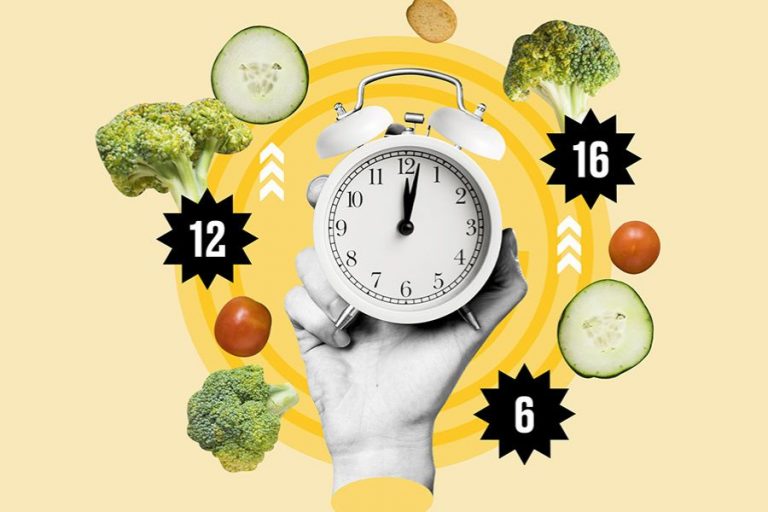
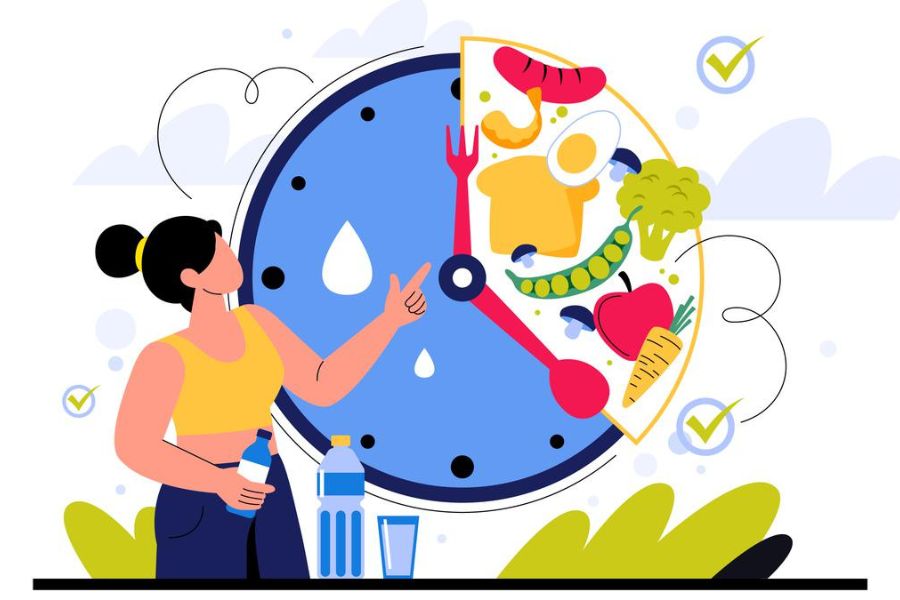
Intermittent fasting is an eating pattern where you cycle between periods of eating and fasting. Common approaches include 16:8, where you fast for 16 hours and eat within an 8 hour window, or more structured versions like alternate day fasting.
When you go several hours without food, your body gradually uses up stored glucose and begins to rely more on stored fat for energy. Researchers call this process metabolic switching. Johns Hopkins neuroscientist Mark Mattson has shown that after hours without food your body exhausts sugar stores and starts burning fat instead, which supports fat loss and a healthier metabolism (Johns Hopkins Medicine).
Experts at Mass General Brigham explain that this switch typically occurs after about 10 to 12 hours without eating, when your body moves from burning glucose to using fatty acids for fuel, which helps you burn fat more easily (Mass General Brigham). In daily life, this means your overnight fast becomes a tool for better energy use, not just time between late night snacks and breakfast.
Support healthy weight loss more easily
If you want to lose weight without obsessively counting every calorie, intermittent fasting can help create a natural calorie deficit.
Daily time restricted eating, such as finishing your meals by late afternoon and fasting for at least 16 hours, has been shown to help people eat about 250 fewer calories per day on average. That is roughly half a pound of weight loss per week, driven in part by lower hunger hormones and steadier blood sugar levels (Harvard T.H. Chan School of Public Health).
A 2022 review of clinical trials found that intermittent fasting over 4 to 24 weeks can reduce body weight by 4 to 10 percent in people who are overweight, with certain methods like alternate day fasting producing an average loss of 0.75 kilograms per week (Journal of Yeungnam Medical Science). Other research has reported similar overall weight loss results when comparing intermittent fasting to traditional daily calorie restriction, but many people find the time based structure easier to follow long term (Nutrients/MDPI).
You still need to choose mostly nutritious foods during your eating window, but the rhythm of fasting and eating can make it simpler to reduce snacking, mindless grazing, and late night overeating.
Improve insulin sensitivity and blood sugar control
Blood sugar swings can leave you tired, hungry, and more likely to crave sweets. Intermittent fasting can help your body respond to insulin more effectively, which benefits both weight management and long term metabolic health.
Several studies reviewed in 2021 showed that intermittent fasting improves glucose metabolism and insulin sensitivity, and reduces fasting insulin levels, especially when weight loss occurs at the same time (Journal of Yeungnam Medical Science). In a 12 month trial in people with type 2 diabetes, intermittent fasting reduced body weight, HbA1c, fasting glucose, and insulin, and the drop in insulin was greater than with calorie restriction alone (Journal of Yeungnam Medical Science).
Early time restricted feeding, where you eat within a 6 hour window that ends by mid afternoon, has also been shown to improve insulin sensitivity and beta cell function, while lowering insulin levels, even without large changes in blood glucose levels (Nutrients/MDPI).
For you, this can translate into fewer sugar crashes, steadier energy throughout the day, and potentially a lower risk of conditions like type 2 diabetes, when combined with other healthy habits.
If you have diabetes or take blood sugar lowering medications, always talk with your doctor before starting intermittent fasting so your treatment can be adjusted safely.
Protect your heart and blood vessels
Your heart health benefits from more than just exercise. The timing of your meals plays a role too. Intermittent fasting has been associated with improvements in several key cardiovascular risk factors.
A narrative review reports that intermittent fasting helps lower total cholesterol, LDL cholesterol, triglycerides and systolic blood pressure, and sometimes increases HDL cholesterol, which together support a healthier heart profile (Journal of Yeungnam Medical Science). Other analyses suggest that intermittent fasting can improve lipid profiles by boosting fatty acid oxidation and reducing very low density lipoproteins, while also lowering blood pressure, potentially through effects on the nervous system and hormones (Nutrients/MDPI).
Research from Harvard notes that intermittent fasting consistently lowers blood pressure and reduces oxidative stress, a contributor to cell damage, cancer and heart disease, and even improves biomarkers of aging and circadian rhythms (Harvard T.H. Chan School of Public Health).
When you combine these effects with weight loss and better blood sugar control, intermittent fasting becomes a powerful, low cost way to support long term cardiovascular health.
Reduce inflammation and support cell repair
Chronic inflammation quietly wears down your body and is linked to conditions like obesity, heart disease, and insulin resistance. Intermittent fasting appears to dampen some of these inflammatory signals.
Clinical research has shown that intermittent fasting can decrease proinflammatory markers such as interleukin 6, tumor necrosis factor alpha, and C reactive protein. These changes help improve insulin resistance and reduce the metabolic and cardiovascular risks tied to excess inflammation (Journal of Yeungnam Medical Science).
Animal and cellular studies suggest that fasting periods may also trigger autophagy, a type of internal cleanup process where your body clears damaged components, which in turn may lower inflammation and protect healthy cells (Mass General Brigham). While more human research is needed, this mechanism could help explain why many people report feeling lighter and more energized after they adjust to an intermittent fasting routine.
Support brain health and emotional well being
Intermittent fasting benefits are not just physical. They can extend to your mood, focus, and sense of emotional balance.
A 2024 longitudinal study of adults practicing an 18 hour daily fasting window for 50 days found that anxiety scores dropped significantly by day 50, and the improvements in anxiety persisted for at least two months after fasting ended (Alpha Psychiatry). Brain imaging in the same study showed changes in connectivity between regions involved in emotional regulation and anxiety, suggesting fasting may influence neural pathways, although the exact relationship remains complex (Alpha Psychiatry).
Other experts point to possible increases in brain derived neurotrophic factor, or BDNF, with intermittent fasting, which can support memory, problem solving, and overall cognitive performance (Psychology Today). You might notice clearer thinking during your fasting window once your body adapts.
Intermittent fasting may also stabilize your mood by smoothing out blood sugar fluctuations, reducing irritability, and decreasing inflammation that has been linked to depressive symptoms (Psychology Today). Many people find that sticking to a consistent eating schedule builds self discipline and a stronger sense of control, which can spill over into other healthy habits (Psychology Today).
Over time, this pattern can also deepen your mind body awareness. You learn to distinguish between true hunger and habitual or emotional eating, which can reduce anxiety around food and help you make more intentional choices (Psychology Today).
Support longevity and disease prevention
Although long term human data is still emerging, intermittent fasting shows promise for helping you live not just longer, but better.
Johns Hopkins researchers describe intermittent fasting as a way to help prevent or even potentially reverse some forms of disease, including type 2 diabetes, heart disease, age related neurodegenerative disorders, inflammatory bowel disease, and certain cancers (Johns Hopkins Medicine). A New England Journal of Medicine review cited by Johns Hopkins associates intermittent fasting with increased life expectancy, a leaner body, and improved cognitive function.
Harvard experts highlight that eating within an earlier 8 hour window, such as finishing meals by 4 or 6 p.m., tends to produce better improvements in blood sugar and blood pressure than later eating windows, and that following this schedule at least five days a week can provide meaningful health benefits (Harvard T.H. Chan School of Public Health).
When you put these findings together, intermittent fasting starts to look less like a short term diet and more like a flexible framework that can support healthy aging.
Choose an intermittent fasting style that fits you
You do not need an extreme schedule to see intermittent fasting benefits. The best plan is the one you can keep up without feeling miserable.
Common approaches include:
- 16:8 time restricted eating, where you fast for 16 hours and eat during an 8 hour window each day
- 14:10, a gentler version that may be more manageable when you are starting
- Early time restricted eating, such as 8 a.m. to 2 p.m. or 10 a.m. to 4 p.m., which may provide extra metabolic benefits
- The 5:2 approach, where you eat normally 5 days a week and eat very few calories on 2 nonconsecutive days
- Alternate day fasting, where you alternate between regular eating days and very low calorie days
Intermittent fasting is often easier to follow because you do not have to track every bite of food, which Mass General Brigham dietitians point out as a major advantage (Mass General Brigham). You simply choose your eating window and focus on building balanced meals inside it.
When you are just starting, consider shifting your first meal slightly later or your last meal slightly earlier, then lengthen your fasting window over one or two weeks. This gradual approach gives your body time to adapt and can reduce the initial hunger and irritability that some people feel in the first two to four weeks (Johns Hopkins Medicine).
Stay safe and set realistic expectations
Intermittent fasting is not right for everyone. You should avoid or be very cautious with fasting if you:
- Are pregnant or breastfeeding
- Have a history of eating disorders
- Have type 1 diabetes or advanced type 2 diabetes
- Take medications that can cause low blood sugar
- Have significant underweight or chronic illness
If you are unsure, talk with your health care provider before changing your eating schedule, especially if you are on prescription medications or have ongoing health conditions.
It also helps to keep expectations grounded. A 2017 randomized trial showed that alternate day fasting and daily calorie restriction produced similar weight loss and cardiovascular benefits over 12 months, which means intermittent fasting is not magic, it is another evidence based tool you can use to reach your goals (Nutrients/MDPI).
Pair your fasting plan with whole foods, regular movement, sufficient sleep, and stress management. This combination will do far more for your long term health than any single strategy on its own.
Putting intermittent fasting into practice
To get started, choose one small, clear change you can make this week. For example, you might stop eating after 8 p.m. and delay breakfast until 10 a.m., which gives you a 14 hour fast. Once that feels comfortable, you can gradually extend your fasting window or shift your eating earlier in the day.
Pay attention to how you feel, not just what the clock says. If you notice better energy, easier weight management, or clearer thinking, those are signs that intermittent fasting benefits are working for you. If you feel constantly drained or preoccupied with food, it is worth adjusting your schedule or talking with a professional.
With a flexible, mindful approach, intermittent fasting can become a straightforward way to stay fit and healthy, without turning every meal into a math problem.
About the Author