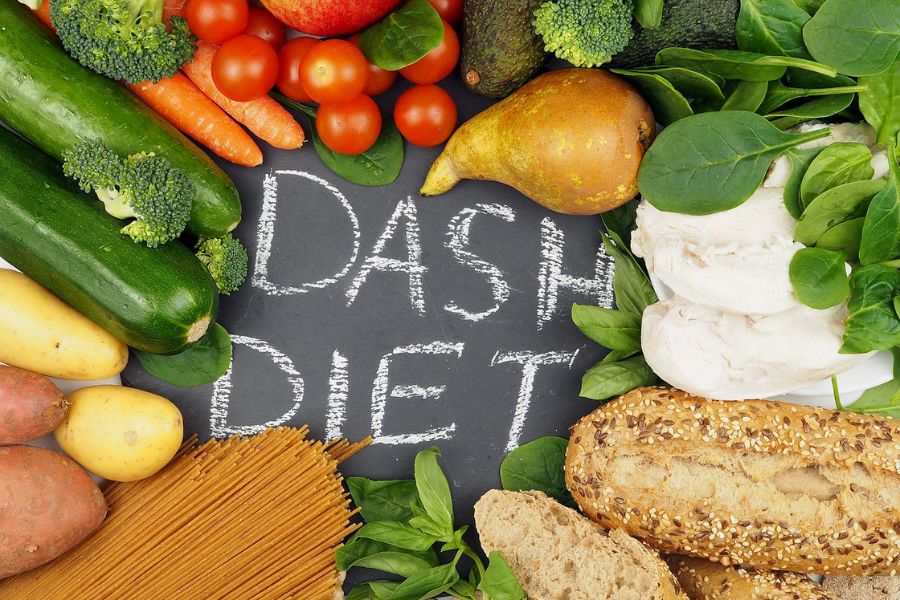
A DASH diet plan is best known for lowering blood pressure, but it can also support steady, realistic weight loss at the same time. Instead of relying on special products, it focuses on everyday foods like vegetables, fruits, whole grains and lean protein, all in portions that fit your calorie needs (Mayo Clinic, National Heart, Lung, and Blood Institute). With a few simple tweaks, you can turn this heart healthy approach into a practical plan for slimming down.
Below, you will find easy, effective ways to use the DASH diet for weight loss without feeling deprived.
Understand what the DASH diet plan is
The DASH diet, short for Dietary Approaches to Stop Hypertension, was designed to help prevent or treat high blood pressure. Over time, research has shown that it can also lower LDL cholesterol, support weight loss and reduce your risk of type 2 diabetes and heart disease when you stick with it consistently (NHLBI, Mayo Clinic).
You are not required to buy special foods or supplements. Instead, a standard DASH diet plan for about 2,000 calories a day gives you daily and weekly goals from different food groups. You adjust those servings up or down based on your own calorie needs (NHLBI).
Core ideas of the DASH eating style
On a typical DASH day, you emphasize:
- Plenty of vegetables and fruits
- Whole grains instead of refined grains
- Fat free or low fat dairy products
- Fish, poultry, beans and nuts for protein
- Limited sodium, added sugars and saturated fat
DASH is flexible. You can match it with different cuisines and personal preferences, which makes it easier to maintain compared with very restrictive diets.
See how DASH supports weight loss
On its own, the DASH diet is designed for heart health and blood pressure control. Weight loss happens when you combine DASH style foods with a modest calorie deficit and regular movement. Several clinical trials have found that people who follow a DASH diet and also increase physical activity and receive lifestyle counseling lose more weight and experience greater blood pressure reductions than those who only receive advice (NHLBI).
Because DASH is rich in fiber and protein, it naturally helps you feel full on fewer calories. Vegetables, fruits, beans and whole grains take up more space on your plate and in your stomach than processed snacks, which makes it easier to avoid overeating.
Why a heart healthy plan is a smart way to slim down
When you use a DASH diet plan for weight loss, you are not only shrinking your waistline. You are also:
- Reducing your sodium intake, which helps manage blood pressure (NHLBI)
- Getting more potassium, calcium and magnesium, nutrients that support blood pressure control and overall health (Mayo Clinic)
- Improving your cholesterol numbers, especially if you prioritize healthy fats and lean protein (NHLBI)
This combination of benefits makes each pound lost more meaningful for your long term health.
Adjust your portions for your calorie needs
The official DASH guidelines provide serving ranges for someone eating about 2,000 calories per day, but you may need more or less. Age, sex, activity level and health conditions all affect your ideal calorie target (NHLBI, Mayo Clinic).
If you are trying to lose weight, your goal is to choose the lower end of the DASH serving ranges and keep high calorie extras in check.
A simplified example for a typical 2,000 calorie DASH pattern might include:
| Food group | Approx. daily servings* | What that might look like |
|---|---|---|
| Grains (mostly whole) | 6 to 8 | A slice of bread, 1/2 cup cooked rice or pasta |
| Vegetables | 4 to 5 | 1 cup raw leafy or 1/2 cup cooked |
| Fruits | 4 to 5 | 1 medium piece or 1/2 cup cut fruit |
| Fat free or low fat dairy | 2 to 3 | 1 cup milk or yogurt, 1.5 oz cheese |
| Lean meat, poultry, fish | up to 6 oz | 1 oz cooked meat, 1 egg |
| Nuts, seeds, legumes | 4 to 5 per week | 1/3 cup nuts, 1/2 cup cooked beans |
| Fats and oils | 2 to 3 | 1 tsp oil or soft margarine |
| Sweets and added sugars | 5 or fewer per week | 1 tbsp sugar, jelly or jam |
*Serving numbers vary with calorie needs. Use this as a starting point, not a strict rule.
For weight loss, you might choose toward the lower end of grains and fats, and slightly higher vegetables, while still meeting your protein and dairy targets.
Prioritize sodium reduction without losing flavor
A key part of every DASH diet plan is limiting sodium. The standard version caps sodium at 2,300 milligrams per day, which is about 1 teaspoon of table salt (Mayo Clinic). A lower sodium version brings that down to 1,500 milligrams for even greater blood pressure benefits, especially if you already have high readings (NHLBI, NHLBI).
Cutting back on sodium can initially make food taste bland, but your taste buds adapt with time. Gradual changes are often easier to stick with long term (Mayo Clinic).
Practical ways to lower sodium
Start with small, manageable adjustments:
- Cook more at home so you can control how much salt you add
- Choose fresh or frozen vegetables without sauces instead of canned versions with added salt
- Rinse canned beans and vegetables if you use them
- Use herbs, spices, garlic, citrus juice and vinegar to flavor foods instead of extra salt
- Compare labels and pick products labeled low sodium or no salt added when possible
These steps help you follow the DASH sodium targets without feeling like every meal tastes the same.
Build simple DASH friendly meals
You do not need gourmet recipes to follow a DASH diet plan. Instead, think of each meal as a balanced mix of vegetables, lean protein, whole grains and a modest amount of healthy fat. Then layer in fruit and low fat dairy across your day.
For example, a day of DASH inspired eating for weight loss could look like this:
- Breakfast: Oatmeal made with low fat milk, topped with berries and a sprinkle of nuts
- Lunch: Large salad with mixed greens, chickpeas, colorful vegetables and grilled chicken, dressed with olive oil and lemon
- Snack: A small apple with a spoonful of peanut butter
- Dinner: Baked salmon, half a plate of roasted vegetables and a small serving of brown rice
- Dessert: A piece of fresh fruit or a small yogurt with no added sugar
If you prefer, you can use sample menus from trusted sources like Mayo Clinic, which provides three day DASH menus at or under 2,000 calories, and then scale the portions to your goals (Mayo Clinic).
Tweak carbs, protein and fats if needed
The original DASH diet is higher in carbohydrates because it includes many fruits, vegetables and whole grains. Some people feel better with slightly more protein or more unsaturated fat instead of a large portion of carbs.
Research has shown that when participants followed DASH style eating but swapped some carbohydrates for protein or healthy unsaturated fats, they saw further improvements in blood pressure and cholesterol and a reduced risk of heart disease compared with the standard DASH pattern (NHLBI).
You can apply this by:
- Choosing more beans, lentils, tofu, fish and poultry
- Using healthy fats such as olive oil, avocado and nuts in small portions
- Keeping whole grains but serving slightly smaller portions if big carb heavy meals leave you sluggish
As always, talk with your healthcare provider or a registered dietitian before making big changes, especially if you have kidney disease, diabetes or other chronic conditions.
Make changes gradually so they stick
The most effective DASH diet plan for weight loss is the one you can follow for months and years, not just a few weeks. Rather than trying to overhaul everything at once, pick one or two manageable shifts and build from there.
You might start with:
- Filling half your dinner plate with vegetables most nights
- Swapping refined grains for whole grains at one meal a day
- Cooking at home a few more times each week
- Reducing salty processed snacks and fast food over several weeks
Over time, these small choices add up to a pattern that matches DASH guidelines and supports weight loss.
Think of DASH as a flexible framework, not a rigid rulebook. You are learning to build plates and days that suit both your health and your appetite.
Combine nutrition with movement and support
Food is a big part of weight loss, but it is not the only factor. Clinical trials show the greatest improvements in blood pressure and weight when people combine a DASH diet with physical activity and regular lifestyle support, such as counseling or group programs (NHLBI).
You do not have to start with intense workouts. Even adding brisk walks, light strength training or active hobbies a few times a week can make your DASH diet plan more effective for weight loss.
If you can, consider:
- Checking in with your healthcare provider about safe activity levels
- Inviting a friend or family member to adopt DASH style changes with you
- Using a notebook or phone app to track your meals, sodium intake and how you feel
Noting your progress helps you see patterns, celebrate wins and adjust when something is not working.
Key takeaways
A DASH diet plan can be a powerful, realistic way to lose weight while protecting your heart. By focusing on vegetables, fruits, whole grains, lean protein and low fat dairy, and by keeping sodium and added sugars in check, you create a pattern that supports lower blood pressure and steady, sustainable weight loss (NHLBI, Mayo Clinic).
Choose one simple change to start today, such as cooking a DASH inspired dinner or comparing sodium levels on two of your usual products. As each step becomes easier, you can layer on the next, until this heart healthy way of eating feels like second nature.
About the Author