A heart healthy eating plan like the DASH diet can do much more than lower your blood pressure. It can help you lose weight at a steady pace, support your heart, and give you more energy in your day to day life. The best part is that the DASH diet relies on everyday foods you can find in any grocery store, not special products or expensive supplements.
Below, you will learn what the DASH diet is, why it is so effective, and how you can start using it in a realistic way that fits your routine.
Understand what the DASH diet is
The DASH diet, short for Dietary Approaches to Stop Hypertension, is an eating plan created to help prevent and treat high blood pressure. It focuses on reducing sodium and increasing the nutrients that support healthy blood pressure, such as potassium, magnesium, calcium, and fiber.
Research shows that this style of eating can significantly lower blood pressure and LDL cholesterol compared with a typical American diet, which helps reduce your risk of cardiovascular disease (NHLBI, Mayo Clinic).
You do not need special foods to follow DASH. The National Heart, Lung, and Blood Institute notes that it is built around daily and weekly nutrition goals for a 2,000 calorie per day pattern, which you can adjust with your healthcare provider if you need more or fewer calories (NHLBI).
See how the DASH diet works for health
The DASH diet helps your health from several angles at once. That is part of what makes it so powerful.
You reduce sodium. The standard DASH plan recommends keeping sodium under 2,300 milligrams per day, which is roughly the sodium in one teaspoon of table salt. A lower sodium version sets a target of 1,500 milligrams per day for even greater blood pressure benefits (Mayo Clinic, NHLBI).
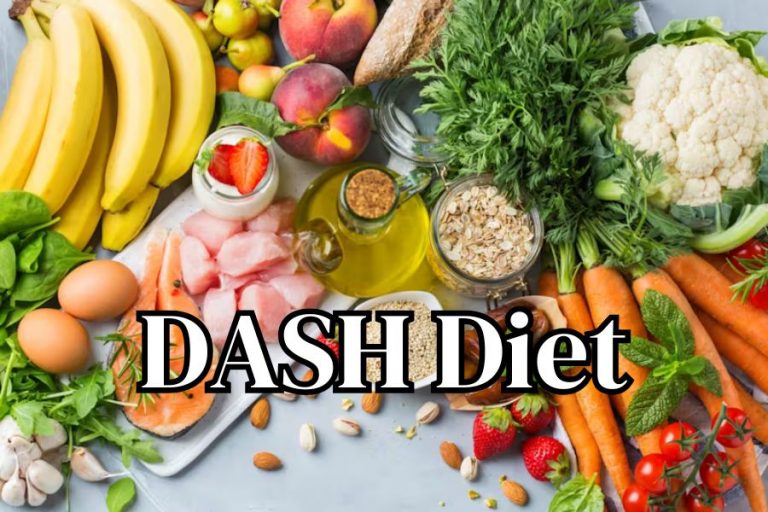
At the same time, you increase nutrients that protect your heart. The DASH diet emphasizes vegetables, fruits, whole grains, fat free or low fat dairy, lean proteins like fish and poultry, beans, nuts, and seeds. These foods are rich in potassium, calcium, magnesium, and fiber, all of which support blood pressure control and cholesterol levels (Mayo Clinic).
You also limit foods that tend to worsen blood pressure and heart health. That includes foods high in added salt, sugar, and saturated fat, such as fatty meats, full fat dairy products, sugary drinks, and many processed items.
Explore the proven benefits for blood pressure and beyond
If you are looking at the DASH diet for blood pressure, you are on solid ground. Large studies supported by the National Institutes of Health have repeatedly shown that the DASH pattern lowers blood pressure and improves heart related markers.
In the original DASH study with 459 adults, people following the DASH diet had significantly lower blood pressure and LDL cholesterol than those eating a typical American diet (NHLBI). The DASH Sodium trial, which included 412 adults, found that combining the DASH plan with lower sodium intake led to even greater drops in blood pressure, especially for those who started with the highest readings (NHLBI).
A systematic review and meta analysis of 17 randomized controlled trials including 2,561 people found that the DASH diet reduced systolic blood pressure by an average of 6.74 mmHg and diastolic blood pressure by 3.54 mmHg, with the strongest effects in those who already had hypertension and in those following energy restricted versions of the diet (PMC).
The benefits do not stop at blood pressure. Research links the DASH diet with lower LDL cholesterol and triglycerides, reduced uric acid levels, improved bone mineral status, and a roughly 13 percent reduction in estimated 10 year cardiovascular disease risk (PMC). Because of these results, the DASH diet has been named the “Best Heart Healthy Diet” and the “Best Diet for High Blood Pressure” for 2025 (NHLBI).
Connect the DASH diet and weight loss
You might be wondering how a heart focused eating plan helps you lose weight. The answer lies in the kinds of foods you eat and how they affect your hunger.
The DASH diet encourages you to build meals around vegetables, fruits, whole grains, and lean proteins. These foods tend to be lower in calories but higher in fiber and nutrients, so you feel full and satisfied on fewer calories. When you reduce processed snacks, sugary drinks, and high fat meats, you also eliminate many of the most calorie dense items in a typical diet.
In the PREMIER clinical trial, 810 adults with prehypertension or stage 1 hypertension were followed for six months. Participants who combined the DASH diet with increased physical activity lost more weight and had the greatest reductions in blood pressure compared with those who only received advice or other lifestyle counseling (NHLBI, PMC). This suggests that, when you match DASH with movement and an overall calorie plan suited to you, it can be a strong weight loss tool.
You can also adjust the DASH plan for your specific calorie needs. Sample menus are often based on 2,000 calories per day, but you can work with a healthcare provider or dietitian to tailor your serving sizes for weight loss or weight maintenance (Mayo Clinic, NHLBI).
Think of the DASH diet as a flexible template. You keep the overall balance of food groups, then scale portions up or down depending on your weight goals and activity level.
Learn what you eat on the DASH diet
The DASH diet is built on daily and weekly servings of key food groups. Exact numbers vary by calorie level, but the pattern stays similar. For many adults, a 2,000 calorie version is a good reference point (Mayo Clinic, NHLBI).
Here is what a typical day can emphasize:
- Plenty of vegetables, such as leafy greens, carrots, broccoli, and peppers
- Several servings of fruits, fresh, frozen, or canned in water or its own juice
- Whole grains, like oatmeal, brown rice, whole wheat bread, and quinoa
- Fat free or low fat dairy products, such as yogurt and milk
- Lean protein from fish, poultry, beans, and lentils
- Nuts and seeds in small portions across the week
- Limited sweets, sugary drinks, and added fats
Sodium is kept to 2,300 milligrams or less on the standard plan, and many people see more benefit when they move toward 1,500 milligrams per day with the guidance of a healthcare provider (Mayo Clinic, NHLBI).
Alcohol is not forbidden, but the plan advises moderation. That means no more than two drinks per day for men and one or less for women. If you are concerned about caffeine and blood pressure, it is a good idea to talk to your healthcare provider about whether cutting back might help you personally (Mayo Clinic).
Compare DASH to your current eating habits
To make the DASH diet work for you, it helps to look honestly at how you are eating now. The NHLBI offers worksheets to help you compare your current intake with DASH goals and understand what counts as a serving in each food group (NHLBI).
Start by tracking what you eat and drink for two or three typical days. Then ask yourself:
- How often are you eating vegetables and fruits, compared with snacks or sweets
- How many meals center around whole grains rather than refined grains
- Where your biggest sources of sodium are, such as restaurant meals, canned soups, sauces, or snack foods
- How often you choose lean proteins instead of fatty meats or processed meats
Once you see your patterns, you can choose the easiest wins first. You might switch your breakfast cereal to a low sugar whole grain option, swap one processed snack for a piece of fruit, or cook one more dinner at home each week with less added salt.
Start the DASH diet in small, realistic steps
You do not need to transform your diet overnight. In fact, small steady changes tend to stick better and still deliver benefits.
You could begin by picking one meal to “DASHify.” For example, you might create a DASH friendly lunch by filling half your plate with vegetables, a quarter with whole grains like brown rice or whole wheat pasta, and the remaining quarter with grilled chicken, fish, or beans. Over time, you can build more of your meals around this simple pattern.
You can also slowly reduce sodium. If you currently eat a lot of processed foods, dropping straight to 1,500 milligrams per day may feel strict. Instead, aim first to stay below 2,300 milligrams by cooking more at home, tasting food before you add salt, and flavoring dishes with herbs, citrus, garlic, and spices. As your taste buds adjust, you can gradually bring your sodium down further if that is appropriate for your health goals (NHLBI).
Remember to keep your bigger picture in mind. The PREMIER trial shows that combining the DASH diet with physical activity brings the greatest gains in both blood pressure and weight loss (NHLBI, PMC). Even modest, regular movement, like brisk walking most days of the week, can support your eating changes.
Check when to talk with your healthcare provider
Before you make major changes, especially if you have high blood pressure, heart disease, kidney issues, or take medications, it is important to talk with your healthcare provider. They can help you decide which sodium target is right for you and how many calories you should aim for to lose, maintain, or gain weight safely (Mayo Clinic).
You can also ask for a referral to a registered dietitian who is familiar with the DASH diet. They can translate serving guidelines into practical meal ideas that fit your culture, budget, and preferences.
Key takeaways
- The DASH diet is a flexible, research backed eating pattern that lowers blood pressure by cutting sodium and boosting nutrients like potassium, calcium, magnesium, and fiber (Mayo Clinic, PMC).
- It emphasizes vegetables, fruits, whole grains, lean proteins, low fat dairy, and nuts, while limiting salty, sugary, and high fat processed foods.
- Studies show that DASH reduces blood pressure, improves cholesterol levels, and lowers long term cardiovascular risk, and it can support weight loss when paired with a calorie plan and regular activity (NHLBI).
- You can start where you are by tracking your current habits, adjusting one meal at a time, and gradually reducing sodium to 2,300 milligrams per day or lower with professional guidance.
Choose one DASH inspired change to try at your next meal, such as adding a serving of vegetables or swapping a salty snack for fruit. Small steps like these add up, and they move you closer to steadier blood pressure, a healthier weight, and better overall wellness.
About the Author